
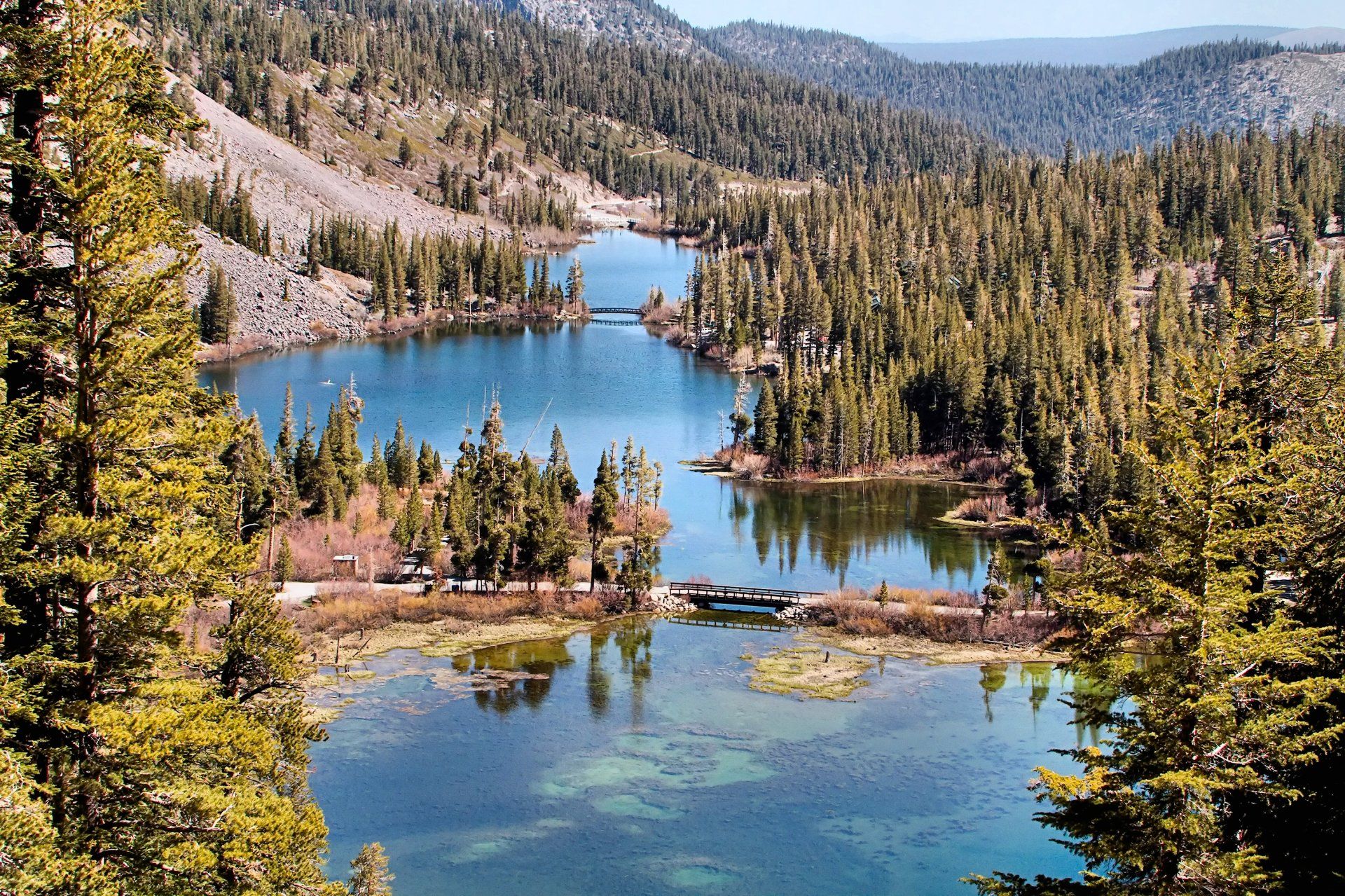
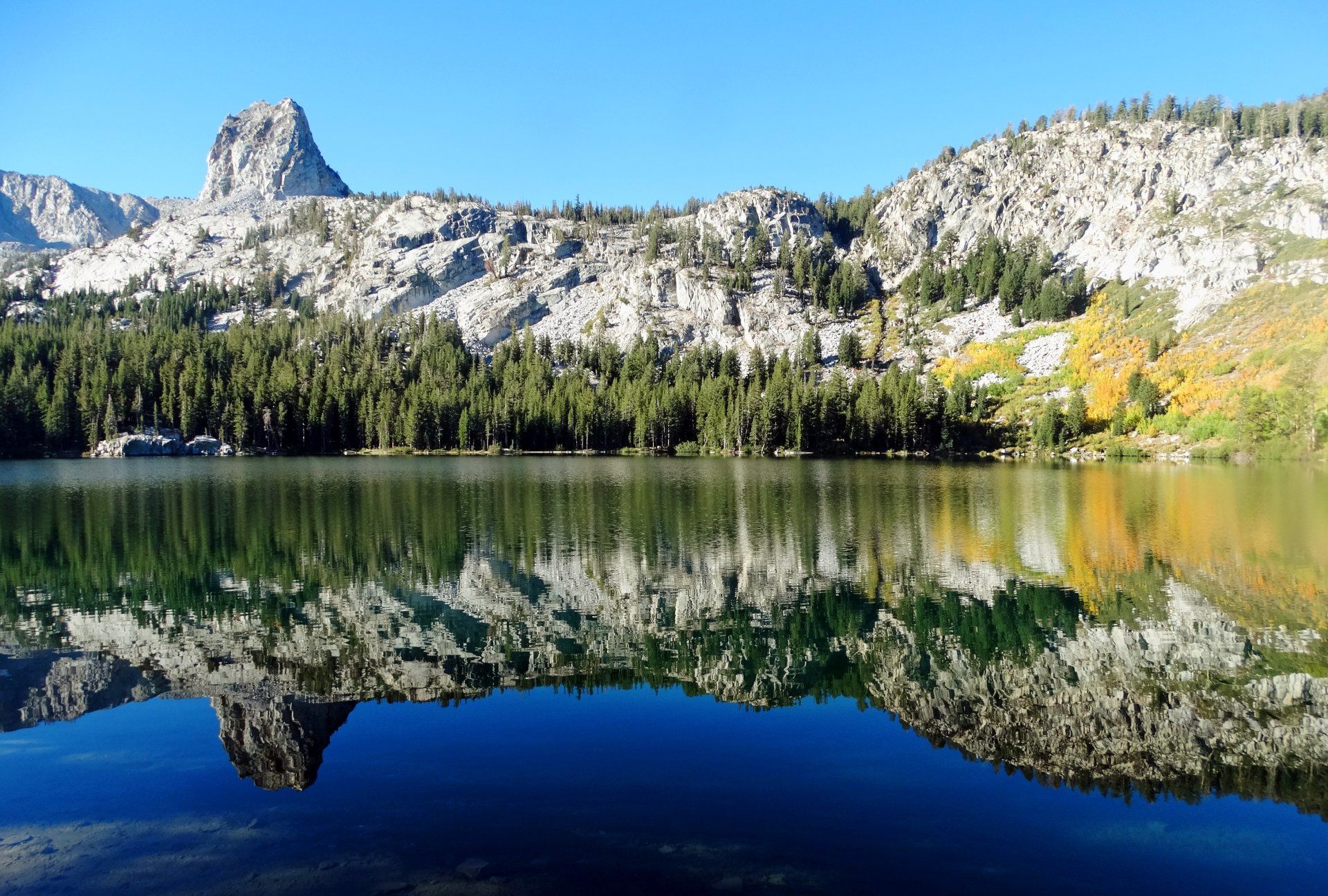
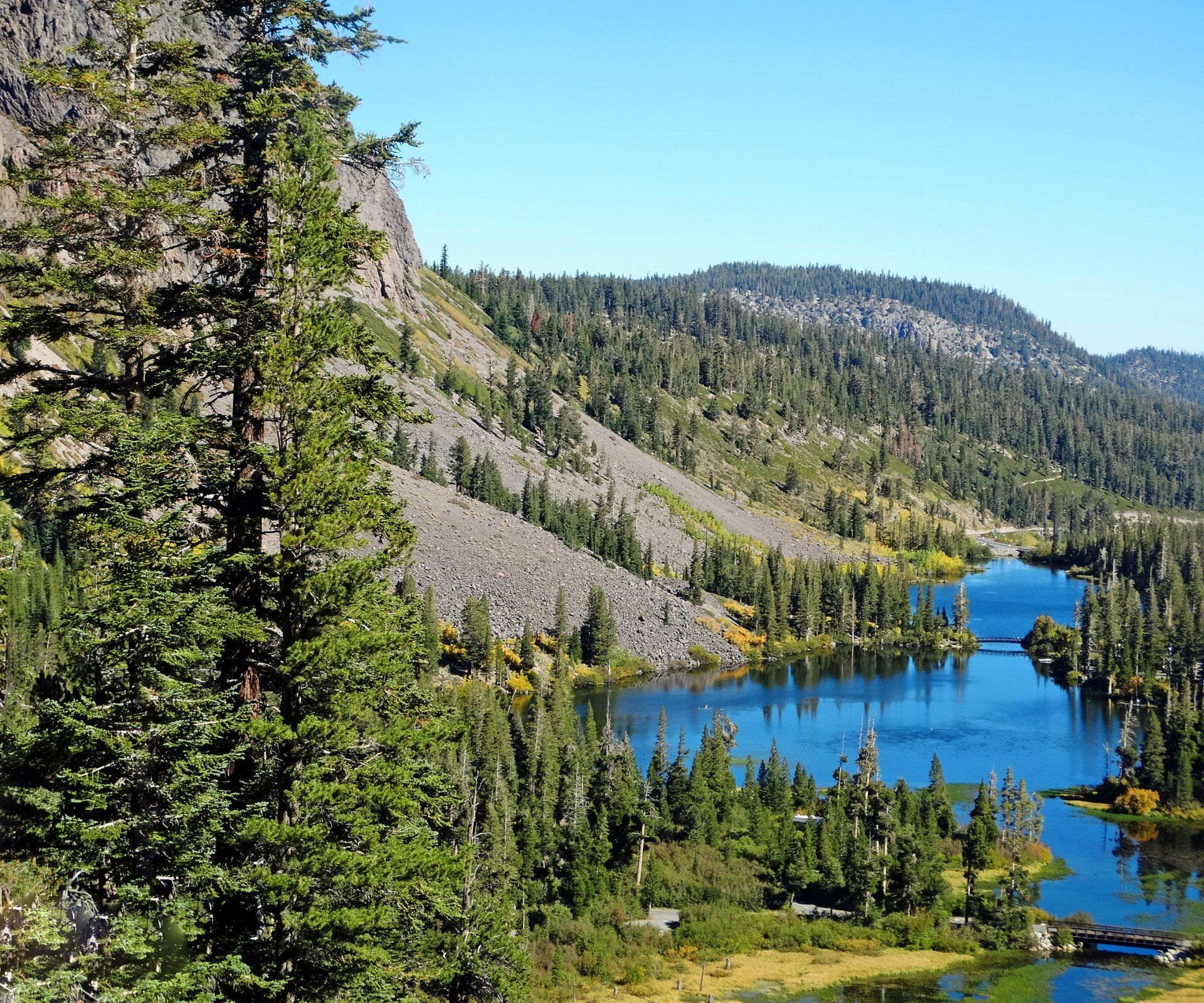
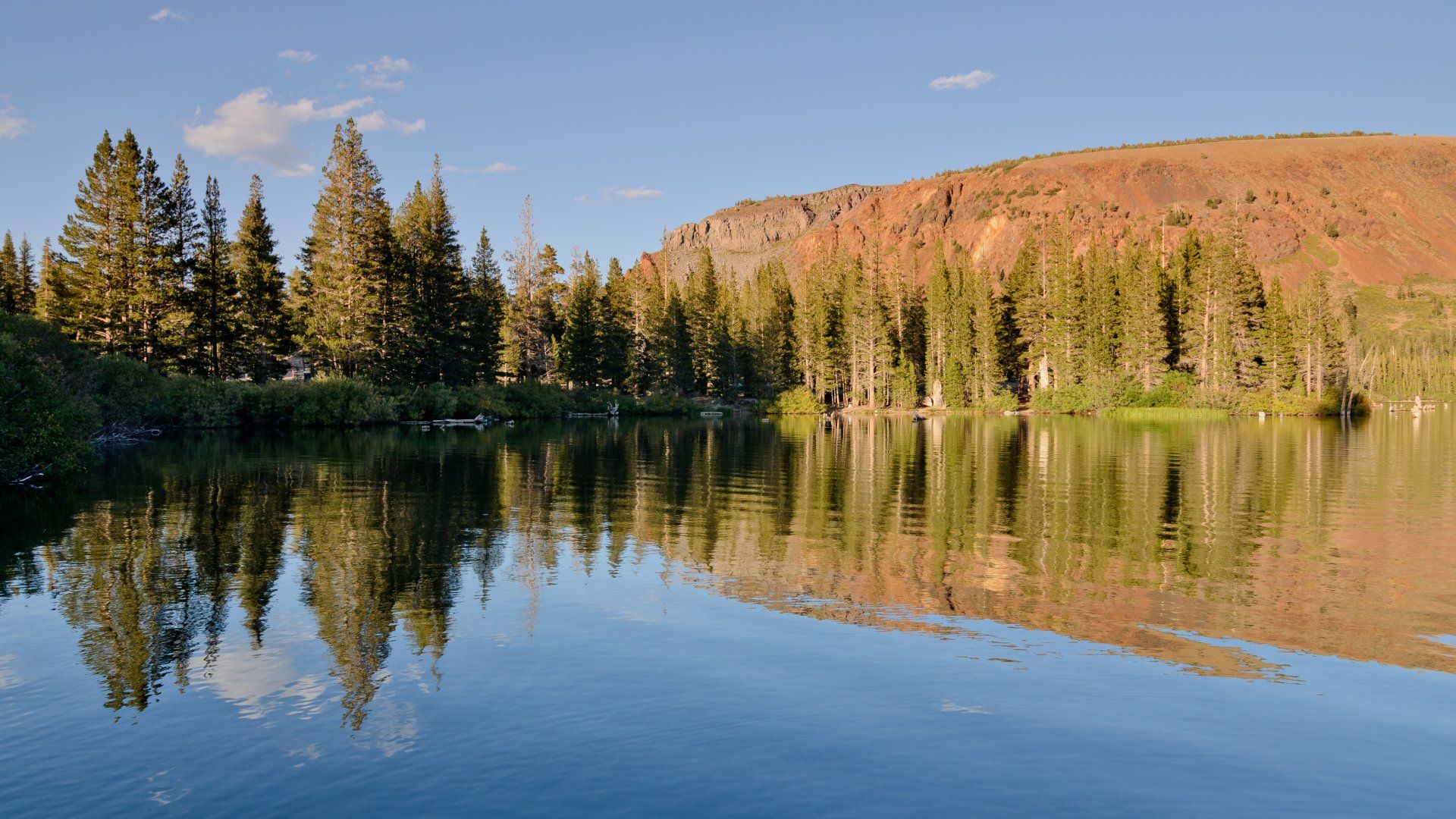
Perched at 7,880 feet in the Sierra Nevada, Mammoth Lakes holds a distinction no other California town can claim: it is the only incorporated municipality in Mono County, and it sits directly beside one of the most celebrated ski mountains in North America. Incorporated on August 20, 1984, the town has grown from a modest seasonal outpost into a year-round destination where roughly 7,200 permanent residents share 25 square miles of alpine terrain with millions of annual visitors. What separates Mammoth Lakes from other Eastern Sierra communities is the sheer scale of what surrounds it — Mammoth Mountain Ski Area offers more than 3,500 acres of skiable terrain, while the Inyo National Forest and Ansel Adams Wilderness extend the outdoor experience well beyond the slopes into summer hiking, mountain biking, and fishing. The eastern entrance to Yosemite National Park lies just 32 miles north. For buyers seeking a primary residence, a vacation property, or an investment in a market where median home prices reflect genuine demand, Mammoth Lakes represents a rare convergence of lifestyle and long-term value in one of California's most dramatic natural settings.
Welcome to Mammoth Lakes
Community Profile
Tucked into the Eastern Sierra at over 7,800 feet elevation, this tight-knit mountain community of 7,214 residents punches well above its size when it comes to economic vitality. The median household income here reaches $98,056 — comfortably above the national median of roughly $75,000 — and nearly half of all households (47.9%) earn six figures or more. That prosperity is broadly shared: 65.1% of families are dual-income, and a robust labor force participation rate of 79.1% reflects a community of active, engaged workers. Unemployment sits at just 3.3%, a reassuring sign of economic stability in a resort-driven economy.
The age profile skews toward prime earning and family-building years, with a median age of 41.3 and a notable concentration of residents in their 30s and 40s. Married couples make up 53.4% of the population, and the average family size of 2.65 speaks to a community where children are part of the landscape. One of the most distinctive hallmarks of Mammoth Lakes is its workforce composition — a remarkable 57.6% of degree holders have STEM backgrounds, reflecting the technical and scientific talent drawn to the region's outdoor industries, research, and resort management sectors. Perhaps best of all for daily quality of life, the average commute is just 14.8 minutes, meaning residents spend far less time in traffic and far more time on the mountain.
Things to Do
Outdoor Recreation
Mammoth Lakes is, above all else, an outdoor playground of extraordinary scale. Mammoth Mountain Ski Area anchors the town's identity with more than 3,500 acres of skiable terrain, drawing skiers and snowboarders from across California and beyond from late fall through spring — and occasionally into summer during big snow years. When the snow melts, those same slopes transform into one of the premier mountain biking destinations in the West, with lift-served trails and sweeping descents. Hikers can explore the Ansel Adams Wilderness and the surrounding Inyo National Forest, with trailheads leading to alpine lakes, granite peaks, and wildflower meadows. Lake Mary, just south of town, offers fishing, kayaking, and lakeside picnicking in a stunning glacial setting. A short drive via State Route 203 over Minaret Summit brings you to Devils Postpile National Monument, where otherworldly basalt columns and the rushing San Joaquin River make for an unforgettable half-day excursion. The eastern entrance of Yosemite National Park lies just 32 miles north — an easy and spectacular day trip.
Arts & Culture
The Mammoth Ski Museum, which opened in 2004, offers a fascinating window into the town's skiing heritage, featuring vintage photographs, artifacts, and a documentary film about resort founder Dave McCoy, the visionary who transformed these slopes into a world-class destination. The museum captures the pioneering spirit that shaped modern Mammoth Lakes and is well worth a visit for newcomers and longtime fans alike.
Dining & Shopping
The Village at Mammoth serves as the social hub of town, a pedestrian-friendly gathering place with restaurants, bars, boutique shops, and après-ski energy that carries well into the evening. The dining scene reflects the town's cosmopolitan visitor base, with options ranging from casual mountain fare to more refined cuisine. Local breweries and wine bars add to the lively atmosphere, especially on weekends.
Family Activities & Seasonal Events
Families will find no shortage of activities year-round. In winter, beginner ski programs and tubing hills keep younger visitors entertained, while summer brings outdoor concerts, farmers markets, and festivals celebrating everything from food and wine to film. The town's high-altitude environment — sitting above 7,800 feet — also makes it a popular training ground for elite endurance athletes, and watching world-class runners and cyclists train on local roads adds a unique dimension to the Mammoth experience.
Latest Properties in Mammoth Lakes
Loading latest properties...
History
From Mining Camp to Mountain Resort
The story of Mammoth Lakes begins not with skiers, but with prospectors. In 1877, four men staked a claim on Mineral Hill along what is now Old Mammoth Road, triggering a brief but intense gold rush. The Mammoth Mining Company organized in 1878, and by the end of that year, a boomtown called Mammoth City had swelled to roughly 1,500 residents — complete with 22 saloons and two breweries. The boom was short-lived. By 1880, the company had shut down its mill; by 1888, fewer than ten people remained. The volcanic terrain that made the landscape so dramatic had also made its ore deposits frustratingly shallow and inconsistent.
The town quietly reorganized near Mammoth Creek in the early 1900s, sustained by logging and modest tourism. A post office opened in 1923, a small but telling sign of permanence. The real transformation came when Dave McCoy began developing what would become the Mammoth Mountain Ski Area, opening on Thanksgiving Day, 1955. McCoy's vision drew Southern California skiers up Highway 395 in growing numbers, and the population climbed from under 100 in the 1950s to over 2,000 by the 1970s.
That growth demanded local control. On August 20, 1984, Mammoth Lakes formally incorporated as a town — the only incorporated municipality in Mono County — with its first town council famously sworn in atop Mammoth Mountain itself. Today, that founding identity as a recreation-first community shapes every corner of the real estate market: the condo clusters near the Village, the cabin-style homes tucked into the forest, and a median home price of $804,500 that reflects decades of demand from buyers seeking both a mountain retreat and a sound investment.
Weather
Mammoth Lakes sits at nearly 8,000 feet in the Sierra Nevada, and its elevation shapes every aspect of life here — including the weather. The town has a warm-summer humid continental climate (Köppen classification Dsb), characterized by long, heavily snowy winters and short, pleasantly mild summers. This is not the California of palm trees and beach weather; it is a true alpine environment with a distinct four-season rhythm.
Summer highs typically reach the mid-70s°F, with cool nights often dipping into the 40s — ideal for hiking, mountain biking, and outdoor dining without the oppressive heat found in lower-elevation California. Winters are a different story entirely. Daytime highs from December through March hover in the 30s to low 40s°F, with overnight lows frequently falling into the teens. Snowfall averages around 200 inches per season, with the heaviest accumulations arriving between December and March, fueling Mammoth Mountain's legendary ski conditions.
Spring and fall are transitional and sometimes unpredictable — late-season snowstorms in May are not unusual, and the first frosts of autumn can arrive as early as September. Summer afternoon thunderstorms are a periodic feature of the high-altitude landscape.
For real estate, the climate has meaningful implications. Heating costs are a significant budget consideration given the long, cold winters, and properties require robust insulation and snow-load-rated roofing. Seasonal maintenance — snow removal, weatherproofing, and deck upkeep — is part of homeownership here. On the upside, the cool, dry summers make air conditioning largely unnecessary, and the dramatic seasonal beauty is a year-round draw for both residents and vacation-property investors.
Mammoth Lakes Market Analytics
Can I Afford Mammoth Lakes?
Weather