
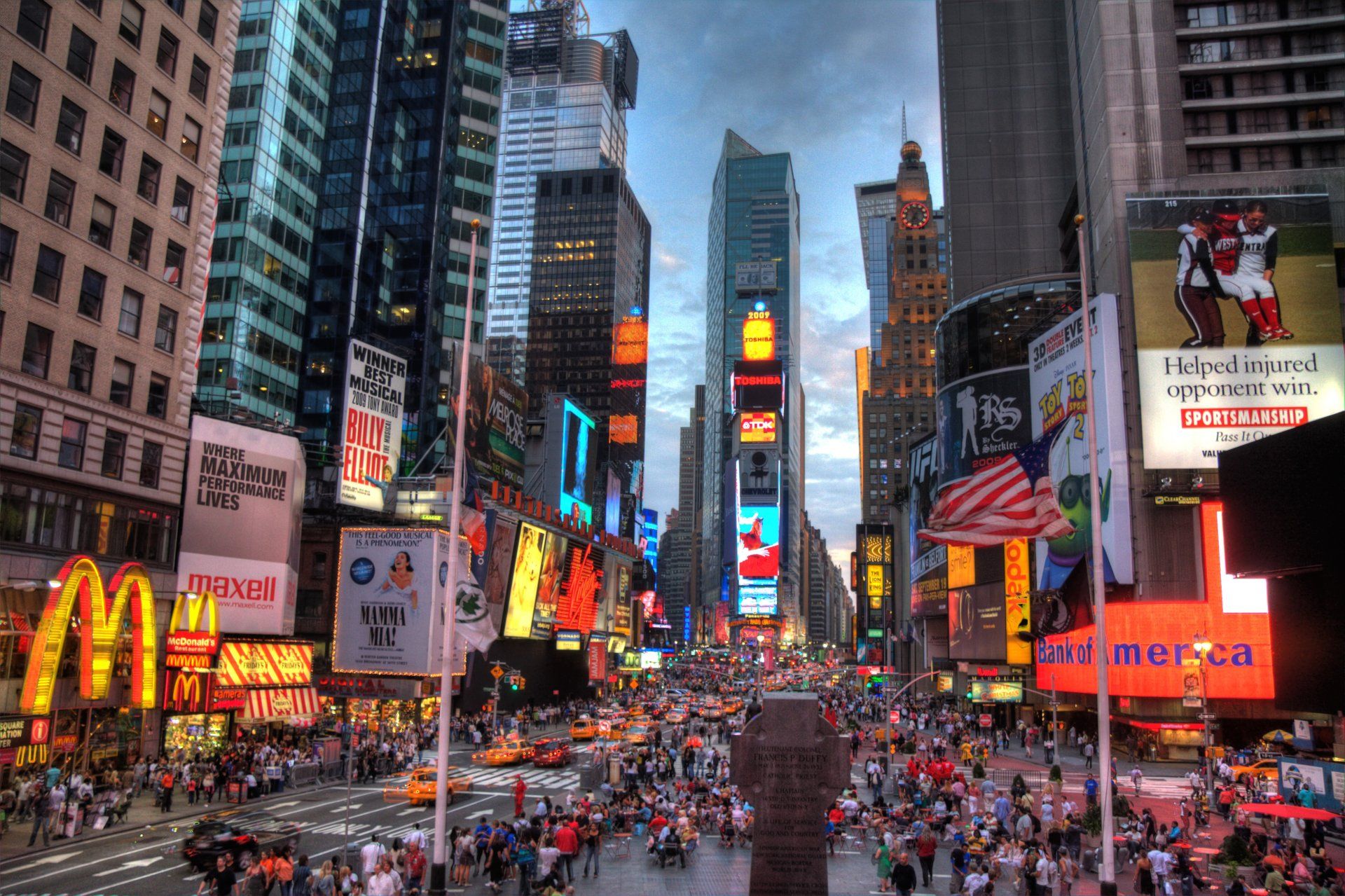
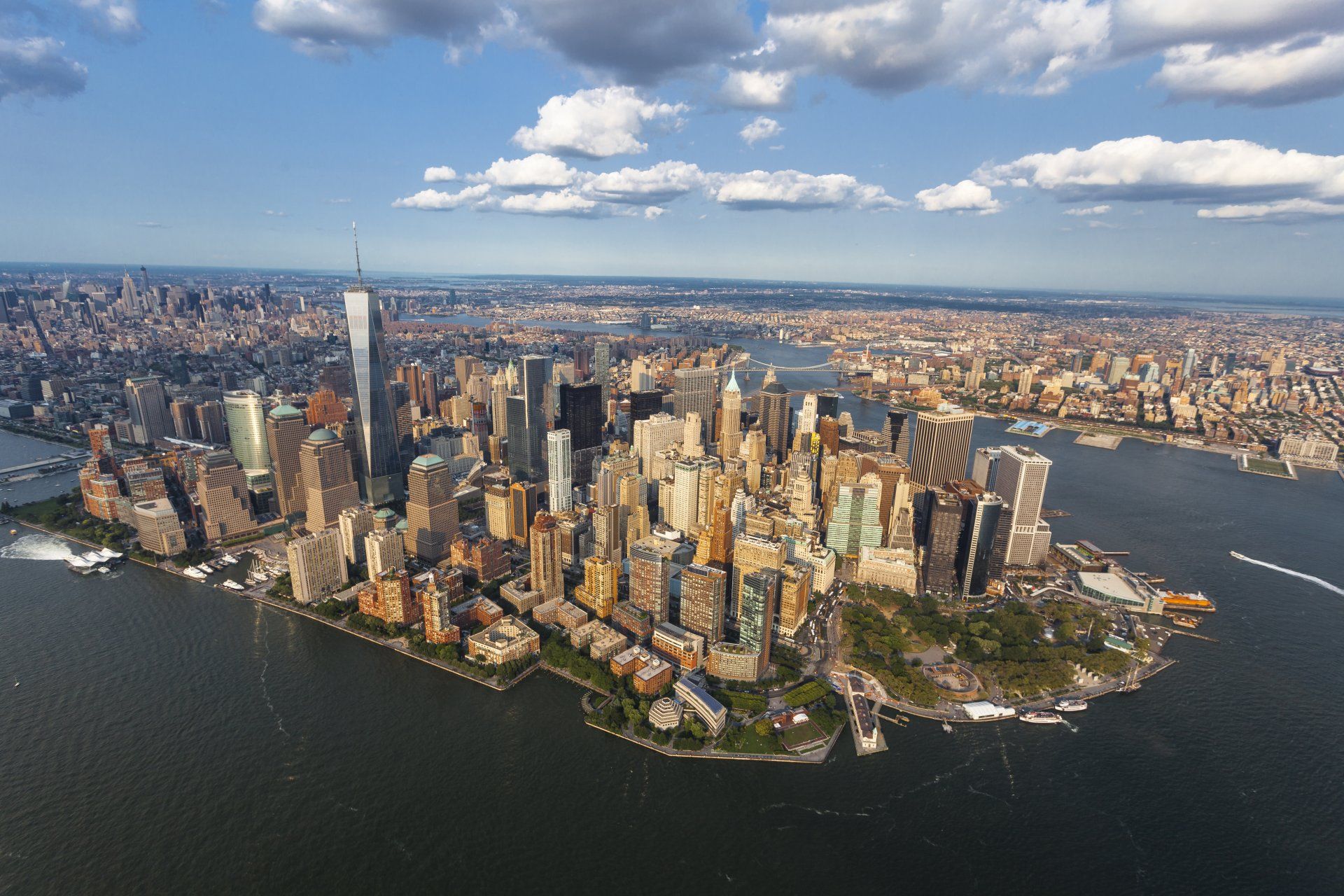
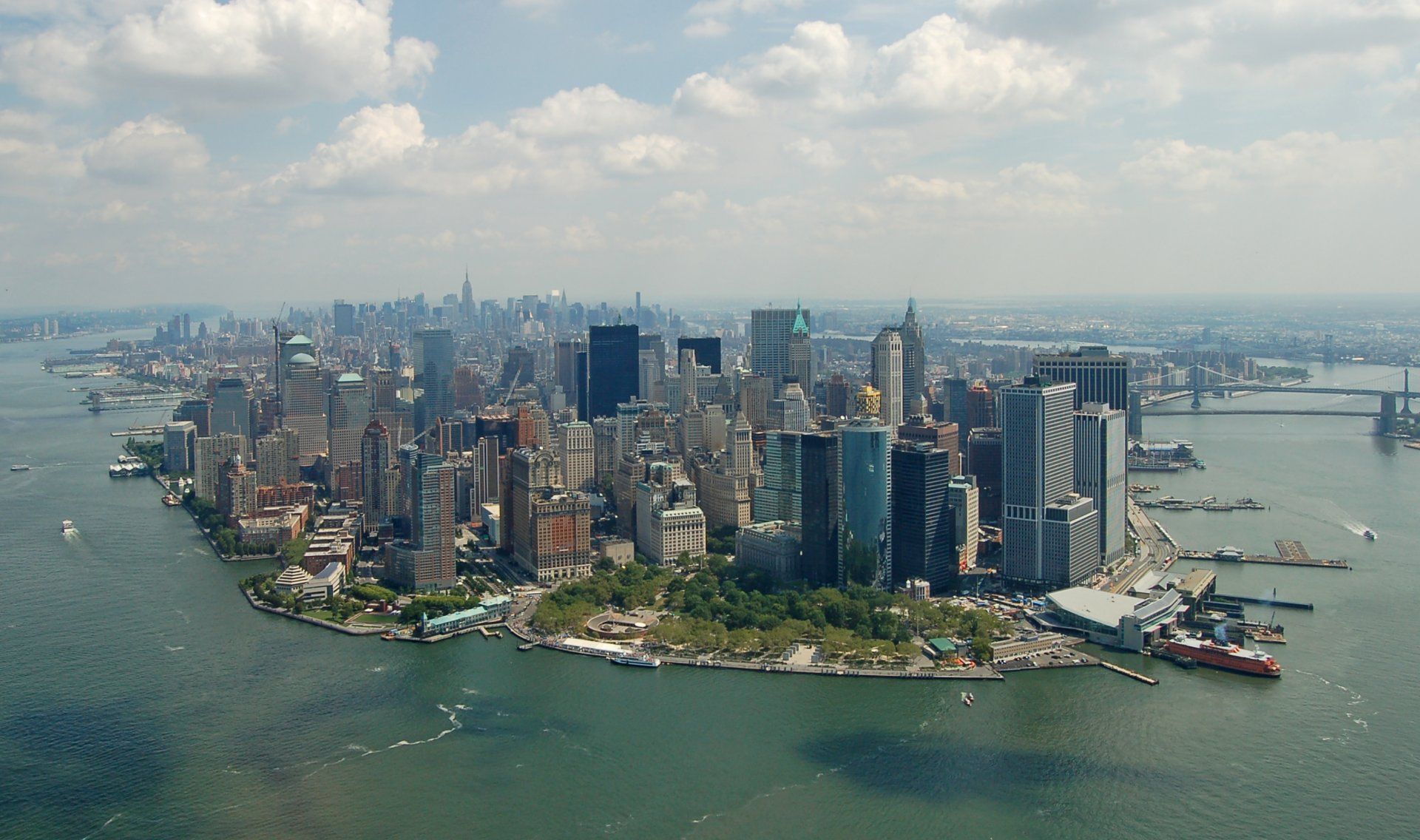
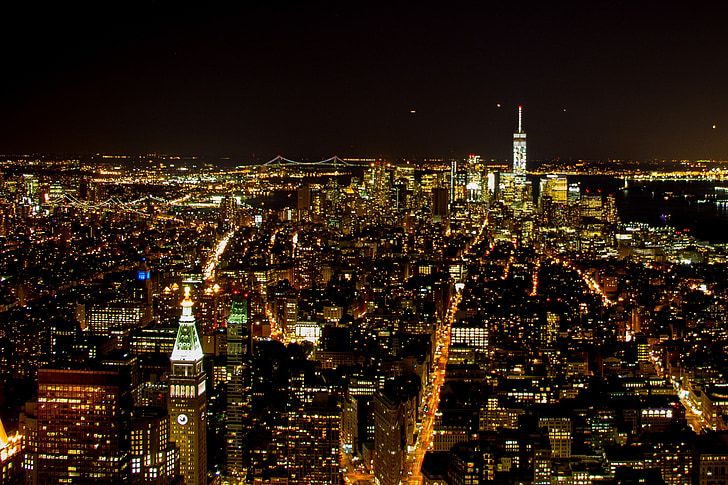
Located at the southern tip of New York State, Manhattan is an island borough with a total area of 22.8 square miles, bounded by the Hudson, East, and Harlem rivers. As the most densely populated borough in New York City, Manhattan is home to over 1.6 million people, making it one of the most densely populated locations in the world. What sets Manhattan apart from neighboring cities is its unique blend of iconic landmarks, diverse economy, and rich cultural heritage. From the bright lights of Times Square to the peaceful green oasis of Central Park, Manhattan offers a unique living experience that is hard to find anywhere else. The borough is also home to some of the world's most prestigious educational institutions, including Columbia University and New York University, making it an attractive destination for students and young professionals. With its comprehensive subway system and major transportation hubs like Grand Central Terminal and New York Penn Station, Manhattan is easily accessible from all parts of the city. Whether you're interested in the trendy Soho neighborhood NYC or the charming Greenwich Village neighborhood, Manhattan has something to offer for everyone, making it an exciting and dynamic place to live, work, and invest.
Welcome to Manhattan
Things to Do
Dining
Manhattan offers a diverse range of dining options, from fine dining establishments to casual eateries. The Greenwich Village neighborhood is known for its vibrant food scene, with a variety of restaurants serving everything from classic Italian cuisine to modern American fare. For a taste of the city's iconic dishes, head to Katz's Delicatessen or Carnegie Deli, where you can indulge in pastrami sandwiches and matzo ball soup. If you're looking for a unique dining experience, try Carbone in the Soho neighborhood NYC, which serves retro Italian-American cuisine in an over-the-top setting.
Outdoor Recreation
Despite its urban landscape, Manhattan has plenty of green spaces to enjoy the outdoors. Central Park is a must-visit, with its walking paths, lakes, and plenty of picnic areas. The park is also home to several playgrounds, a zoo, and the Central Park Conservatory Garden. For a more laid-back atmosphere, head to Washington Square Park in the Greenwich Village neighborhood, which features a famous arch, walking paths, and plenty of people-watching opportunities.
Arts & Culture
Manhattan is a hub for arts and culture, with a plethora of museums, galleries, and performance venues. The Metropolitan Museum of Art is one of the world's largest and most renowned museums, with a collection that spans over 5,000 years of human history. For a dose of modern art, head to the Museum of Modern Art (MoMA), which features an impressive collection of works by artists such as Van Gogh, Picasso, and Warhol. The Broadway theater district is home to dozens of theaters, hosting productions ranging from classic musicals to cutting-edge dramas.
Family Activities
Manhattan is a great destination for families, with plenty of activities to keep kids of all ages entertained. The American Museum of Natural History is a must-visit, with its dinosaur exhibits, giant blue whale, and interactive displays. For a fun day out, head to Times Square, where you can catch a family-friendly show, grab a bite to eat at one of the many restaurants, or simply take in the bright lights and bustling energy of the area. In the winter, ice skating at Rockefeller Center or Bryant Park is a classic Manhattan experience.
Latest Properties in Manhattan
Loading latest properties...
History
A Brief History of Manhattan: From Lenape Settlement to Modern Metropolis
Manhattan, one of the most densely populated boroughs in New York City, has a rich and diverse history that spans centuries. The island of Manhattan, originally inhabited by the Lenape people, was first settled by the Dutch in 1624 as New Amsterdam. Peter Minuit, the director-general of the Dutch West India Company, oversaw the establishment of the colony and negotiated the acquisition of Manhattan from the Lenape representatives in 1626 for approximately 60 guilders. This early settlement marked the beginning of Manhattan's transformation into a commercial powerhouse, leveraging its natural harbor and fostering innovations in vertical urbanism.
Over time, Manhattan evolved into a global hub for finance, media, art, and fashion, with iconic districts like Wall Street and Times Square driving the city's economic output. The borough's unique blend of cultural institutions, such as the Metropolitan Museum of Art and Broadway theaters, has cemented its role as a global hub for intellectual and performative arts. Today, neighborhoods like the soho neighborhood new york and greenwich village neighborhood are highly sought after for their vibrant atmosphere and historic charm.
The postwar housing boom and subsequent urban development have shaped the character of Manhattan's neighborhoods, with areas like the Upper East Side and Upper West Side becoming popular destinations for families and professionals. The soho neighborhood nyc has also undergone significant transformation, with its historic cast-iron buildings and trendy boutiques making it a hub for artists and creatives. As the borough continues to grow and evolve, its rich history and cultural heritage remain an integral part of its identity, making Manhattan a unique and exciting place to live, work, and visit.
Weather
Manhattan's Climate Overview
Manhattan has a humid subtropical climate, characterized by hot summers and cold winters. The borough's proximity to the Atlantic Ocean and its coastal location moderate its climate, with the ocean helping to regulate temperatures throughout the year. During the summer months, temperatures in Manhattan typically range from the mid-70s to the mid-90s (°F), with average highs often reaching the upper 80s. In contrast, winter temperatures can drop to as low as the mid-20s, with average highs in the mid-40s.
Precipitation in Manhattan is fairly evenly distributed throughout the year, with an average of around 40-50 inches of rainfall. The borough's coastal location also makes it prone to nor'easters, powerful storms that can bring heavy rain and strong winds. The influence of the ocean helps to mitigate extreme temperature fluctuations, but it can also contribute to increased humidity during the summer months. For residents of areas like the soho neighborhood new york, understanding these weather patterns is essential for making informed decisions about outdoor living and maintenance.
The weather in Manhattan has a significant impact on real estate considerations, particularly when it comes to heating and cooling costs. Buildings in the borough are often designed with energy efficiency in mind, incorporating features like insulation and double-glazed windows to minimize heat loss and gain. Additionally, the need for seasonal maintenance, such as winterizing pipes and preparing roofs for heavy snowfall, is an important consideration for homeowners and property managers. As a result, it's essential for residents and investors to factor in the borough's climate when making decisions about properties in areas like the greenwich village neighborhood.
Manhattan Market Analytics
Manhattan Home Value Index over time.
Can I Afford Manhattan?
Weather