
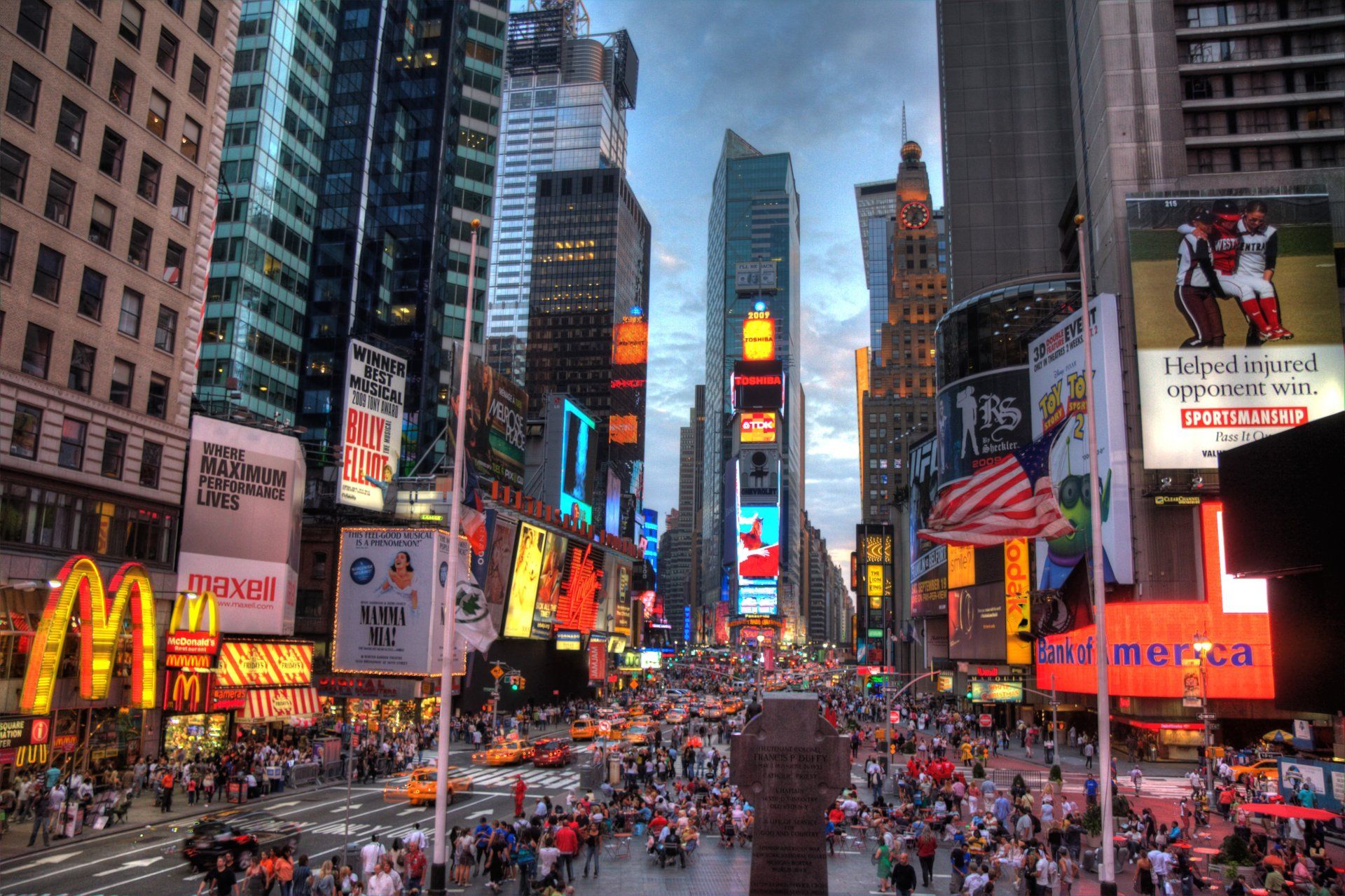
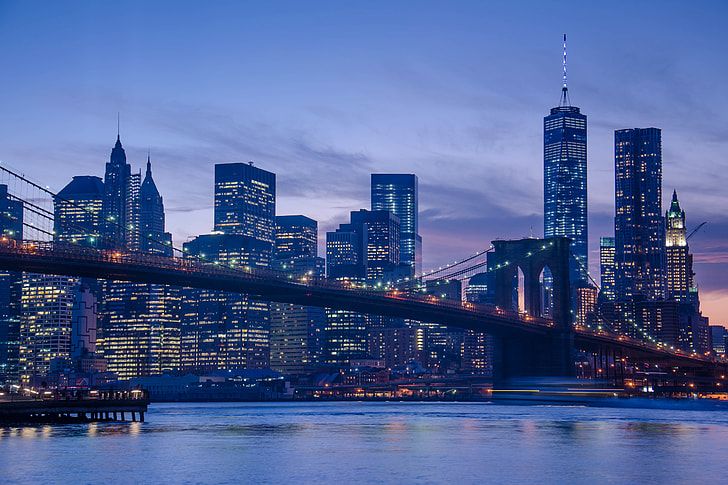
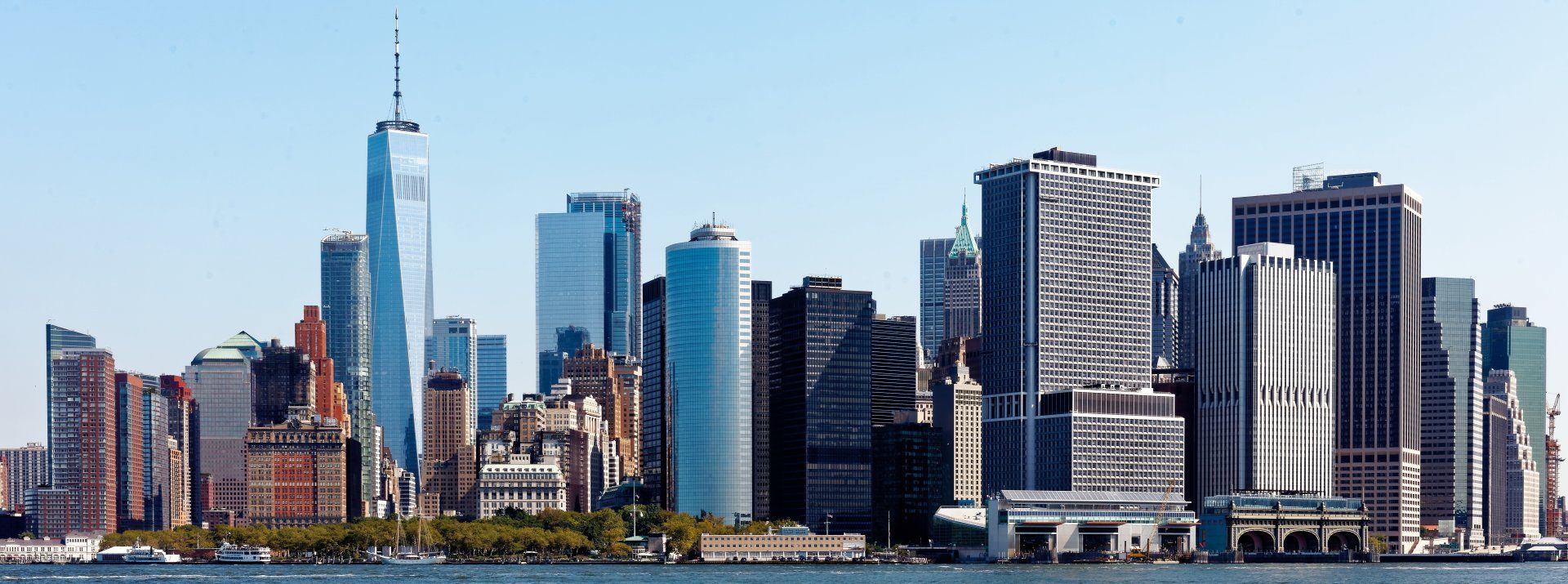
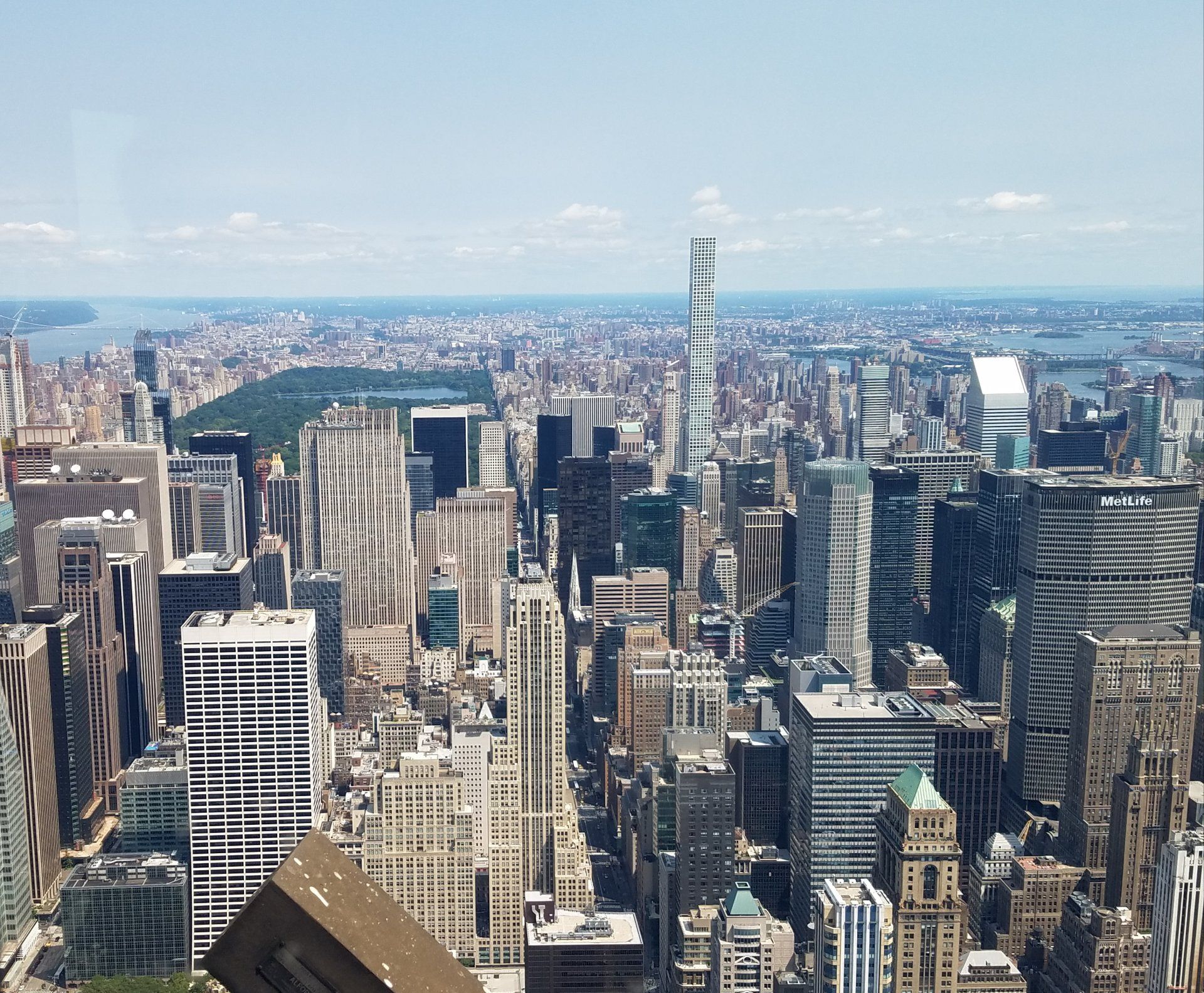
Settled by Dutch colonists in 1624 and formally named New Amsterdam two years later, Manhattan is one of the most consequential pieces of land in the world — a 22.8-square-mile island that functions simultaneously as a global financial capital, a cultural epicenter, and one of America's most competitive real estate markets. Coextensive with New York County, Manhattan is bounded by the Hudson River to the west, the East River to the east, and the Harlem River to the north, setting it physically apart from Brooklyn, Queens, the Bronx, and Staten Island in ways that go far beyond geography. No other borough concentrates this density of economic power, cultural institutions, and transit infrastructure in such a compact footprint. Central Park anchors the borough's middle, offering 843 acres of green space in a city that otherwise builds relentlessly upward, while New York Penn Station — the busiest transportation hub in the Western Hemisphere — connects residents to the broader region within minutes. For those considering living in Manhattan, NY, the borough's unmatched combination of career opportunity, architectural legacy, and neighborhood diversity makes it a place where the case for investment only strengthens with time.
Welcome to Manhattan
Community Profile
Few places on earth pack as much ambition, culture, and opportunity into a single square mile — let alone the 28,653 residents per square mile that define Manhattan's extraordinary urban density. Home to 1,694,263 people across its 23 square miles, this island borough is one of the most dynamic residential markets in the world, drawing professionals, creatives, and families who want to live at the very center of global commerce and culture. Whether you're drawn to a loft in the SoHo neighborhood of NYC, a brownstone on the Upper West Side, or a sleek high-rise overlooking Central Park, the variety of housing options here is genuinely unmatched.
Manhattan's residents skew highly educated — college attainment runs well above the national figure of roughly 33% — reflecting the borough's concentration of world-class universities, hospitals, financial institutions, and media companies. The workforce is overwhelmingly professional, and the density of employers means that many residents enjoy remarkably short commutes by foot or subway. For buyers weighing lifestyle against investment, Manhattan's property values have historically outpaced national benchmarks by a wide margin, with the national median home value sitting near $330,000 compared to Manhattan's dramatically higher tier — a testament to the borough's enduring desirability. As part of the broader New York–Newark–Jersey City metro area, the largest in the country, Manhattan offers connectivity and cultural richness that simply cannot be replicated elsewhere.
Things to Do
Arts & Culture
Manhattan is one of the great cultural capitals of the world, and its institutions are as iconic as the skyline itself. The Metropolitan Museum of Art on Fifth Avenue spans more than two million works across 5,000 years of human history — plan a full day, because you'll need it. Just steps away, Museum Mile stretches along the eastern edge of Central Park, encompassing the Guggenheim Museum, the Museum of the City of New York, and several others. For theater, Broadway remains the gold standard of live performance, with dozens of productions running at any given time from the Theater District around 42nd Street and Eighth Avenue. The Lincoln Center for the Performing Arts on the Upper West Side hosts the New York Philharmonic, the Metropolitan Opera, and the New York City Ballet throughout the year.
Outdoor Recreation
Central Park — 843 acres in the heart of the island — is Manhattan's great equalizer, drawing joggers, cyclists, picnickers, and families every single day of the year. In warmer months, free SummerStage concerts fill the park's Rumsey Playfield with music spanning jazz, hip-hop, and classical. The Hudson River Greenway runs the full length of the west side, offering uninterrupted waterfront cycling and walking with sweeping views of New Jersey and the Palisades. Riverside Park on the Upper West Side and Fort Tryon Park in Washington Heights offer quieter escapes with remarkable views of the Hudson.
Shopping & Dining
Fifth Avenue is one of the world's premier shopping destinations, anchored by flagship stores from luxury brands and department stores like Bergdorf Goodman. The Chelsea Market in the Meatpacking District is a beloved food hall and shopping destination housed in a former factory building. For dining, Manhattan's neighborhoods each carry their own culinary identity — from the dim sum parlors of Chinatown to the acclaimed restaurants of the West Village and Tribeca. Living in Greenwich Village nyc puts you within walking distance of some of the borough's most celebrated independent restaurants and cafés.
Sports & Family Activities
The New York Knicks (NBA) and the New York Rangers (NHL) both call Madison Square Garden home, making it one of the busiest arenas in the country. Families gravitate toward the American Museum of Natural History on the Upper West Side, where the Hall of Ocean Life and the Rose Center for Earth and Space never lose their sense of wonder. The Intrepid Sea, Air & Space Museum on the Hudson River waterfront is another perennial favorite, with a retired aircraft carrier, a space shuttle, and a Cold War-era submarine all open to visitors.
Latest Properties in Manhattan
Loading latest properties...
History
From New Amsterdam to the World's Most Valuable Real Estate
Manhattan's story begins in 1624, when Dutch colonists established a trading post on the southern tip of the island, naming it New Amsterdam in 1626. Two years later, director-general Peter Minuit formalized Dutch control through a purchase from Lenape representatives — the same Lenape people who had inhabited Mannahatta ("the place where we get bows") for centuries, their primary trail running the length of the island along what is now Broadway. In 1664, English forces seized the colony and renamed it New York, and by 1785, Lower Manhattan briefly served as the capital of the newly formed United States.
The 19th century transformed the island's geography into its modern grid. The Commissioners' Plan of 1811 imposed the numbered street layout that still governs real estate addresses today, while the opening of the Erie Canal in 1825 cemented New York Harbor's dominance as a commercial gateway. Waves of immigration through the late 1800s and early 1900s shaped distinct neighborhoods — the Lower East Side, Chinatown, Harlem — whose cultural identities continue to influence property values and demand. The Harlem Renaissance of the 1920s elevated Upper Manhattan's cultural prestige, and the Stonewall uprising of 1969 in Greenwich Village anchored that neighborhood's identity so deeply that living in Greenwich Village NYC carries a cultural cachet that directly sustains its premium real estate market today.
The rebuilding of Lower Manhattan after September 11, 2001, triggered one of the borough's most dramatic residential conversions, turning a financial district into a round-the-clock neighborhood. Each era of Manhattan's history has left a physical imprint — and a price tag to match.
Weather
Manhattan's Climate: Four Distinct Seasons in the Heart of the City
Manhattan experiences a humid subtropical climate — technically straddling the boundary with humid continental — shaped by its position along the northeastern Atlantic seaboard. The borough sits at roughly 40.7° north latitude, surrounded by water on three sides, which moderates temperature extremes while contributing to humidity and occasional dramatic weather events throughout the year.
Summers are warm and muggy, with daytime highs typically reaching the mid-to-upper 80s°F and overnight lows settling in the low-to-mid 60s°F. Winters are cold but not severe by northeastern standards, with average highs in the mid-30s to low 40s°F and lows frequently dipping into the upper 20s°F. Snow is a regular winter feature, though accumulations vary considerably from year to year. Spring and autumn are genuinely pleasant — arguably Manhattan's finest seasons — with mild temperatures, lower humidity, and vivid foliage in parks like Central Park.
Precipitation is fairly evenly distributed across all four seasons, averaging around 50 inches annually. The surrounding harbor and rivers amplify humidity in summer and can intensify coastal storms, including the occasional nor'easter that brings heavy snow or rain.
For those considering living in Manhattan, NY, these climate realities translate directly into real estate decisions. Rooftop terraces and outdoor spaces command significant premiums, given the limited months of comfortable outdoor living. Heating costs in older pre-war buildings can be substantial, air conditioning is essential for summer comfort, and seasonal maintenance — from weatherproofing windows to managing flat-roof drainage — is a consistent ownership consideration.
Manhattan Market Analytics
Manhattan's typical home value just crossed $1.24 million, up a healthy 3.2% year over year, and with homes selling at about 98% of asking price, this is a market that's finding its balance rather than swinging to extremes. Buyers are gaining a bit more breathing room as inventory builds and days to pending stretch toward 91, while sellers who price realistically are still closing deals, so it's less a bidding-war frenzy and more a thoughtful, negotiable market. Whether you're listing or looking, Opulist can help you read these signals and make your move with confidence.
Manhattan Home Value Index over time.
Can I Afford Manhattan?
Weather