
Maplewood, Missouri

Location:
Maplewood, MO

Welcome to Maplewood

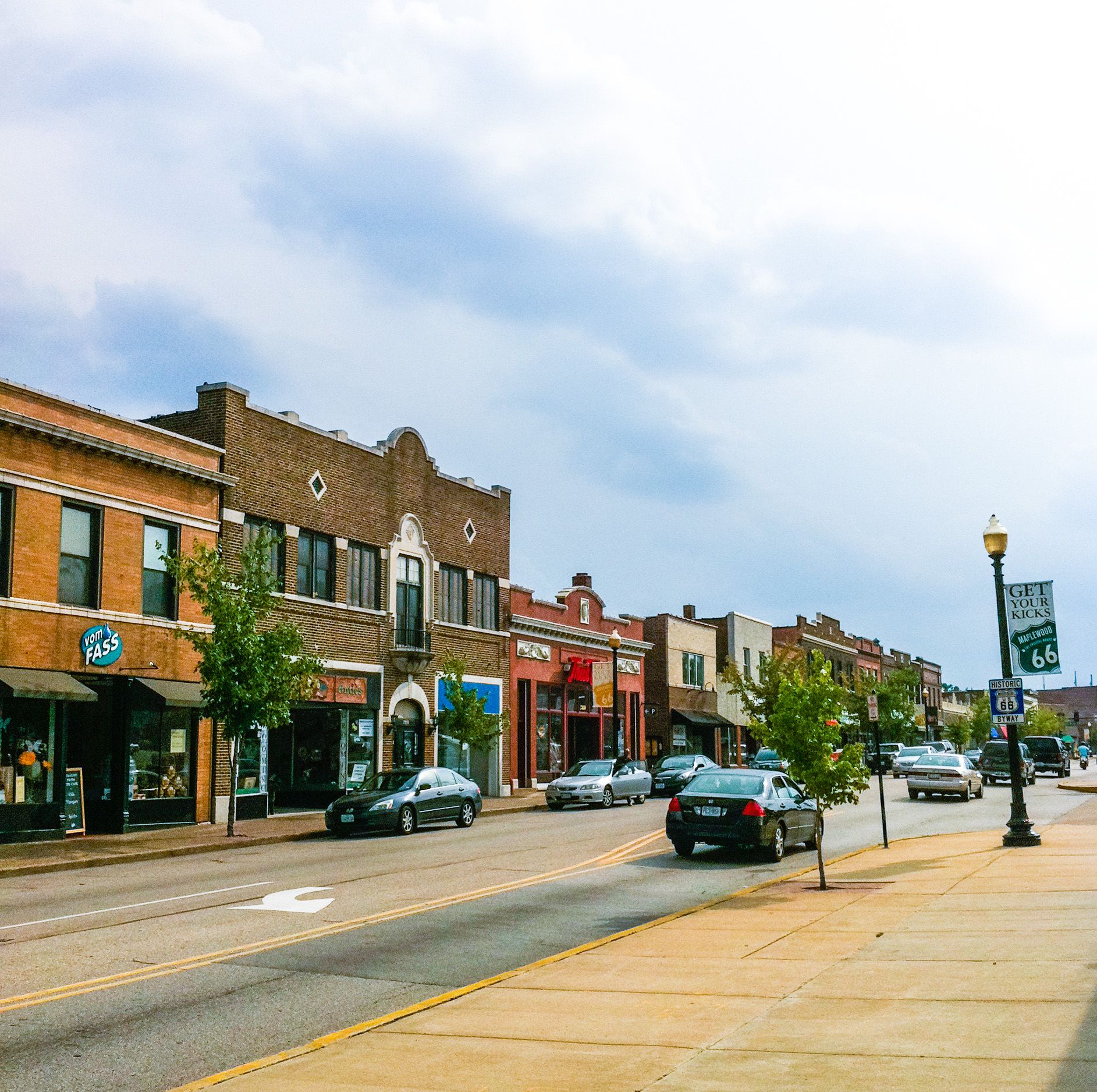
Bordered by the city of St. Louis to the east and situated entirely within St. Louis County, Maplewood, Missouri is an independent municipality with a character that sets it apart from the sprawling suburbs farther west along Manchester Road. The city's Maplewood Commercial Historic District at Manchester and Sutton — listed on the National Register of Historic Places — anchors a walkable main street corridor that larger neighboring communities like Brentwood and Richmond Heights simply cannot replicate. Where many inner-ring suburbs have struggled to maintain street-level energy, Maplewood has cultivated a distinct identity built around locally owned businesses, early 20th-century brick architecture, and compact, tree-lined residential blocks that reward walking over driving.

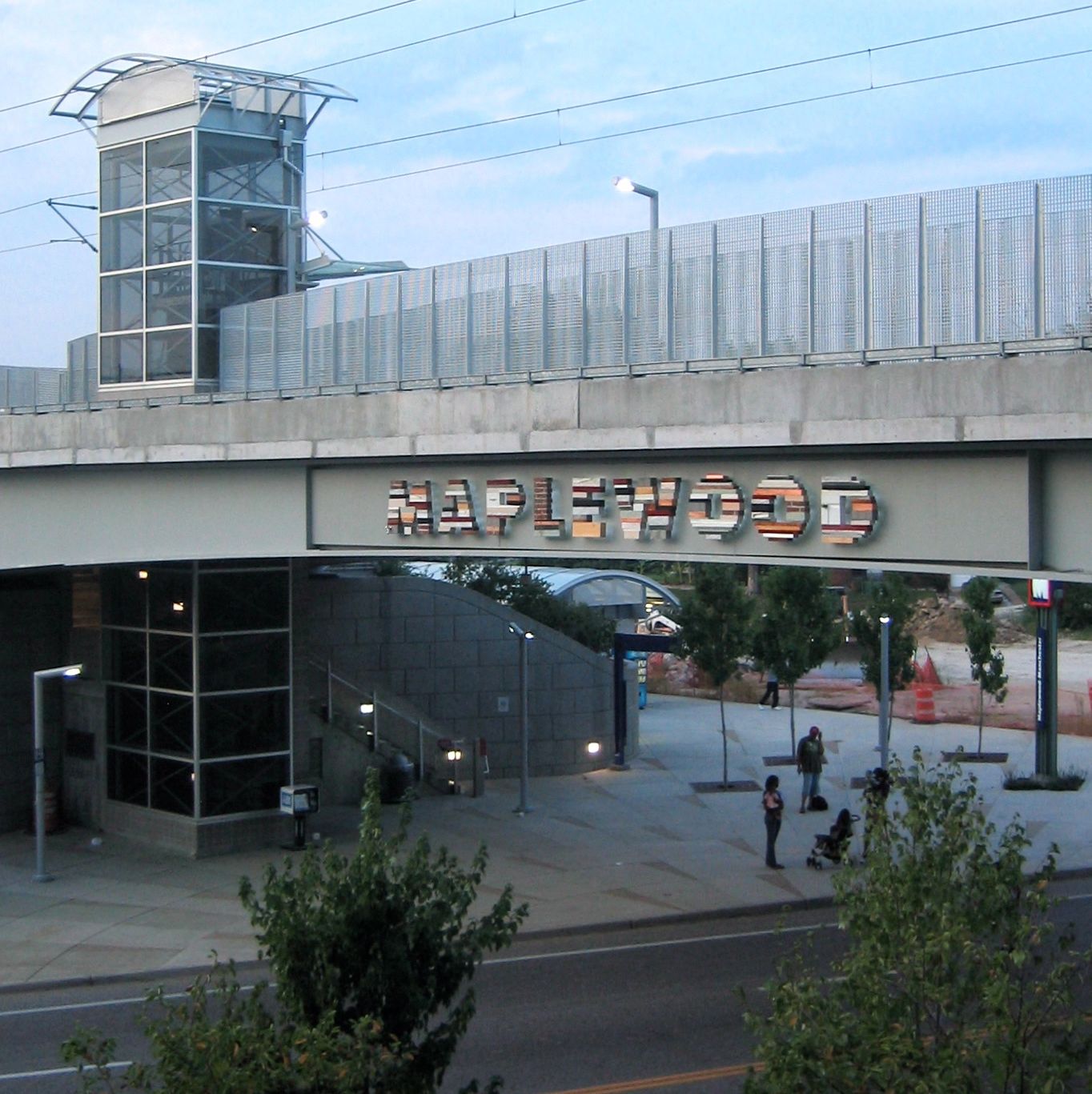
Residents benefit from access to Metro transit connections along the Manchester corridor, making car-free commuting into St. Louis a genuine option — a practical advantage that distinguishes Maplewood from most of its St. Louis County neighbors. The city falls within the Maplewood-Richmond Heights School District, which serves this tight-knit community with a focused, neighborhood-scale approach to public education.

For buyers and investors who want proximity to St. Louis without sacrificing neighborhood identity, Maplewood offers an increasingly compelling case — one that only grows stronger as demand for walkable, historically rooted urban living continues to rise.


Community Profile

Energetic, educated, and remarkably affordable, Maplewood punches well above its weight for a community of just over 8,000 residents. The median age of 33.8 years — meaningfully younger than the national median of 38.5 — signals a neighborhood in its prime, with a strong concentration of residents in their 20s and 30s driving a lively, forward-looking culture. Nearly 43% of the population falls between ages 20 and 39, making this one of the more youthful inner-ring suburbs in the St. Louis metro.

What's especially striking is the community's intellectual capital. 53.1% of residents hold a bachelor's degree or higher — well above the national rate of roughly 33% — and 22% have earned a graduate degree. That brain trust is productively employed: the unemployment rate sits at a remarkably low 2.0%, with a labor force participation rate of 81.6%. Most residents get to work and back in just 18 minutes on average, a genuine quality-of-life advantage in any metro area.

Housing here remains genuinely accessible. The median home value of $236,373 is well below the national median of around $330,000, and renters benefit from a median monthly rent of just $970 — with rent consuming only 23.6% of income on average, a healthy burden ratio that leaves room to save. With 24.5% of households earning six figures and 62.2% of families bringing in dual incomes, Maplewood's residents are financially active and upwardly mobile — a strong foundation for any neighborhood's long-term vitality.

Things to Do

Dining & Nightlife

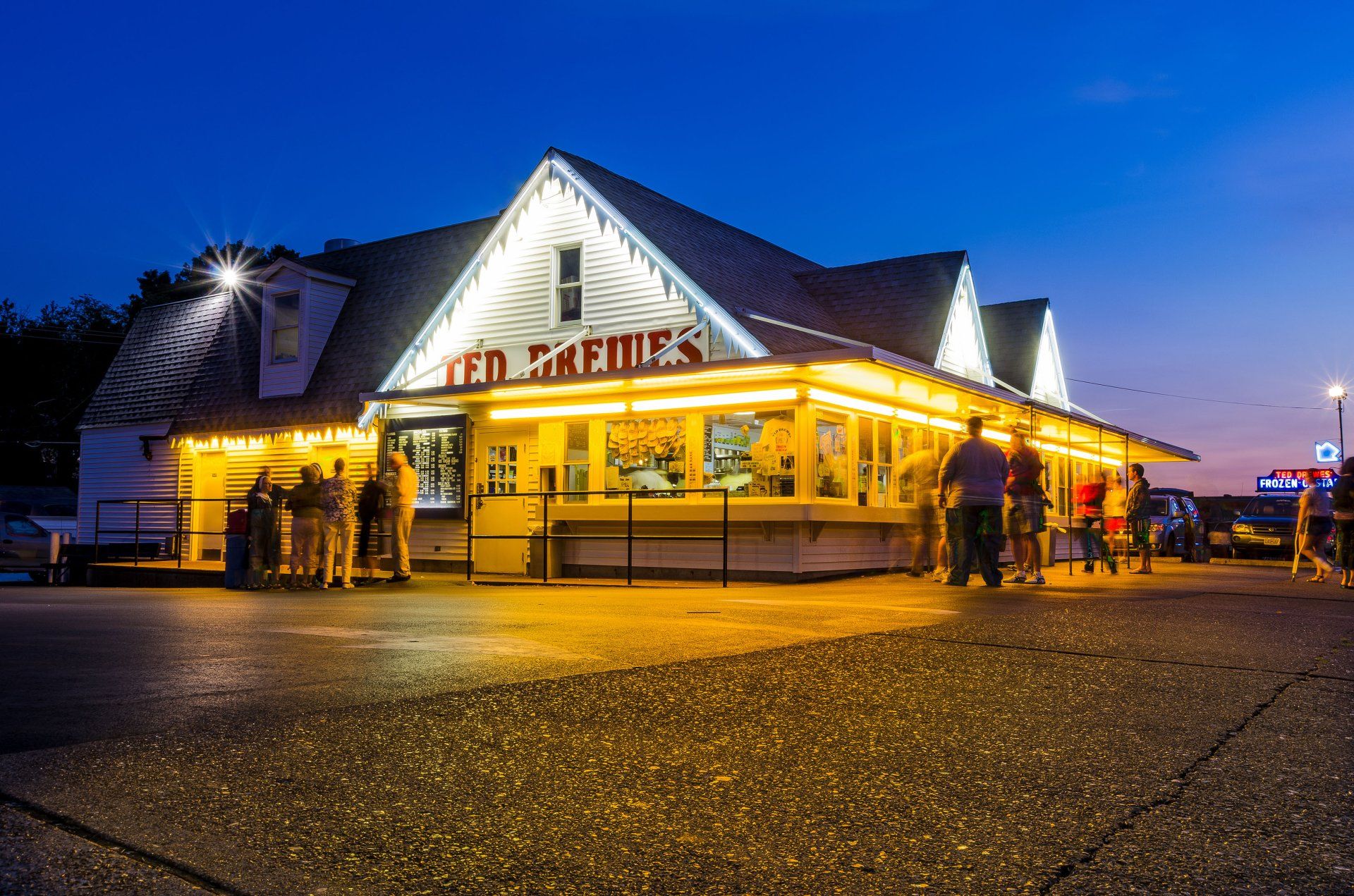
Maplewood's dining scene punches well above its weight for a city of its size. Manchester Road — the city's main commercial spine and part of the historic Maplewood Commercial Historic District listed on the National Register of Historic Places — is lined with an eclectic mix of independent restaurants, craft breweries, and neighborhood bars that draw visitors from across the St. Louis metro. The strip has earned a genuine reputation as one of the region's more vibrant dining corridors, with options ranging from casual gastropubs to globally inspired kitchens. The walkable, human-scaled streetscape makes it easy to hop between spots on a single evening.

Shopping & Local Businesses

The Manchester Road corridor doubles as a destination for independent retail, with locally owned boutiques, vintage shops, and specialty stores giving Maplewood a distinctly non-chain character. The Maplewood Commercial Historic District, centered at Manchester and Sutton, anchors this commercial energy with architecture that reflects the city's early-20th-century roots. Browsing here on a weekend afternoon feels genuinely different from a suburban strip mall — there's real personality baked into the storefronts.

Outdoor Recreation

Maplewood sits just west of St. Louis proper, putting residents within easy reach of Forest Park — one of the largest urban parks in the United States — in under 15 minutes. Closer to home, the city maintains neighborhood green spaces suited for relaxed outdoor time. The broader St. Louis area's extensive trail network along the Missouri and Mississippi rivers is also accessible for cyclists and hikers looking to explore beyond city limits.

Arts & Culture

Maplewood embraces a creative, slightly offbeat civic identity. Local galleries, live music venues, and community events give the city an arts-forward character that complements its dining scene. Halloween on Manchester has become a beloved annual tradition, drawing thousands of costumed revelers to the main street for one of the St. Louis area's most spirited community celebrations.

Family Activities

Families benefit from Maplewood's proximity to world-class St. Louis institutions — the Saint Louis Zoo, Saint Louis Art Museum, and Missouri History Museum, all free to enter, are each a short drive away in Forest Park. Back in Maplewood itself, the tight-knit community atmosphere and walkable streets make everyday life feel genuinely family-friendly.

Latest Properties in Maplewood

Loading...

Loading latest properties...

See All Properties in Maplewood

History

From Streetcar Suburb to Sought-After Address

Maplewood, Missouri has roots stretching back to the late nineteenth century, when the expansion of St. Louis's streetcar network made land just west of the city limits suddenly accessible and attractive. The area was incorporated as a city in 1908, carving out its own municipal identity from unincorporated St. Louis County at a time when dozens of small communities were staking their independence along the region's transit corridors. That early identity — self-governing, compact, and proudly distinct from the larger city it bordered — has never really left.

The commercial spine along Manchester Road developed in tandem with the residential blocks surrounding it, and the Maplewood Commercial Historic District at Manchester and Sutton stands today on the National Register of Historic Places as a testament to that era's architectural ambition. The modest but well-built bungalows, foursquares, and craftsman homes that filled in the surrounding streets during the early twentieth century were designed for working- and middle-class families who wanted homeownership within reach of St. Louis employment — a pattern that still defines the neighborhood's character and its appeal to buyers today.

By the postwar decades, Maplewood had fully matured as a neighborhood, its tree-canopied streets and walkable blocks aging gracefully while surrounding suburbs sprawled outward. That relative stability proved to be an asset. Beginning in the early 2000s, Maplewood experienced a genuine revival, with independent restaurants, bars, and shops reclaiming the Manchester Road corridor and attracting a younger demographic drawn to authentic urban texture without city prices. Today's real estate market reflects that arc directly: historic homes with genuine architectural character, a walkable commercial district, and a tight-knit community identity command consistent buyer interest and strong retention.

Weather

Four Seasons in Full Force

Maplewood, Missouri experiences a humid continental climate, characterized by four distinct seasons with meaningful temperature swings throughout the year. Situated in the St. Louis metropolitan area along the eastern edge of Missouri, the city sits squarely in the heartland's weather corridor — far enough inland to feel the full drama of continental air masses, yet close enough to the Mississippi River valley to experience notable humidity year-round.

Summers are hot and muggy, with daytime highs typically climbing into the upper 80s and frequently touching the low 90s°F, while overnight lows settle in the mid-60s to low 70s. Winters bring genuine cold: average highs in January hover in the mid-30s°F, with lows dipping into the teens and 20s during cold snaps. Spring and fall are transitional and often beautiful, though spring in particular brings the risk of severe thunderstorms and occasional tornado watches common across the region.

Annual precipitation runs roughly 40 inches, distributed fairly evenly across the year with a slight lean toward spring and early summer. Snowfall is a real but modest factor, averaging around 15 inches annually.

For homebuyers, Maplewood's climate has practical implications. Heating and cooling costs are both meaningful expenses — efficient HVAC systems are essential. Older homes in the neighborhood's historic stock should be evaluated for insulation and weatherproofing. On the upside, the region's warm summers and mild shoulder seasons make outdoor living genuinely enjoyable, and Maplewood's tree-lined streets are especially rewarding in spring bloom and autumn color.

Maplewood Market Analytics

The current housing market in Maplewood, Missouri, suggests a relatively stable environment, with the average home value being $259,532, which is down 1.4% over the past year, indicating a slight correction in the market. As a professional real estate market analyst at Opulist, I can see that the market is experiencing a moderate pace, with 6 homes for sale and 4 new listings, which could be an opportunity for buyers to negotiate. Overall, the market seems to be balancing out, making it a good time for potential buyers and sellers to explore their options in Maplewood.


1-Year Home Value Change: -1.4%

Maplewood Home Value Index over time.

Can I Afford Maplewood?
$
%
$0
Est. Monthly Payment
$0/yr
Salary Required

*Principal & interest only. Salary based on 28% debt-to-income ratio.

Get Pre-Approved for Maplewood