
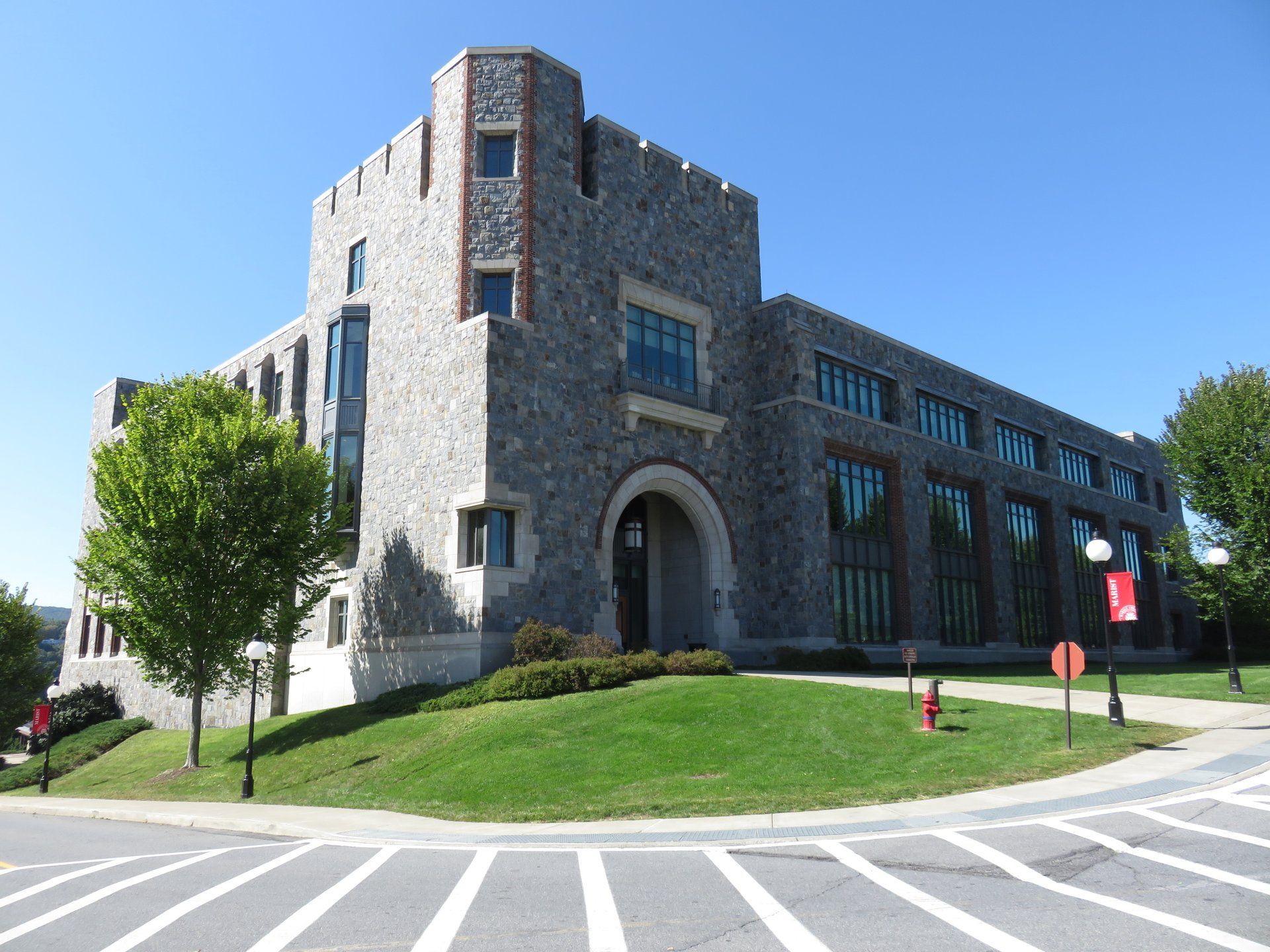
Marist College, New York

Location:
Marist College, NY

Welcome to Marist College

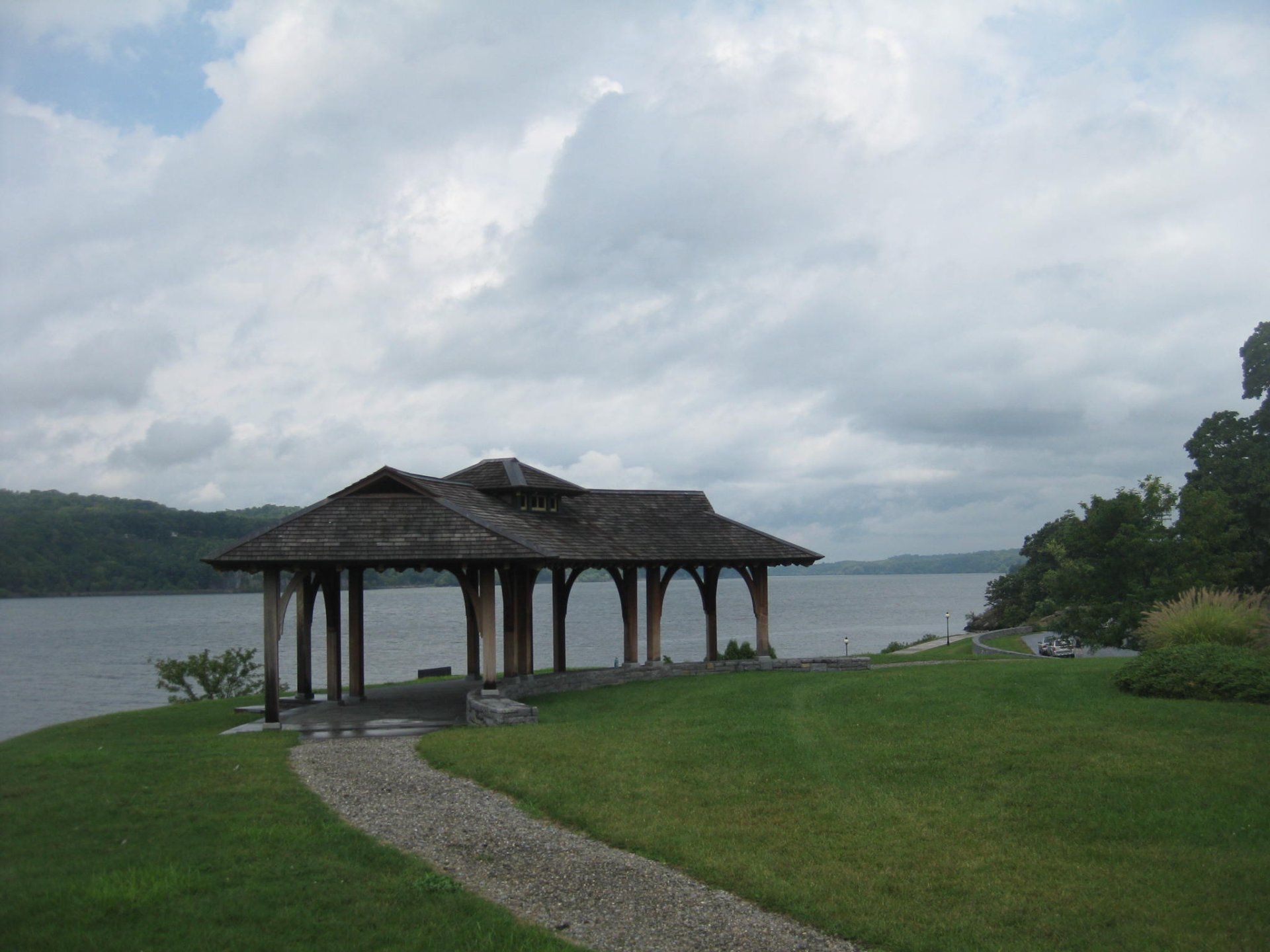
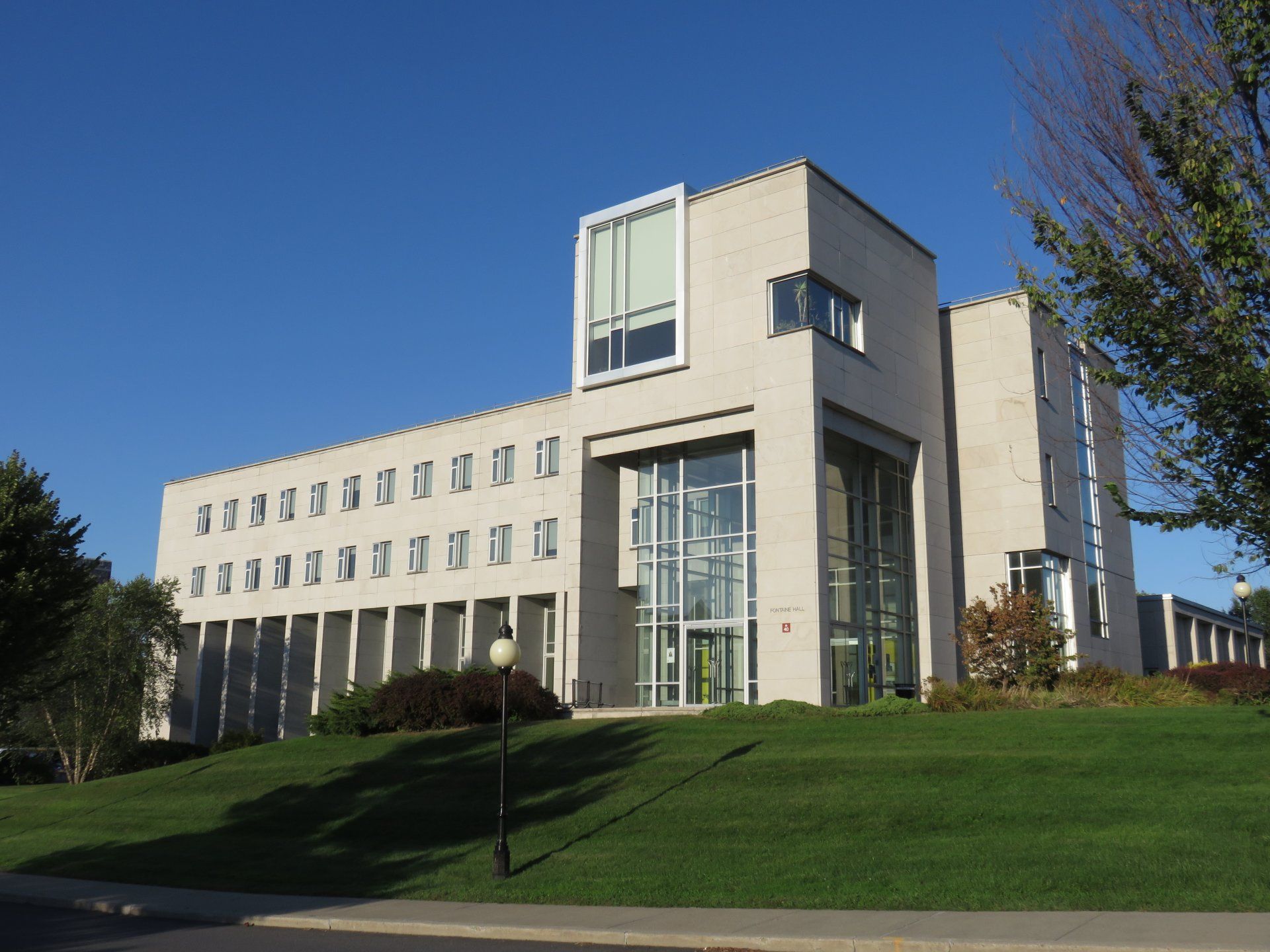
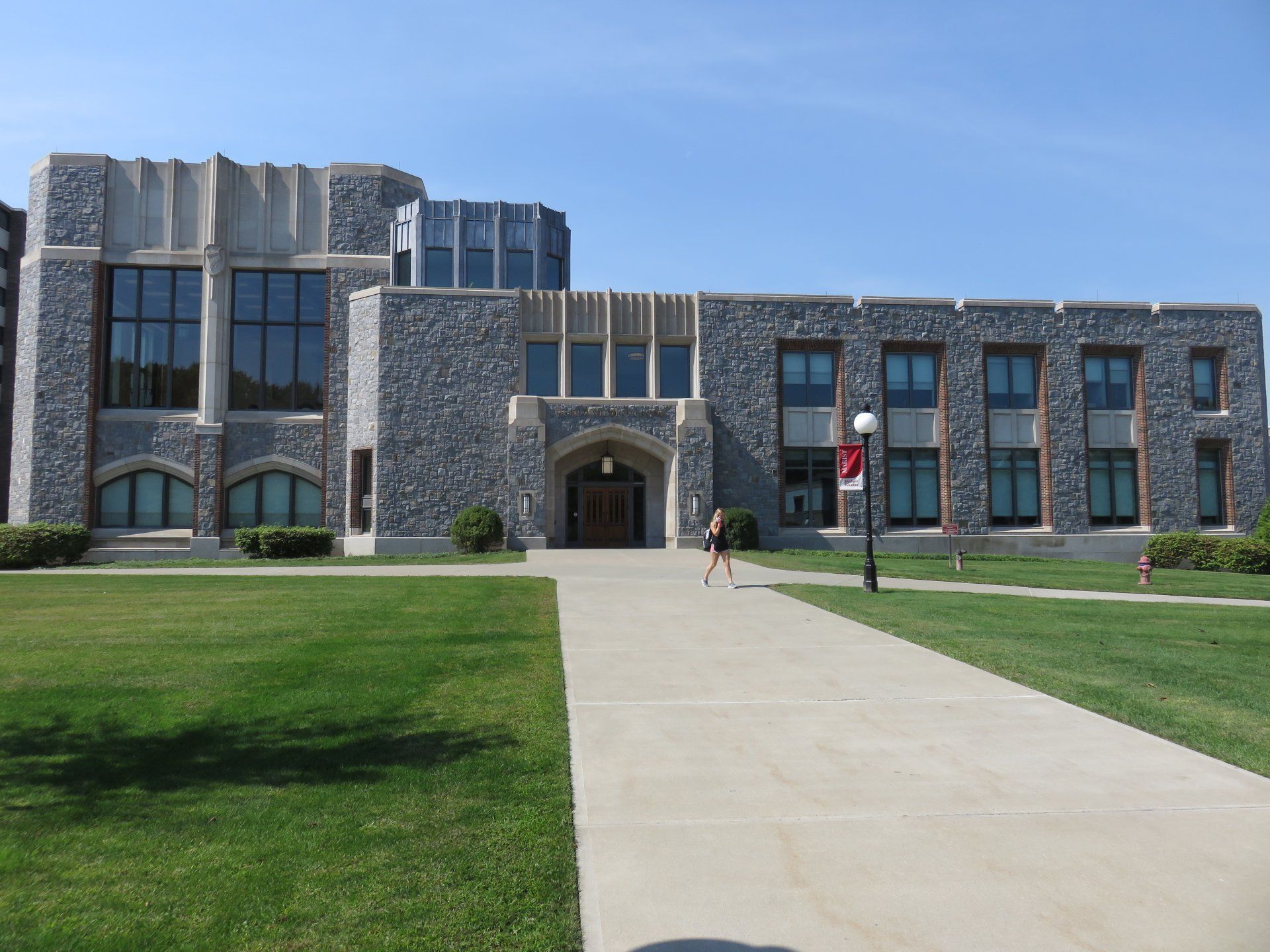
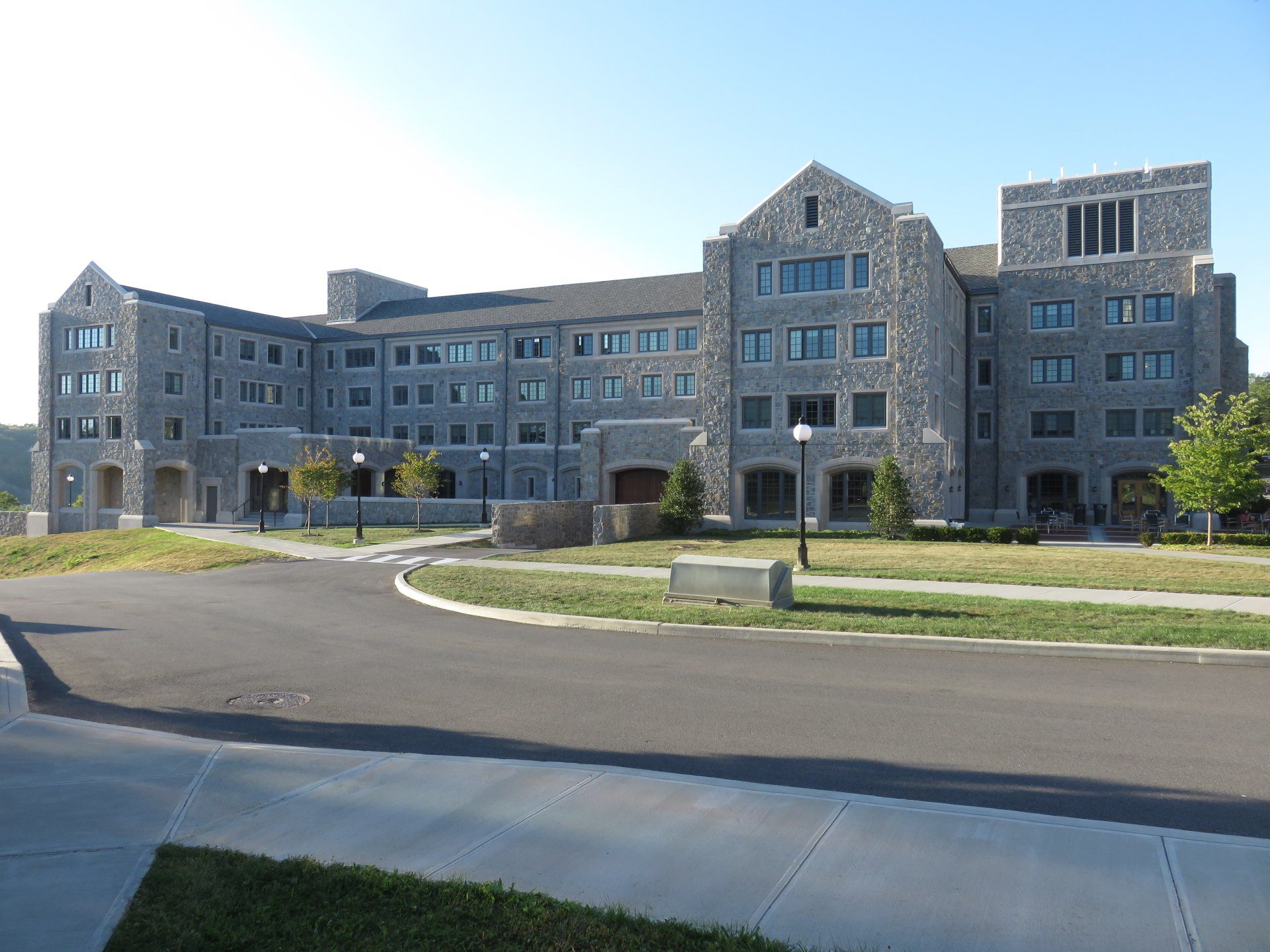
Perched on the east bank of the Hudson River just north of Poughkeepsie, Marist University — known for nearly seven decades as Marist College before its 2025 renaming — anchors one of the most scenically striking institutional campuses in New York State. Founded in 1929 as an accredited institution on a site the Marist Brothers first established in 1905, the university's 180-acre main campus overlooks the Hudson with a sense of permanence and purpose that shapes the entire surrounding area's character.

What sets this corner of Dutchess County apart from neighboring Poughkeepsie proper or the quieter stretches of Hyde Park to the north is the energy that a Division I university brings: a steady calendar of athletic events featuring the Red Foxes, public lectures, arts programming, and a population of students, faculty, and staff that sustains local demand for housing year-round. The nearby Metro-North rail connection at Poughkeepsie Station links residents to New York City in roughly 90 minutes, making the area genuinely practical for commuters who want Hudson Valley space without sacrificing access.

For home buyers and investors alike, the combination of riverfront beauty, institutional stability, and improving regional infrastructure makes the Marist University corridor a compelling place to put down roots — or put capital to work — for the long term.


Community Profile

Defined by its youth and energy, this census-designated place along the Hudson River in Dutchess County is essentially a community unto itself — one built around the rhythms of academic life at Marist College. With a median age of just 19.9 years and a population of 2,564, the demographic profile here is unlike virtually anywhere else in the region: nearly all residents fall between the ages of 10 and 29, reflecting a student body that brings constant vitality, diversity, and intellectual curiosity to the area.

That diversity is one of the community's genuine strengths. Residents identify across a wide spectrum of backgrounds — 66.9% White, 12.3% Black, 10.5% Hispanic or Latino, 6% Asian, and 7.2% two or more races — making this one of the more multicultural pockets in the Hudson Valley. The uninsured rate of just 1.5% speaks to strong institutional support for residents' well-being, a hallmark of a well-resourced campus environment. For those who do work, the average commute of only 13.6 minutes is a practical advantage, well below national norms. Prospective homebuyers drawn to the surrounding Poughkeepsie area will find that proximity to Marist brings walkable energy, cultural programming, and a steady stream of community events — all the hallmarks of a neighborhood with a pulse.

Things to Do

Outdoor Recreation

Marist University's 180-acre campus sits directly on the eastern bank of the Hudson River, making it one of the most scenic college settings in the Northeast. Students and visitors can enjoy the Hudson River Walk, a paved riverside path that runs along the campus waterfront and connects to the broader Hudson River Greenway trail system. Just a short drive north lies Norrie Point Environmental Center within Mills-Norrie State Park, where kayaking, hiking, and birdwatching draw outdoor enthusiasts year-round. The nearby Walkway Over the Hudson — the world's longest elevated pedestrian bridge — spans the river at Poughkeepsie and offers breathtaking panoramic views, particularly stunning during fall foliage season.

Dining & Shopping

The surrounding Poughkeepsie area offers a diverse dining scene within minutes of campus. Main Street in Poughkeepsie and the nearby Poughkeepsie Galleria mall provide shopping, casual dining, and everyday essentials. The Poughkeepsie Train Station area has seen renewed development, with local eateries and cafés catering to students and commuters alike. For a more curated experience, the charming village of Rhinebeck — about 15 miles north — is packed with boutique shops, farm-to-table restaurants, and a beloved weekend farmers market.

Arts & Culture

The Hudson Valley is one of New York's richest cultural corridors, and Marist sits squarely within it. The Frances Lehman Loeb Art Center at Vassar College, just minutes away, houses an impressive permanent collection spanning centuries. The Mid-Hudson Children's Museum and the Bardavon 1869 Opera House — one of the oldest continuously operating theaters in the United States — anchor Poughkeepsie's cultural life. Historic estates like Springwood, Franklin D. Roosevelt's home in Hyde Park, and the Vanderbilt Mansion National Historic Site are both within a 10-mile drive and offer fascinating windows into American history.

Sports & Campus Recreation

As an NCAA Division I program, Marist fields 23 varsity sports, and attending a Red Foxes game — whether basketball at the McCann Center or rowing on the Hudson — is a quintessential campus experience. The James J. McCann Recreation Center provides fitness facilities open to the broader campus community. Seasonally, the Hudson Valley hosts minor league baseball at Dutchess Stadium in Wappingers Falls, home of the Hudson Valley Renegades, just a short drive from campus.

Latest Properties in Marist College

Loading...

Loading latest properties...

See All Properties in Marist College

History

From Hermitage to University: Marist's Century of Growth Along the Hudson

What is now Marist University began not as a traditional college but as a religious house of studies. In 1905, the Marist Brothers — a Catholic teaching order founded in France by Saint Marcellin Champagnat in 1816 — arrived on the east bank of the Hudson River just north of Poughkeepsie, purchasing property from Thomas McPherson and naming it Saint Ann's Hermitage. Their mission was straightforward: train young men for lives of study, work, prayer, and service. In 1908, they expanded by acquiring the adjacent Edward Bech estate, bringing the property to 150 acres.

By 1929, the hermitage had evolved into the Marist Normal Training School, offering college-level courses under Fordham University's auspices. New York State granted an official four-year charter in 1946 under the name Marian College. Under the young and energetic Brother Linus Richard Foy — who became college president in 1958 at just 28, the youngest in the country — the institution renamed itself Marist College in 1960 and opened its doors to lay male students, then to women by 1968. In 2025, it formally became Marist University.

The physical campus grew dramatically under president Dennis J. Murray, who took office in 1979 and oversaw the expansion to the current 180-acre footprint, along with a landmark partnership with IBM in 1984. That corporate relationship helped anchor Marist's identity as a technology-forward institution and deepened its ties to the broader Mid-Hudson Valley economy. Today, the university's presence along the river shapes surrounding real estate demand considerably — the neighborhoods flanking campus attract faculty, graduate students, and staff seeking walkable proximity to one of the region's most prominent employers and cultural anchors.

Weather

Climate and Weather at Marist University

Marist University's campus sits along the eastern bank of the Hudson River in Poughkeepsie, placing it squarely within a humid continental climate — a pattern defined by four distinct seasons, meaningful temperature swings, and year-round precipitation. The Hudson Valley's geography shapes local weather in notable ways: the river corridor moderates temperature extremes somewhat, while the surrounding Catskill and Hudson Highlands terrain can funnel storms and amplify snowfall totals during winter nor'easters.

Summers are warm and humid, with daytime highs typically ranging from the mid-80s°F and overnight lows settling into the mid-60s. Winters are cold and snowy, with January highs averaging in the low-to-mid 30s°F and lows frequently dipping into the teens and 20s. Spring and fall are genuinely beautiful seasons in the Hudson Valley — crisp, colorful, and mild — which is part of what makes the region so appealing to homebuyers.

Annual precipitation is fairly evenly distributed throughout the year, averaging roughly 45 inches, with winter snowfall commonly reaching 30 to 40 inches or more in heavier years. Ice storms and freeze-thaw cycles are a real consideration for property owners, as they can stress roofing, gutters, driveways, and foundations over time.

For real estate purposes, buyers should budget for meaningful heating costs from November through March, along with seasonal maintenance such as snow removal and weatherproofing. On the upside, warm summers and spectacular fall foliage make outdoor living genuinely rewarding for much of the year.

Marist College Market Analytics

The Marist College area is experiencing a relatively stable market with a 5.1% increase in average home value over the past year, now standing at $474,389, according to data analyzed by Opulist. This suggests the market is balancing, with nearly equal percentages of homes selling above and below list price, indicating a healthy and competitive environment for both buyers and sellers.


1-Year Home Value Change: +5.1%

Marist College Home Value Index over time.

Can I Afford Marist College?
$
%
$0
Est. Monthly Payment
$0/yr
Salary Required

*Principal & interest only. Salary based on 28% debt-to-income ratio.

Get Pre-Approved for Marist College