
Matinecock, New York

Location:
Matinecock, NY

Welcome to Matinecock

Incorporated on April 2, 1928, Matinecock is a small village within the Town of Oyster Bay on Nassau County's North Shore Gold Coast — and its numbers tell an immediate story. With just 847 residents spread across 2.67 square miles and a median home price exceeding $2 million, this is one of Long Island's most deliberately preserved and exclusive addresses. Where neighboring communities along the North Shore have absorbed decades of suburban development, Matinecock has held firm: low-density zoning, wooded estate lots, and active local governance have kept the village's rural character intact even as New York City sits less than 30 miles to the west.

Children here attend schools in the Locust Valley Central School District, and the private Portledge School sits within the village itself — a rare amenity for a community this size. The nearby Locust Valley train station connects residents to Penn Station via the Long Island Rail Road's Oyster Bay Branch. The village's name traces directly to the Matinecock people, the Algonquian nation whose word for this terrain — "hill country" — still fits the gently rolling landscape today.

For buyers exploring matinecock real estate or homes for sale in Matinecock, NY, the appeal is straightforward: a rare combination of historic depth, natural beauty, and the kind of quiet that money alone cannot manufacture.


Community Profile

Tucked into the North Shore of Nassau County, this quietly exclusive village of just 867 residents ranks among the most affluent communities in the entire New York metro area. With a median home value exceeding $2,000,000 — more than six times the national median — and a staggering 70.2% of households earning six-figure incomes, Matinecock real estate represents a rare tier of Long Island luxury. Yet the community carries its wealth with understated grace: only 248 total housing units spread across a low-density landscape of 113 residents per square mile, preserving the spacious, estate-like character that defines the Gold Coast tradition.

The village draws a highly accomplished resident base, with 67.8% holding a bachelor's degree or higher — more than double the national college attainment rate — and 25.1% holding a graduate degree. A notable 40.1% of residents have STEM backgrounds, reflecting the professional caliber of those who call this enclave home. The median age of 46.3 years and a strong cohort of residents in their 50s suggest an established, settled community, while the 9.3% of children under 10 and 14.5% in their teens signal that families with children remain very much part of the fabric here. An unemployment rate of just 2.1% and a remarkably low uninsured rate of 1.3% round out a picture of economic security that makes those exploring homes for sale in Matinecock, NY feel confident they're investing in one of Long Island's most enduring addresses.

Things to Do

Outdoor Recreation

Matinecock's 2.67 square miles of rolling, wooded terrain — the very "hill country" its Algonquian name describes — make it a natural haven for those who love the outdoors. The village's low-density zoning preserves generous green space, and the surrounding North Shore landscape offers some of Long Island's most scenic walking and cycling routes. Just to the west, the City of Glen Cove provides access to Garvies Point Museum and Preserve, a remarkable waterfront site featuring hiking trails through 62 acres of bluff and woodland overlooking Hempstead Harbor. Nearby, the Welwyn Preserve in adjacent Cold Spring Harbor State Park territory and the broader Nassau County trail network reward those who enjoy quiet, nature-immersed walks year-round.

History & Culture

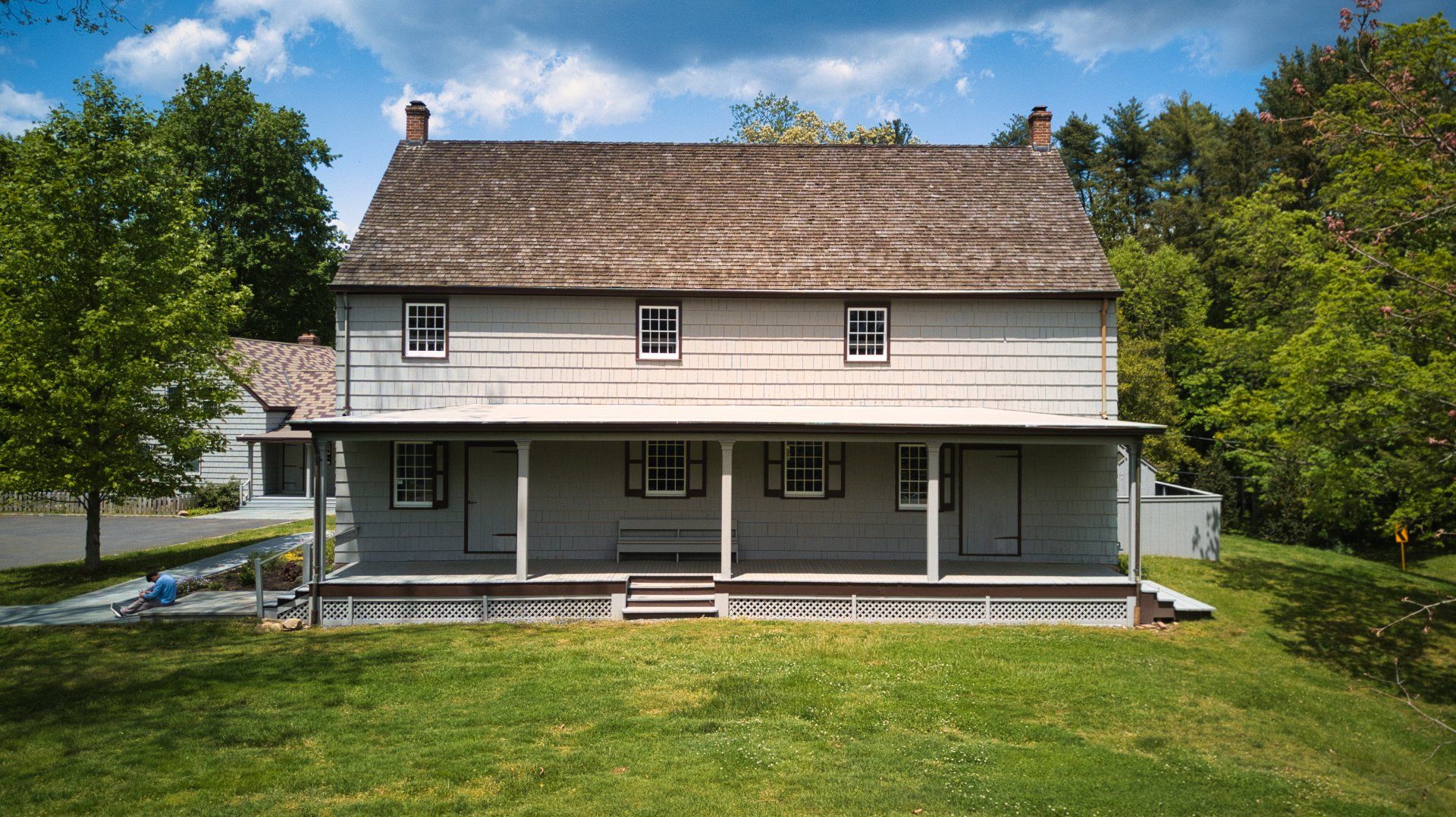
The area surrounding Matinecock is extraordinarily rich in American history. Sagamore Hill National Historic Site in nearby Oyster Bay — Theodore Roosevelt's beloved home and "Summer White House" — is one of the most significant presidential landmarks in the Northeast, open to visitors with guided tours of the original Victorian estate. The Matinecock Friends Meetinghouse, one of Long Island's oldest continuous Quaker communities with roots dating to 1671, stands as a quiet testament to the village's deep spiritual and colonial heritage. History enthusiasts exploring matinecock real estate often find that living here means being surrounded by centuries of layered American story.

Education & Campus Life

The Portledge School, a respected private school located within the village itself, hosts cultural events and community programming that enrich local life. The nearby Friends Academy in Locust Valley, founded in 1876, adds to the area's tradition of distinguished educational institutions with deep historical roots.

Dining & Shopping

Matinecock's intentionally residential character means that dining and shopping are found in the charming neighboring hamlets. Locust Valley, just minutes away, offers a walkable village center with independent restaurants, boutiques, and cafés that reflect the unhurried, refined character of the Gold Coast. Oyster Bay village provides additional waterfront dining and a lively main street with seasonal events. Those browsing homes for sale in Matinecock NY quickly discover that this quiet enclave offers the best of both worlds — deep privacy at home, and vibrant village life just around the corner.

Latest Properties in Matinecock

Loading...

Loading latest properties...

See All Properties in Matinecock

History

From Algonquian Territory to Gold Coast Estate Village

Long before the first English deed was signed, the Matinecock people — an Algonquian-speaking group whose name translates roughly as "the hill country" — inhabited this gently rolling stretch of Long Island's North Shore. Their territory extended from present-day Newtown near Flushing eastward to the Nissequogue River, and the landscape they named endures almost unchanged in the wooded, elevated terrain that defines the village today.

English colonists began acquiring the land in the mid-17th century. In 1653, Peter Wright, Samuel Mayo, and William Leverich purchased a large tract from Chief Asiapum, forming the foundation of the Town of Oyster Bay. By 1667, Captain John Underhill had received a 150-acre grant in Matinecock, naming his property "Killingworth." Quaker families — the Townsends, Underhills, Frosts, and Birdsalls among them — gradually shaped the area's agrarian character, and in 1725 the Matinecock Meeting House was established, cementing the region as one of Long Island's oldest continuous Quaker communities.

The 19th century brought the Long Island Rail Road to nearby Locust Valley, spurring the estate-building era that gave the North Shore its "Gold Coast" identity. Friends Academy, founded in 1876 by Gideon Frost, and Theodore Roosevelt's Sagamore Hill — his Summer White House beginning in 1901 — further elevated the area's national profile. On April 2, 1928, residents voted 19 to 8 to incorporate as a village, seeking home rule to protect the community's low-density, rural character against automobile-era development pressures.

That protective instinct has never wavered. The same zoning philosophy that shaped incorporation nearly a century ago governs Matinecock real estate today — just 266 homes spread across 2.67 square miles, with a median home price exceeding $2 million. For buyers exploring homes for sale in Matinecock, NY, that history translates directly into what they find: deep-set estates, mature woodland, and a village that has deliberately remained exactly what it has always been.

Weather

Matinecock sits on the North Shore of Long Island in Nassau County, placing it squarely within a humid continental climate (Köppen Dfb), moderated in meaningful ways by its proximity to Long Island Sound and the broader Atlantic coastal environment. The result is a four-season climate that is somewhat milder than inland areas at the same latitude, with the Sound helping to temper both summer heat and winter cold.

Summers are warm and humid, with daytime highs typically ranging from the mid-80s°F and overnight lows settling in the upper 60s. Winters are cold but rarely severe by upstate New York standards — highs generally hover in the mid-30s to low 40s°F, while overnight lows commonly dip into the mid-20s. Snowfall occurs each season, though nor'easters can occasionally deliver significant accumulation to the North Shore.

Annual precipitation is fairly evenly distributed throughout the year, averaging roughly 45–50 inches, with no pronounced dry season. Late summer and early fall can bring tropical moisture from Atlantic storm systems, occasionally producing heavy rainfall events.

For those exploring matinecock real estate, the climate shapes the ownership experience in practical ways. The lush, wooded character of the village — one of its most prized qualities — depends on that reliable rainfall, but the same conditions mean that the large estate properties here require attentive seasonal maintenance, from roof and gutter care ahead of winter to landscaping and drainage management in spring. Heating costs are a real budget consideration, while the temperate summers make outdoor living genuinely enjoyable for much of the year.

Matinecock Market Analytics

The Matinecock housing market is showing signs of strength, with the average home value increasing by 9.2% over the past year to $2,741,885, indicating a healthy demand for homes in the area. As a professional real estate market analyst at Opulist, I believe this trend suggests that the market is balancing in favor of sellers, making it a great time to sell a home in Matinecock. However, with the lack of available data on new listings and sales, it's essential to keep a close eye on the market to determine the best time to buy or sell.


1-Year Home Value Change: +9.2%

Matinecock Home Value Index over time.

Can I Afford Matinecock?
$
%
$0
Est. Monthly Payment
$0/yr
Salary Required

*Principal & interest only. Salary based on 28% debt-to-income ratio.

Get Pre-Approved for Matinecock