

Mill Plain, Connecticut

Location:
Mill Plain, CT

Welcome to Mill Plain

Mill Plain traces its origins to 1720, when Nathaniel Stevens built the first house in what was then an open agricultural plain on the western edge of present-day Danbury, Connecticut. Named for an early grist mill whose dam transformed adjacent swampland into Lake Kenosia, this historic neighborhood sits along U.S. Route 6 (Mill Plain Road) in Fairfield County, bordering New York State to the west — a distinction that sets it apart from Danbury's more centrally located neighborhoods and gives residents easy access to two states' worth of amenities.

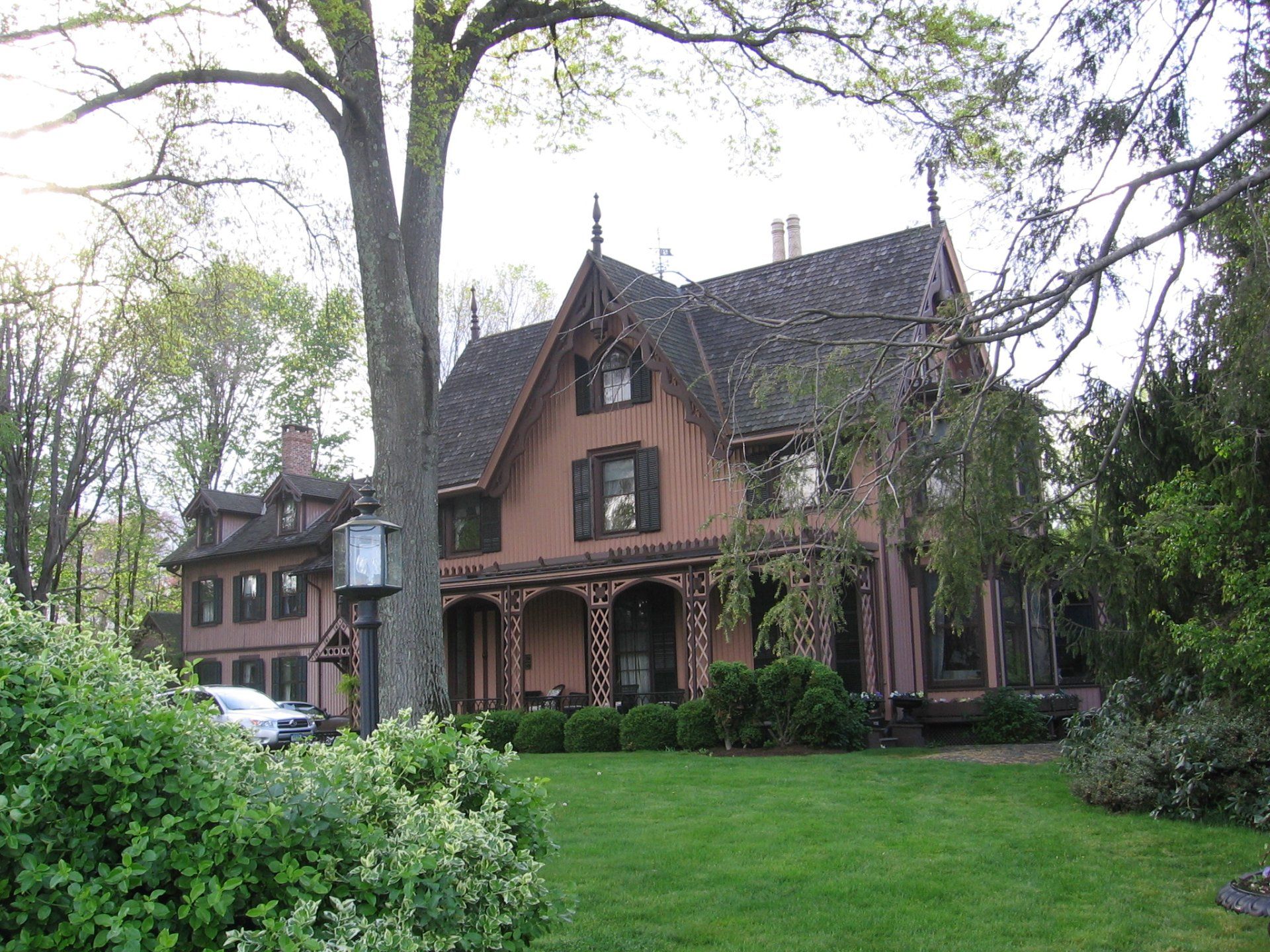
The area carries genuine historical weight: British forces marched through Mill Plain during the April 1777 raid on Danbury, and the Stevens house rebuilt in 1825 still stands as a tangible link to that colonial past. Yet the neighborhood's character today is decidedly residential and modern, defined by single-family homes and townhomes, a diverse population with Irish, Italian, and Dominican roots, and a median home price of around $618,000 that reflects the area's desirability within Fairfield County's competitive market.

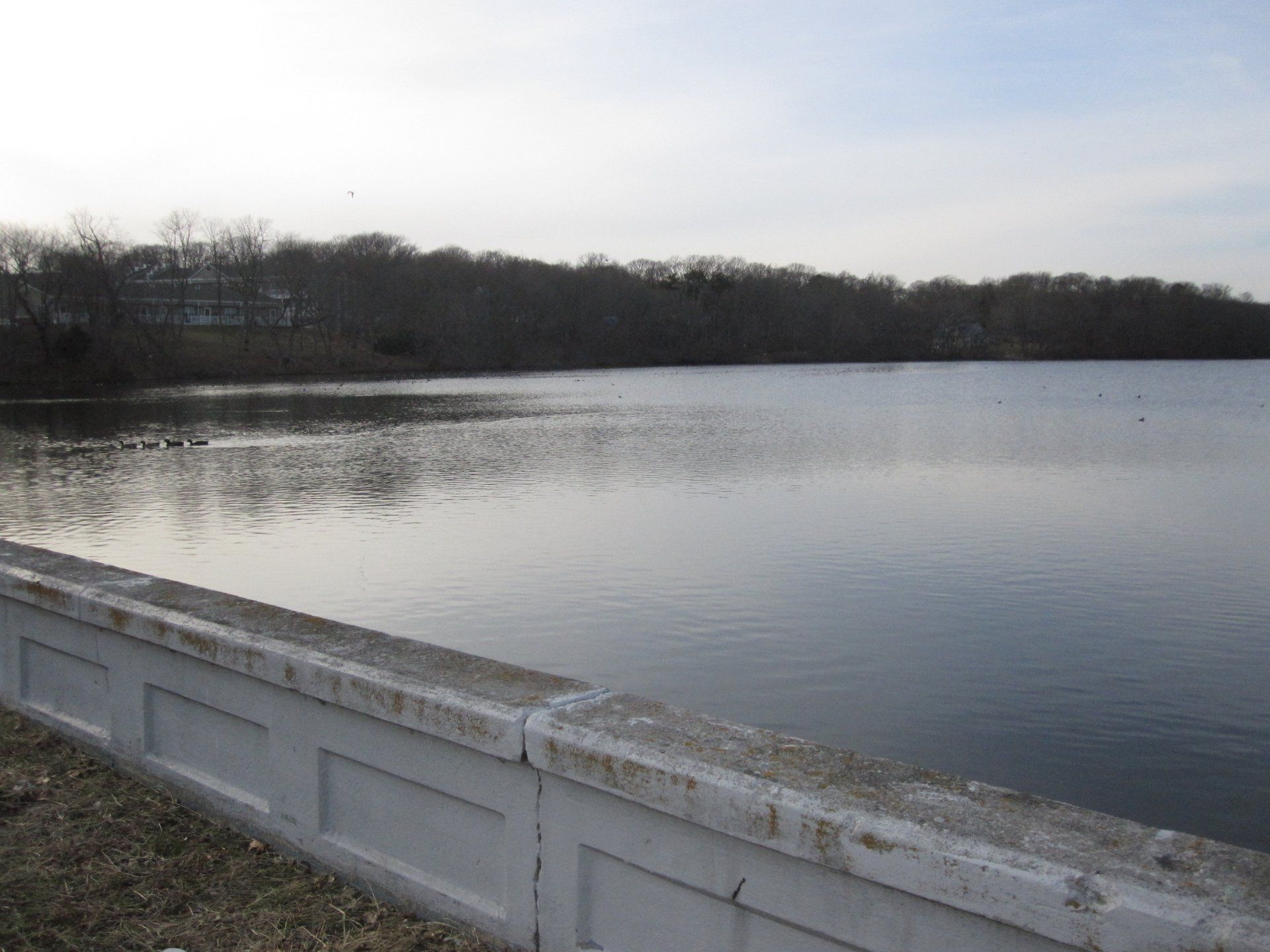
Lake Kenosia anchors the southern edge of the neighborhood with boating and recreational space, offering a natural amenity that purely suburban developments cannot replicate. For buyers who want Fairfield County's connectivity and school infrastructure alongside genuine historical character — and proximity to the New York border for commuters — Mill Plain represents a compelling and increasingly sought-after address.


Community Profile

Tucked within Fairfield County and part of the broader Bridgeport-Stamford-Danbury metro, this small but remarkably affluent community of just over 2,000 residents punches well above its weight in nearly every economic measure. The median household income here stands at a striking $200,380 — nearly three times the national median — and an extraordinary 79.6% of households earn six figures or more. That prosperity is reflected directly in the housing market, where the median home value reaches $806,828, underscoring the premium that buyers place on this address. Equally telling is the homeownership rate of 94.5%, far above the national norm of 65.5%, signaling a community of deeply committed, long-term residents who have chosen to put down roots here.

The educational profile is just as impressive. 71.8% of residents hold a bachelor's degree or higher — more than double the national rate — and 43.8% have earned a graduate degree, reflecting a highly credentialed professional class. With 36.6% holding STEM degrees and 63.2% of families bringing in dual incomes, this is a community built around intellectual achievement and financial stability. The median age of 43.8 years, combined with a strong cohort of children and teens — together representing 32.6% of the population — paints a picture of established families raising the next generation in a secure, well-resourced environment. An average commute of just 29 minutes and an uninsured rate of only 1.4% round out a profile that speaks to genuine quality of life.

Things to Do

Outdoor Recreation

At the heart of Mill Plain's recreational life is Lake Kenosia, the neighborhood's most beloved natural feature. Created centuries ago when an early grist mill dam flooded the surrounding swamps, this scenic lake now serves as a gathering place for residents seeking boating, fishing, and lakeside picnics. The water's edge offers a tranquil escape from the bustle of nearby Danbury, and the surrounding open space is especially inviting during the warmer months. The rolling, glacially sculpted terrain of the Western Highlands that frames Mill Plain also makes the area well suited for hiking and nature walks, with wooded uplands and secondary growth forests covering much of the undeveloped land along the Still River watershed.

History & Culture

Mill Plain wears its history proudly. The Mill Plain Burial Ground near Lake Kenosia preserves colonial-era graves and offers a quiet, contemplative connection to the neighborhood's 18th-century roots. History enthusiasts will appreciate that the area served as a skirmish site during the British raid on Danbury in April 1777, and the legacy of that conflict — including the storied Stebbins house, where bullet-marked doors and bloodstained floors once bore witness to the fighting — is woven into the neighborhood's identity. Just a short drive away in downtown Danbury, the Danbury Railway Museum houses the restored Mill Plain Railroad Station, a Victorian-era depot originally built in 1881 that once served the New York & New England Railroad line. It's a must-visit for anyone curious about the region's industrial and transportation heritage.

Dining & Shopping

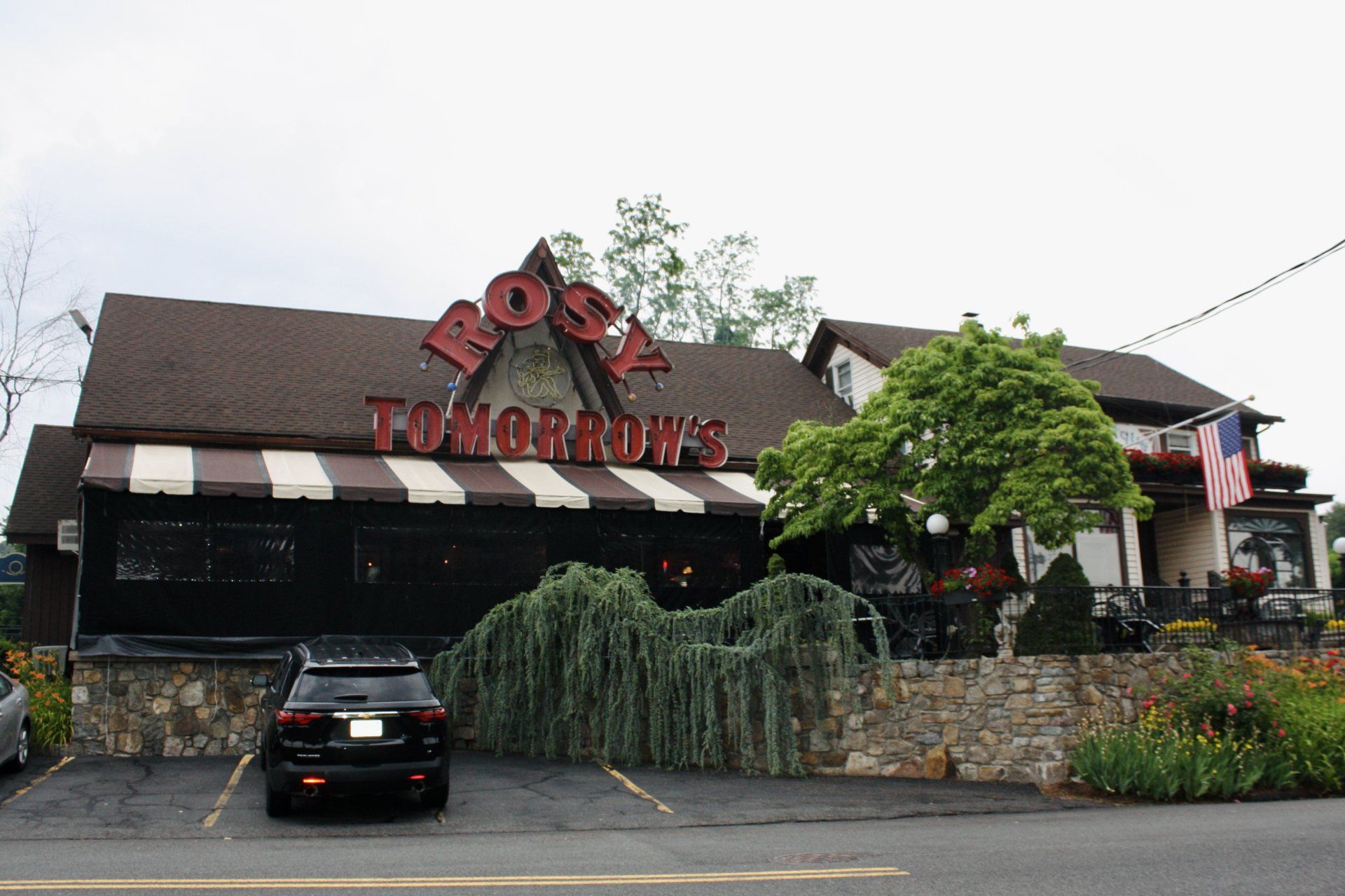
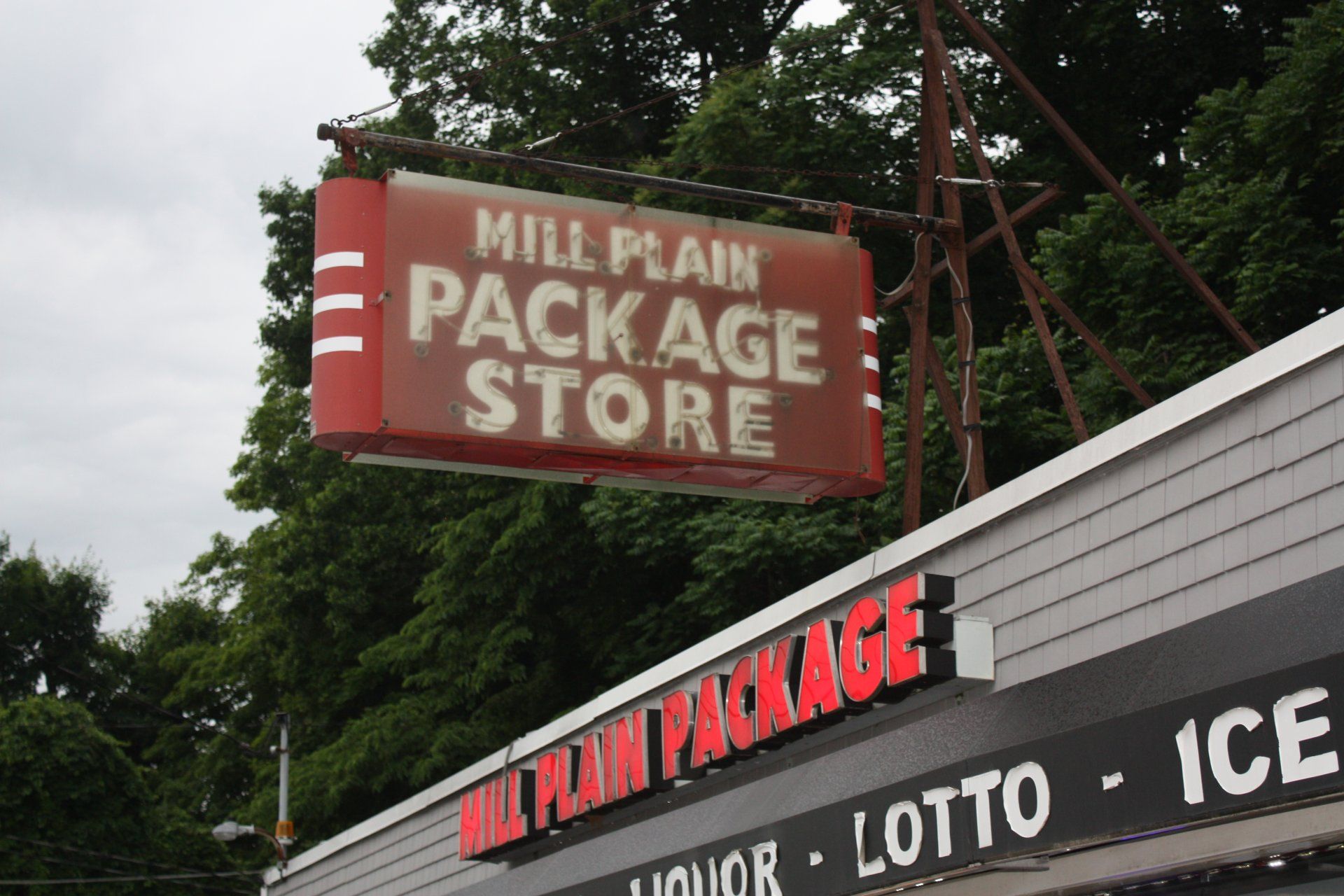
Mill Plain Road (U.S. Route 6) serves as the neighborhood's commercial spine, connecting residents to a range of dining and retail options that reflect Danbury's diverse, multicultural character. The area's Irish, Italian, and Dominican communities have shaped a local food scene with genuine variety. Larger shopping destinations, including the Danbury Fair Mall — one of Connecticut's premier retail centers — are easily accessible within a short drive, making everyday errands and leisure shopping equally convenient.

Family Activities

Families in Mill Plain benefit from proximity to Danbury's broader network of parks, sports facilities, and community programming. Lake Kenosia provides a natural backdrop for family outings year-round, from summer paddling to autumn foliage walks along its shores. The neighborhood's suburban character, with its quiet residential streets and open green spaces, makes it a comfortable and welcoming place for children and families to put down roots and explore.

Latest Properties in Mill Plain

Loading...

Loading latest properties...

See All Properties in Mill Plain

History

From Grist Mill to Suburb: Mill Plain's Long Arc

Mill Plain's story begins in 1720, when Nathaniel Stevens built the first house in what would become one of Danbury's most historically layered neighborhoods. His brother Thomas followed that same year, and Thomas's home — rebuilt in 1825 — still stands today, a quiet reminder of how deep the roots run here. The neighborhood takes its name from an early grist mill whose dam flooded the adjacent swamps, creating what is now Lake Kenosia, the recreational centerpiece that continues to draw buyers to the area.

By 1769, Mill Plain had been formally established as one of Danbury's school districts, and in April 1777, it became a theater of the Revolutionary War when British forces under General William Tryon marched through on their way to destroy Continental Army supplies in Danbury. Local patriots including Generals David Wooster and Benedict Arnold engaged British troops in skirmishes near the Stebbins house, which served as a field hospital during the fighting. General Wooster was mortally wounded nearby. The Mill Plain Burial Ground, dating to the late 18th century, preserves the memory of those who lived and died through that era.

The 19th century brought industrialization — hat manufacturing arrived around 1844 with Ransom Brothwell's shop, eventually leading to the formation of the Mill Plain Manufacturing Company in 1877. Rail service followed in 1881 with the construction of Mill Plain Station by the New York & New England Railroad, accelerating the neighborhood's connection to regional commerce until service ended in 1928.

The suburban buildout that defines Mill Plain's current housing stock came primarily between 1970 and 1999, layering single-family homes and townhomes over terrain shaped by centuries of agricultural and industrial use. That combination — colonial-era landmarks, lakeside recreation, and well-established mid-century streets — underpins today's median home price of $617,994 and makes Mill Plain one of Danbury's most sought-after residential addresses.

Weather

Four Seasons in Southern Fairfield County

Mill Plain experiences a humid continental climate, characteristic of interior southern New England. Situated in the Western Highlands of Connecticut within Danbury's western outskirts, the neighborhood sits far enough inland to miss the moderating influence of Long Island Sound, resulting in more pronounced seasonal swings than coastal Fairfield County communities enjoy.

Summers are warm and humid, with daytime highs typically reaching the mid- to upper 80s°F and overnight lows settling into the low 60s. Winters are cold and snowy, with average highs in the low to mid-30s°F and lows that frequently dip into the teens and single digits during cold snaps. Spring and fall are transitional and often beautiful, with crisp air and vivid foliage making autumn a particularly appealing season in the rolling, glaciated landscape surrounding the neighborhood.

Annual precipitation is fairly well distributed throughout the year, averaging around 48–50 inches, with winter bringing meaningful snowfall — typically 40 or more inches seasonally. The hilly terrain can intensify localized precipitation events, and low-lying areas near Lake Kenosia and the Still River watershed are worth evaluating for flood dynamics.

For prospective homeowners, the climate has real practical implications. Heating costs are a genuine budget consideration given cold winters, and homes should be evaluated for insulation quality and system efficiency. Snow removal, roof maintenance, and driveway upkeep are seasonal realities. On the upside, warm summers make outdoor living genuinely enjoyable, and the neighborhood's natural setting rewards those who appreciate four distinct seasons.

Mill Plain Market Analytics

Market analytics data coming soon.
Can I Afford Mill Plain?
$
%
$0
Est. Monthly Payment
$0/yr
Salary Required

*Principal & interest only. Salary based on 28% debt-to-income ratio.

Get Pre-Approved for Mill Plain