
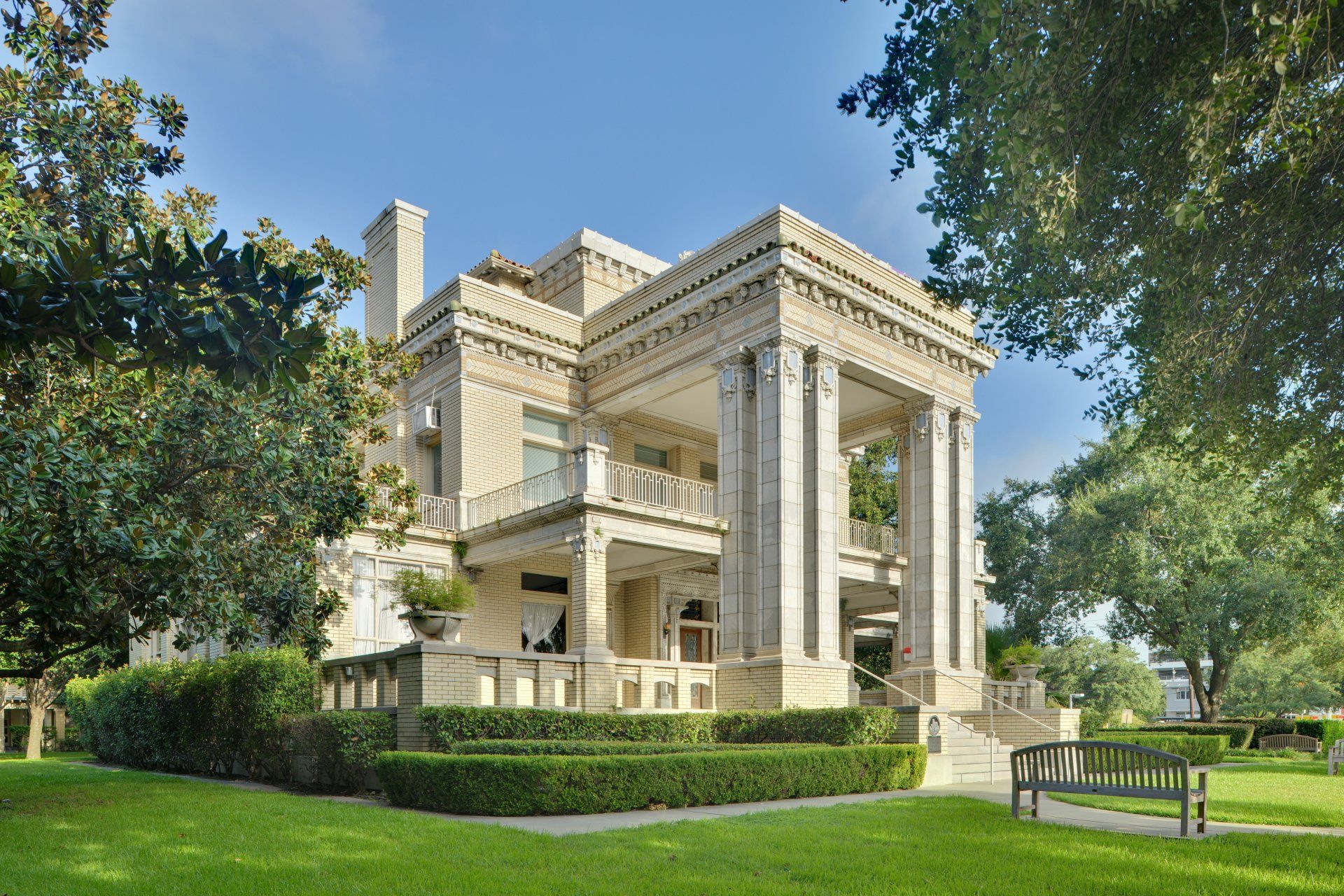
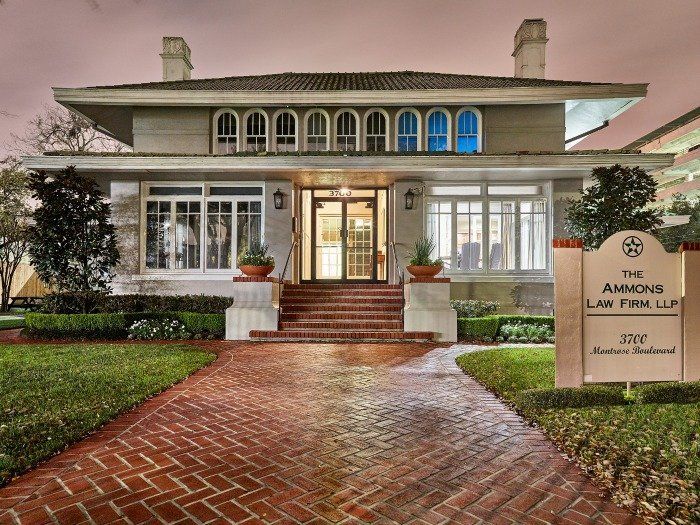
Platted in September 1911 as Houston's first large-scale planned residential subdivision, Montrose occupies 3.27 square miles immediately west of Downtown Houston — close enough to see the skyline, distinct enough to feel like its own world. While neighboring areas like Midtown lean heavily into new construction and the Museum District draws visitors for its institutions, Montrose has built an identity around something harder to replicate: more than a century of layered history, architectural character, and cultural independence.
The neighborhood's early-20th-century bungalows, Craftsman homes, and Art Deco apartment buildings line streets that once carried the Montrose Streetcar, which ran from 1912 to 1937 and helped establish the area as a premier address for Houston's professional class. That same walkable, human-scaled fabric later attracted artists, musicians, and a pioneering LGBTQ+ community in the 1960s and 1970s — a legacy that still shapes the neighborhood's character today. With a median household income of $112,613 and a median home price near $600,000, Montrose now draws a new generation of buyers and investors who want urban authenticity without sacrificing proximity to Houston's major employment centers. For anyone weighing apartments in Montrose Houston TX or a long-term purchase, this is a neighborhood whose best chapters are still being written.