Murray Hill, New York

Location:
Murray Hill, NY

Welcome to Murray Hill

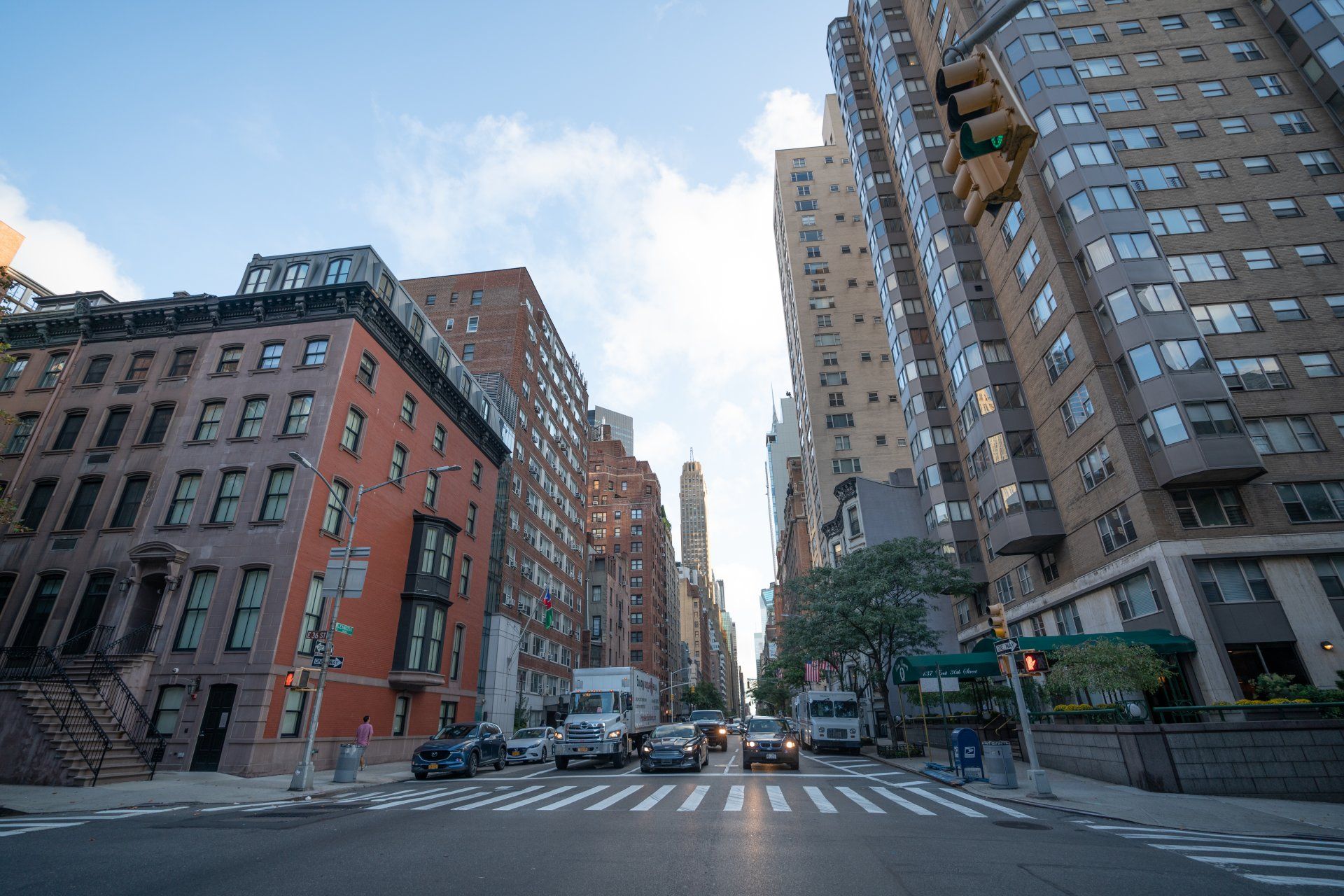
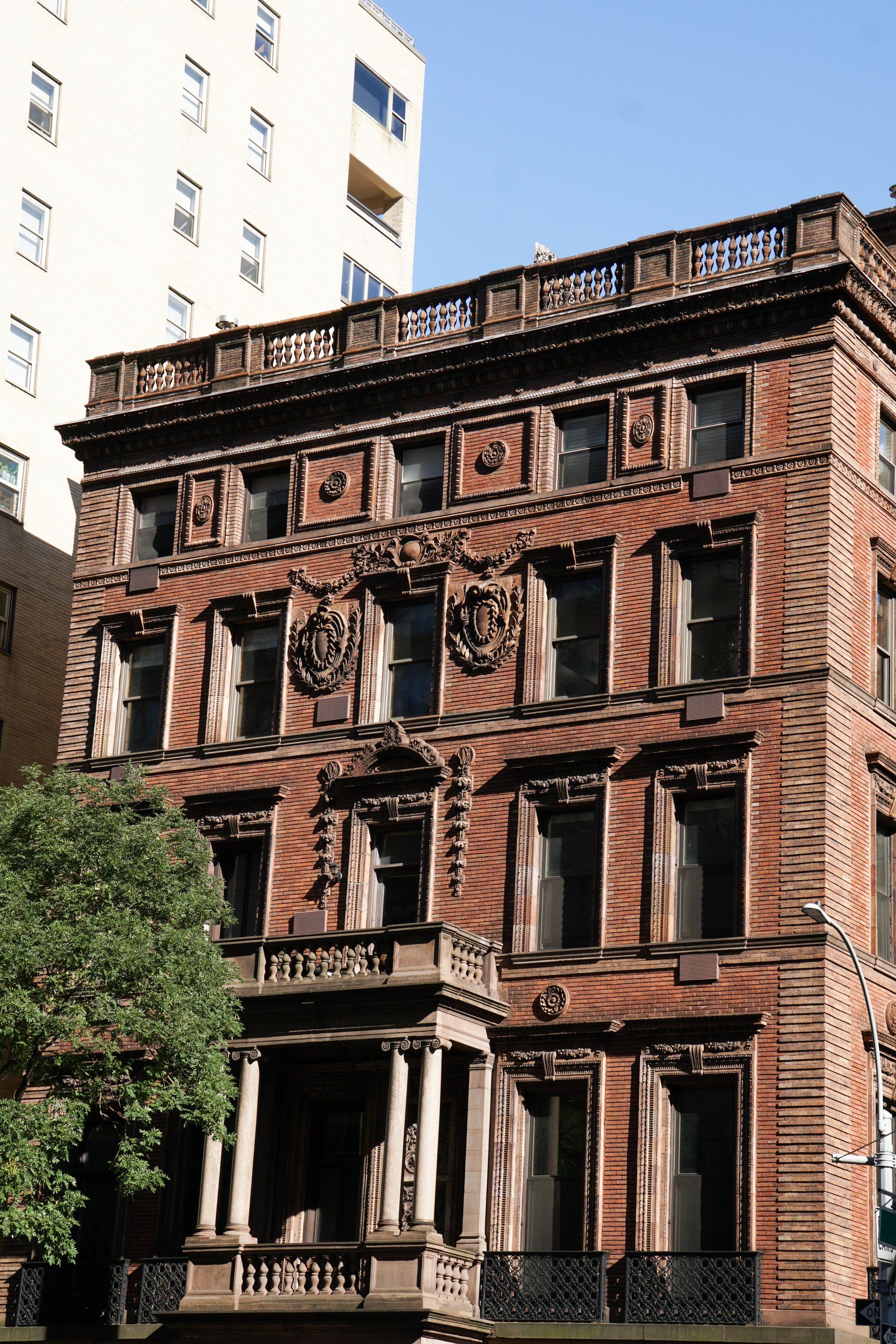
Occupying just 0.249 square miles on the east side of Midtown Manhattan, Murray Hill carries a history that stretches back to a 30-acre colonial estate owned by Robert Murray, a Quaker merchant whose family settled the hillside tract before the American Revolution. That legacy is still visible today in the neighborhood's Murray Hill Historic District, where 19th-century Italianate rowhouses and Beaux-Arts brownstones line blocks between Park and Lexington Avenues — a streetscape that sets Murray Hill apart from the glass-tower corridors of neighboring Midtown and the more residential character of Gramercy Park to the south.

What makes Murray Hill particularly compelling for buyers and investors is the rare combination of architectural permanence and urban convenience. The Morgan Library & Museum anchors the neighborhood culturally, while Grand Central Terminal, just blocks away, connects residents to virtually every corner of the metropolitan region. Whether you are exploring apartments in Murray Hill NYC for a primary residence or evaluating long-term investment potential, the neighborhood's median household income of over $117,000 and steady demand signal a market with real staying power. As adaptive reuse projects continue converting underused office space into housing, Murray Hill is quietly positioning itself as one of Midtown Manhattan's most enduring addresses.

Things to Do

Dining & Nightlife

Murray Hill punches well above its weight when it comes to food. The legendary 2nd Avenue Deli — a New York institution — serves classic Jewish deli fare that has satisfied generations of New Yorkers. For a completely different culinary experience, Atomix on East 30th Street offers boundary-pushing Korean tasting menus that have earned it a place among the city's most celebrated fine dining destinations. The stretch of Lexington Avenue around 27th and 28th Streets, known as Curry Hill, is lined with South Asian grocers, spice shops, and restaurants serving some of Manhattan's most authentic Indian food. Whether you're a longtime resident or exploring apartments in Murray Hill NYC for the first time, the neighborhood's dining scene is a genuine draw.

Arts & Culture

Few neighborhoods of Murray Hill's compact size can claim cultural anchors as significant as the Morgan Library & Museum on Madison Avenue. Built around financier J.P. Morgan's extraordinary private collection, it houses rare manuscripts, illuminated medieval texts, and rotating exhibitions in a stunning Beaux-Arts complex. Just nearby, Scandinavia House on Park Avenue serves as a hub for Nordic culture, presenting art exhibitions, film screenings, and design showcases throughout the year. History lovers should also seek out Sniffen Court, a tucked-away 19th-century mews of converted carriage houses that feels remarkably removed from the city's bustle — one of Midtown's most charming hidden gems.

Outdoor Recreation & Streetscapes

Murray Hill's outdoor appeal lies in its beautifully preserved streetscapes. The Murray Hill Historic District, concentrated along Park and Lexington Avenues between 35th and 38th Streets, rewards leisurely walks with Italianate rowhouses, Renaissance Revival facades, and Beaux-Arts brownstones at nearly every turn. The East River Esplanade is accessible within a short walk eastward, offering waterfront paths and views of the river. Bryant Park, just minutes north at 42nd Street and Sixth Avenue, hosts seasonal events including its beloved winter ice skating rink and summer outdoor film screenings.

Shopping & Everyday Conveniences

Design-forward shoppers will appreciate Dover Street Market, the avant-garde retail concept near Lexington Avenue that brings together cutting-edge fashion labels under one roof. For everyday needs, the neighborhood's proximity to Grand Central Terminal — with its celebrated food market — means exceptional provisions are always close at hand. Those considering murray hill nyc apartments for rent will find that the neighborhood's walkability and access to Midtown's full retail landscape make daily life genuinely convenient without sacrificing the quieter, residential character that sets Murray Hill apart from its busier neighbors.

Latest Properties in Murray Hill

Loading...

Loading latest properties...

See All Properties in Murray Hill

History

From Quaker Estate to Coveted Address

Murray Hill's story begins in the mid-18th century with Robert Murray (1721–1786), a Scottish-born Quaker merchant who relocated from Philadelphia to New York City in 1753. By the late 1750s, Murray had built his mansion on a glacial hill at what is now Park Avenue and 36th Street, establishing a farm of just under 30 acres that stretched roughly from today's 33rd Street north to between 38th and 39th Streets. During the American Revolution, the site held strategic significance for the Continental Army — a legacy that gave the neighborhood its enduring identity long before it became a residential address.

The transformation from private estate to urban neighborhood accelerated in the 1840s as Manhattan pushed northward. A pivotal moment came with the 1853–1854 Murray Hill Restrictive Agreement, which required all new construction to use high-quality brick or stone — a covenant that drew affluent New Yorkers and shaped the Italianate rowhouses, Renaissance Revival homes, and Beaux-Arts mansions that still define the streetscape today. By the early 1900s, the neighborhood counted Franklin and Eleanor Roosevelt among its residents, who lived here from 1905 to 1908.

In 2002, the New York City Landmarks Preservation Commission designated the Murray Hill Historic District, protecting 71 rowhouses and several other structures between Park and Lexington Avenues from 35th to 38th Streets, with extensions following in 2004. Those preservation decisions have direct consequences for today's buyers and renters: the protected brownstones and converted mansions that anchor the market give apartments in Murray Hill NYC a architectural character virtually impossible to replicate in newer construction. With a median home price of $799,000 and a neighborhood population of roughly 10,600 packed into just a quarter square mile, Murray Hill's history of exclusivity has evolved into something more democratic — and persistently desirable.

Weather

Murray Hill sits squarely within New York City's humid subtropical climate zone, shaped by its position on the eastern seaboard and the moderating influence of the surrounding urban environment. Manhattan's density creates a pronounced heat island effect, meaning temperatures here tend to run slightly warmer year-round than in the surrounding region — a factor worth understanding for anyone exploring apartments in Murray Hill NYC.

Summers are warm and humid, with daytime highs typically ranging from the mid-80s°F and occasional stretches pushing into the low 90s. Overnight lows settle in the upper 60s to low 70s. Winters are cold but rarely severe by northeastern standards, with average highs in the mid-30s to low 40s°F and lows dipping into the upper 20s. Snowfall occurs each winter, though significant accumulation is intermittent rather than guaranteed.

Precipitation is fairly evenly distributed throughout the year, averaging around 46–50 inches annually, with no pronounced dry season. Spring and fall bring mild, pleasant conditions — arguably the neighborhood's finest weather — with temperatures ranging comfortably through the 50s and 60s. The proximity to the Hudson River and Upper New York Bay introduces occasional coastal fog and amplifies humidity during summer months.

For real estate purposes, the climate has real implications. Central air conditioning is essentially a necessity for summer comfort, and heating costs during winter months are a meaningful budget consideration. The freeze-thaw cycle common to New York winters also means that brownstones and older rowhouses — so characteristic of Murray Hill — require consistent seasonal maintenance, particularly for masonry, rooflines, and windows.

Murray Hill Market Analytics

The Murray Hill market is showing signs of stability, with the average home value at $782,604, down 1.5% over the past year, indicating a potential balancing of the market. As a professional real estate market analyst at Opulist, I note that the median days to pending is around 145 days, suggesting that homes are taking a bit longer to sell, which could be an opportunity for buyers to negotiate. Overall, the market is still relatively strong, with new listings and inventory available, making it a good time for buyers and sellers to work with Opulist to navigate the market.


1-Year Home Value Change: -1.5%

Murray Hill Home Value Index over time.

Can I Afford Murray Hill?
$
%
$0
Est. Monthly Payment
$0/yr
Salary Required

*Principal & interest only. Salary based on 28% debt-to-income ratio.

Get Pre-Approved for Murray Hill