Nantucket, Massachusetts

Location:
Nantucket, MA

Welcome to Nantucket

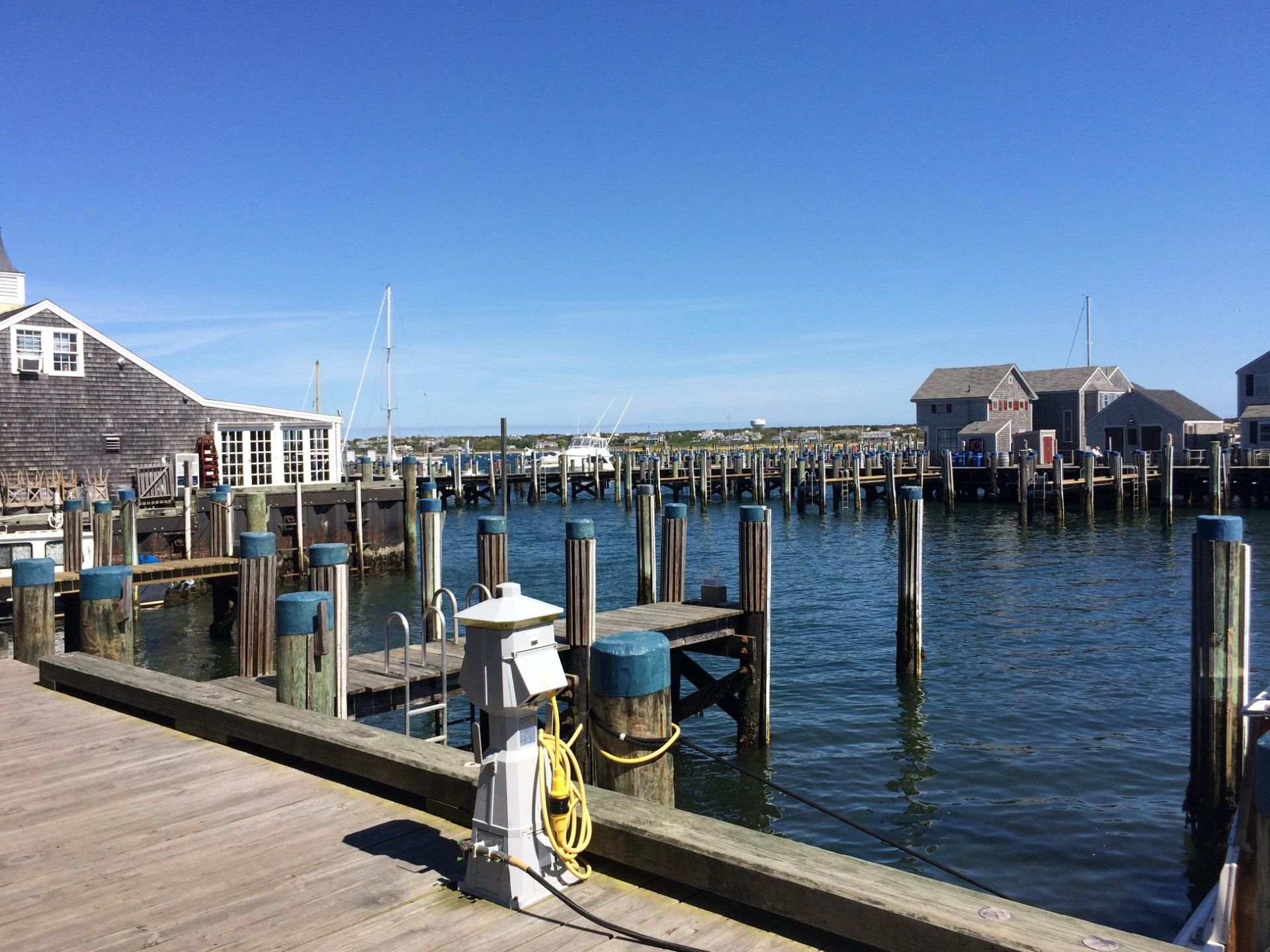
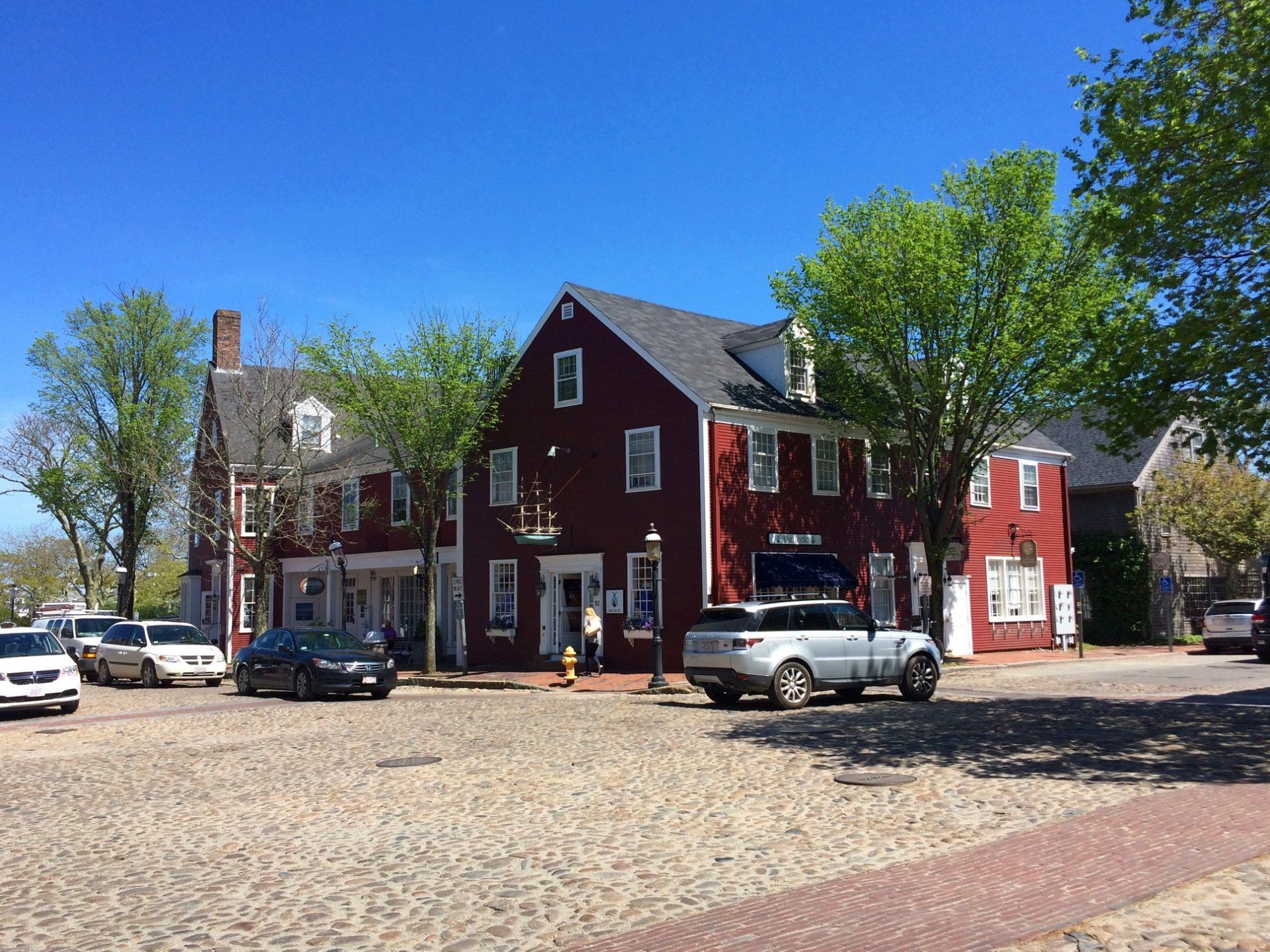
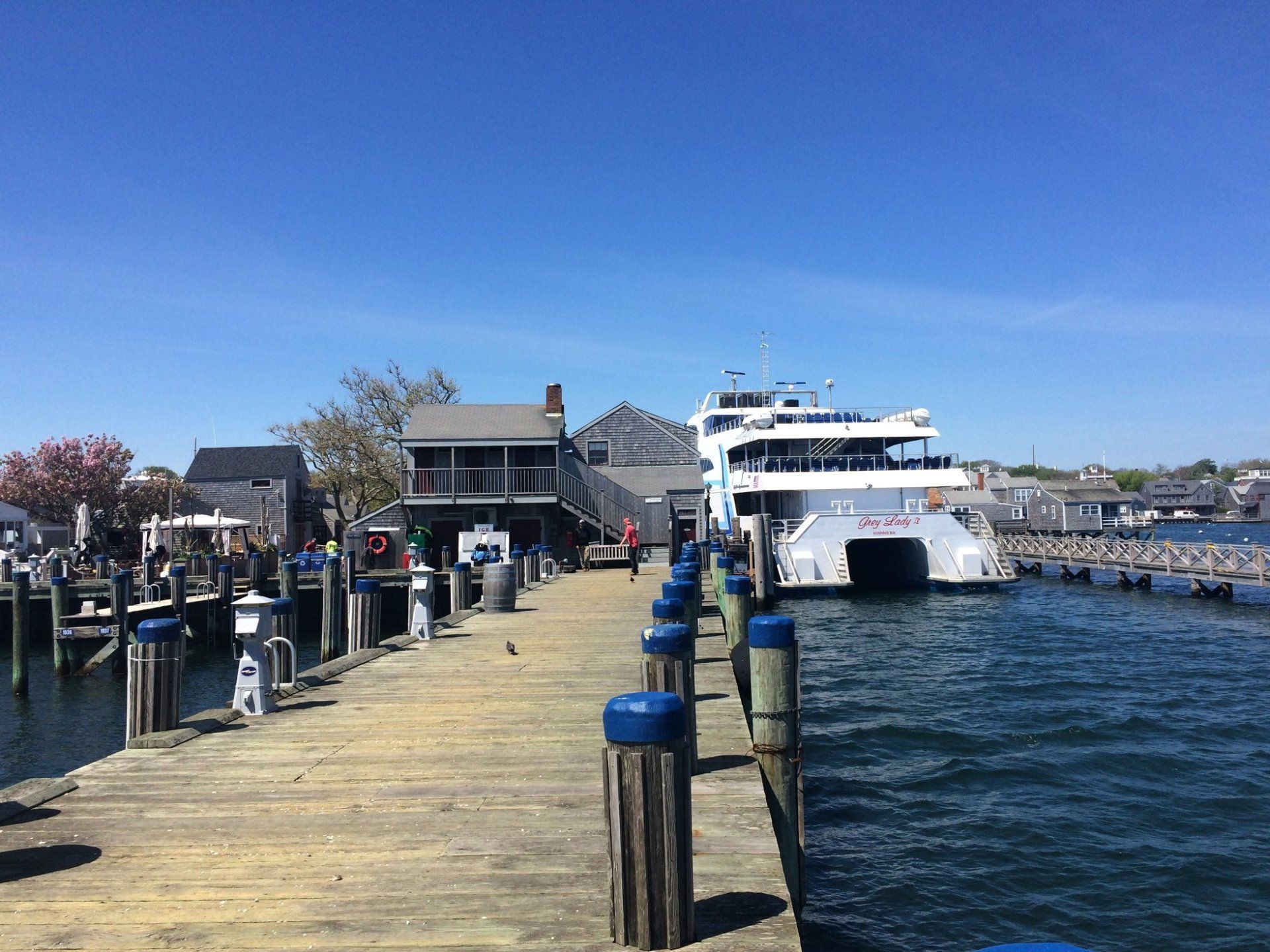
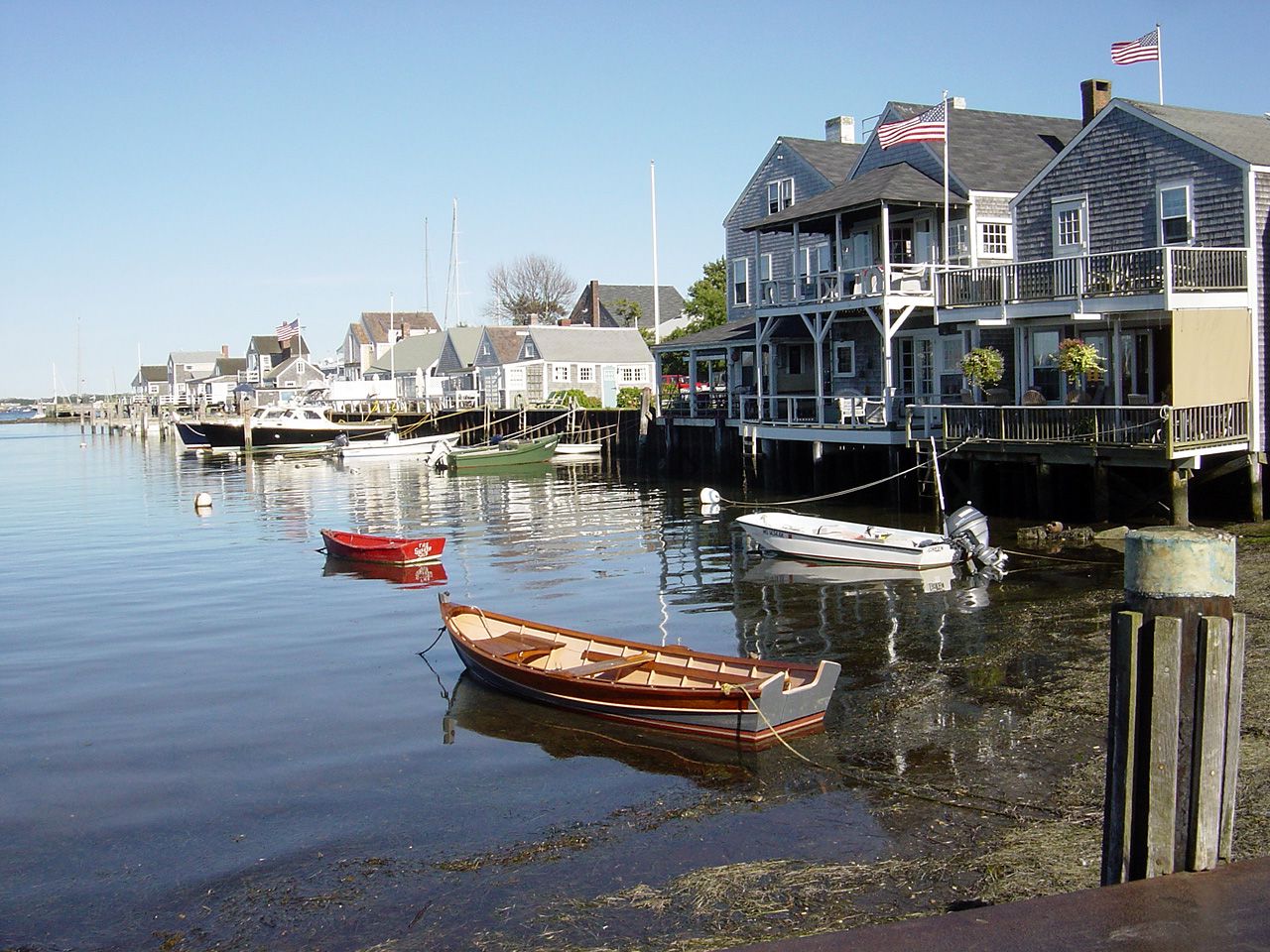
Settled in 1641 and incorporated in 1671, Nantucket is a 48-square-mile island sitting approximately 30 miles south of Cape Cod — making it the southeasternmost town in all of Massachusetts and New England. Unlike the mainland communities of the Cape or the more accessible shores of Martha's Vineyard, Nantucket's island geography has shaped an identity that is genuinely its own: a place where over half the land is permanently protected conservation land, where 19th-century architecture lines cobblestone streets, and where the National Park Service has recognized the entire town as a National Historic Landmark District — the finest surviving example of a late 18th- and early 19th-century New England seaport.

Iconic landmarks like Brant Point Lighthouse, one of the oldest lighthouse sites in the country, anchor a landscape that draws visitors and full-time residents alike. The Nantucket Public Schools serve a tight-knit year-round community of roughly 14,000 residents, a number that swells to around 80,000 each summer. For those exploring nantucket homes for sale, the island offers something no neighboring community can replicate: a self-contained world of beaches, history, and architectural character that only deepens in value over time.

Community Profile

Thirty miles off the coast of Cape Cod, this storied island community punches well above its weight in nearly every measure of prosperity and quality of life. With a population of just 14,483 spread across a low-density landscape of 119 residents per square mile, Nantucket offers the rare combination of genuine community intimacy and remarkable economic vitality. The median household income here reaches $139,688 — nearly double the national median — and an extraordinary 63.2% of households earn six figures or more, reflecting the island's concentration of accomplished professionals and successful entrepreneurs.

The community skews toward established, experienced residents, with a median age of 42.4 years and a strong married-couple presence at 55.9% of the population. Families here are well-supported by dual incomes in 63.4% of households, and the poverty rate of just 3.2% — a fraction of national norms — speaks to the island's broad-based financial stability. Education is a defining characteristic: 56.3% of residents hold a bachelor's degree or higher, well above the national average of roughly 33%, and 21.9% have earned graduate degrees. The homeownership rate of 71.8% exceeds the national figure, and those who own here enjoy the pride of a deeply rooted, invested neighborhood. Average commutes of just 16 minutes mean more time for the ocean, the moors, and everything else that draws buyers to nantucket homes for sale in the first place — a lifestyle that is, quite simply, unlike anywhere else in New England.

Things to Do

Outdoor Recreation

Nantucket's 48 square miles pack in an extraordinary range of outdoor experiences. More than half the island is protected conservation land, meaning pristine heathlands, salt marshes, and rolling moors are never far from your doorstep. Surfside Beach draws swimmers and surfers to its wide Atlantic-facing strand, while the calmer waters of Jetties Beach — just a short ride from town — are ideal for families with young children. Cyclists can explore the island's network of dedicated bike paths, including the beloved Milestone Road path stretching out toward the village of Siasconset on the eastern shore. The Coskata-Coatue Wildlife Refuge, managed by the Trustees of Reservations, rewards adventurous visitors with dune walks, seal sightings, and views of the iconic Great Point Lighthouse at the island's northern tip.

Arts & Culture

Nantucket's identity as a National Historic Landmark District means culture is woven into every cobblestone street. The Nantucket Whaling Museum, operated by the Nantucket Historical Association on Broad Street, is the island's premier cultural institution — home to a full sperm whale skeleton and artifacts that bring the island's 18th-century maritime dominance vividly to life. The Nantucket Atheneum, a graceful Greek Revival library on Lower India Street, has served the community since 1834. Each summer, the Nantucket Film Festival draws filmmakers and cinephiles from across the country, and the Nantucket Book Festival attracts celebrated authors for readings and conversations throughout town.

Dining & Shopping

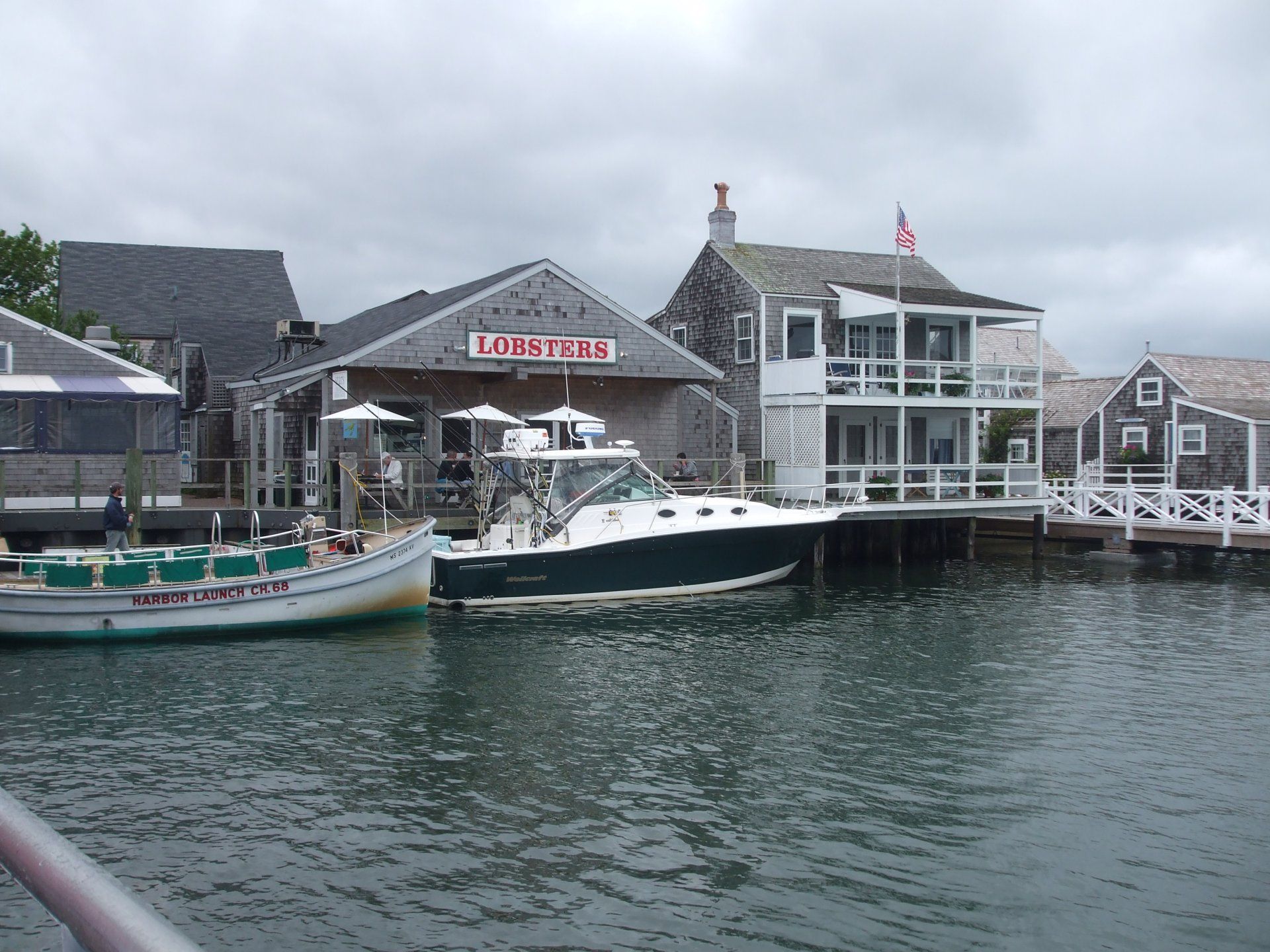
The island's dining scene punches well above its weight for a community of 14,000 year-round residents. Restaurants along Easy Street and throughout the historic downtown serve everything from classic New England clam chowder to sophisticated farm-to-table cuisine. Main Street and the surrounding lanes offer boutique shopping — locally made crafts, nautical antiques, and the distinctive Nantucket lightship baskets that have been woven on the island for generations.

Family Activities & Seasonal Events

The Nantucket Conservation Foundation offers guided nature walks and educational programs throughout the year. Come December, the island transforms for Nantucket Noel, a beloved month-long holiday festival featuring tree lightings, caroling, and festive shop windows that draw visitors even in the off-season. For those exploring nantucket homes for sale, experiencing the island across multiple seasons reveals just how richly layered life here truly is — far beyond the summer crowds.

Latest Properties in Nantucket

Loading...

Loading latest properties...

See All Properties in Nantucket

History

From Whaling Capital to World-Class Real Estate Market

Nantucket's story begins long before European contact, with Wampanoag people inhabiting the island for thousands of years. English settlement began in earnest in 1659, when Thomas Mayhew sold his proprietary interest to a group of investors led by Tristram Coffin — nine original purchasers who paid thirty pounds and two beaver hats for the right to build what would become one of America's most storied communities. The town was formally incorporated in 1671, initially known as Sherburne before Governor Samuel Adams signed a bill renaming it Nantucket on June 8, 1795.

The island's defining chapter came through whaling. By the 18th and early 19th centuries, Nantucket had become the whaling capital of the world, with Quaker merchants pioneering deep-sea sperm whale hunting and transforming this remote outpost into one of America's wealthiest ports. That prosperity is still visible today — the grand Federal and Greek Revival homes lining the historic downtown were built on whale oil money, and their meticulous preservation earned Nantucket designation as a National Historic Landmark District in 1966. The Great Fire of 1846 and the collapse of the whaling industry in the 1840s ended that era, but the architectural legacy remained largely intact.

That preserved 19th-century streetscape is precisely what drives today's extraordinary property values. With over 50% of the island protected as conservation land and strict historic district regulations limiting new development, scarcity is structural. For buyers exploring nantucket homes for sale, the connection between history and value is not incidental — it is the market itself, with a median home price now exceeding $3.3 million.

Weather

Nantucket sits roughly 30 miles south of Cape Cod in the open Atlantic, and its island geography shapes every aspect of its climate. The island falls within a humid continental classification with strong oceanic moderation — the surrounding sea acts as a thermal buffer, keeping summers cooler and winters milder than mainland Massachusetts experiences. This maritime influence is one of Nantucket's most defining characteristics.

Summer temperatures typically reach highs in the mid-70s°F, rarely climbing into the 90s, while overnight lows settle comfortably in the 60s. Winters are relatively mild for New England, with daytime highs generally ranging from the mid-30s to low 40s°F and lows dipping into the 20s during the coldest stretches. Snow falls but rarely accumulates heavily, and prolonged cold snaps are less severe than on the mainland.

Precipitation is fairly evenly distributed throughout the year, averaging around 45 inches annually. Fog is a signature feature — the island's nickname, "The Little Grey Lady of the Sea," speaks directly to the misty conditions that roll in off the water. Nor'easters can bring significant wind and rain, particularly in late fall and winter, and coastal erosion is an ongoing concern for waterfront properties.

For those exploring nantucket homes for sale, the climate has real practical implications. The mild summers make outdoor living genuinely enjoyable for much of the year, while the salt air and wind demand regular maintenance on roofing, siding, and exterior finishes. Heating costs are a meaningful consideration through the long shoulder seasons, and storm-resilient construction is a priority for any property close to the shore.

Nantucket Market Analytics

The Nantucket real estate market is showing signs of stability and growth, with the average home value increasing by 4.8% over the past year to $3,029,234, according to data analyzed by Opulist. This suggests that the market is balancing out, with a moderate increase in home values indicating a healthy and sustainable trend. As a buyer or seller, it's essential to work with a knowledgeable and experienced partner like Opulist to navigate the market and make informed decisions.


1-Year Home Value Change: +4.8%

Nantucket Home Value Index over time.

Can I Afford Nantucket?
$
%
$0
Est. Monthly Payment
$0/yr
Salary Required

*Principal & interest only. Salary based on 28% debt-to-income ratio.

Get Pre-Approved for Nantucket