
New Haven, Connecticut

Location:
New Haven, CT

Welcome to New Haven

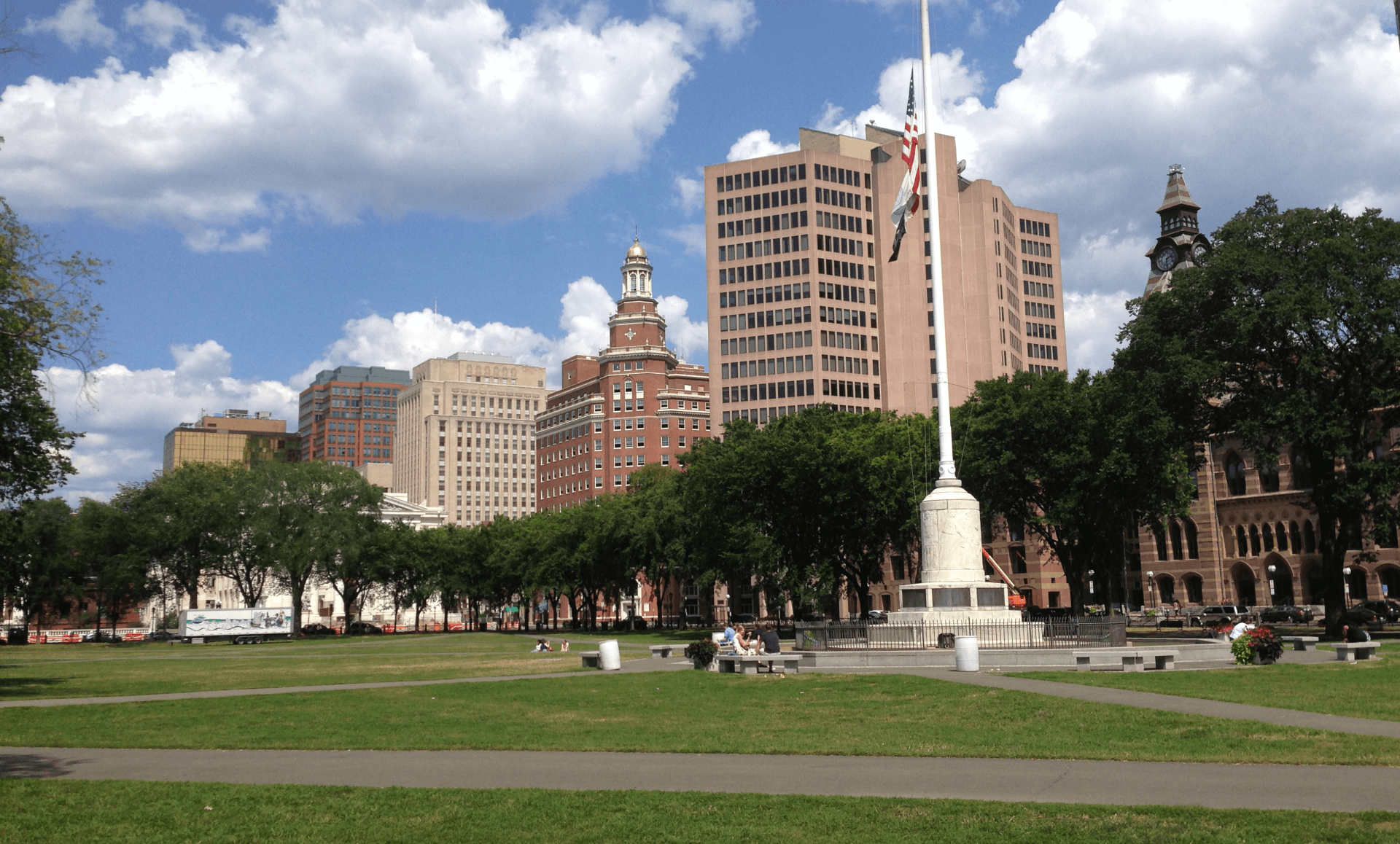
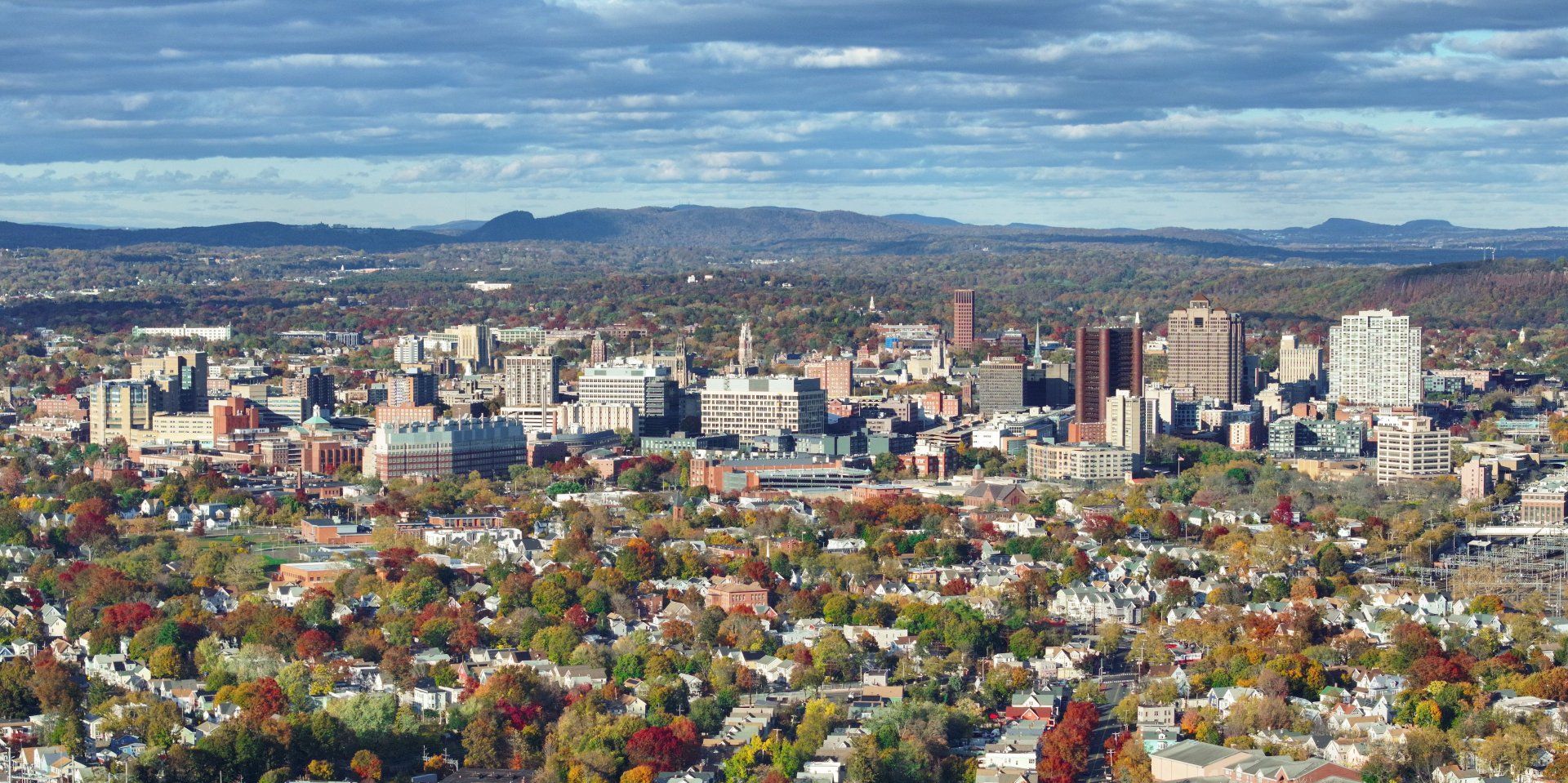
Founded in April 1638 by English Puritans led by Reverend John Davenport and merchant Theophilus Eaton, New Haven, Connecticut holds a singular place in American urban history as one of the country's first planned cities. Within a year of its founding, settlers laid out eight streets in a precise three-by-three grid — the famous Nine Square Plan — centered on the New Haven Green, a 16-acre public common that remains a National Historic Landmark to this day. That kind of deliberate, forward-thinking design still defines New Haven's character in ways that distinguish it sharply from neighboring Bridgeport, Milford, or West Haven.

Home to Yale University — the city's largest employer and taxpayer — New Haven draws a steady influx of researchers, medical professionals, students, and entrepreneurs who fuel a diverse local economy spanning healthcare, financial services, and the arts. The city's Tweed New Haven Airport and direct Amtrak and Metro-North rail connections place Boston and New York City within comfortable reach. With a median home price of $340,000 and a median age of just 29.5, New Haven offers an unusually dynamic combination of historic depth and youthful energy — making it a compelling destination for buyers who want a city still very much in the process of becoming.


Community Profile

One of the most intellectually vibrant cities on the East Coast, New Haven pulses with a youthful, educated energy that sets it apart from virtually every other market in Connecticut. The median age here is just 31.9 years — well below the national figure of 38.5 — reflecting a community shaped by students, young professionals, and early-career families who have chosen to put down roots in a city that rewards curiosity and ambition. That youthfulness is reinforced by a remarkable concentration of academic achievement: 38.9% of residents hold a bachelor's degree or higher, surpassing the national average, and 20.6% have earned a graduate or professional degree — a figure that speaks directly to the gravitational pull of Yale University and the city's broader research and healthcare ecosystem. Perhaps most striking, nearly half of degree holders — 49.6% — studied STEM fields, making New Haven one of the most technically skilled urban communities in New England.

The city's diversity is one of its most compelling attributes for buyers seeking a genuinely cosmopolitan neighborhood. With residents identifying as White (35.1%), Hispanic or Latino (31.0%), and Black (29.5%), New Haven offers a richness of culture, cuisine, and community that few cities of any size can match. At $286,324, the median home value sits comfortably below the national median of roughly $330,000, presenting a real opportunity for buyers to enter a high-demand, high-education market at an accessible price point. Commutes average just 21.5 minutes, and the city's density of 2,745 residents per square mile means that daily life — work, dining, culture — is refreshingly close at hand.

Things to Do

Arts & Culture

New Haven has earned its reputation as the "Cultural Capital of Connecticut" with good reason. The Yale University Art Gallery — the oldest university art museum in the Western Hemisphere — houses an extraordinary collection spanning thousands of years, and admission is free to the public. Nearby, the Yale Center for British Art holds the largest collection of British art outside the United Kingdom. For theater lovers, Shubert Theatre on College Street has hosted Broadway tryouts and touring productions for over a century, while Long Wharf Theatre and the Yale Repertory Theatre round out a performing arts scene that punches well above the city's weight class.

Outdoor Recreation

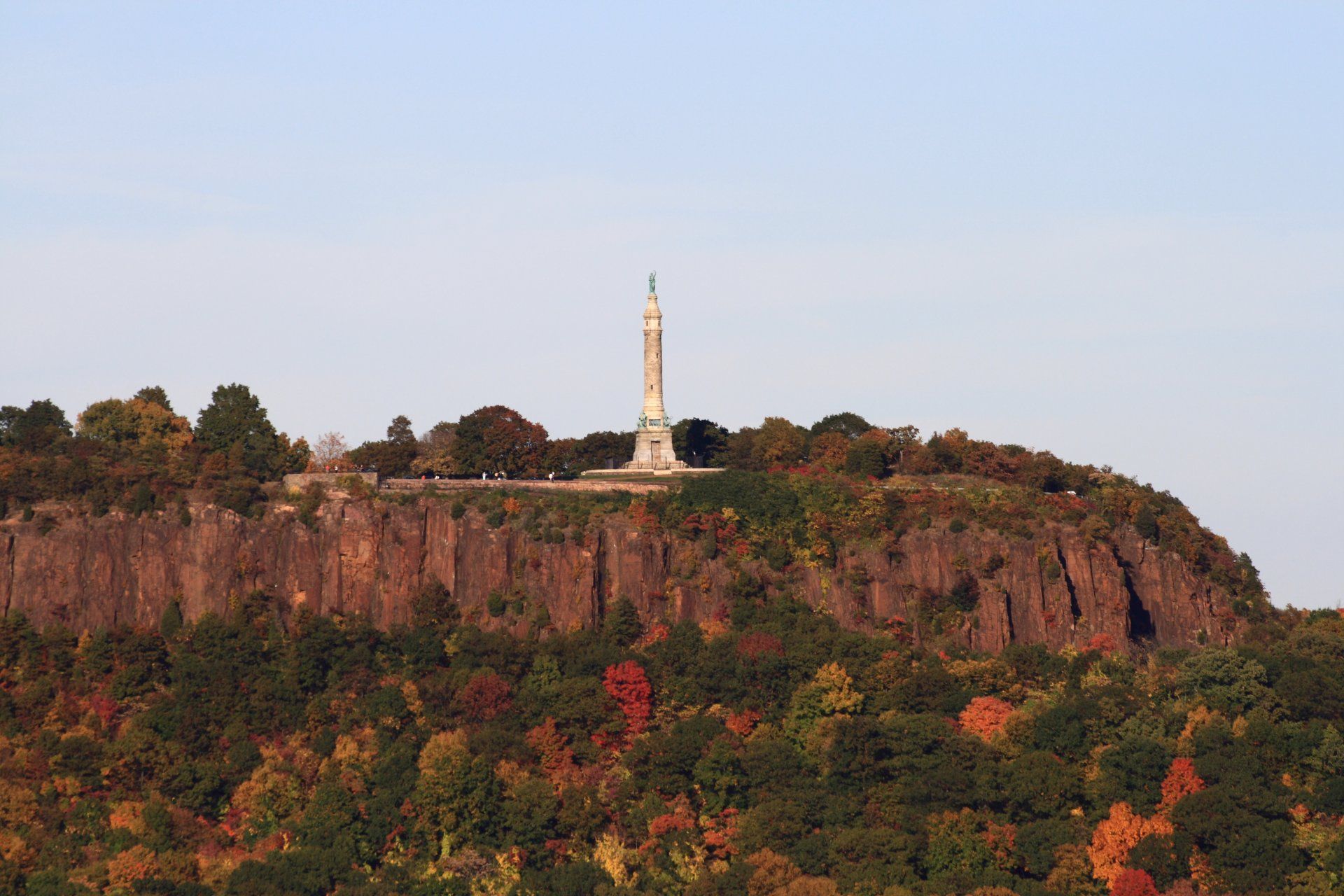
The New Haven Green, the historic 16-acre National Historic Landmark at the heart of downtown, is the city's living room — a gathering place for festivals, farmers markets, and warm-weather concerts. For more rugged escapes, East Rock Park offers dramatic traprock ridgeline trails with sweeping views of the harbor and Long Island Sound, and is one of the most beloved green spaces in the region. Edgewood Park provides a quieter, more pastoral setting with open meadows and a duck pond. The city's location on New Haven Harbor also makes it a natural base for kayaking, sailing, and waterfront walks along Long Island Sound.

Dining

New Haven's food scene is anchored by a pizza tradition that is genuinely world-famous. The city's distinctive thin-crust, coal-fired "apizza" style — found at legendary spots along Wooster Street — draws devoted pilgrims from across the country. Beyond pizza, the Wooster Square neighborhood and the Upper Chapel Street corridor offer a diverse range of restaurants reflecting the city's cosmopolitan, university-driven character, from casual ethnic eateries to acclaimed farm-to-table dining.

Family Activities & Shopping

The Peabody Museum of Natural History at Yale is a perennial family favorite, featuring dinosaur skeletons and natural history exhibits that captivate all ages. Broadway Shopping District near the Yale campus offers independent boutiques and bookstores, while Chapel Street provides a walkable mix of retail and cafés. Annual events like the International Festival of Arts & Ideas each June transform the Green and surrounding venues into a citywide celebration of performance and thought.

Latest Properties in New Haven

Loading...

Loading latest properties...

See All Properties in New Haven

History

New Haven's story begins with unusual precision. In April 1638, Reverend John Davenport and London merchant Theophilus Eaton led roughly five hundred Puritans into the harbor, purchasing land from the Quinnipiac tribe and establishing one of the most deliberately designed settlements in the New World. By 1639, eight streets had been laid out in a three-by-three grid — the famous Nine Square Plan — with the New Haven Green at its center. That 16-acre common, now a National Historic Landmark, remains the literal and symbolic heart of downtown, and the grid it anchors still shapes how buyers and developers think about the city's core.

In 1716, the Collegiate School relocated from Old Saybrook to New Haven, and two years later was renamed Yale College in honor of a major benefactor. Yale's presence has defined New Haven's economic and cultural identity ever since — today it remains the city's largest employer and taxpayer, a gravitational force that sustains demand for housing across multiple neighborhoods and price points.

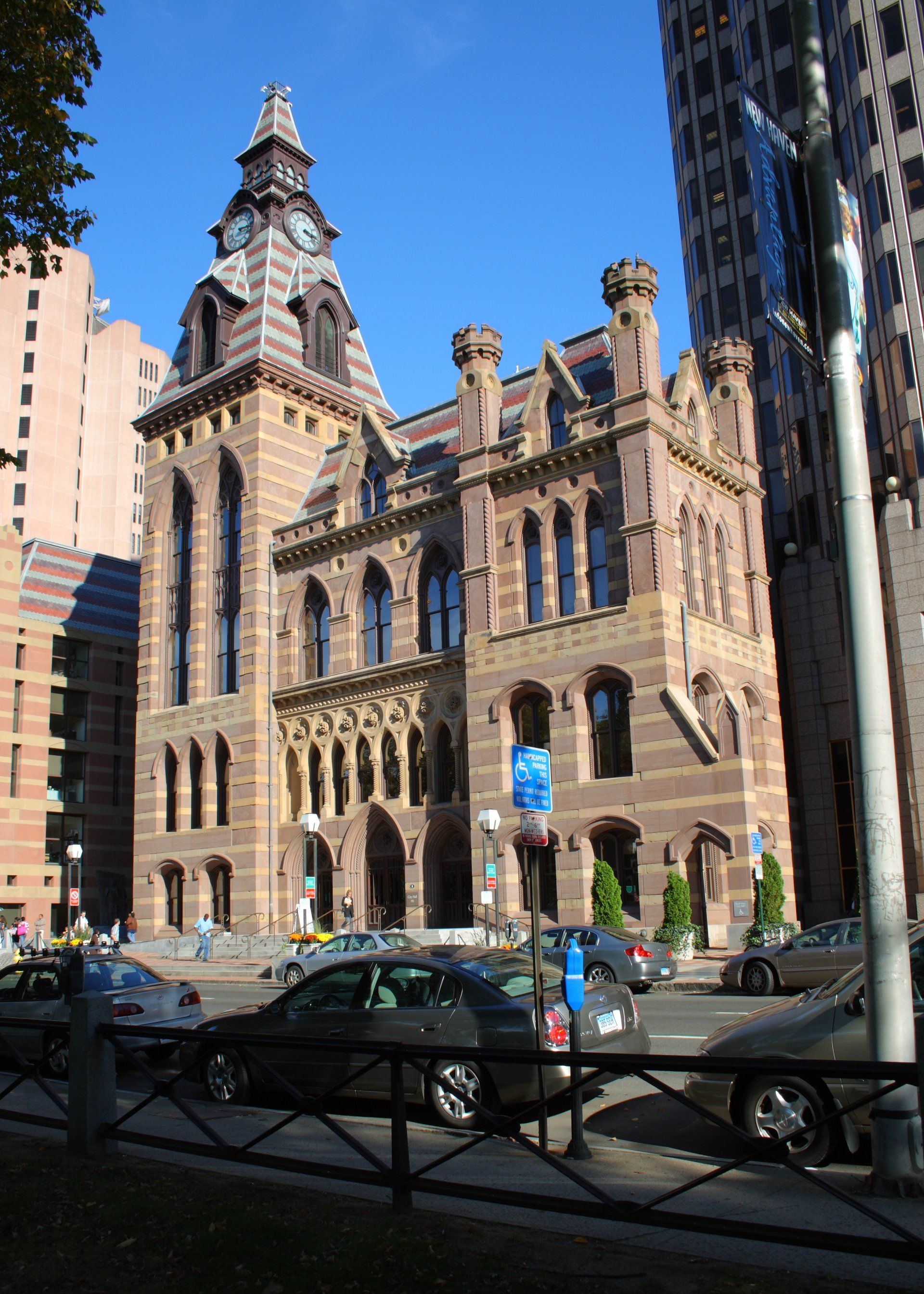
New Haven served as co-capital of Connecticut from 1701 to 1873, a period that reinforced its civic infrastructure and architectural ambitions. The city incorporated in 1784 and consolidated its current form in 1895. The 19th century also brought James Hillhouse's celebrated elm-planting campaign, which gave the city its enduring nickname, the Elm City.

That layered history — Puritan planning discipline, Ivy League institutional weight, and 19th-century civic pride — translates directly into today's real estate market. The Nine Square grid produces walkable, legible downtown blocks that attract young professionals, while Yale's ongoing expansion continues to generate demand in surrounding neighborhoods. With a median home price of $340,000 and a median age of just 29.5, New Haven balances historic bones with a distinctly forward-looking energy.

Weather

New Haven's Four-Season Climate

New Haven experiences a humid continental climate, shaped in meaningful ways by its position on the northern shore of Long Island Sound. The Sound acts as a thermal buffer, moderating temperature extremes compared to inland Connecticut — keeping summers slightly cooler and winters marginally milder along the shoreline. That said, New Haven still sees the full drama of New England's four seasons.

Summers are warm and humid, with daytime highs typically ranging from the mid-80s°F, occasionally pushing into the low 90s during heat waves. Nights cool into the mid-60s. Winters are cold but not severe by New England standards, with average highs in the mid-30s°F and lows dipping into the upper teens to low 20s. Snowfall is a regular feature from December through March, though coastal proximity can sometimes shift precipitation between snow and rain.

New Haven receives roughly 45–50 inches of precipitation annually, distributed fairly evenly throughout the year. Nor'easters are a notable seasonal hazard, capable of delivering significant snow or coastal flooding. Spring and fall are transitional and often beautiful, with crisp air and the kind of foliage that defines southern New England.

For homebuyers, the climate has real implications: efficient heating systems are essential, roofs and gutters need regular inspection ahead of winter, and homes with outdoor spaces — decks, gardens, patios — can be genuinely enjoyed for a solid five to six months of the year. Cooling costs are moderate, though central air conditioning is increasingly standard in the local market.

New Haven Market Analytics

The New Haven market is showing signs of stability and growth, with the average home value increasing by 5.1% over the past year to $319,281, according to data analyzed by Opulist. This suggests the market is balancing, with a moderate pace of sales and new listings, and homes taking around 32 days to go pending, indicating a relatively healthy and competitive market. Overall, the trends indicate a positive outlook for both buyers and sellers in the New Haven market.


1-Year Home Value Change: +5.1%

New Haven Home Value Index over time.

Can I Afford New Haven?
$
%
$0
Est. Monthly Payment
$0/yr
Salary Required

*Principal & interest only. Salary based on 28% debt-to-income ratio.

Get Pre-Approved for New Haven