
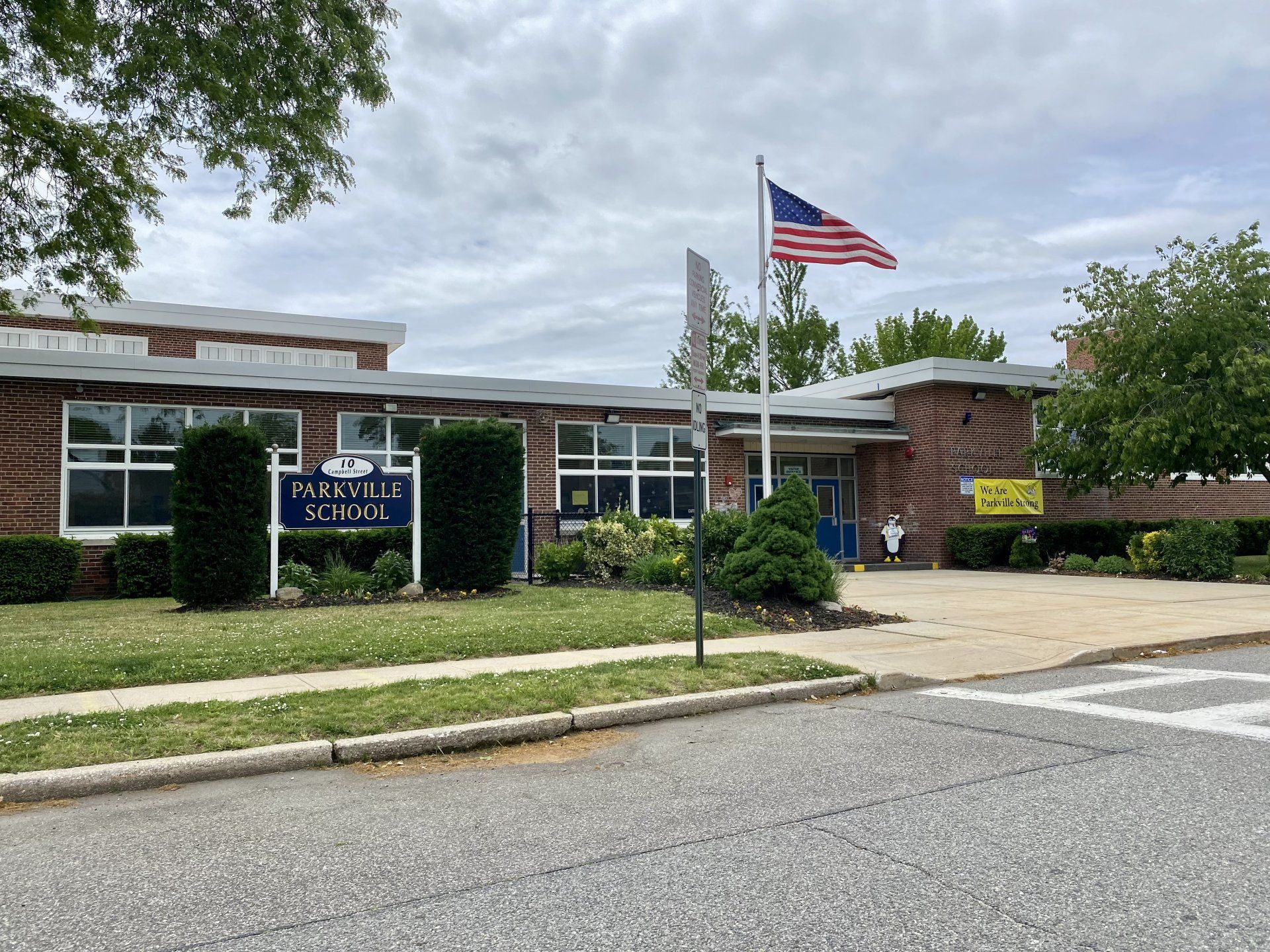
Incorporated in 1927 and covering just 0.85 square miles in Nassau County, New Hyde Park punches well above its weight as one of Long Island's most sought-after residential villages. Straddling the towns of Hempstead and North Hempstead, it occupies a geographic sweet spot that separates it from its neighbors — close enough to Floral Park, Garden City, and Stewart Manor to share their suburban polish, yet distinct in its own right as the anchor community of the broader New Hyde Park area. The Long Island Rail Road station connects residents to Penn Station with ease, making the daily commute to Manhattan far less daunting than the median home price of $953,000 might suggest — because here, buyers are investing in both a home and a lifestyle. The Sewanhaka Central High School District, which serves village students at the secondary level, is a consistent draw for families prioritizing education. With a median household income of $146,571, low poverty rates, and a genuinely diverse population, New Hyde Park offers the kind of stability that makes browsing homes for sale in New Hyde Park NY feel less like a search and more like a decision already made.
Welcome to New Hyde Park
Community Profile
Tucked into Nassau County on Long Island's western edge, this compact, high-achieving village of 10,220 residents paints a compelling picture for anyone browsing new hyde park houses for sale. The community's median household income of $142,927 — nearly double the national median of ~$75,000 — reflects a deeply professional population, with 72.7% of households earning six figures and 67.8% operating as dual-income families. That financial strength is backed by serious educational credentials: 48.3% of residents hold at least a bachelor's degree, 19.6% have earned a graduate degree, and a striking 54.4% hold STEM degrees, signaling a community of scientists, engineers, healthcare professionals, and technologists.
Stability is perhaps the defining trait here. An 86.9% homeownership rate — more than 20 points above the national average — speaks to residents who put down roots and stay, and a remarkably low poverty rate of just 3.6% underscores the economic security woven through the neighborhood. The median age of 43.2 years, with 54.9% of residents married and an average family size of 3.27, suggests a community anchored by established families across multiple life stages. Diversity adds further richness: 34.2% of residents identify as Asian, and the broader population reflects the multicultural energy of the greater New York metro. For those considering a house for sale in New Hyde Park NY, the uninsured rate of just 3.1% and a rent burden of only 23% of income round out a portrait of a community that is not just prosperous, but genuinely well-positioned for long-term quality of life.
Things to Do
Outdoor Recreation
Despite its compact footprint of less than one square mile, New Hyde Park offers residents meaningful green space for everyday outdoor enjoyment. New Hyde Park Memorial Park serves as a community anchor, providing open fields, playgrounds, and seasonal programming that draws families throughout the year. The broader Nassau County park system is easily accessible, and the flat, tree-lined streets of the village itself are well suited for walking, jogging, and cycling. The area's glacial geography — the same forces that deposited the famous Shelter Rock just to the north — created the gently rolling terrain that gives Long Island's inner suburbs their distinctive, parklike feel.
Dining & Local Flavor
Jericho Turnpike, the village's main commercial corridor, is lined with a diverse and well-regarded mix of restaurants reflecting New Hyde Park's multicultural character. The community's substantial South Asian population has helped cultivate a particularly strong selection of Indian and South Asian cuisine, making the stretch of Jericho Turnpike in and around New Hyde Park a genuine dining destination for Nassau County residents. You'll also find Italian, Chinese, Greek, and Middle Eastern options within easy reach, giving the village an outsized culinary identity for its size. Local delis and family-owned eateries add to the neighborhood character that makes this community feel lived-in and genuine.
Shopping & Everyday Conveniences
Retail along Jericho Turnpike covers everyday needs with ease — grocery stores, specialty shops, pharmacies, and service businesses are all within close reach. The proximity to larger shopping destinations in Garden City and Mineola means residents are never far from major retail centers, while the village's own commercial strips retain a pleasantly local, neighborhood scale.
Arts, Culture & Community Events
New Hyde Park's civic life is active and community-oriented. Village events, seasonal celebrations, and local programming through the parks department give residents regular opportunities to connect. The area's deep history — including its brief but remarkable role as home to the United Nations at the Sperry Gyroscope building on Marcus Avenue from 1946 to 1947 — adds a layer of historical significance that few suburban villages can claim.
Day Trips & Regional Attractions
New Hyde Park's central Nassau County location puts a remarkable range of destinations within easy reach. Long Island Rail Road service connects residents to Penn Station in under 40 minutes, opening up all of Manhattan's cultural institutions, sports venues, and entertainment. Jones Beach State Park, one of the great public beaches on the East Coast, is roughly 20 miles south. For those exploring homes for sale in New Hyde Park, NY, this combination of local amenity and regional access is a defining part of the village's everyday appeal.
Latest Properties in New Hyde Park
Loading latest properties...
History
From Dongan's Farm to a Coveted Nassau County Address
New Hyde Park's story begins in 1683, when Thomas Dongan — the fourth royal governor of New York — received an 800-acre land grant on Long Island that would eventually bear the village's name. Dongan built a mansion along what is now Lakeville Road, but his tenure was short-lived; by 1691, he had fled to New England and then Ireland following the political collapse of King James II. The estate passed through several hands before George Clarke, Secretary of the Province of New York, purchased it in 1715 and renamed it Hyde Park in honor of his wife, Ann Hyde. Clarke sold the property in 1783, and the land was gradually parceled into farms where cattle ranching dominated well into the mid-19th century.
The village's modern identity took shape in 1871, when a new local post office required a name change from Hyde Park to New Hyde Park to avoid confusion with the existing Hyde Park post office in Dutchess County. The Long Island Rail Road had already reached the area by 1837, steadily drawing commuters and reshaping the agricultural landscape into a residential one. The village was formally incorporated in 1927 following a resident vote, cementing its character as a tight-knit suburban community. A remarkable historical footnote: from 1946 to 1947, the United Nations temporarily convened at the Sperry Gyroscope building on Marcus Avenue, just outside the village's corporate limits.
The postwar decades brought the population surge that defines the neighborhood today — census records show the village nearly tripling from roughly 3,300 residents in 1930 to over 10,800 by 1960. That mid-century buildout produced the dense grid of single-family homes that now commands a median price of $953,000. For buyers exploring homes for sale in New Hyde Park, NY, that history translates directly into mature, established streetscapes, strong community institutions, and a location that has made this 0.84-square-mile village one of Nassau County's most enduring addresses.
Weather
New Hyde Park experiences a humid subtropical climate — the classification that applies to much of Long Island and the New York metropolitan area — with four distinct seasons and meaningful precipitation spread throughout the year. Its position on Nassau County's western Long Island brings a moderating maritime influence from the surrounding waters of Long Island Sound and the Atlantic Ocean, which softens temperature extremes compared to inland areas at similar latitudes.
Summers are warm and humid, with daytime highs typically ranging from the mid-80s°F and overnight lows settling in the upper 60s. Winters are cold but rarely severe by upstate New York standards — average highs hover in the mid-30s to low 40s°F, with lows dipping into the mid-20s during the coldest stretches. Snowfall is a regular winter feature, though accumulations tend to be moderate rather than heavy. Spring and fall are genuinely pleasant, making them the most comfortable seasons for outdoor living.
Annual precipitation is fairly evenly distributed across all four seasons, averaging around 45 to 50 inches per year, with occasional nor'easters bringing significant rain or snow in late fall and winter. Humidity can make summer feel more intense than the thermometer suggests.
For those exploring homes for sale in New Hyde Park NY, the climate has real practical implications: central air conditioning is a meaningful comfort upgrade in summer, heating costs are a genuine budget consideration from November through March, and homes benefit from regular roof and gutter maintenance ahead of nor'easter season.
New Hyde Park Market Analytics
New Hyde Park Home Value Index over time.
Can I Afford New Hyde Park?
Weather