
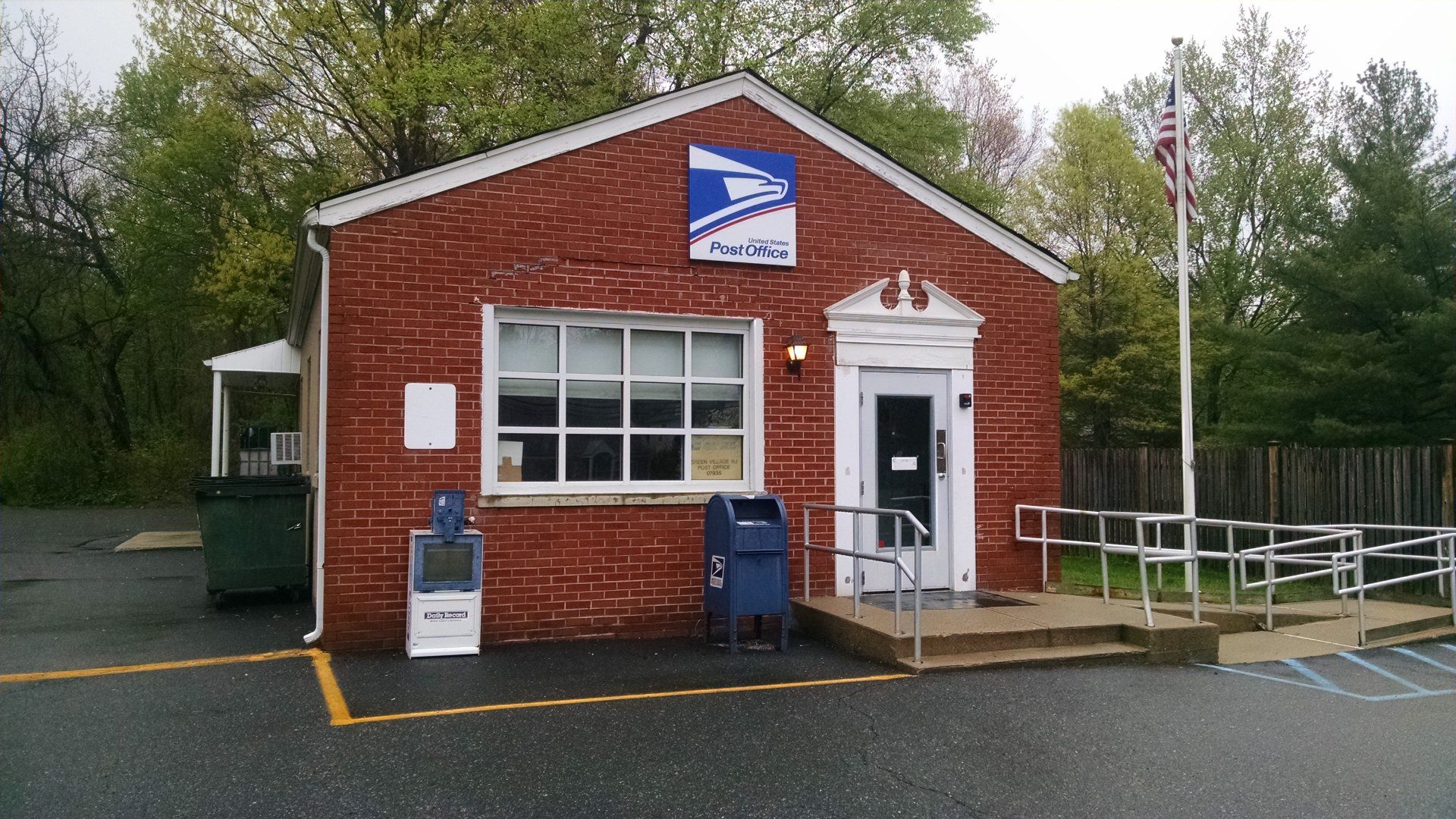
New Village, New Jersey

Location:
New Village, NJ

Welcome to New Village

Situated along Route 57 in Franklin Township, Warren County, New Village, New Jersey carries a history that few communities its size can match. In 1899, Thomas Edison established the Edison Portland Cement Company here after discovering rich limestone deposits in the area — a venture that would eventually supply concrete for the construction of Yankee Stadium. That legacy of industry rising from the land still shapes the character of this small census-designated place, where rolling terrain, preserved farmland, and open space define everyday life in a way that nearby suburban townships simply cannot replicate.

With a population of just under 400 residents, New Village offers something increasingly rare in northern New Jersey: genuine rural quiet within reach of regional amenities. Bread Lock Park anchors the community's recreational life, featuring walking and exercise trails, picnic areas, and a StoryWalk program that weaves literature into the outdoor landscape. Families here are served through Franklin Township's school system, and the community's position near Phillipsburg provides access to cross-Delaware River connections into Pennsylvania's Lehigh Valley.

For buyers seeking a slower pace without sacrificing regional connectivity, New Village represents a compelling and historically grounded place to put down roots — one whose story is still being written.


Community Profile

Tucked into the rolling hills of Warren County, this quietly prosperous hamlet of just 335 residents offers a rare combination of financial strength and small-community intimacy that is genuinely hard to find in today's market. With a median household income of $111,094 — nearly 50% above the national median — and a remarkable 59.3% of households earning six figures or more, New Village punches well above its weight economically. Yet home values remain surprisingly accessible, with a median home value of $286,783, actually below the national median, meaning buyers get strong-income neighbors and a grounded price point in the same package.

Homeownership here is a defining characteristic of community life: a striking 91.3% of residents own their homes, compared to roughly 65.5% nationally, signaling deep roots and long-term commitment to the neighborhood. The median age of 44.7 years reflects a mature, established community, with 25.7% of residents over 65 lending the area a settled, neighborly character. A notable 17% of residents are veterans, adding to the sense of civic pride and stability. The workforce is particularly distinguished by its technical expertise — a full 41% of degree holders have STEM backgrounds — and the community reports a remarkable 0% unemployment rate. With an average commute of 36.6 minutes into the broader Allentown-Bethlehem-Easton metro corridor, residents enjoy genuine small-town tranquility without sacrificing regional connectivity.

Things to Do

Outdoor Recreation

New Village's greatest recreational asset is Bread Lock Park, a community green space that perfectly captures the area's quiet, rural spirit. The park features picnic areas, walking and exercise trails, and a beloved StoryWalk program — a charming initiative that places illustrated story panels along a nature path, weaving children's literature into the outdoor experience. It's an ideal destination for families with young children and anyone who appreciates a peaceful afternoon surrounded by Warren County's rolling hills and mixed deciduous woodlands.

History & Heritage

New Village carries a remarkable industrial legacy that rewards curious visitors. Thomas Edison himself established the Edison Portland Cement Company here in 1899 after discovering rich deposits of Jacksonburg Limestone — the same concrete eventually helped build Yankee Stadium. The remnants of this era, including historic quarry sites now integrated into the natural landscape, offer a fascinating window into early 20th-century American industry. Exploring the area along Route 57 reveals traces of the old Morris Canal corridor, one of the engineering marvels of the 1820s that first put New Village on the map.

Nearby Dining & Shopping

New Village itself is a small, intimate community of under 400 residents, so dining and retail are found in nearby towns. Phillipsburg, just a short drive west, offers a growing selection of restaurants, cafés, and local shops along the Delaware River. The city of Easton, Pennsylvania, roughly six miles away across the river, provides a lively downtown with farmers markets, boutique dining, and cultural venues including the Crayola Experience — making it a popular day-trip destination for New Village families.

Seasonal & Outdoor Activities

The surrounding Franklin Township landscape — where nearly half the land remains agricultural — invites seasonal exploration. Fall brings spectacular foliage across the oak, hickory, and maple forests blanketing Pohatcong Mountain and Scotts Mountain. Anglers and nature lovers gravitate toward the nearby Musconetcong and Pohatcong rivers, both offering scenic corridors for fishing, birdwatching, and quiet walks. The region's preserved farmland also supports farm stands and agricultural events that reflect the community's deep-rooted connection to the land.

Latest Properties in New Village

Loading...

Loading latest properties...

See All Properties in New Village

History

From Canal to Cement: The History of New Village, NJ

New Village, tucked within Franklin Township in Warren County, took shape as a recognizable community in the early 1800s, its growth tied directly to the construction of the Morris Canal during the 1820s and 1830s. The canal transformed what had been isolated farmland in the Kittatinny Valley into a corridor of commerce, enabling farmers and merchants to move goods efficiently and spurring the construction of homes and commercial buildings along its route. A post office established on December 28, 1821 — initially under Sussex County before Warren County was organized in 1824 — gave the settlement an early civic identity. Later in the century, a trolley line operated by the Easton-Washington Traction Company, running between Port Colden and Phillipsburg, brought another wave of development.

The most consequential chapter in New Village's history began in 1898, when Thomas Edison discovered rich deposits of cement rock nearby. In 1899, he established the Edison Portland Cement Company here, constructing a large mill complex that became the backbone of the local economy. The operation supplied concrete for landmark projects including Yankee Stadium, cementing New Village's place in American industrial history. By 1925, the arrival of electric lighting supported further settlement around the village core.

That industrial past left a lasting imprint on the landscape. The limestone quarrying that fed Edison's mill shaped the underlying terrain, and reclaimed portions of those sites now blend into the rural scenery that defines the area today. Franklin Township was formally incorporated on February 15, 1839, providing the municipal structure that still governs New Village. With roughly 399 residents as of the 2020 Census and approximately 46% of surrounding township land in agricultural use, New Village has remained deliberately small — a quality that draws buyers seeking genuine rural character in Warren County's rolling hills.

Weather

New Village, New Jersey experiences a humid continental climate, characteristic of inland northwestern New Jersey and the broader Ridge and Valley region of Warren County. Positioned well away from the moderating influence of the Atlantic Ocean, the community sees pronounced seasonal swings that define life here throughout the year.

Summers are warm and humid, with daytime highs typically ranging from the mid-80s°F, occasionally climbing into the low 90s during heat waves. Overnight lows generally settle in the mid-60s°F. Winters are cold and snowy, with average highs in the mid-30s°F and lows frequently dipping into the teens and low 20s. The surrounding ridgelines of Pohatcong Mountain and Scotts Mountain can enhance snowfall totals compared to lower-lying areas, and cold air tends to pool in the valley during clear winter nights.

Precipitation is fairly evenly distributed across all four seasons, averaging around 45–50 inches annually, with snowfall accumulations that can be significant from December through March. Spring and summer bring occasional thunderstorms, and the region's limestone terrain means drainage can be brisk but localized flooding near stream corridors is possible.

For prospective homeowners, these weather patterns carry real practical weight. Heating costs are a meaningful budget consideration, and homes here benefit from quality insulation and efficient systems. Outdoor living spaces — decks, gardens, and porches — are genuinely enjoyable from late spring through early fall, making them worthwhile investments. Seasonal maintenance, including roof inspections after heavy snow and gutter clearing in autumn, is simply part of responsible homeownership in this climate.

New Village Market Analytics

The New Village market is experiencing a steady upward trend, with home values increasing by 3.5% over the past year, indicating a stable and growing market. With a sale-to-list ratio of 1.017, this suggests the market is slightly favoring sellers, and the fact that 60.6% of sales are above list price further supports this. As a trusted partner at Opulist, we can help you navigate this market and make informed decisions about your home buying or selling needs.


1-Year Home Value Change: +3.5%

New Village Home Value Index over time.

Can I Afford New Village?
$
%
$0
Est. Monthly Payment
$0/yr
Salary Required

*Principal & interest only. Salary based on 28% debt-to-income ratio.

Get Pre-Approved for New Village