
New York, New York

Location:
New York, NY

Welcome to New York

Founded as a Dutch trading post on Manhattan Island in 1624, New York City stands apart from every other American city in ways that are almost impossible to overstate. With a population of 8.47 million spread across five boroughs — Manhattan, Brooklyn, Queens, the Bronx, and Staten Island — it is the most populous and most densely settled major city in the United States, producing an annual economic output exceeding $1.2 trillion. No neighboring metro compares: New York has more than double the population of Los Angeles, and its metropolitan area of over 20 million people functions as the country's undisputed financial, cultural, and diplomatic capital.

What makes living here genuinely different is the depth of infrastructure and opportunity packed into every neighborhood. The New York City Subway runs 24 hours a day, connecting residents from the SoHo neighborhood in lower Manhattan to the far reaches of Queens and the Bronx without a car. Central Park offers 843 acres of green space at the center of the world's most valuable real estate market. Columbia University and New York University anchor a higher education ecosystem that draws talent from every country on earth.

With a median home price of $1,049,100 and an unmatched concentration of economic opportunity, New York City remains the most consequential address in the world — and for buyers and investors willing to commit, that distinction only deepens over time.


Community Profile

Few cities on earth pack as much human energy into a single place as this one. With a population of over 19.2 million across the metro area and a density of 10,943 people per square mile, New York is a community defined by its extraordinary scale and dynamism — and for buyers ready to plant roots here, that density translates into walkable neighborhoods, world-class transit, and a richness of daily life that simply cannot be replicated. The median age of 38.2 years sits right at the national average, but the real story is in the spread: a robust 16% of residents are in their 30s, and young adults in their 20s make up another 14.2%, signaling a city that continuously attracts ambitious, career-building newcomers.

The educational profile here is genuinely impressive. 41.7% of residents hold a bachelor's degree or higher — well above the national rate of roughly 33% — and 17.7% have earned a graduate degree, reflecting the concentration of finance, medicine, law, and technology industries that define the city's economy. Household incomes reflect that expertise: the median household income reaches $80,483, above the national median, and a remarkable 41.7% of households earn six figures or more. The community is also strikingly diverse, with residents identifying as Hispanic or Latino (28.5%), Black (21.9%), Asian (14.7%), and multiracial (12.3%), making New York one of the most genuinely multicultural places to call home in the world. For those looking to buy a home in New York, the median home value of $775,859 reflects both the premium and the long-term investment strength of owning in one of the most sought-after real estate markets anywhere — a market where demand has proven remarkably resilient across generations.

Things to Do

Arts & Culture

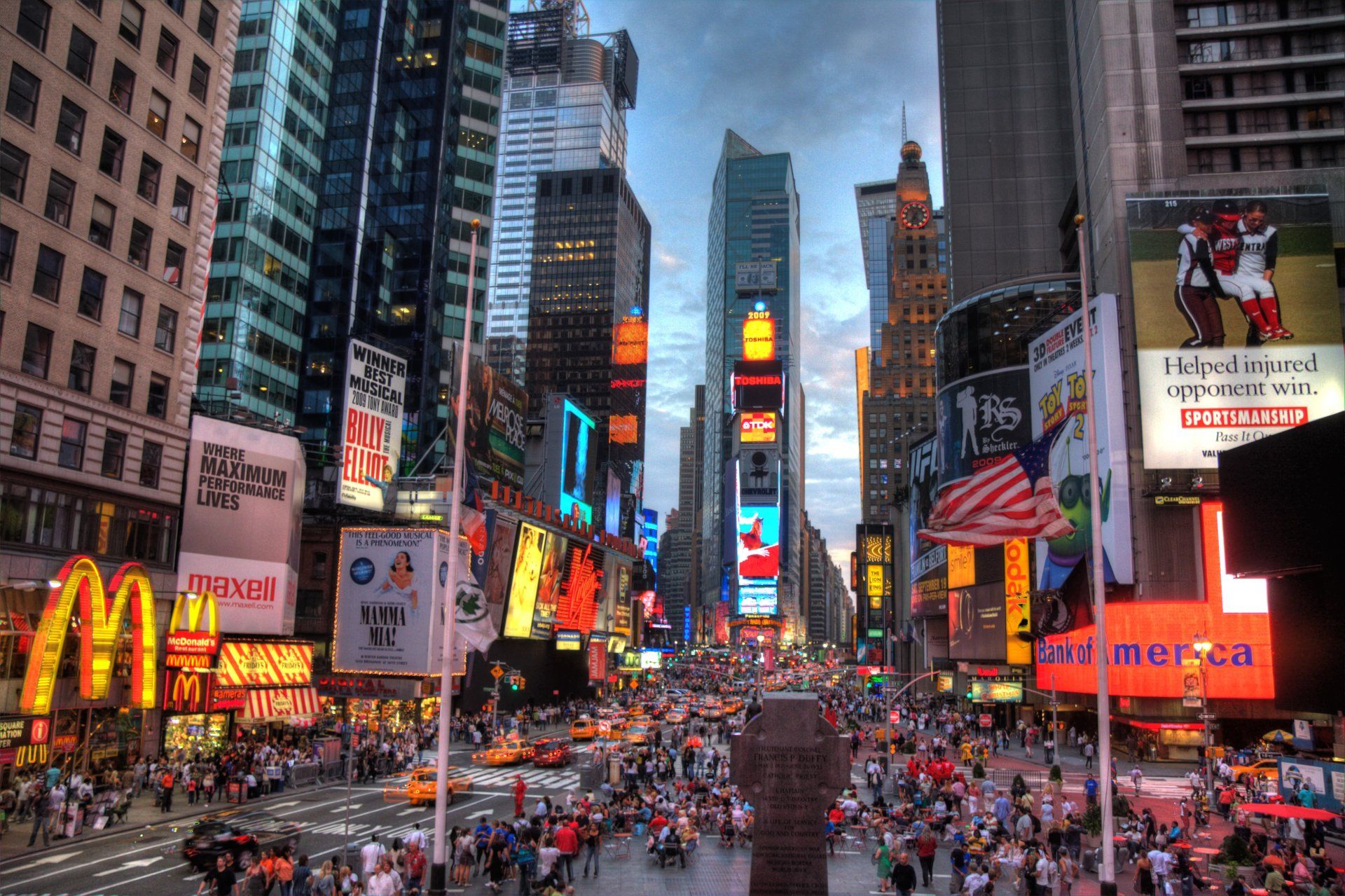
New York City is one of the great cultural capitals of the world, and its institutions are nothing short of legendary. The Metropolitan Museum of Art on Fifth Avenue houses over two million works spanning five thousand years of human history — plan to spend an entire day. Nearby, the Guggenheim Museum offers a striking Frank Lloyd Wright building as much as the modern art within. For theater, Broadway remains the gold standard of live performance, with dozens of shows running simultaneously in the Theater District around Times Square. Downtown, the soho neighborhood nyc is a destination in its own right — cast-iron architecture, world-class galleries, and some of the city's most compelling street-level culture concentrated in just a few walkable blocks.

Outdoor Recreation

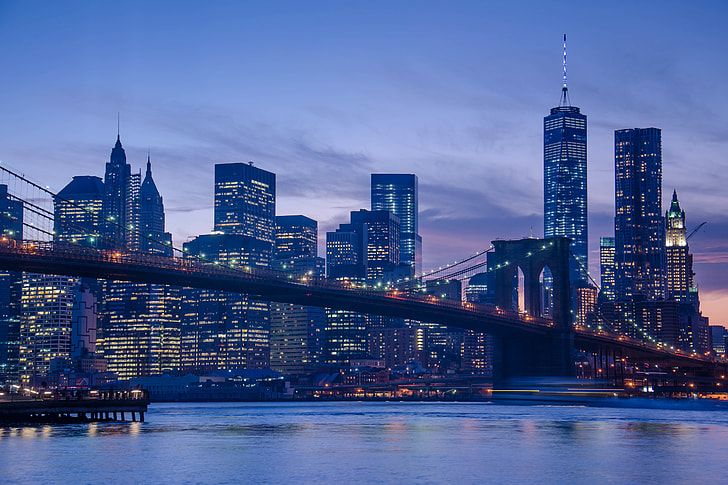
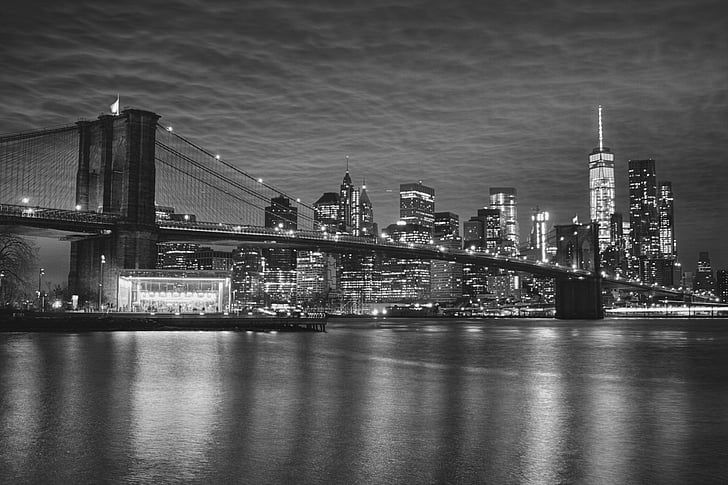
Central Park is the city's great green lung — 843 acres of meadows, lakes, and wooded paths in the heart of Manhattan, perfect for running, cycling, rowing, or simply sitting on the grass. Across the boroughs, Prospect Park in Brooklyn offers a similarly beloved escape, while the High Line in Chelsea transforms an elevated rail corridor into a linear park with sweeping Hudson River views. The Brooklyn Bridge pedestrian walkway rewards a crossing with some of the most photographed skyline views on earth.

Dining & Neighborhoods

New York's dining scene is genuinely unmatched. From dim sum in Flushing, Queens to Michelin-starred tasting menus in the West Village, the city feeds every appetite and every budget. The soho neighborhood draws food lovers to its mix of upscale bistros and casual international eateries. Chinatown, the Lower East Side, and Astoria each offer deep, authentic culinary traditions worth exploring on their own terms.

Family Activities & Sports

Families will find endless options, from the American Museum of Natural History and the Bronx Zoo to the Intrepid Sea, Air & Space Museum on the Hudson. Sports fans can catch the New York Yankees at Yankee Stadium in the Bronx or the New York Mets at Citi Field in Queens. Madison Square Garden hosts the Knicks and Rangers year-round, and the energy inside on a big game night is quintessentially New York.

Latest Properties in New York

Loading...

Loading latest properties...

See All Properties in New York

History

From New Amsterdam to the World's Most Expensive Market

New York City's real estate story begins in 1624, when Dutch traders established a settlement at the southern tip of Manhattan Island. By 1626, VOC director Peter Minuit had formalized Dutch control over the island, and the outpost of New Amsterdam began to take shape around what is now Lower Manhattan — the same Financial District that commands some of the city's highest commercial property values today. When English forces seized the colony in 1664 and renamed it New York in honor of James, Duke of York, they inherited a port whose geographic advantages — a deep natural harbor at the mouth of the Hudson River — were already defining its destiny.

The 1898 consolidation of five boroughs into a single municipality was arguably the most consequential moment in the city's development history. Manhattan, Brooklyn, Queens, the Bronx, and Staten Island unified under one government, triggering waves of infrastructure investment, transit expansion, and neighborhood formation that still shape property values today. The subway system that followed knit together communities from Flushing to Far Rockaway, and the neighborhoods built around those early stations — Astoria, Park Slope, Harlem — remain among the most sought-after addresses in the city.

From 1892 to 1954, over 12 million immigrants passed through Ellis Island, seeding the extraordinary cultural density that defines neighborhoods across all five boroughs. Areas like the SoHo neighborhood evolved from 19th-century industrial use into cast-iron manufacturing districts, then into the SoHo neighborhood NYC arts enclave of the 1970s, and ultimately into some of the most expensive residential real estate in the world. That layered history — Dutch, English, immigrant, industrial, artistic — is embedded in the city's built fabric and reflected in today's median home price of $1,049,100.

Weather

New York City's Climate: Four Seasons in Full Force

New York City experiences a humid subtropical climate — technically straddling the boundary with humid continental — characterized by four genuinely distinct seasons. The city's position on the Atlantic coast at the mouth of the Hudson River gives it a moderating maritime influence, though not enough to soften its winters or summers entirely.

Summers are warm and humid, with daytime highs typically ranging from the mid-80s°F and occasionally pushing into the low 90s, while overnight lows settle in the mid-60s to low 70s. Winters are cold but not severe by northeastern standards — average highs hover in the upper 30s to low 40s°F, with lows dipping into the mid-20s during the coldest stretches. Snowfall is a regular winter feature, though accumulations vary considerably year to year.

Precipitation is fairly evenly distributed throughout the year, averaging around 46–50 inches annually. The city is also vulnerable to nor'easters and, less frequently, the remnants of tropical storms that track up the Atlantic seaboard — a reality that shapes flood-zone considerations across lower-lying neighborhoods.

For real estate, the climate has real consequences. Heating and cooling costs are both meaningful line items for city residents, and older building stock — common across Manhattan and beyond, from the SoHo neighborhood to the outer boroughs — often demands seasonal maintenance attention. Roof integrity, window insulation, and basement waterproofing are perennial concerns. On the upside, the city's temperate springs and autumns make outdoor living genuinely rewarding for much of the year.

New York Market Analytics

The New York real estate market is showing signs of stability, with a 4% increase in average home value over the past year, reaching $812,534, according to data analyzed by Opulist. This suggests the market is balancing, with a relatively high percentage of sales occurring below list price, indicating that sellers may be adjusting their expectations. Additionally, the median days to pending is around 84 days, which is a moderate pace, indicating a healthy and active market.


1-Year Home Value Change: +4%

New York Home Value Index over time.

Can I Afford New York?
$
%
$0
Est. Monthly Payment
$0/yr
Salary Required

*Principal & interest only. Salary based on 28% debt-to-income ratio.

Get Pre-Approved for New York