
Niagara Falls, New York

Location:
Niagara Falls, NY

Welcome to Niagara Falls

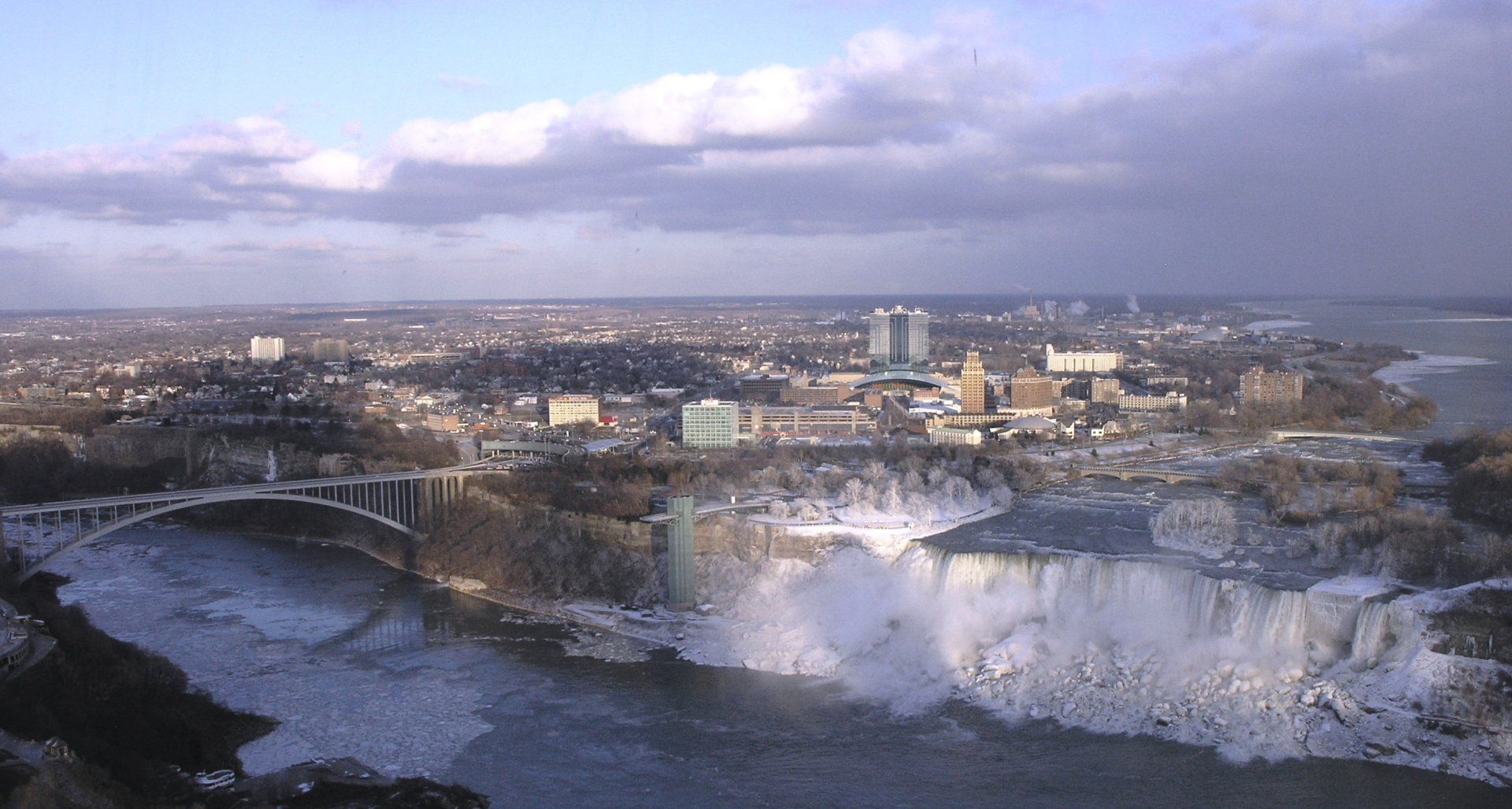
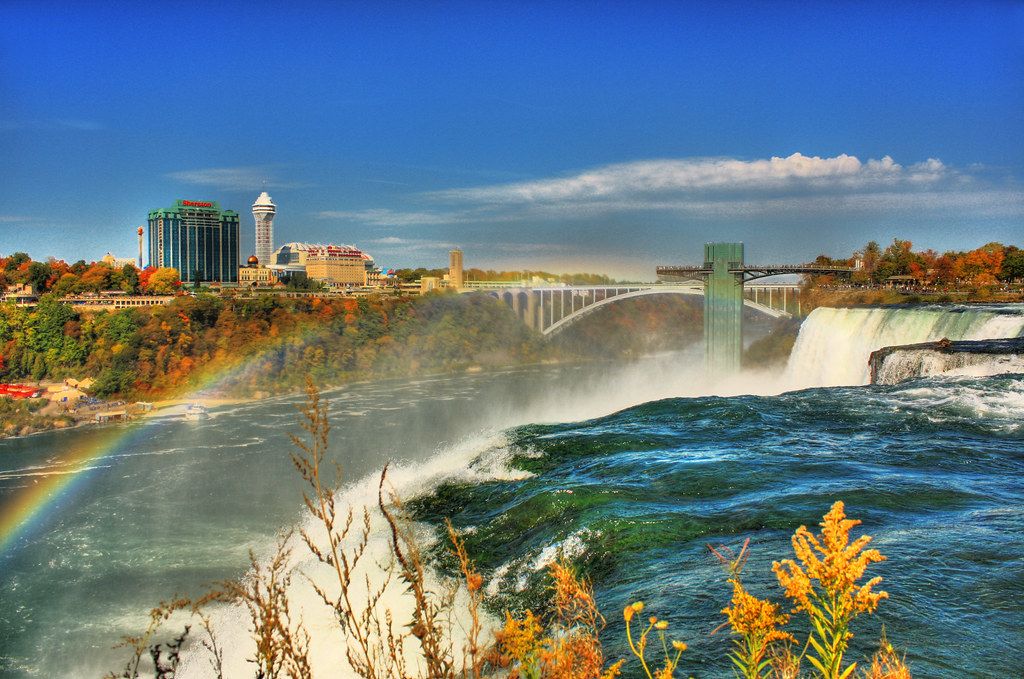
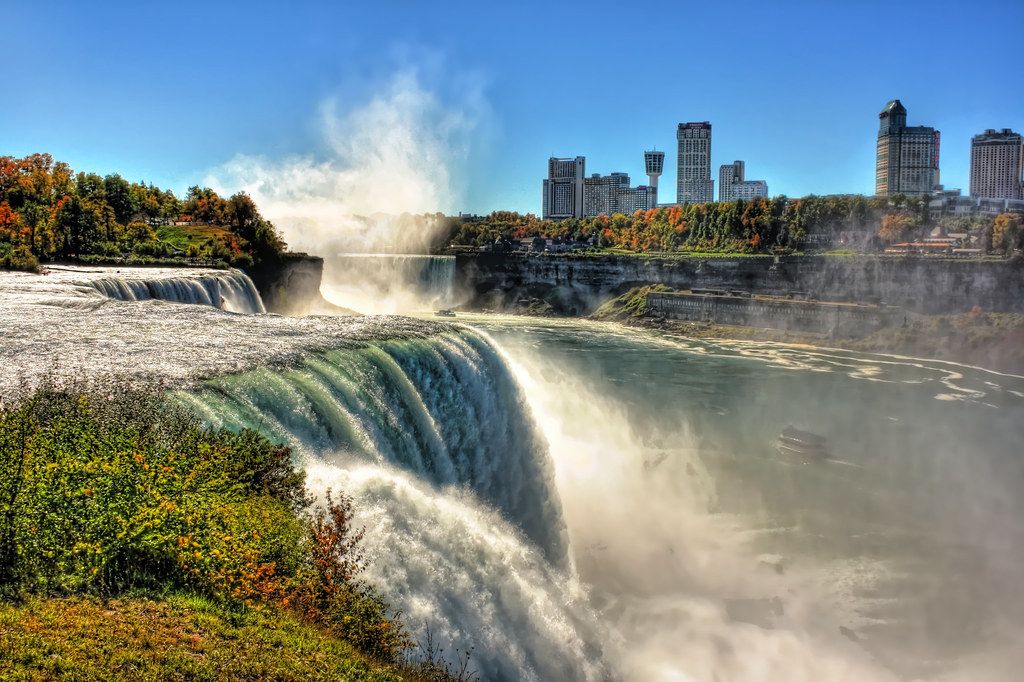
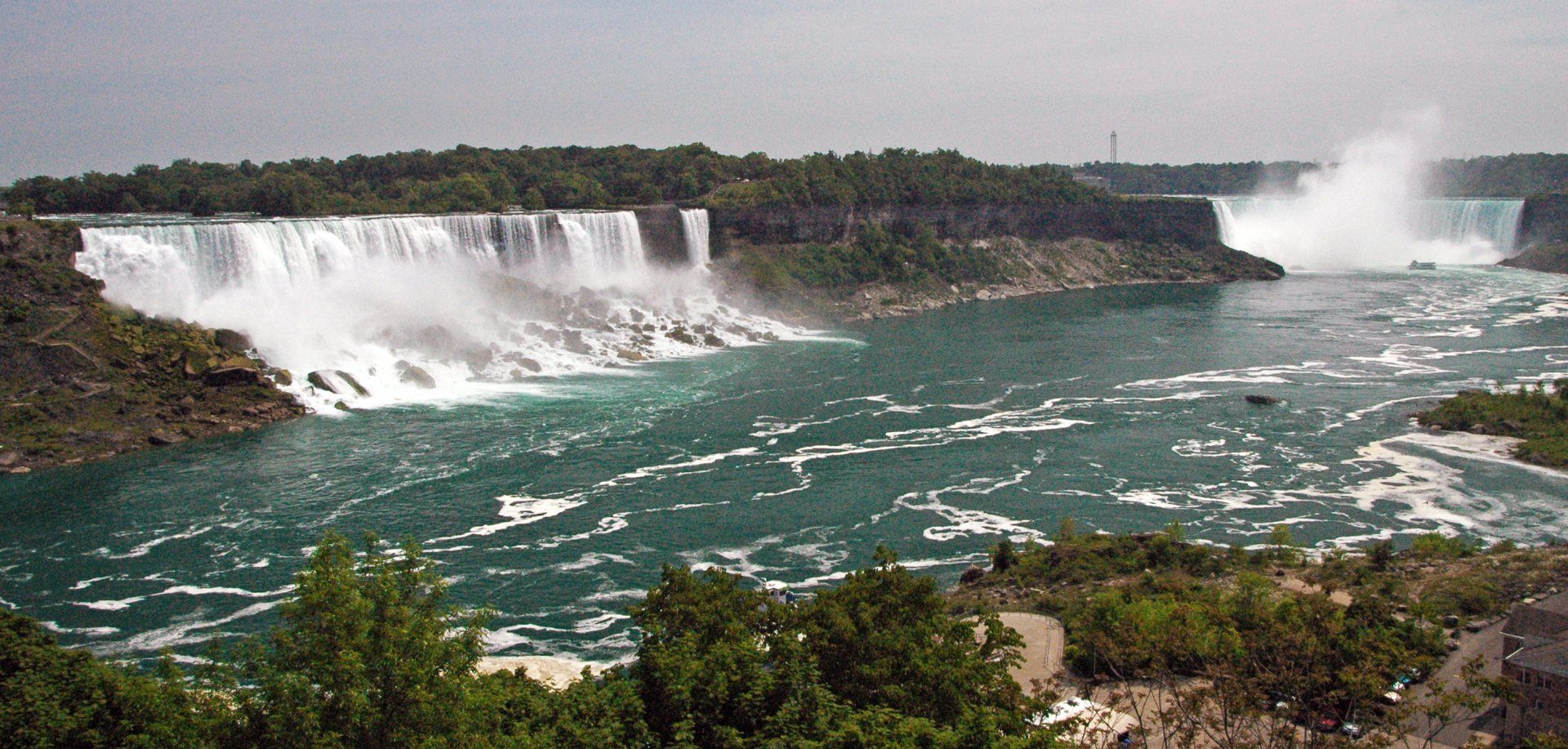
Situated on the Niagara River in Niagara County, directly across from its Canadian twin city of Niagara Falls, Ontario, Niagara Falls, New York occupies one of the most geographically dramatic positions of any city in the United States. The American Falls and Bridal Veil Falls — both entirely on the New York side — pour over the Niagara Escarpment at flows regulated by an international treaty, a distinction no other American city can claim. What sets this city apart from neighboring Buffalo, Lockport, or Lewiston is straightforward: the falls themselves, along with Niagara Falls State Park, the oldest state park in the nation, sit within the city limits, making world-class natural spectacle a literal part of daily life here.

The Niagara Falls City School District serves local families, while the broader region benefits from infrastructure built around one of North America's most powerful hydroelectric systems, generating over two gigawatts of capacity through New York Power Authority facilities. Interstate access and proximity to the Lewiston-Queenston Bridge and Rainbow Bridge border crossings connect residents to both the Greater Toronto Area and Buffalo's metropolitan economy. For buyers who want affordability, genuine history, and a city actively reinvesting in its waterfront and downtown, Niagara Falls, New York presents a compelling case right now.


Community Profile

Situated along one of the world's most iconic natural landmarks, this Western New York city of nearly 48,000 residents offers a compelling case for buyers seeking affordability without sacrificing community depth. The median home value here is just $115,561 — a fraction of the national median near $330,000 — meaning buyers can build equity quickly and enter the market at a price point that leaves room to breathe financially. Renters also benefit, with a median monthly rent of only $823, one of the most accessible figures in the broader Buffalo-Cheektowaga metro area.

The community skews slightly older than the national average, with a median age of 40.8 years and 18.5% of residents aged 65 or older, lending the city a settled, established character that many buyers find reassuring. Families here tend to be close-knit, with an average family size of 2.8 and a notably youthful base — over 22% of residents are under 20 — suggesting a city with generational continuity and active neighborhood life. The population is genuinely diverse, with 18.6% Black residents, 7.6% Hispanic or Latino, and 11.3% identifying as two or more races, creating a richly multicultural fabric.

For working households, the average commute of just 19.1 minutes is a meaningful quality-of-life advantage, and a surprisingly strong 40.1% of degree holders have backgrounds in STEM fields — reflecting the area's deep industrial and technical heritage. With a low uninsured rate of just 4.1% and a homeownership rate of 58.5%, residents here demonstrate real investment in their community's future.

Things to Do

Natural Wonders & Outdoor Recreation

Niagara Falls, New York sits at the edge of one of the most awe-inspiring natural spectacles on Earth, and the outdoor experiences here are genuinely world-class. Niagara Falls State Park — the oldest state park in the United States, established in 1885 — puts visitors within arm's reach of American Falls, Bridal Veil Falls, and sweeping views of the massive Horseshoe Falls. Walk across to Goat Island, which divides the American and Canadian falls, and follow the trail to Luna Island for a perspective that few visitors discover. The park's Cave of the Winds attraction descends by elevator into the gorge, placing you on wooden walkways just feet from the base of Bridal Veil Falls — an experience that is equal parts drenching and unforgettable. For a broader view of the gorge and its dramatic geology, the Niagara Gorge Trail System offers several miles of hiking along the ancient river canyon carved over 12,000 years of erosion.

Arts, Culture & History

The Niagara Falls Underground Railroad Heritage Center, located in the historic Customs House on Main Street, tells the powerful story of freedom seekers who crossed the Niagara River into Canada — one of the most compelling chapters in American history. The Niagara Falls History Museum on the Canadian side is a short walk across the Rainbow Bridge, but the American city has its own rich industrial and cultural heritage worth exploring. The Castellani Art Museum at Niagara University, just a few miles south, houses an impressive permanent collection spanning contemporary and folk art.

Family Activities

Beyond the falls themselves, Maid of the Mist boat tours depart from the base of Observation Tower in the state park, carrying passengers directly into the mist-filled basin below Horseshoe Falls — a tradition stretching back to the 1840s. The Aquarium of Niagara on Whirlpool Street offers a full day of marine life exhibits, including sea lions and sharks, ideal for families with younger children.

Dining & Local Flavor

The dining scene along Old Falls Street, the pedestrian corridor connecting the state park to downtown, has grown considerably in recent years, with casual restaurants and bars catering to the millions of visitors who pass through annually. The area rewards those who explore a few blocks off the main tourist path, where locally owned spots serve everything from classic American fare to international cuisine reflecting the city's diverse community.

Latest Properties in Niagara Falls

Loading...

Loading latest properties...

See All Properties in Niagara Falls

History

From Industrial Powerhouse to Emerging Market

Niagara Falls, New York's story is inseparable from the thundering water that defines it. Long before European contact, the Neutral Confederacy and later the Seneca Nation of the Haudenosaunee inhabited these lands, drawn by the same river that would eventually power an industrial empire. French explorers documented the falls in the late 17th century, and by the early 19th century the area had become one of North America's first tourist destinations, drawing visitors who arrived by rail to witness what was already considered one of the continent's great natural wonders.

The city's most transformative chapter began in the 1890s, when Nikola Tesla and George Westinghouse harnessed the Niagara River to generate alternating-current electricity — a breakthrough that electrified the modern world and turned this small city into an industrial magnet. Electrochemical and manufacturing plants followed, and Niagara Falls, New York grew rapidly through the early 20th century. The postwar decades brought working-class neighborhoods of modest but solid single-family homes, many of which still define the city's residential fabric today.

The second half of the 20th century brought painful contraction. Industrial decline, the Love Canal environmental disaster of the late 1970s, and population loss reshaped the city profoundly, leaving a legacy of affordable housing stock and significant vacancy. Yet that same affordability now attracts a new generation of buyers — investors, remote workers, and first-time homeowners priced out of Buffalo's tightening market — drawn by low entry prices and the enduring economic engine of 12 million annual visitors to the falls. The city's history of boom, bust, and reinvention is written directly into its real estate landscape.

Weather

Niagara Falls, New York, experiences a humid continental climate, shaped by its position in the Great Lakes region and its proximity to Lake Ontario and Lake Erie. These massive bodies of water act as thermal moderators, tempering temperature extremes and generating significant lake-effect precipitation — particularly snow — that defines winter life in the area.

Summers are warm and moderately humid, with daytime highs typically ranging from the upper 70s to the mid-80s°F and overnight lows settling in the low to mid-60s°F. Winters are cold and snowy, with average highs in the upper 20s to mid-30s°F and lows frequently dipping into the teens. Lake-effect snow events, fueled by moisture off Lake Erie, can deliver heavy, localized snowfall accumulations that exceed what nearby inland areas receive.

Annual precipitation is spread fairly evenly across the seasons, with the region receiving roughly 35 to 40 inches of rain and over 80 inches of snowfall in a typical year. Spring and fall are transitional and pleasant, though spring can be slow to warm given the moderating influence of the still-cold lakes.

For real estate purposes, the climate carries meaningful implications. Heating costs are a significant budget consideration for homeowners, and roofs, gutters, and foundations require regular seasonal maintenance to handle freeze-thaw cycles and heavy snow loads. On the upside, warm summers support genuine outdoor living, and the falls themselves never freeze entirely, making the area a year-round destination that sustains local property values.

Niagara Falls Market Analytics

The Niagara Falls real estate market is showing signs of balance, with a median sale-to-list ratio of 1.007 and 51.3% of sales happening above list price, indicating a moderate level of competition. As a potential home buyer or seller working with Opulist, you can be optimistic about the market's health, given the 6.1% increase in average home value over the past year, now standing at $162,132.


1-Year Home Value Change: +6.1%

Niagara Falls Home Value Index over time.

Can I Afford Niagara Falls?
$
%
$0
Est. Monthly Payment
$0/yr
Salary Required

*Principal & interest only. Salary based on 28% debt-to-income ratio.

Get Pre-Approved for Niagara Falls