
Nissequogue, New York

Location:
Nissequogue, NY

Welcome to Nissequogue

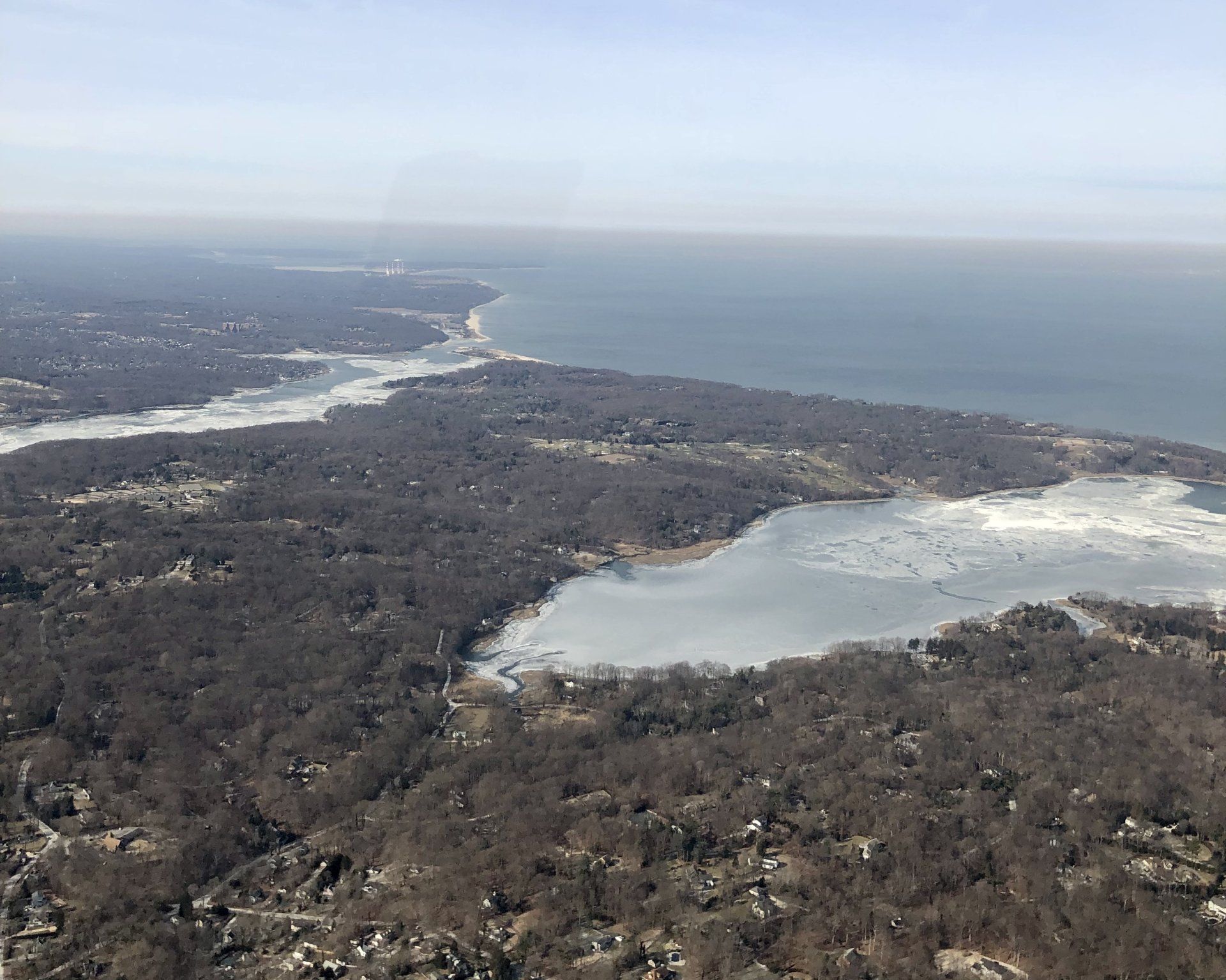
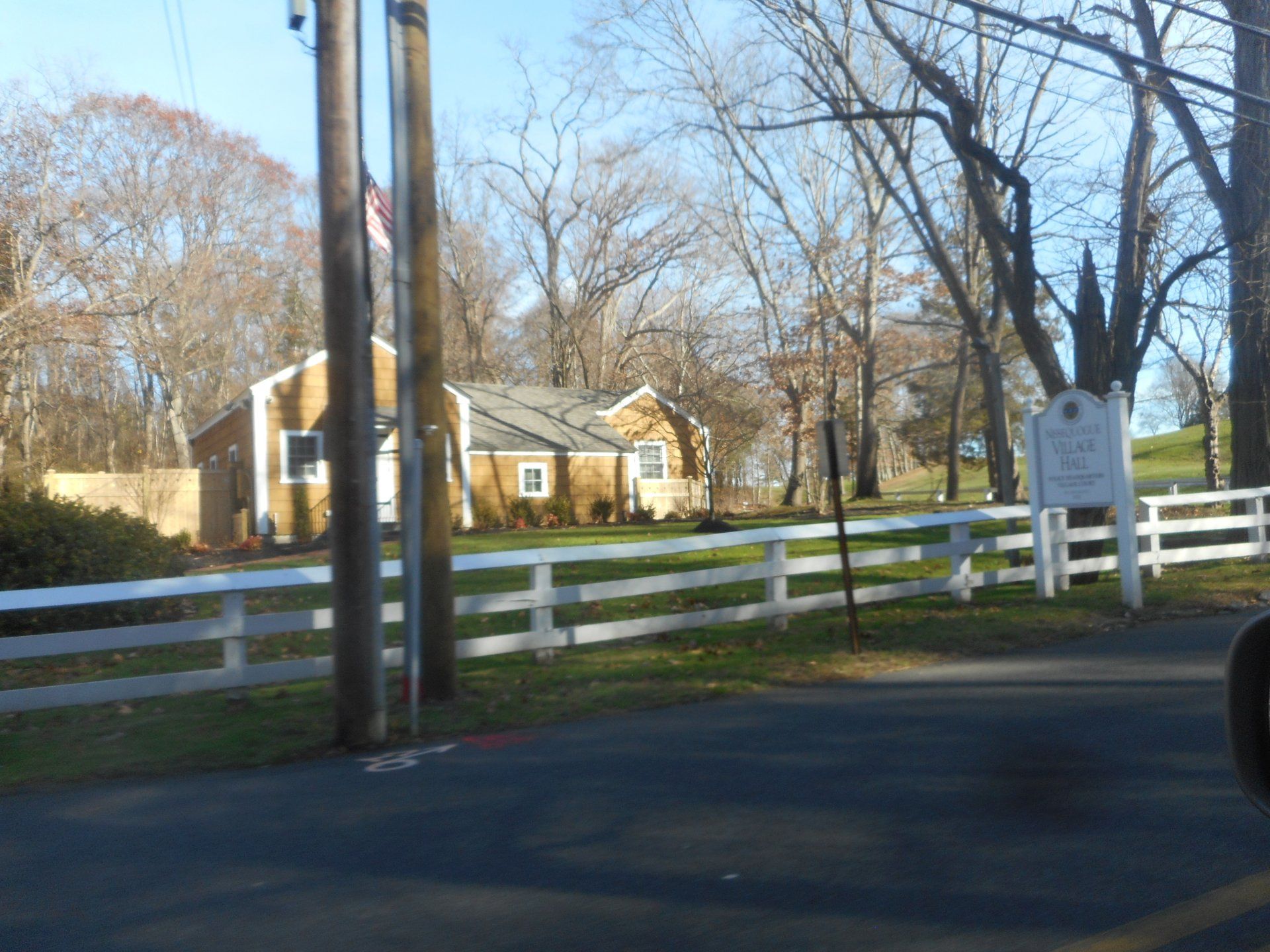
Incorporated as a village in 1925, Nissequogue sits on the North Shore of Long Island in Suffolk County, bounded by the Nissequogue River to the west, Long Island Sound to the north, and Stony Brook Harbor to the east. With just 1,564 residents spread across four square miles, it is one of the most deliberately preserved communities on Long Island — village code mandates a two-acre minimum for property subdivisions and prohibits industrial development entirely, a combination that has kept the landscape remarkably intact while surrounding areas have grown denser and more commercial.

What sets Nissequogue apart from neighboring communities like Smithtown or St. James is not just its size, but its character. The David Weld Sanctuary, Long Beach Town Park, and the Nissequogue River itself give residents direct access to some of the most unspoiled natural scenery on Long Island's North Shore. The village also carries genuine historical depth — the Woodcrest estate on Moriches Road, a Shingle-style property dating to 1895, is listed on the National Register of Historic Places and reflects the Gilded Age heritage that shaped this enclave.

With a median household income approaching $158,000 and a poverty rate of just over one percent, Nissequogue attracts buyers who prioritize privacy, land, and long-term value. For those exploring nissequogue homes for sale, this is a village where careful stewardship of the land today makes for a sound and rewarding investment tomorrow.


Community Profile

Tucked along the north shore of Long Island in Suffolk County, this small, exclusive village of just 1,528 residents offers a rare combination of privacy, prosperity, and community cohesion that sets it apart from virtually every other community in the New York metro area. With a median household income of $172,500 — more than double the national median — and a striking 76.6% of households earning six figures or more, Nissequogue attracts and retains some of the region's most accomplished professionals. That success is reflected in the village's exceptional educational profile: 62.8% of residents hold at least a bachelor's degree, nearly twice the national rate, and 32.4% have earned a graduate or professional degree. A remarkable 46.1% of residents hold STEM credentials, suggesting a community rich in engineers, scientists, and technology leaders.

Homeownership here is nearly universal, with an 87.7% ownership rate that far exceeds the national average of 65.5% — a testament to the long-term commitment residents make to this community. Those browsing nissequogue homes for sale will find a median home value of $1,137,658, reflecting both the prestige of the address and the quality of the properties themselves. The median age of 46.4 years, combined with a strong married-couple household rate of 59.9% and an average family size of 3.04, paints a picture of an established, family-oriented enclave. With a poverty rate of just 4.1% and an unemployment rate of 3.0%, the village's economic stability is as solid as its scenic surroundings.

Things to Do

Outdoor Recreation

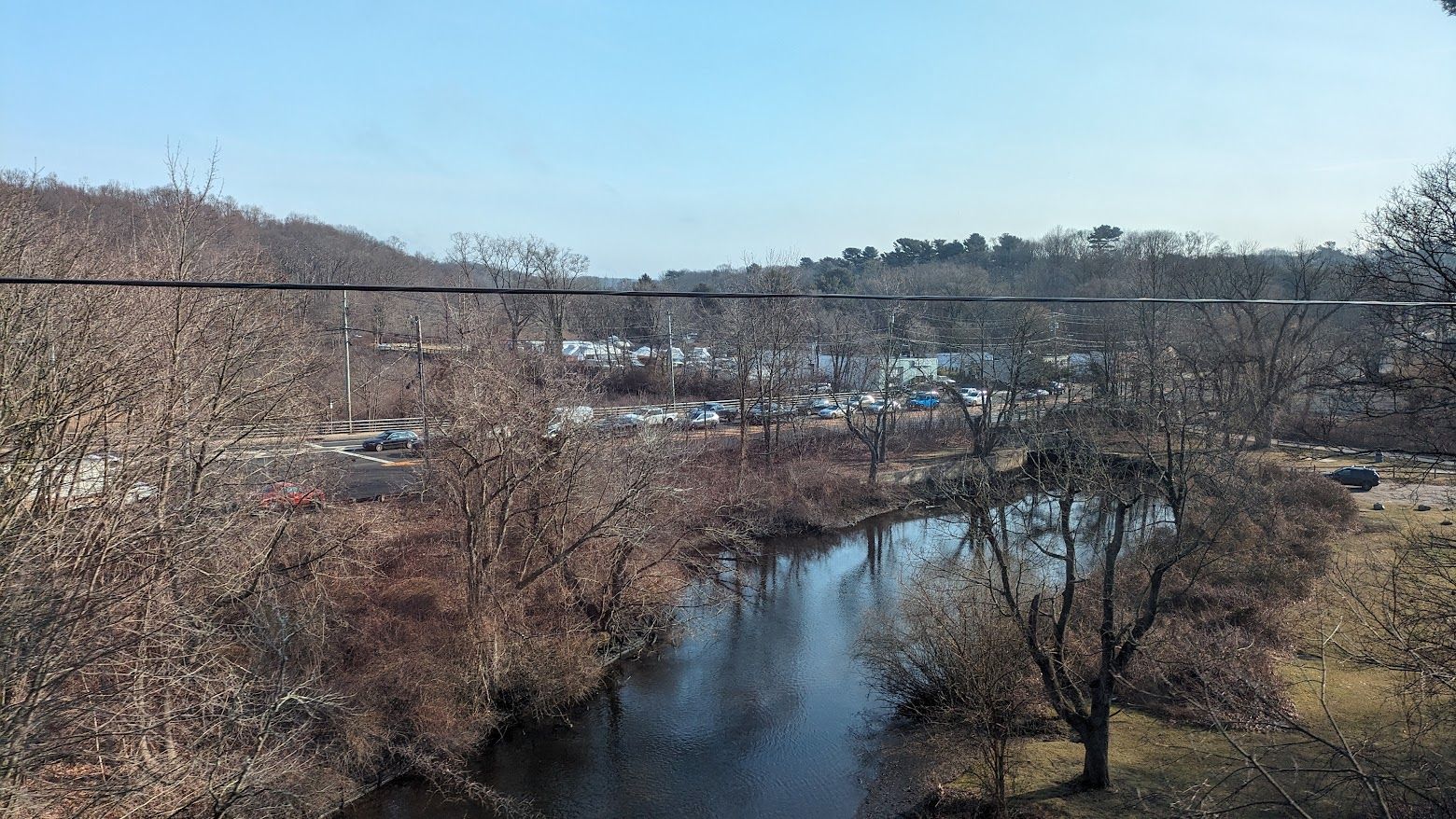
Nissequogue is a paradise for nature lovers, and its most celebrated green spaces are woven into the very identity of the village. Long Beach Town Park draws residents and visitors alike with its sweeping views and access to the shoreline, while Short Beach offers a quieter spot to enjoy the water's edge along the village's northern reaches near Long Island Sound. The David Weld Sanctuary, a nature preserve managed by The Nature Conservancy, protects some of the most pristine woodland and wetland habitat on Long Island's North Shore, with trails that wind through old-growth forest and down to the bluffs above Stony Brook Harbor. Kayakers and canoeists prize the Nissequogue River, one of the last free-flowing rivers on Long Island, for its calm, tidal waters and exceptional wildlife viewing — great blue herons, osprey, and white-tailed deer are common sights along its banks.

History & Culture

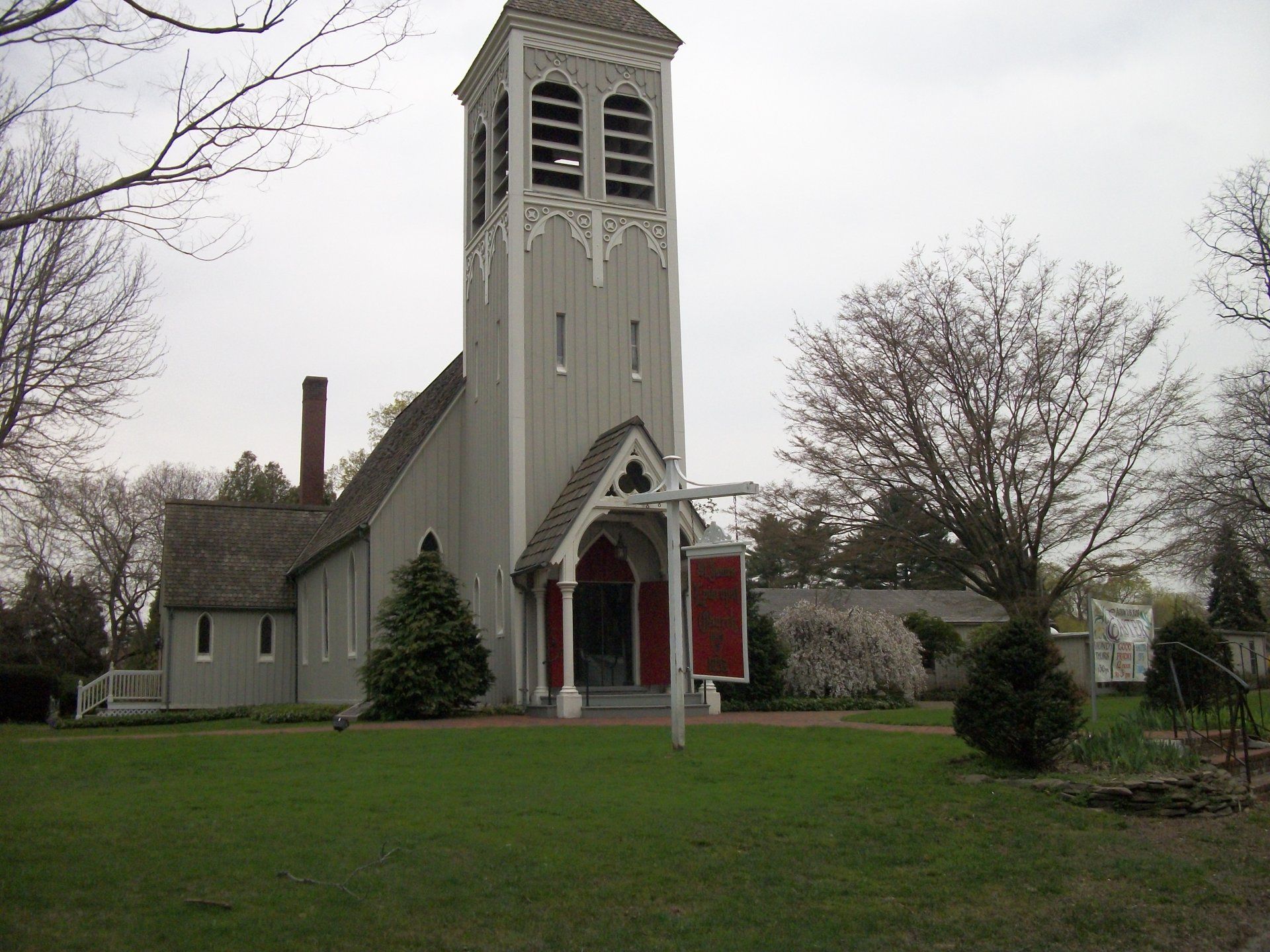
History runs deep in Nissequogue, and exploring it is a rewarding way to spend an afternoon. Woodcrest, the historic Homer Reboul Estate on Moriches Road, is a striking 1895 Shingle-style residence listed on the National Register of Historic Places. Its 28.9-acre grounds overlook Stony Brook Harbor and speak to the Gilded Age era when wealthy New York City families transformed this stretch of the North Shore into an enclave of elegant country estates. The broader landscape of Stony Brook Harbor Estates represents one of Long Island's most intact examples of late-19th-century estate culture, and simply driving or cycling along Moriches Road reveals glimpses of that storied past.

Dining & Shopping

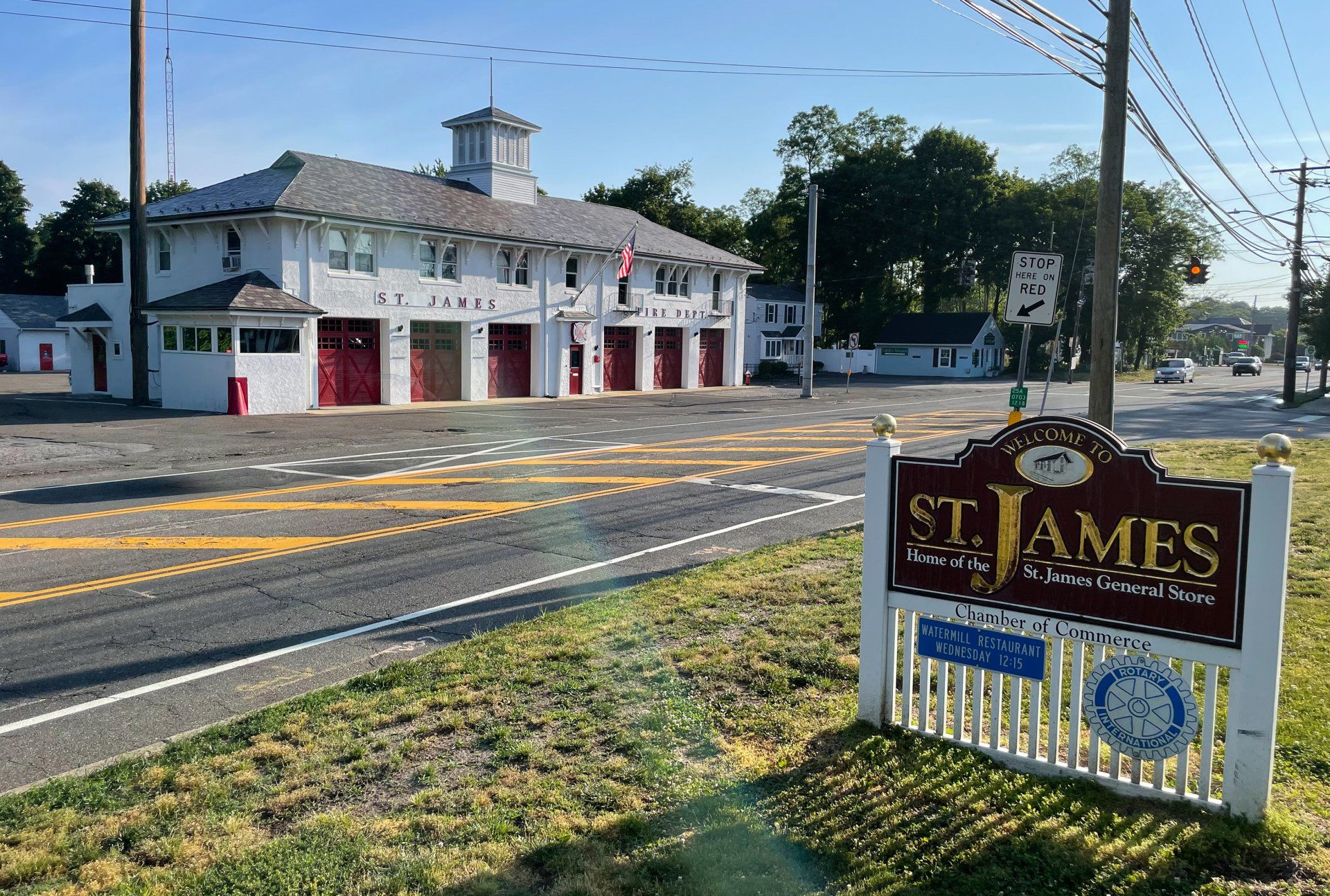
Nissequogue itself is a quiet, largely residential village — its strict zoning keeps commercial development at bay, which is precisely part of its appeal. For dining, shopping, and everyday conveniences, the neighboring hamlet of St. James is just minutes away and offers a charming main street with local restaurants and shops. The village of Stony Brook, a short drive east, adds cultural depth with its historic district, waterfront, and the Long Island Museum.

Family Activities

Families who explore nissequogue homes for sale quickly discover that the village's outdoor amenities are tailor-made for an active lifestyle. Between beach days at Short Beach, nature hikes through the David Weld Sanctuary, and paddling the Nissequogue River, there is no shortage of wholesome, screen-free adventure for children and adults alike throughout every season.

Latest Properties in Nissequogue

Loading...

Loading latest properties...

See All Properties in Nissequogue

History

From Royal Patent to Residential Enclave

Nissequogue's story begins in the 1640s, when Richard Smith — known as the Patentee — acquired a sweeping 54-square-mile tract along Long Island's North Shore and secured a royal charter granting manorial status to his holdings, laying the foundation for what would become Smithtown. His descendants maintained a commanding presence over the land for generations, farming the hillsides above Stony Brook Harbor and establishing homesteads that still echo in the village's landscape today.

Between 1878 and 1930, those same agricultural parcels were gradually consolidated into an exclusive cluster of country estates, as affluent New York City families discovered the harbor's scenic appeal and improved rail access made the journey practical. Gilded Age retreats like Woodcrest — a Shingle-style residence designed by I. H. Green, Jr. and built in 1895 for Homer W. Reboul — exemplified the era's ambitions: rambling wood-frame houses set on sloping terrain, oriented toward protected harbor views, surrounded by preserved woodlands and working outbuildings. Fourteen such estates were later recognized together on the National Register of Historic Places in 1993.

Nissequogue incorporated as a village in 1925, and its leaders have worked ever since to protect the character those early estate owners prized. A two-acre minimum on property subdivisions and a complete ban on industrial development have kept the village remarkably intact — just 1,564 residents spread across four square miles of rolling, wooded North Shore terrain. That deliberate restraint is precisely what draws buyers searching for nissequogue homes for sale today: the same seclusion, harbor proximity, and pastoral beauty that captivated the Gilded Age set, now anchored by a median household income approaching $158,000 and a poverty rate of just 1.1%. Even the current mayor, Richard B. Smith, carries the name of the village's first English settler — a living thread connecting four centuries of history to the present.

Weather

Nissequogue sits on the North Shore of Long Island in a humid subtropical climate zone — technically at the northern fringe of that classification — where the moderating influence of Long Island Sound and Stony Brook Harbor plays a meaningful role in shaping day-to-day conditions throughout the year. Summers are warm and humid, with daytime highs typically ranging from the mid-80s°F, while overnight lows generally settle in the upper 60s. Winters are cold but tempered compared to inland areas, with average highs in the upper 30s to low 40s°F and lows that can dip into the mid-20s during the coldest stretches of January and February.

Precipitation is fairly well distributed across all four seasons, averaging around 45 to 50 inches annually. Nor'easters are a notable feature of winter weather, occasionally bringing heavy snow or coastal flooding, while late summer and early fall can see tropical moisture from Atlantic storm systems. The village's waterfront position along Long Island Sound means sea breezes keep summer temperatures slightly cooler and extend the comfortable outdoor season well into October.

For anyone exploring nissequogue homes for sale, these climate patterns carry real practical weight. The outdoor lifestyle — kayaking the Nissequogue River, enjoying the beaches, and relaxing on expansive porches — is genuinely viable for a long season. At the same time, buyers should budget for both heating costs in winter and air conditioning in July and August, as well as seasonal maintenance considerations like storm preparation, roof upkeep, and landscaping care that the four-season climate demands.

Nissequogue Market Analytics

Market analytics data coming soon.
Can I Afford Nissequogue?
$
%
$0
Est. Monthly Payment
$0/yr
Salary Required

*Principal & interest only. Salary based on 28% debt-to-income ratio.

Get Pre-Approved for Nissequogue