
Norwalk, Connecticut

Location:
Norwalk, CT

Welcome to Norwalk

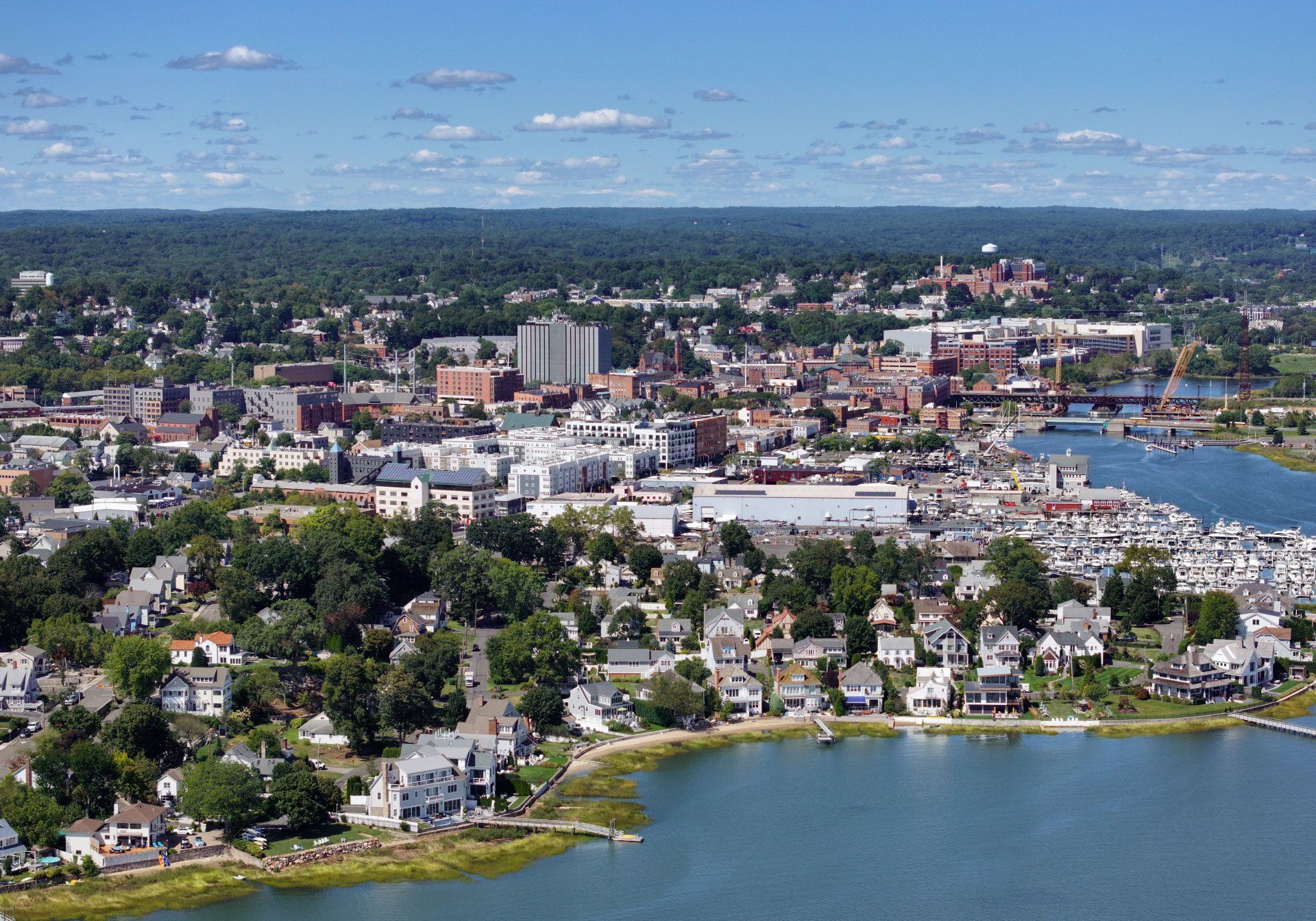
Founded in 1651 along the Norwalk River estuary where it meets Long Island Sound, Norwalk, Connecticut is one of Fairfield County's largest and most historically layered cities, with a current population of over 91,000 spread across 36 square miles of coastline, urban neighborhoods, and corporate corridors. What sets Norwalk apart from neighboring Stamford and Westport is its rare combination of working waterfront character, cultural depth, and economic diversity — the Maritime Aquarium at Norwalk and the landmark Lockwood-Mathews Mansion Museum anchor a cultural identity that neither city can replicate. Commuters appreciate the direct Metro-North Railroad service that puts Midtown Manhattan roughly an hour away, making Norwalk a practical choice for households that want Connecticut living without sacrificing city access.

With a median household income exceeding $105,000 and a local economy anchored by healthcare, finance, and professional services, the city has attracted steady investment in both residential and commercial real estate. Whether you're exploring homes for sale in Norwalk CT for the first time or evaluating long-term investment potential, the city's trajectory — ongoing waterfront development, a diverse job base, and strong transit connections — makes a compelling case for putting down roots here.


Community Profile

One of Fairfield County's most dynamic cities, Norwalk is home to nearly 92,200 residents and offers a compelling mix of economic strength, educational achievement, and genuine cultural diversity. The median household income here reaches $107,616 — well above the national median of roughly $75,000 — and an impressive 53.1% of households earn six figures or more, reflecting a community where professional ambition and opportunity go hand in hand. That prosperity is reinforced by a strong dual-income culture: 64.4% of families have two earners, a sign of an engaged, career-oriented population.

Education is another defining characteristic. Nearly 44.8% of adults hold a bachelor's degree or higher — well above the national average of about 33% — and 19% have earned a graduate degree. A striking 43.3% of degree holders studied STEM fields, pointing to a workforce deeply embedded in the knowledge economy of the broader Bridgeport-Stamford metro. The average commute of just 27.1 minutes is a genuine quality-of-life advantage, particularly for professionals who work locally or make the run down the I-95 corridor.

Norwalk's population skews slightly older than the national median — at 40.6 years versus the U.S. average of 38.5 — but its age distribution is remarkably balanced, with strong representation from young families (ages 30–39 make up 15.4%) alongside an established cohort of experienced residents. The community is also one of Connecticut's most diverse, with 32% of residents identifying as Hispanic or Latino and 17.6% as Black, giving the city a richness of culture that sets it apart from many of its Fairfield County neighbors. For buyers exploring homes for sale in Norwalk, CT, that diversity — paired with a median home value of $555,227 — signals a city that is both aspirational and authentically rooted.

Things to Do

Arts & Culture

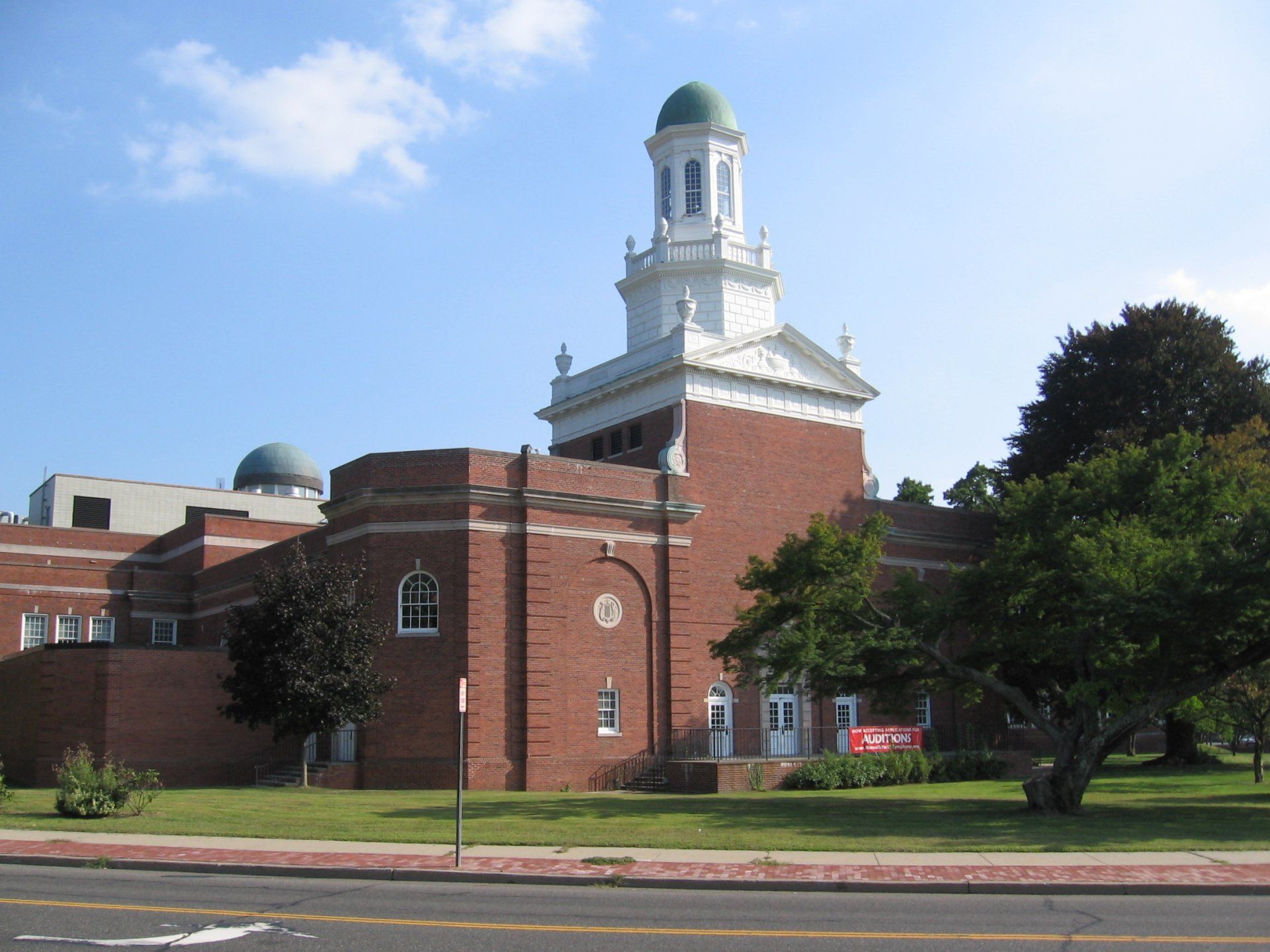
Norwalk punches well above its weight when it comes to cultural attractions. The crown jewel is the Maritime Aquarium at Norwalk, a world-class facility on the South Norwalk waterfront that brings Long Island Sound's ecosystem to life through live animal exhibits, an IMAX theater, and hands-on educational programs. Just a short distance away, the Lockwood-Mathews Mansion Museum offers a stunning glimpse into Gilded Age opulence — the 1864 Victorian mansion is one of the finest surviving examples of Second Empire architecture in the country and hosts rotating exhibitions and seasonal events throughout the year.

Outdoor Recreation

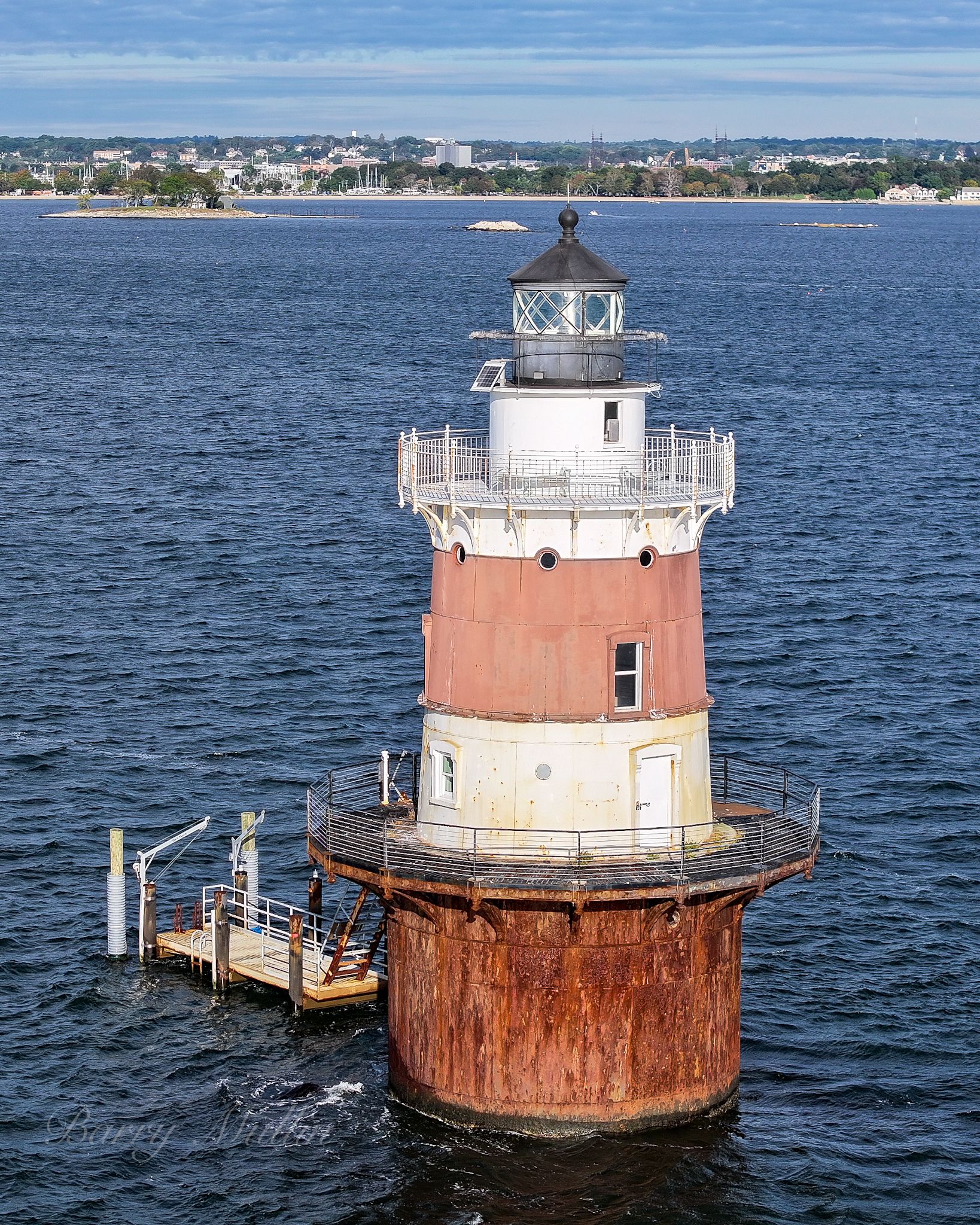
Norwalk's 36-square-mile footprint along Long Island Sound gives residents and visitors ample opportunity to enjoy the outdoors. Calf Pasture Beach is a beloved local destination for swimming, picnicking, and waterfront strolls during the warmer months. The Norwalk Islands, a chain of small islands just offshore, are accessible by ferry and popular for kayaking, sailing, and wildlife observation. The Norwalk River Valley Trail winds through the city's green corridors, connecting neighborhoods and offering scenic walking and cycling routes year-round. Oyster Shell Park and Cranbury Park provide additional green space for hiking, sports, and family outings.

Dining & SoNo

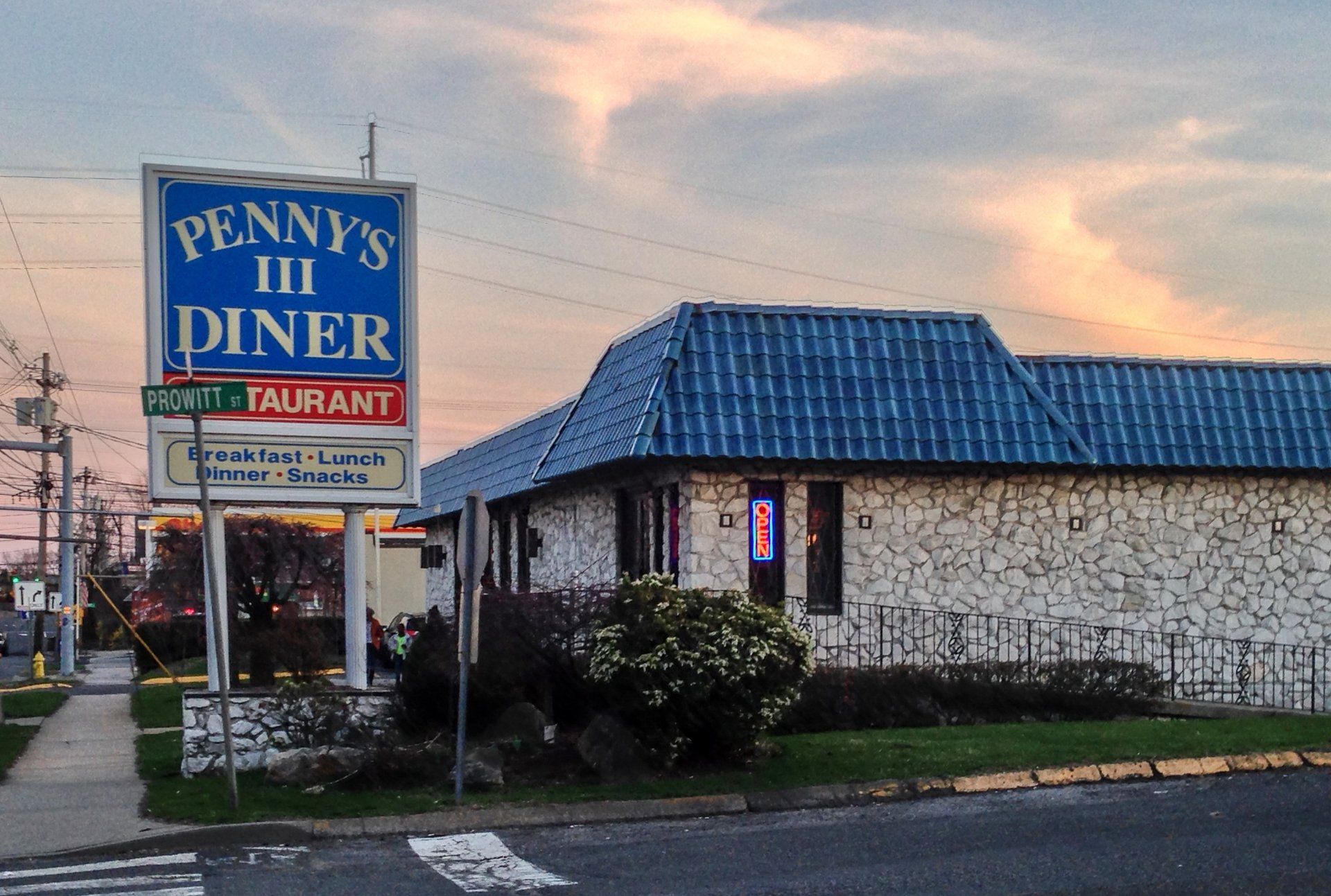
The South Norwalk (SoNo) neighborhood is the city's culinary and social heartbeat. Washington Street is lined with an eclectic mix of restaurants, bars, and cafés ranging from casual waterfront fare to upscale dining. The area buzzes on weekends and comes fully alive during warm-weather evenings. The annual SoNo Arts Festival, typically held in summer, draws thousands of visitors for live music, visual art, and street performances, making it one of Fairfield County's most anticipated community events.

Family Activities & Shopping

Beyond the aquarium, families will find plenty to explore at Stepping Stones Museum for Children in Mathews Park, an interactive museum designed for young learners. The Sono Collection, a modern upscale shopping mall in South Norwalk, offers retail, dining, and entertainment under one roof — a welcome addition to the city's commercial landscape. Whether you're a longtime local or someone exploring homes for sale in Norwalk CT, the variety of activities here makes it easy to see why families are drawn to put down roots in this vibrant coastal city.

Latest Properties in Norwalk

Loading...

Loading latest properties...

See All Properties in Norwalk

History

From Oyster Docks to Office Parks: Norwalk's Long Arc

Norwalk's story begins in 1649, when English colonists from Hartford established homesteads along the Norwalk River estuary, and the Connecticut General Court formally incorporated the settlement in September 1651 under the Algonquian-derived name "Norwaukee." Those early settlers farmed, fished Long Island Sound, and traded through the harbor — a coastal orientation that has never entirely left the city's character.

The most pivotal moment in Norwalk's colonial history came on July 11, 1779, when Major General William Tryon led roughly 2,600 British and Hessian troops ashore and burned approximately 130 homes and 40 shops to the ground. The town rebuilt on those same foundations, and the determination of that recovery is still visible in the bones of older neighborhoods today.

The 1848 arrival of the New York and New Haven Railroad through South Norwalk ignited an industrial era defined by hat-making, shipbuilding, and a thriving oyster trade that, at its peak around 1880, supported the world's largest fleet of steam-powered oyster dredgers. The 1913 consolidation of South Norwalk with the broader town formalized what industry had already built: a dense, walkable urban core whose historic streetscapes now form the South Norwalk Historic District — one of the most sought-after addresses for buyers browsing homes for sale in Norwalk CT.

Post-World War II suburban expansion pushed residential development inland, creating the quieter tree-lined streets of West and East Norwalk that remain popular with families today. As manufacturing faded through the latter half of the 20th century, Norwalk pivoted toward finance, healthcare, and professional services — a transition that underpins the city's current median household income of over $105,000 and sustains steady demand for every type of house for sale in Norwalk CT, from Victorian-era South Norwalk rowhouses to mid-century colonials near the Merritt Parkway.

Weather

Four Seasons on the Connecticut Shore

Norwalk, Connecticut experiences a humid continental climate, shaped meaningfully by its position along the northern shore of Long Island Sound. The Sound acts as a natural moderator, tempering the extremes that inland Connecticut communities face — keeping summers slightly cooler and winters marginally milder than areas just a few miles to the north.

Summers are warm and humid, with daytime highs typically ranging from the mid-80s°F, though heat waves can push temperatures into the low 90s. Nights offer some relief, generally settling in the mid-60s. Winters are cold but not severe by New England standards, with average highs in the mid-30s to low 40s°F and lows dipping into the 20s. Snowfall is a regular seasonal feature, though coastal proximity often means rain where inland towns receive snow.

Norwalk receives roughly 45 to 50 inches of precipitation annually, distributed fairly evenly across the year. Nor'easters are a notable weather consideration, capable of bringing heavy snow, coastal flooding, and strong winds — particularly relevant for waterfront properties along Long Island Sound and the Norwalk River estuary.

For anyone exploring homes for sale in Norwalk CT, the climate carries real practical weight. Outdoor living — on decks, patios, and near the water — is genuinely enjoyable from late spring through early fall. Heating costs are a meaningful budget line through the long winter months, and homeowners should plan for seasonal maintenance including roof inspections, gutter clearing, and, for coastal properties, attention to storm preparedness and flood insurance requirements.

Norwalk Market Analytics

The Norwalk market is showing signs of stability and growth, with the average home value increasing by 5.2% over the past year to $639,076, according to data analyzed by Opulist. This suggests the market is balancing, with a sale-to-list ratio of 1.007, indicating that homes are selling for slightly above their list price, and 53.4% of sales are occurring above list price. Overall, the market trends indicate a healthy and competitive environment for buyers and sellers in Norwalk.


1-Year Home Value Change: +5.2%

Norwalk Home Value Index over time.

Can I Afford Norwalk?
$
%
$0
Est. Monthly Payment
$0/yr
Salary Required

*Principal & interest only. Salary based on 28% debt-to-income ratio.

Get Pre-Approved for Norwalk