
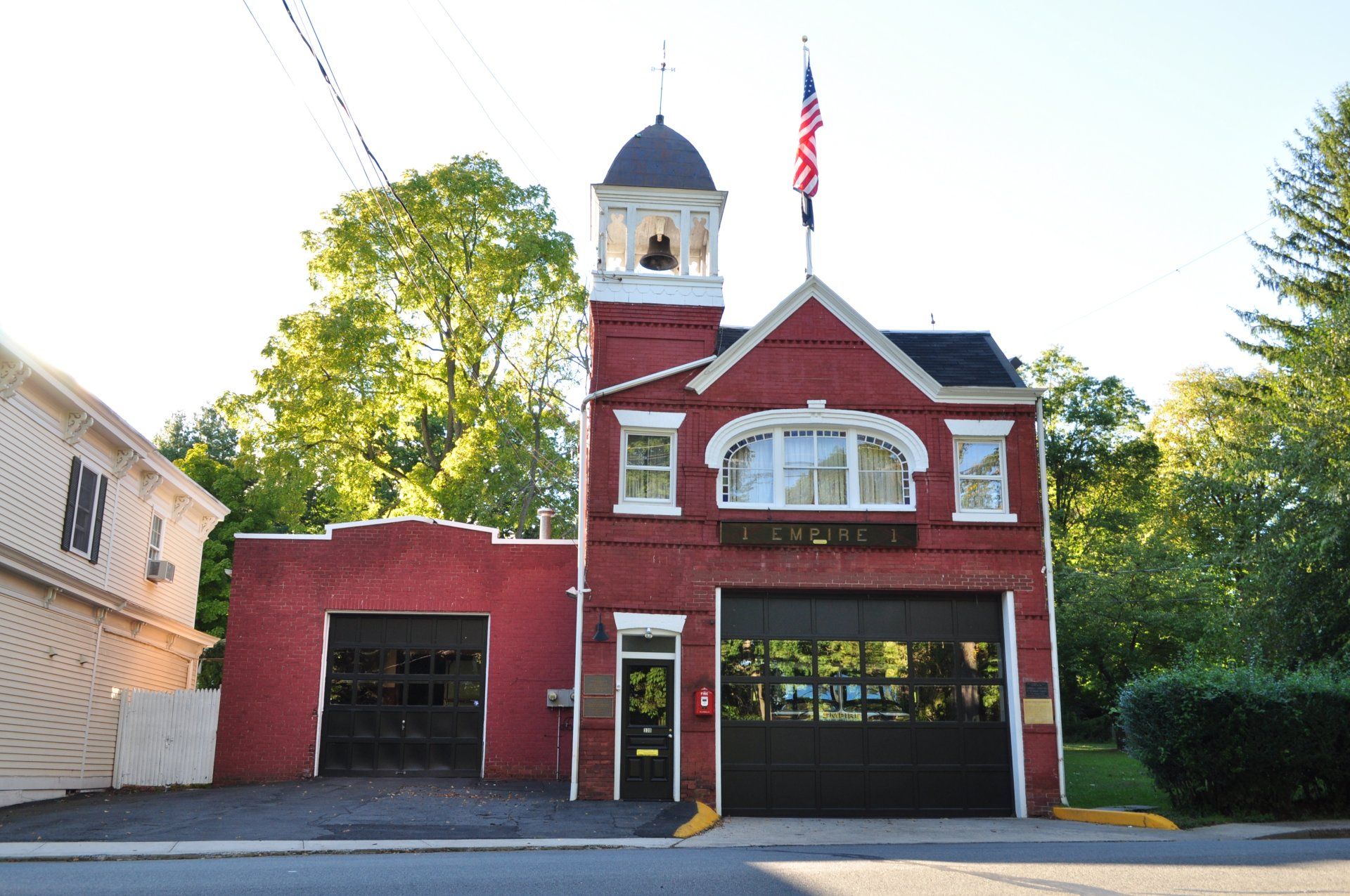
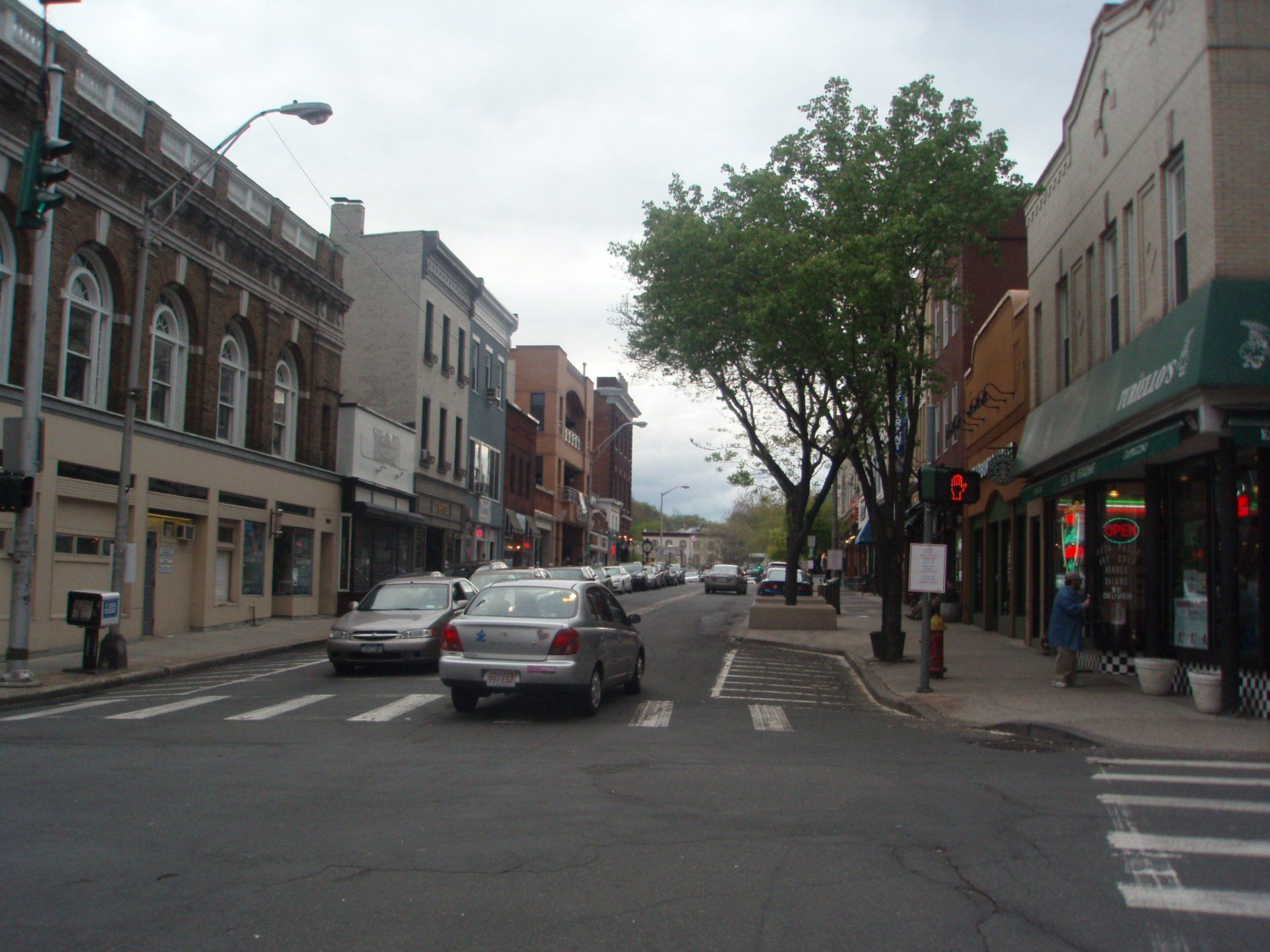
Nyack, New York

Location:
Nyack, NY

Welcome to Nyack

Situated on the west bank of the Hudson River in Rockland County, Nyack, New York traces its European roots to a Dutch settlement established in the 1670s — making it one of the older communities in the lower Hudson Valley. Just 20 miles north of Manhattan, this compact village of roughly 7,265 residents occupies less than two square miles, yet it carries a cultural weight far beyond its size. Nyack is the birthplace of American realist painter Edward Hopper, and his childhood home now operates as the Edward Hopper House Museum & Study Center, drawing artists, scholars, and curious visitors year-round.

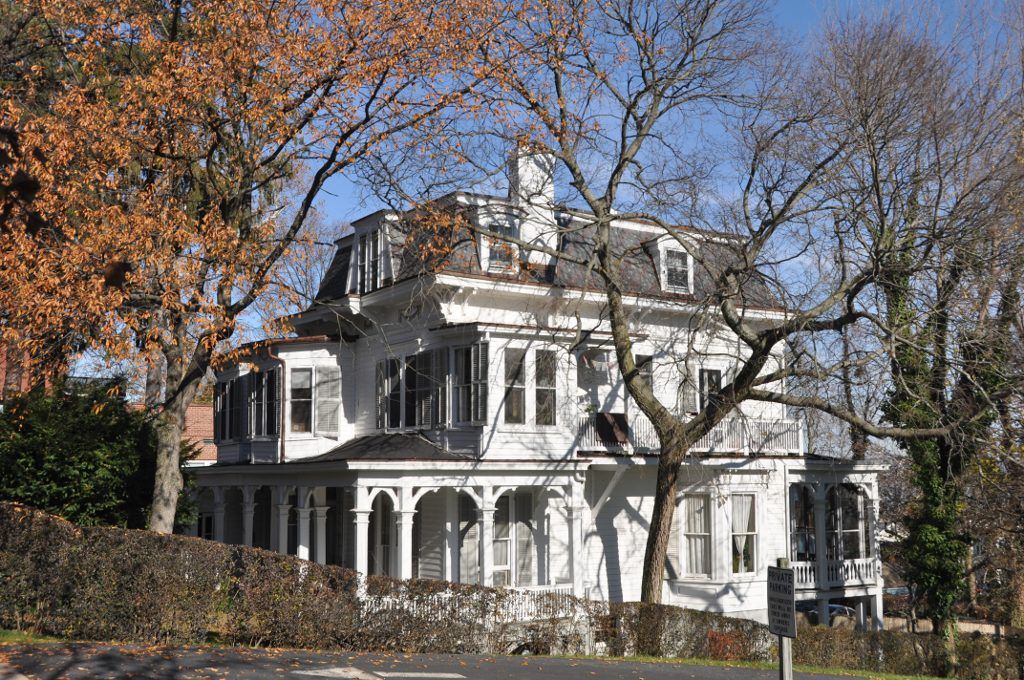
What sets Nyack apart from neighboring Rockland County communities is its genuinely walkable downtown, its preserved Victorian-era architecture, and a longstanding arts identity that has resisted the homogenizing pull of suburban sprawl. The Governor Mario M. Cuomo Bridge connects the village directly to Westchester County, and commuter routes into Manhattan make it a practical choice as well as a characterful one. Families benefit from access to Nyack Beach State Park along the riverfront and the Nyack Union Free School District serving the local community.

With a median home price around $619,300, those exploring homes for sale in Nyack, NY will find a market that reflects genuine demand — from buyers who want riverside living, historic character, and a real connection to New York City without surrendering a sense of place.


Community Profile

Perched on the western bank of the Hudson River in Rockland County, this compact village of 7,393 residents punches well above its weight in education, income, and cultural diversity. The median household income of $116,649 — more than 55% above the national median — reflects a community of high achievers, with a remarkable 55.7% of households earning six figures or more. That prosperity is built on serious credentials: 67.2% of residents hold a bachelor's degree or higher, more than double the national average of roughly 33%, and 38.5% have earned a graduate or professional degree. Nearly half the workforce holds STEM degrees, suggesting the kind of analytical, well-compensated professionals who are drawn to a village that balances intellectual energy with genuine small-town warmth.

The community skews slightly older than the national median, with a median age of 40.4 years and a notably robust 20.2% of residents over 65 — a sign that people who arrive in Nyack tend to stay. The population is genuinely diverse, with White, Hispanic/Latino, and Black residents each representing meaningful shares of the community, and 14.4% identifying as two or more races. For those exploring homes for sale in Nyack, NY, the median home value of $641,473 reflects both the area's desirability and its proximity to New York City, reachable via an average commute of just 36 minutes. With a poverty rate of only 7.3% and an uninsured rate of a remarkably low 1.8%, the village offers a stable, well-resourced foundation for anyone looking to put down roots along the Hudson.

Things to Do

Arts & Culture

Nyack punches well above its weight when it comes to cultural offerings. The Edward Hopper House Museum & Study Center — the preserved childhood home of the legendary American realist painter — anchors the village's artistic identity and draws visitors from across the region. The intimate museum hosts rotating exhibitions, artist talks, and community events that keep Hopper's legacy alive while celebrating contemporary art. Beyond the Hopper House, Nyack's compact downtown is dotted with independent galleries, antique shops, and creative studios that reflect the village's long-standing reputation as an artists' enclave on the Hudson.

Outdoor Recreation

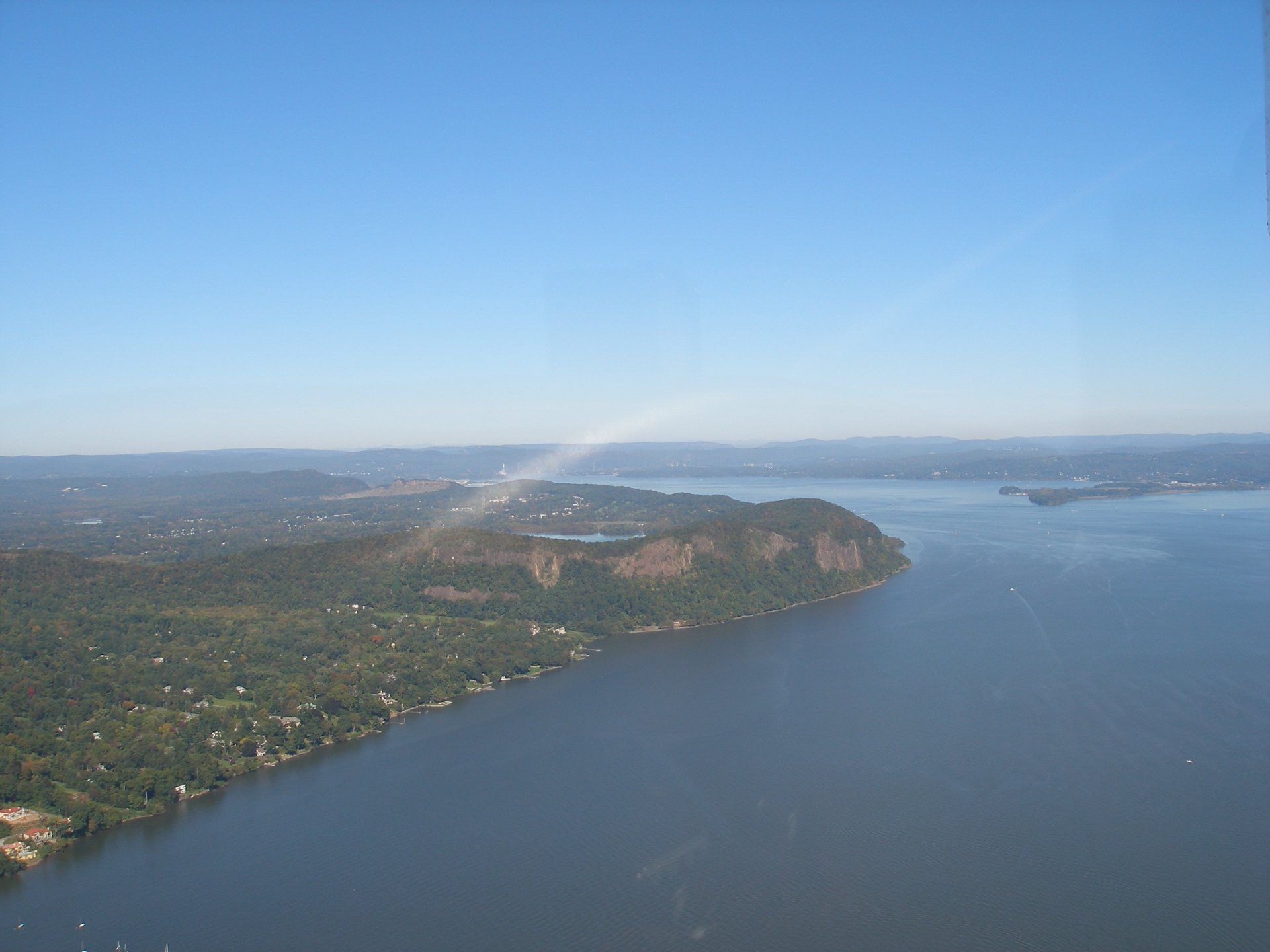
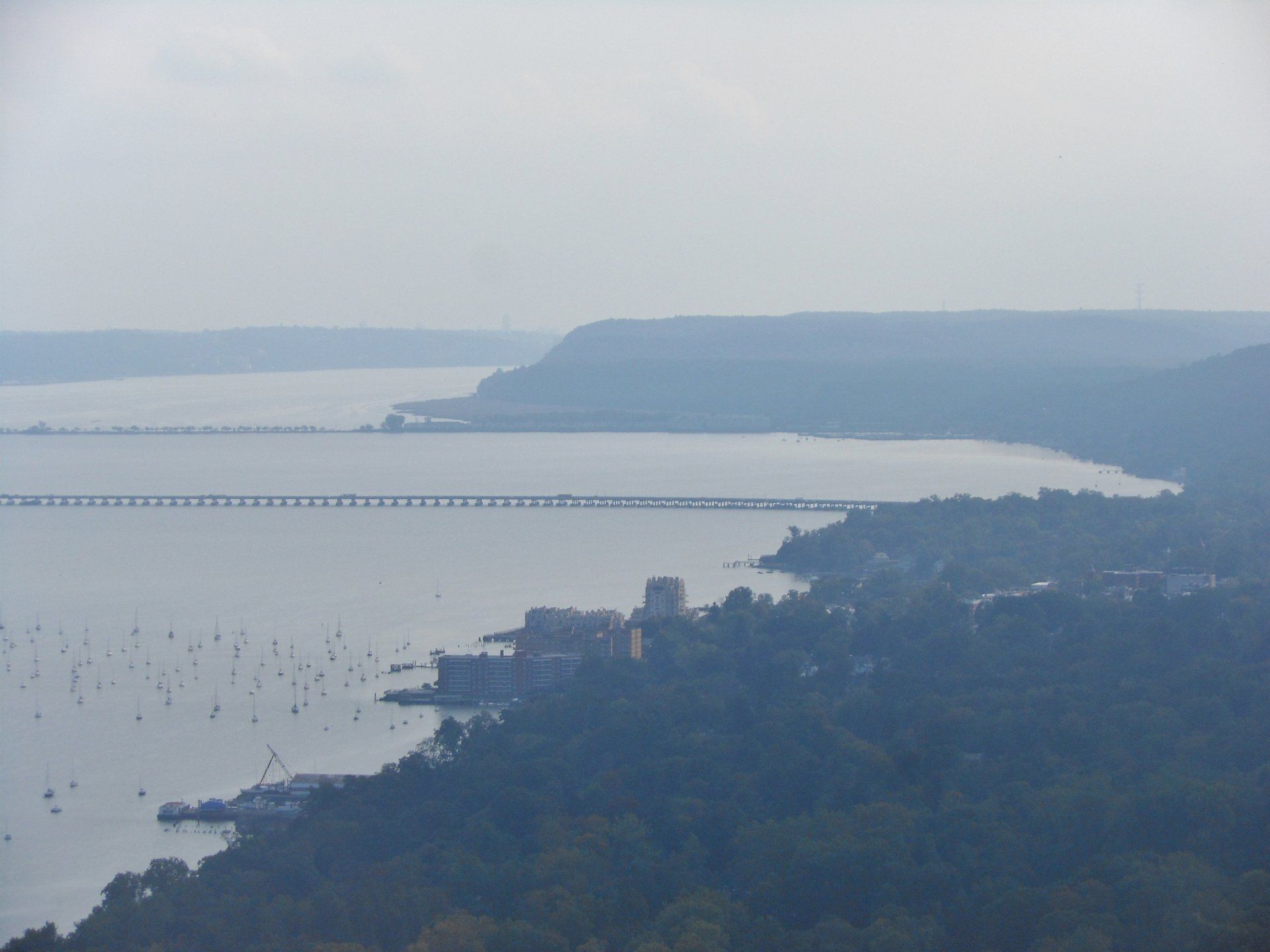
The Hudson River waterfront is Nyack's great outdoor asset. Memorial Park, an 11-acre green space sitting directly on the river's edge, offers sweeping views of the water and the Governor Mario M. Cuomo Bridge — a striking backdrop for morning walks, picnics, and casual gatherings. Just north of the village, Nyack Beach State Park spans 76 acres of forested shoreline trails, providing a genuine escape into nature without leaving the area. Hook Mountain looms as a dramatic backdrop, and its trails reward hikers with panoramic Hudson Valley views. The river itself invites kayaking and fishing throughout the warmer months.

Dining & Shopping

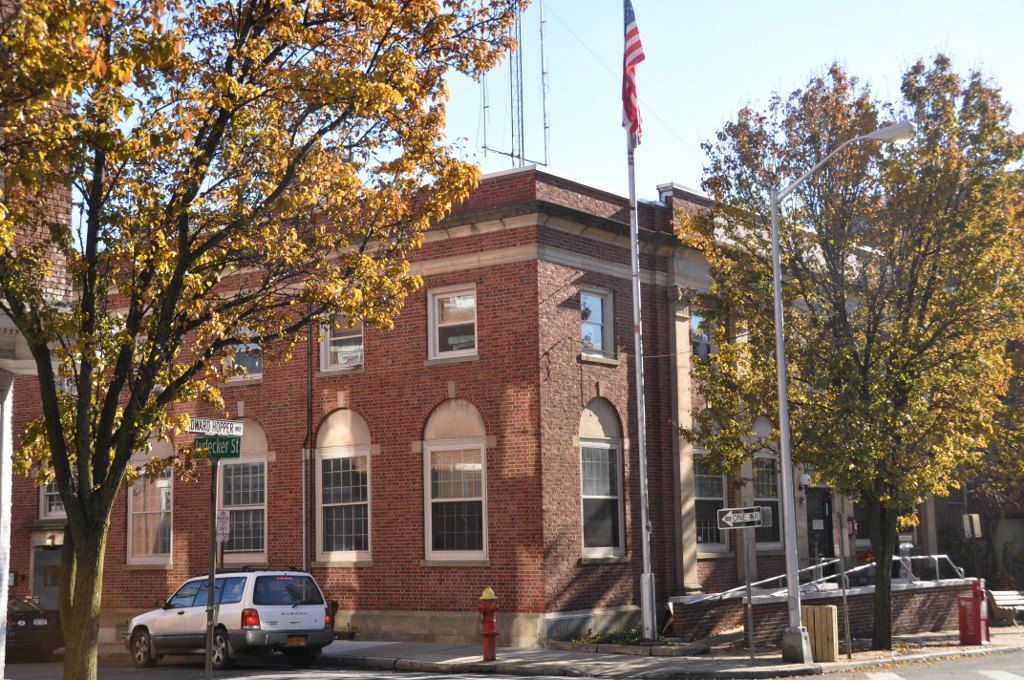
Downtown Nyack's Main Street and Broadway corridor form one of Rockland County's most walkable and eclectic commercial strips. Independent restaurants, cafés, and wine bars line the streets, offering everything from casual waterfront dining to more intimate neighborhood spots. The dining scene reflects the village's diverse, creative character — expect farm-to-table sensibilities alongside international flavors. Boutique shops, vintage clothing stores, and specialty retailers make for genuinely rewarding browsing. Those exploring homes for sale in Nyack NY often cite the walkable downtown as one of the neighborhood's most compelling selling points.

Family Activities & Seasonal Events

Nyack hosts a beloved Halloween Parade each October that draws thousands of costumed participants and spectators — a tradition that has grown into one of the Hudson Valley's most spirited community celebrations. The village's farmers market brings fresh local produce and artisan goods to residents through the growing season. With Manhattan just 20 miles south and the natural beauty of the Palisades close at hand, Nyack offers families a rare combination of small-town warmth and easy access to world-class urban amenities.

Latest Properties in Nyack

Loading...

Loading latest properties...

See All Properties in Nyack

History

From Dutch Trading Post to Hudson River Village

Nyack's story begins in 1675–1676, when a young Dutch trader named Herman Douwese — later anglicized as Harmanus Tallman — established the first European settlement on the Hudson River's western bank in what is now Rockland County. Additional Dutch families followed, and the region was formally organized under the Tappan Patent of 1687, issued by Governor Thomas Dongan to a group of Dutch patentees who purchased the land from the Tappan Lenape. The Lenape people, Algonquian-speakers who had long inhabited this stretch of the Hudson Valley, departed the area shortly after European contact, leaving behind little more than arrowheads, pottery fragments, and their name — which the village still carries today.

Through the 18th and 19th centuries, Nyack's waterfront position drove its economy. Shipbuilding, quarrying of local red sandstone, and Hudson River trade transformed a handful of farmsteads into a genuine commercial village. That industrial heritage shaped the Victorian-era architecture that still defines Nyack's downtown streetscape — the same preserved buildings that make houses for sale in Nyack NY so distinctive compared to generic suburban inventory elsewhere in Rockland County.

The 20th century added cultural weight to Nyack's identity. Edward Hopper, born here in 1882, became one of America's most celebrated painters, and his childhood home now operates as the Edward Hopper House Museum & Study Center. That artistic legacy attracted successive generations of writers, actors, and creative professionals, reinforcing Nyack's reputation as a village with genuine character. Today, that same character underpins a median home price of $619,300 — a premium that reflects not just proximity to Manhattan, roughly 20 miles south, but a layered sense of place that newer developments simply cannot replicate.

Weather

Nyack's Four-Season Climate

Nyack, New York experiences a humid continental climate, characterized by four distinct seasons, cold snowy winters, and warm, humid summers — a pattern typical of the broader Hudson Valley region. Summer temperatures regularly climb into the mid-to-upper 80s°F, while winter lows can dip into the low 20s°F, with average winter highs hovering around the upper 30s. Spring and fall are transitional and often spectacular, particularly along the riverfront where foliage and light on the Hudson create the kind of scenery that once inspired Edward Hopper.

Nyack's position on the western bank of the Hudson River estuary provides a subtle but meaningful moderating influence. The river's thermal inertia softens the sharpest cold snaps in winter and tempers extreme heat in summer, though humidity levels frequently exceed 70% during the warmer months. Annual precipitation runs close to 49 inches, distributed fairly evenly throughout the year, with snowfall averaging around 25 inches concentrated between December and March. Morning fog is a common atmospheric feature in fall and spring, drifting off the river in the early hours.

For those exploring homes for sale in Nyack, NY, the climate carries real practical implications. Riverfront and low-lying properties face meaningful flood risk — Hurricane Sandy demonstrated this vividly in 2012 — making flood insurance and elevation an important consideration. Heating costs are a genuine winter budget line, and the humid summers make central air conditioning essentially standard. On the upside, Nyack's relatively mild shoulder seasons extend outdoor living considerably, making the village's waterfront parks and walkable streets enjoyable for a good portion of the year.

Nyack Market Analytics

The Nyack housing market is showing signs of steady growth, with the average home value increasing by 4.9% over the past year to $726,493, according to data analyzed by Opulist. This suggests the market is balancing, with a moderate pace of appreciation that may be attractive to both buyers and sellers. As a potential home buyer or seller in Nyack, it's essential to work with a knowledgeable real estate partner like Opulist to navigate the local market and make informed decisions.


1-Year Home Value Change: +4.9%

Nyack Home Value Index over time.

Can I Afford Nyack?
$
%
$0
Est. Monthly Payment
$0/yr
Salary Required

*Principal & interest only. Salary based on 28% debt-to-income ratio.

Get Pre-Approved for Nyack