

Oakland, California

Location:
Oakland, CA

Welcome to Oakland

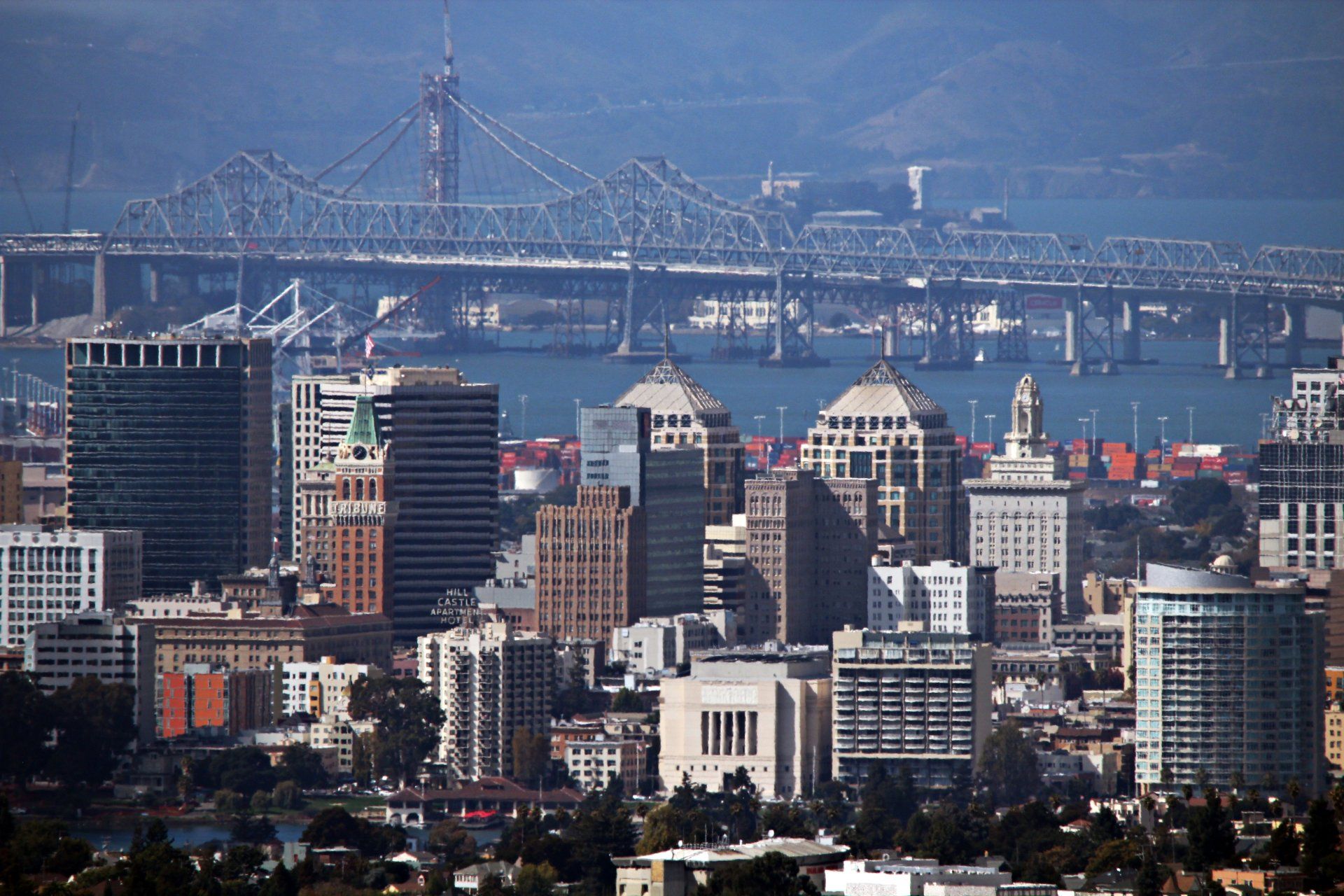
Incorporated on May 4, 1852, Oakland sits on the eastern shore of the San Francisco Bay as the county seat of Alameda County — a position that has shaped its identity as one of the West Coast's most consequential port cities. While San Francisco draws the international spotlight just across the water, Oakland has long operated as the region's industrial and logistical backbone, home to the Port of Oakland, the busiest port in Northern California. That working-city character gives Oakland a grounded, unpolished energy that its more glamorous neighbor across the Bay simply cannot replicate.

History runs deep here. Lake Merritt, at the center of the city, became the United States' first officially designated wildlife refuge in 1870 — now a National Historic Landmark — and remains a focal point for residents today. The city connects seamlessly to the broader Bay Area through BART, making it a practical choice for professionals who want more space and character than San Francisco offers at a lower price point. Those exploring homes for sale in Oakland CA will find an extraordinarily diverse range of neighborhoods, architectural styles, and price points. For buyers and investors who want to be part of a city still writing its next chapter, Oakland rewards those willing to look closely.


Community Profile

Few cities in the American West pack as much human diversity and intellectual energy into a single community as this East Bay powerhouse. With a population of 439,418 spread across Alameda County at a lively density of 3,022 residents per square mile, Oakland pulses with the vitality of a true urban center. The median age of 37.9 years — essentially at the national average — reflects a city in productive balance, with a particularly strong cohort of residents in their 30s (19.5%) driving household formation and neighborhood investment. Those exploring homes for sale in Oakland, CA will find a community where nearly 57.8% of families bring in dual incomes, helping push the median household income to a robust $101,600 — well above the national median of roughly $75,000 — and a remarkable 50.5% of households clearing six figures annually.

The city's educational profile is equally striking. Nearly 48.7% of residents hold a bachelor's degree or higher — far exceeding the national rate of about 33% — and 22% have earned a graduate degree. A striking 53.5% of degree holders studied STEM fields, reflecting Oakland's deep ties to the Bay Area's innovation economy. The community is also genuinely one of the most ethnically diverse in the nation, with no single group forming a majority: residents identify as White (29.6%), Hispanic or Latino (28.7%), Black (20.2%), Asian (15.8%), and multiracial (12.9%). For buyers considering a house for sale in Oakland, CA, that diversity isn't just a statistic — it's woven into the city's food, culture, arts, and daily street life in ways that make Oakland genuinely irreplaceable.

Things to Do

Outdoor Recreation

Oakland's natural assets are genuinely spectacular. Lake Merritt — the nation's first officially designated wildlife refuge and a National Historic Landmark — sits at the city's heart, ringed by a 3.4-mile walking path that draws joggers, kayakers, and picnickers year-round. Just east of the city, the Oakland Hills rise into Redwood Regional Park and Joaquin Miller Park, offering miles of shaded trails through towering second-growth redwoods. The Oakland Estuary and the waterfront along Jack London Square are perfect for a Sunday stroll, with views across the bay toward San Francisco.

Arts & Culture

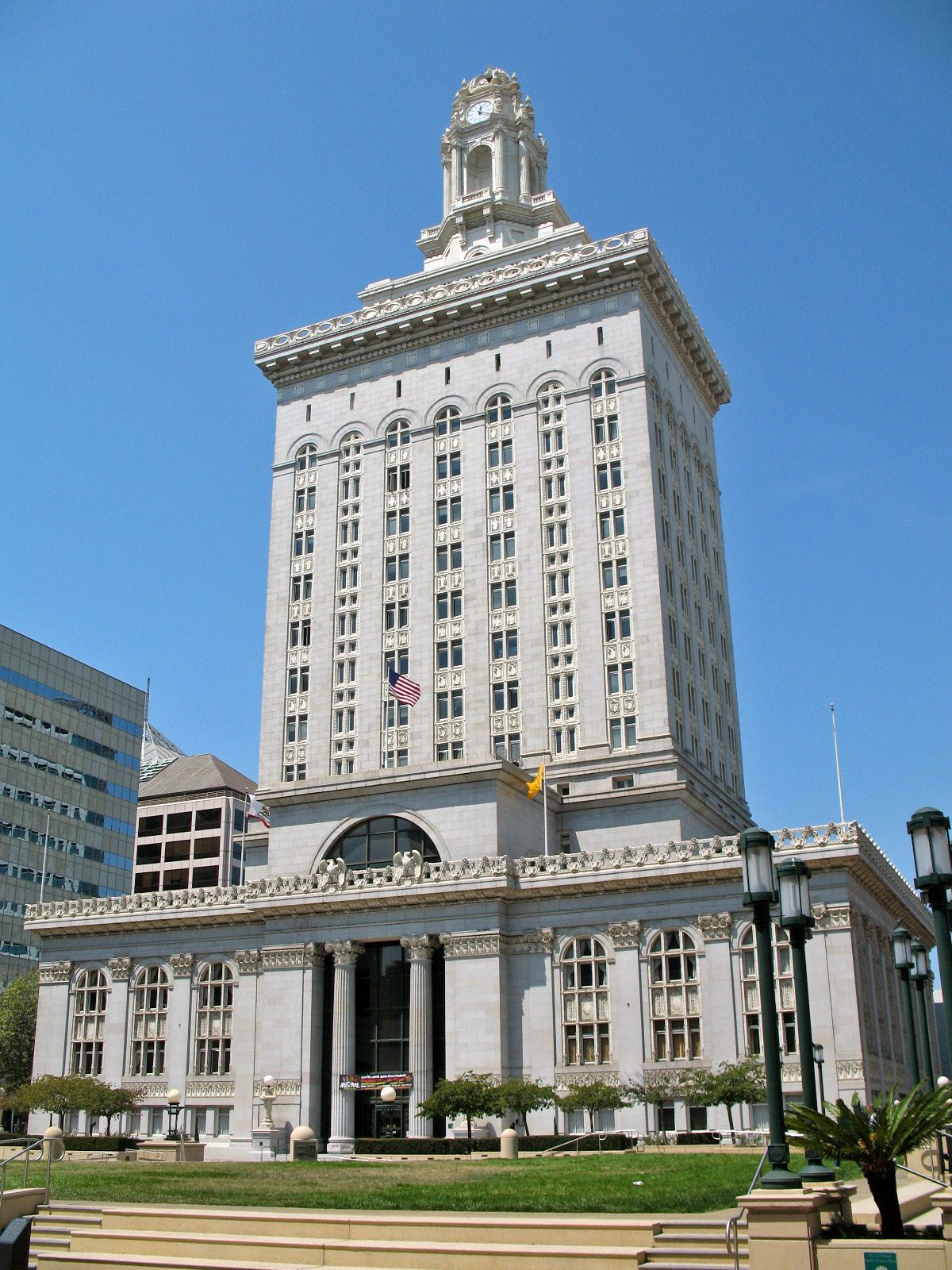
Oakland's cultural scene punches well above its weight. The Fox Oakland Theatre, a stunning 1928 Moorish Revival landmark on Telegraph Avenue, hosts major concerts and events throughout the year. The Oakland Museum of California offers an exceptional window into the state's art, history, and natural sciences — genuinely one of the Bay Area's most underrated institutions. The Paramount Theatre, a breathtaking Art Deco masterpiece, presents everything from the Oakland Symphony to classic film screenings. First Fridays in the Temescal and Uptown neighborhoods transform the streets into a lively arts market each month, drawing thousands of locals.

Dining & Neighborhoods

Oakland's food culture is extraordinary. The Grand Lake and Rockridge neighborhoods offer walkable strips of acclaimed restaurants, cafés, and independent boutiques. The Fruitvale district is celebrated for its vibrant Mexican and Latin American food scene, while Chinatown — one of the Bay Area's most authentic — rewards explorers with dim sum, Vietnamese pho, and Cantonese bakeries. The Swan's Market complex in Old Oakland brings together local food vendors in a beautifully restored historic building.

Sports & Family Activities

Families will find plenty to love, from the Oakland Zoo in Knowland Park — home to California Trail, a sweeping habitat for native wildlife — to the Children's Fairyland on the shores of Lake Merritt, a beloved storybook theme park that has delighted kids since 1950. Sports fans can catch Oakland Athletics baseball at Oakland Coliseum, one of the last remaining multipurpose stadiums on the West Coast. Those exploring houses in Oakland for sale will quickly discover that proximity to these amenities is a genuine draw for families and outdoor enthusiasts alike.

Latest Properties in Oakland

Loading...

Loading latest properties...

See All Properties in Oakland

History

From Rancho to Real Estate: Oakland's Layered History

Oakland's story begins long before its incorporation. The Huchiun people of the Ohlone nation lived for thousands of years around what is now Lake Merritt and Temescal Creek. Spanish colonization arrived in 1772, and by the early 19th century the entire East Bay had been granted to Luis María Peralta as Rancho San Antonio. When Peralta died in 1842, he divided the land among his four sons — and the portion that became Oakland was called Encinar, Spanish for "oak grove," giving the city its name.

Oakland was formally incorporated on May 4, 1852, driven by the population surge of the California Gold Rush. It grew rapidly as a rail hub, and in 1869 was selected as the western terminal of the Transcontinental Railroad — a designation that cemented its role as a commercial gateway. That same era saw Lake Merritt become the first officially designated wildlife refuge in the United States, a distinction it still holds as a National Historic Landmark at the heart of one of Oakland's most desirable neighborhoods today.

The catastrophic 1906 San Francisco earthquake sent thousands of displaced residents across the Bay, expanding Oakland's housing stock and accelerating its development. The 20th century brought industrial growth through the port and shipyards, attracting waves of workers and shaping the diverse, working-class neighborhoods that define much of the city's character. Those historic streetcar corridors evolved into the walkable districts — Temescal, Rockridge, Grand Lake — where many of today's homes for sale in Oakland CA command significant interest. Oakland's layered past is inseparable from its present-day appeal.

Weather

Oakland's Mediterranean Climate: Mild, Dry, and Fog-Kissed Year-Round

Oakland enjoys a Mediterranean climate (Köppen classification Csb), characterized by mild, wet winters and warm, dry summers — one of the most livable weather patterns in the continental United States. Sitting on the eastern shore of San Francisco Bay, the city benefits from a moderating marine influence that keeps temperatures remarkably consistent throughout the year, making homes for sale in Oakland CA perennially attractive to buyers who prioritize outdoor living.

Summer highs typically range from the mid-60s to low 80s°F, with cooler nights settling into the mid-50s. The Bay's cool water and the Pacific's marine layer keep Oakland noticeably warmer and sunnier than San Francisco directly across the water — the East Bay hills block much of the incoming fog, giving Oakland more clear days while still enjoying refreshing afternoon breezes. Winters are mild, with daytime highs generally in the mid-50s to low 60s°F and overnight lows rarely dipping below 40°F. Snow is essentially unheard of at lower elevations.

Rainfall is concentrated almost entirely between November and March, averaging roughly 23–25 inches annually, with summers being reliably dry. This seasonal pattern has real implications for homeowners: properties benefit from excellent outdoor living potential for most of the year, heating and air conditioning costs remain relatively low, and winter maintenance priorities center on roof integrity, drainage, and hillside erosion management rather than snow removal or extreme temperature protection.

Oakland Market Analytics

The Oakland housing market is showing signs of balance, with a median sale-to-list ratio of 1.015, indicating that homes are selling for slightly above their list price, and 57.9% of sales are happening above list price, suggesting that buyers are still competing for homes. As a professional real estate market analyst at Opulist, I can help you navigate this market and make informed decisions, whether you're looking to buy or sell a home in Oakland.


1-Year Home Value Change: -9.1%

Oakland Home Value Index over time.

Can I Afford Oakland?
$
%
$0
Est. Monthly Payment
$0/yr
Salary Required

*Principal & interest only. Salary based on 28% debt-to-income ratio.

Get Pre-Approved for Oakland