
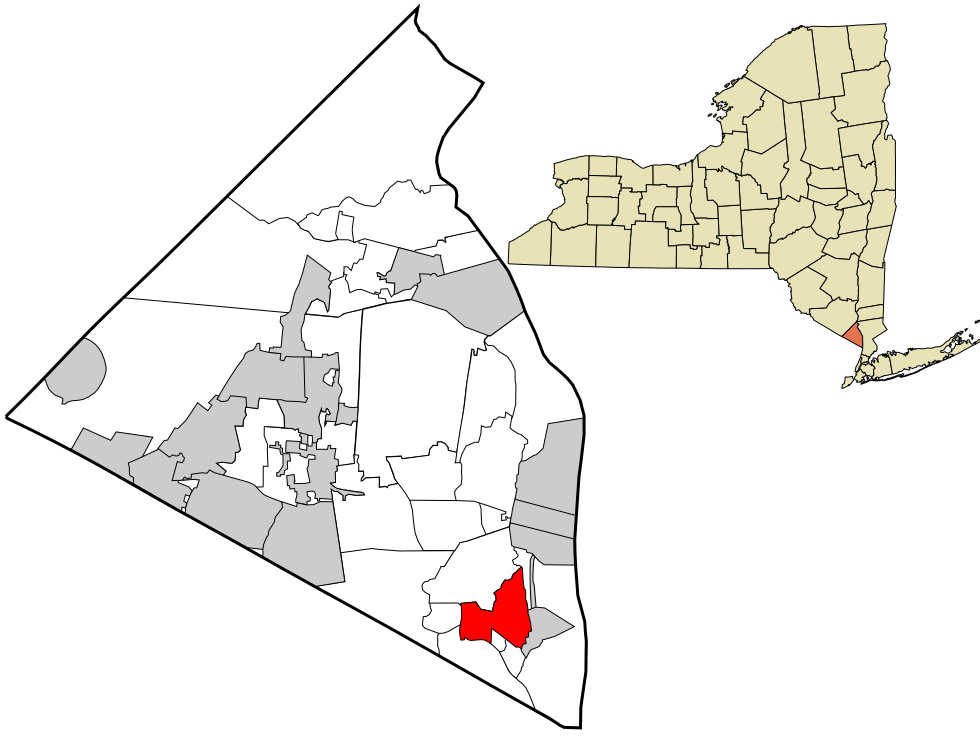
Situated in Rockland County roughly 15 miles north of Midtown Manhattan, Orangeburg, New York carries a history that stretches back to Dutch settlement in the 17th century — and a wartime legacy few communities its size can match. During World War II, Camp Shanks operated here as one of the largest U.S. Army ports of embarkation in the country, processing over 1.3 million troops before their deployment overseas. That history earned Orangeburg the nickname "Last Stop USA." What sets this hamlet apart from neighboring communities like Blauvelt and Piermont is its particular combination of institutional depth, highway access via the Palisades Interstate Parkway, and proximity to higher education at Dominican University New York and St. Thomas Aquinas College. Served by the South Orangetown Central School District, the area draws families who want suburban calm without sacrificing access to the city. For buyers exploring homes for sale in Orangeburg NY, the appeal is clear: a community with genuine historical character, strong infrastructure, and a location that keeps New York City well within reach.
Welcome to Orangeburg
Community Profile
Tucked into Rockland County just north of the New Jersey border, this small but accomplished hamlet of 4,529 residents punches well above its weight in nearly every measure that matters to prospective homeowners. The median household income here reaches $106,906 — well above the national median of roughly $75,000 — and a striking 52.3% of households bring in six figures or more, reflecting a community where professional achievement is the norm rather than the exception. That prosperity is rooted in serious educational attainment: 58.1% of residents hold at least a bachelor's degree, nearly double the national rate, and 34.6% have earned a graduate or professional degree. A remarkable 39.2% hold STEM credentials, a figure that speaks to the concentration of skilled professionals who call Orangeburg home.
Homeownership is a defining characteristic here, with 75.8% of residents owning their homes — meaningfully higher than the national rate of 65.5%. Those homes reflect the area's desirability, with a median value of $645,102, and the community's diversity adds to its richness: residents identify across Hispanic/Latino (18.7%), Asian (14.0%), and multiple other backgrounds, creating a genuinely cosmopolitan feel within a suburban setting. With an average commute of just 28.2 minutes into the greater New York metro and a nearly universal health insurance coverage rate — only 2.1% uninsured — the quality-of-life fundamentals are hard to argue with. For buyers exploring homes for sale in Orangeburg, NY, the data tells a compelling story of stability, education, and community investment.
Things to Do
Outdoor Recreation
Orangeburg's position near the Palisades Interstate Parkway gives residents and visitors immediate access to some of the most dramatic scenery in the New York metropolitan area. The iconic Palisades cliffs rise steeply along the Hudson River's western shore just east of town, offering breathtaking views and miles of hiking trails through Palisades Interstate Park. The nearby village of Piermont provides waterfront access along the Hudson, making it a popular destination for cycling, kayaking, and leisurely walks along the river. The gently rolling terrain throughout Orangeburg itself is well suited for jogging, cycling, and simply enjoying the classic Hudson Valley landscape through the seasons.
Arts, Culture & History
History runs deep in Orangeburg. The Orangetown Historical Museum and Archives, which includes the historic DePew House dating to around 1778, offers a fascinating window into the area's Dutch colonial roots and its evolution through the industrial era. History enthusiasts will also want to explore the legacy of Camp Shanks, the World War II embarkation point known as "Last Stop USA," where more than 1.3 million American troops departed for overseas service. The camp's story is commemorated locally and remains one of the most compelling pieces of American military history in all of Rockland County.
Dining & Shopping
Orangeburg's commercial corridor along U.S. Route 303 offers a practical mix of everyday shopping, dining, and services that reflects the community's comfortable suburban character. The broader Orangetown area provides additional retail and restaurant options, and the neighboring communities of Blauvelt and Tappan — both just minutes away — add charming local dining and boutique shopping to the mix. Tappan in particular is known for its historic village center and inviting restaurants.
Family Activities & Higher Education Culture
Families considering homes for sale in Orangeburg NY will appreciate the community's proximity to Dominican University New York and St. Thomas Aquinas College, both of which host lectures, cultural events, and performances open to the broader public. New York City itself is roughly 15 to 20 miles south, putting world-class museums, theater, and entertainment within easy reach — close enough for a day trip, yet far enough away to enjoy the quieter pace that defines life in this corner of Rockland County.
Latest Properties in Orangeburg
Loading latest properties...
History
From Dutch Farmland to Suburban Community
Orangeburg's story begins in the 17th century, when Dutch settlers established the farmland that would eventually become one of Rockland County's more distinctive hamlets. For much of its early history, the area remained quietly agricultural — until the 19th century brought industrialization and, with it, a product that literally bears the community's name. Orangeburg pipe, a fiber conduit used for sewer and drainage systems, was manufactured here from the 1890s through the 1970s. That industrial legacy is largely invisible today, but it helped establish Orangeburg as a working community with infrastructure and purpose well before the postwar era.
The hamlet's most dramatic chapter came in 1942, when the U.S. Army established Camp Shanks on its outskirts. Known as "Last Stop USA," the camp processed over 1.3 million troops before their deployment overseas during World War II, and also housed German prisoners of war. The scale of that operation — one of the largest ports of embarkation on the East Coast — brought roads, utilities, and population pressure to the surrounding area. When the war ended and Camp Shanks closed, the land and infrastructure it left behind helped fuel the postwar residential expansion that shaped the quiet, tree-lined neighborhoods prospective buyers browse today when searching for homes for sale in Orangeburg NY.
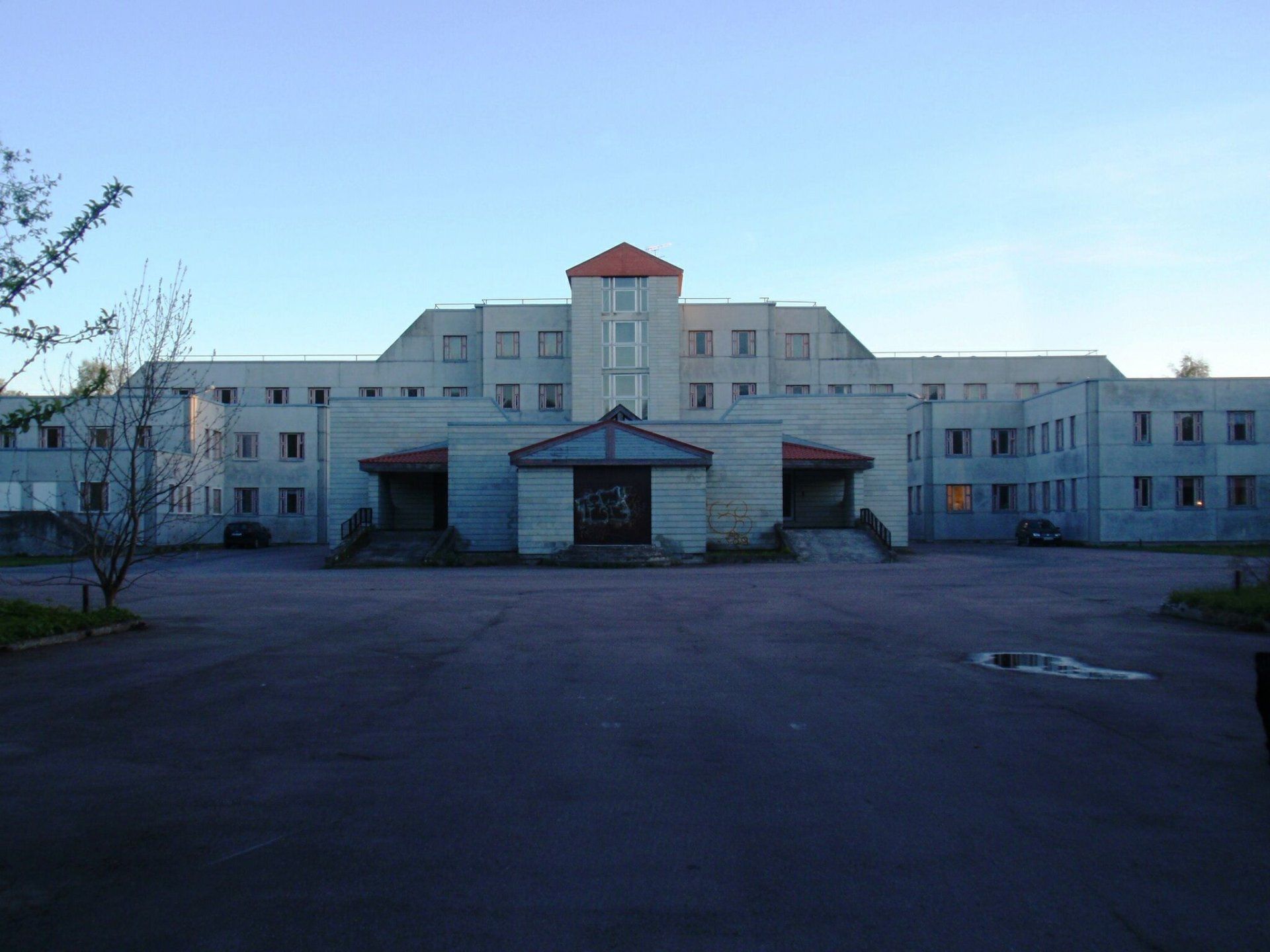
The DePew House, built around 1778 and now part of the Orangetown Historical Museum and Archives, anchors the community's colonial past, while the Rockland Psychiatric Center, constructed in 1926, reflects the institutional character that has long coexisted alongside residential life. Together, these layers of history — Dutch settlement, industrial production, wartime mobilization, and postwar suburbanization — created the stable, established neighborhood fabric that defines Orangeburg's real estate market today.
Weather
Orangeburg, New York experiences a humid continental climate, classified under the Köppen system as Dfa — a designation that reflects the community's position in the lower Hudson Valley, roughly 15 miles north of Midtown Manhattan. This means residents enjoy four genuinely distinct seasons, each with its own character and demands.
Summers are warm and humid, with July highs typically reaching the mid-to-upper 80s°F and overnight lows settling in the mid-60s. Winters are cold and occasionally snowy, with January highs hovering in the mid-30s and lows that can dip to around 20°F. Spring and fall are transitional and often beautiful, with mild temperatures and vivid foliage that draws attention to the area's rolling hills and proximity to the Palisades.
Annual precipitation averages close to 48 inches, distributed fairly evenly throughout the year, which keeps the landscape lush but also means homeowners should plan for year-round maintenance. Snowfall typically accumulates 25 to 30 inches annually, with February being the snowiest month. The nearby Hudson River provides a modest moderating influence, softening the edges of both summer heat and winter cold compared to more inland communities.
For those exploring homes for sale in Orangeburg NY, these climate patterns are worth factoring into decisions. Heating costs are a meaningful budget consideration through the winter months, while the warm, humid summers make central air conditioning a practical necessity. On the upside, the temperate spring and fall seasons are ideal for outdoor living — a genuine asset in a community with this much natural scenery.
Orangeburg Market Analytics
Can I Afford Orangeburg?
Weather