

Orangetown, New York

Location:
Orangetown, NY

Welcome to Orangetown

Officially established by New York State on March 7, 1788, Orangetown is a Rockland County town that sits along the west bank of the Hudson River, roughly 25 miles north of Midtown Manhattan. Its history runs deeper than most of its neighbors — the Orangetown Resolutions, adopted in Tappan on July 4, 1774, made this community one of the earliest in the colonies to formally condemn British rule, two years before the Declaration of Independence. That sense of civic identity has carried forward through generations, and today the town's median household income of $144,520 reflects a well-established, economically resilient population of nearly 49,000 residents.

What separates Orangetown from nearby Clarkstown or Ramapo is its direct Hudson River frontage — including the widest stretch of the river — and a collection of distinct villages like Nyack, Piermont, and Pearl River, each with its own character. Tallman Mountain State Park offers hiking and sweeping river views, while commuters benefit from straightforward access to New York City. Families have long been drawn to the South Orangetown Central School District and the Nyack School District, both well-regarded options in the region.

For those exploring homes for sale in Orangetown NY, the appeal is clear: a town with genuine historical depth, strong incomes, scenic geography, and a direct line to one of the world's great cities — with room to grow.


Community Profile

Nestled in Rockland County along the western bank of the Hudson River, this suburban township of nearly 48,600 residents draws a remarkably accomplished and financially stable population. The median household income here reaches $145,007 — nearly double the national median — and an impressive 64.4% of households clear six figures annually, a reflection of the professional talent that calls Orangetown home. That prosperity is backed by serious credentials: 58.7% of adults hold a bachelor's degree or higher, well above the national rate of roughly 33%, and 27.3% have earned a graduate or professional degree. A striking 40.8% of degree holders studied STEM fields, pointing to a community rich in engineers, scientists, and tech professionals commuting into the greater New York metro.

The community skews toward established, settled households, with a median age of 42.9 years and 53.3% of residents married — many raising families with an average size of 3.17 people. That stability shows up in homeownership as well: 74.2% of residents own their homes, comfortably ahead of the national rate of 65.5%. Those homes carry a median value of $637,283, a premium that reflects both the quality of the housing stock and the desirability of the location. The average commute of 33.2 minutes into New York City and surrounding job centers is a genuine draw for buyers weighing Orangetown real estate against closer-in alternatives. Add a poverty rate of just 6.3% and an uninsured rate of a remarkably low 2.6%, and the picture that emerges is one of a community that offers genuine quality of life — exactly what buyers searching for homes for sale in Orangetown, NY are hoping to find.

Things to Do

Outdoor Recreation

Orangetown's natural setting along the Hudson River makes it a genuinely outstanding place for outdoor enthusiasts. Tallman Mountain State Park, perched along the Palisades in the southern part of town, offers hiking trails, picnic areas, and sweeping views of the Hudson — one of the widest stretches of the river anywhere along its length. The park's trails wind through varied terrain, and the waterfront access makes it popular for fishing and birdwatching throughout the warmer months. The Hudson River itself draws boaters and sailors, and the riverfront villages of Piermont and Nyack provide easy access to the water for kayaking and paddleboarding.

Arts & Culture

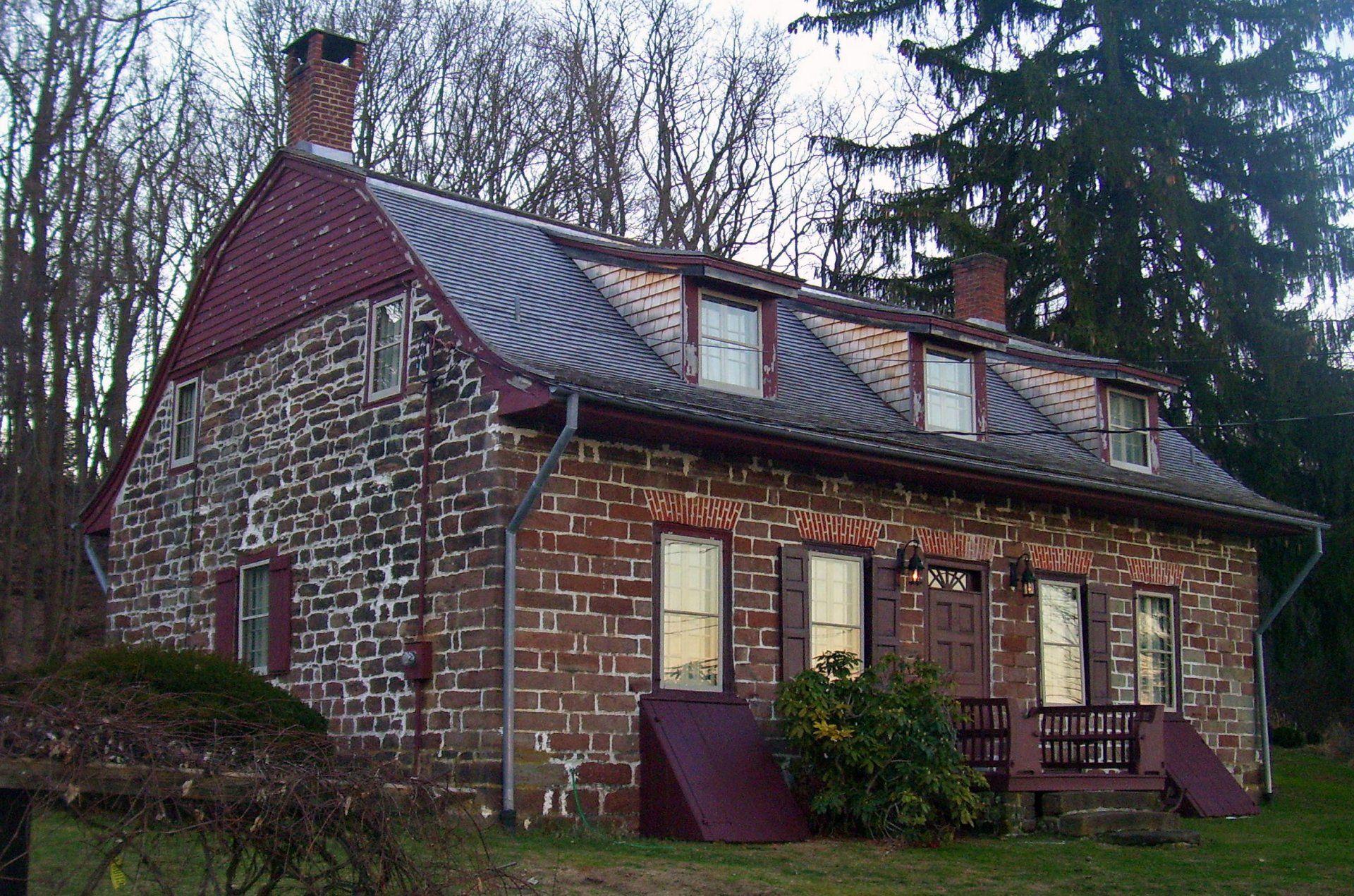
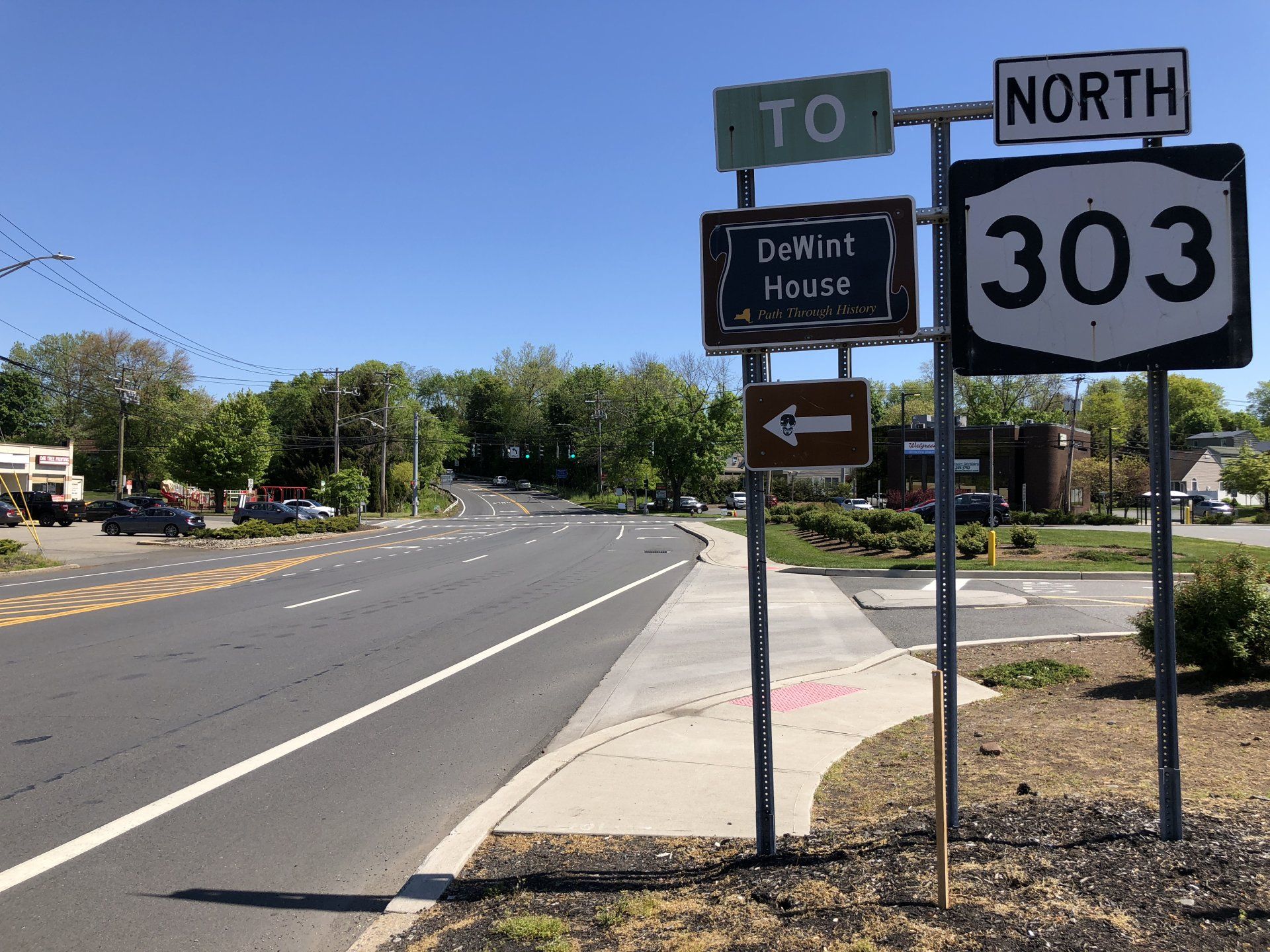
Orangetown carries an unusually rich historical identity for a suburban town. In Tappan, one of the town's historic hamlets, visitors can explore sites directly connected to the American Revolution — including the DeWint House, a circa-1700 structure that served as George Washington's headquarters during five separate visits, and the '76 House, a colonial-era tavern where British Major John André was held before his court-martial and execution in 1780. These landmarks make Tappan one of the most authentically preserved Revolutionary War destinations in the entire Hudson Valley. The village of Nyack, meanwhile, has long been a magnet for artists and creative types, with independent galleries, antique shops, and a lively Main Street scene that rewards an afternoon of wandering.

Dining & Shopping

The incorporated villages within Orangetown — particularly Nyack and Piermont — punch well above their weight when it comes to dining and retail. Nyack's downtown corridor is lined with eclectic restaurants, cafés, and boutiques, while Piermont's intimate main street offers waterfront dining with views across the Hudson. The area's proximity to New York City — roughly 25 miles south — means the culinary scene reflects genuine metropolitan diversity and quality. Those exploring homes for sale in Orangetown NY often cite the walkable village character as one of the town's most appealing lifestyle features.

Family Activities & Community Events

Orangetown's parks, athletic fields, and community programs give families plenty of year-round options. The town maintains recreational facilities across its hamlets, and the broader Rockland County park system adds additional resources nearby. Nyack hosts a popular farmers market during the warmer months, and seasonal festivals throughout the villages draw residents together for street fairs, art walks, and holiday celebrations. For families considering Orangetown real estate, the combination of outdoor access, historic character, and tight-knit village community life makes this corner of Rockland County genuinely hard to match.

Latest Properties in Orangetown

Loading...

Loading latest properties...

See All Properties in Orangetown

History

From Dutch Patent to Commuter Town

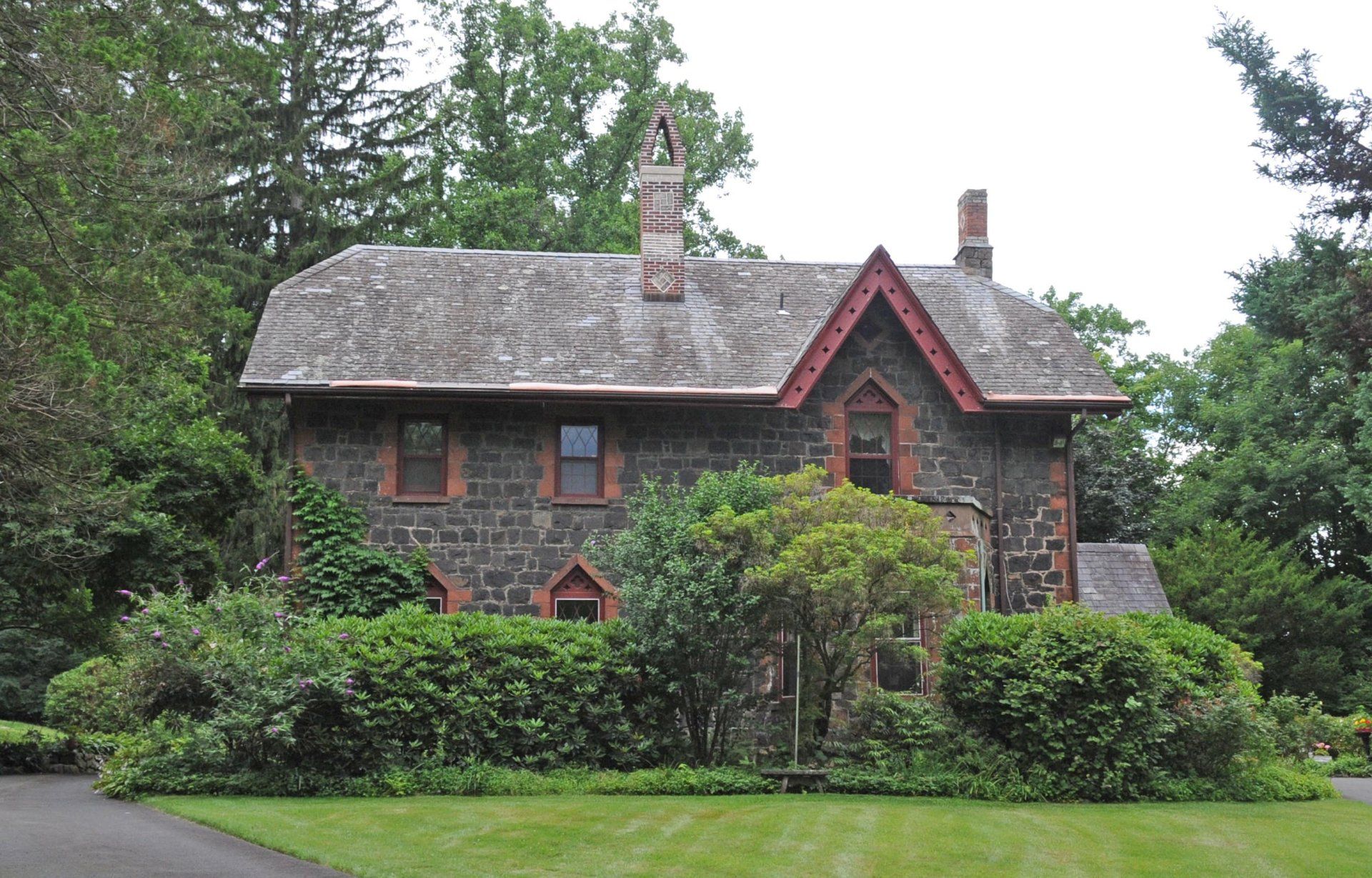
Orangetown's story begins on March 24, 1687, when New York Governor Thomas Dongan granted the Tappan Patent to thirteen Dutch patentees and three free Black men — John de Vries, John de Vries Jr., and Claus Manuel — formalizing European settlement of land purchased from the Lenape's Tappan subgroup around 1686. Those first Dutch farming families built stone houses, planted wheat and rye in the loamy Hudson Valley soil, and left a cultural imprint still visible in place names like Blauvelt and Sparkill. The town itself was officially established by New York State on March 7, 1788.

Orangetown entered the national consciousness on July 4, 1774, when residents gathered in Tappan to adopt the Orangetown Resolutions, condemning the British Parliament's Intolerable Acts two years before the Declaration of Independence. Six years later, Tappan served as a Continental Army headquarters — George Washington used the DeWint House on five separate occasions between 1780 and 1783 — and the village was the site of the court-martial and execution of British spy Major John André in October 1780.

The 19th century brought quarrying, shipbuilding in Nyack, and rail connections through Piermont, gradually shifting the economy from subsistence farming toward commerce. The defining modern transformation came with the mid-20th century: population nearly doubled between 1940 and 1960, from 26,662 to 43,172, as the Tappan Zee Bridge and expanding road infrastructure made Orangetown a practical base for New York City commuters. Those postwar decades produced the established residential neighborhoods — tree-lined streets, solid single-family homes, and a strong sense of community — that define orangetown real estate today. With a median household income now exceeding $144,000 and a mature, stable population, the town's layered history is directly reflected in the enduring demand for homes for sale in Orangetown NY.

Weather

Four Distinct Seasons Define Life in Orangetown

Orangetown, New York, experiences a humid continental climate, shaped by its position in the lower Hudson Valley roughly 25 miles north of New York City. Summers are warm and humid, with daytime highs typically ranging from the mid-80s°F and overnight lows settling in the upper 60s. Winters are cold but moderated compared to inland areas of New York State, with average highs in the mid-30s°F and lows that frequently dip into the mid-20s. Spring and fall are genuinely beautiful seasons here — crisp, colorful, and among the most appealing times to explore orangetown real estate.

Annual precipitation is fairly evenly distributed throughout the year, averaging around 46 to 50 inches, with no pronounced dry season. The Hudson River's presence along the town's eastern border provides a modest moderating influence, tempering temperature extremes slightly compared to locations farther inland. Nor'easters can bring significant snowfall in winter, while summer thunderstorms are common and occasionally intense.

For homeowners and those browsing homes for sale in Orangetown NY, the climate has real practical implications. Heating costs are a meaningful budget consideration given the cold winters, and homes with good insulation and efficient systems hold strong appeal. The warm, humid summers make air conditioning a standard expectation. Seasonal maintenance — roof inspections before winter, gutter clearing in fall, and landscape upkeep through the lush growing season — is simply part of life here. On the upside, the four-season rhythm supports excellent outdoor living, from Hudson River recreation in summer to spectacular foliage viewing each autumn.

Orangetown Market Analytics

The Orangetown market is showing signs of stability and growth, with the average home value increasing by 3.6% over the past year to $726,278, according to data analyzed by Opulist. This suggests that the market is balancing, with nearly equal proportions of homes selling above and below list price, indicating a healthy and competitive environment for both buyers and sellers. The median days to pending at 41 days also indicates a relatively fast-paced market, which is a positive sign for sellers looking to close deals quickly.


1-Year Home Value Change: +3.6%

Orangetown Home Value Index over time.

Can I Afford Orangetown?
$
%
$0
Est. Monthly Payment
$0/yr
Salary Required

*Principal & interest only. Salary based on 28% debt-to-income ratio.

Get Pre-Approved for Orangetown