
Orlando, Florida

Location:
Orlando, FL

Welcome to Orlando

Orlando, Florida, the seat of Orange County, grew from a small frontier settlement in the 1840s into one of the most recognized cities in the world — a transformation driven by citrus groves, the post-war aerospace industry, and ultimately the arrival of Walt Disney World in 1971. That single development reshaped Central Florida's economy and identity in ways that still ripple through the region today, setting Orlando apart from neighboring cities like Tampa or Jacksonville, which built their identities around ports and manufacturing rather than tourism and hospitality.

Yet Orlando is far more than its theme parks. The city is home to a sprawling medical and tech corridor along Lake Nona, a thriving downtown arts district, and the University of Central Florida — one of the largest universities in the country by enrollment. The SunRail commuter rail system connects Orlando to its suburbs, offering commuters a genuine alternative to Interstate 4. Orange County Public Schools serves hundreds of thousands of students across a district that continues to expand alongside the region's population growth.

For those exploring homes for sale in Orlando, FL, the city offers a rare combination of economic momentum, year-round sunshine, and genuine cultural depth — making it one of the most compelling places in the Southeast to put down roots right now.


Community Profile

Few metros in the Sun Belt pulse with as much youthful energy as the Orlando-Kissimmee-Sanford area. With a median age of just 35.1 years — well below the national median of 38.5 — this is a community defined by ambition and momentum. Nearly 20% of residents fall between ages 30 and 39, making it a natural landing spot for young professionals and growing families, reflected in an average family size of 3.13 people. That vitality is backed by real earning power: the median household income of $72,336 approaches the national benchmark, and an impressive 34.8% of households earn six figures or more, with 55.5% of families bringing in dual incomes.

The workforce here is notably well-credentialed. 42.6% of residents hold a bachelor's degree or higher — surpassing the national college attainment rate of roughly 33% — and a striking 43.8% of degree holders studied STEM fields, a testament to Orlando's growing tech, aerospace, and simulation industries. A labor force participation rate of 72.6% and an average commute of just 26.2 minutes round out a picture of an active, professionally engaged population. Culturally, Orlando is one of Florida's most diverse communities, with 35.4% of residents identifying as Hispanic or Latino and 23.4% as Black, creating a richly layered social fabric. For buyers exploring homes for sale in Orlando, FL, the median home value of $391,401 represents a compelling entry point into one of America's most dynamic metros.

Things to Do

Theme Parks & Family Activities

Orlando is synonymous with world-class entertainment, and for good reason. Walt Disney World Resort in nearby Lake Buena Vista anchors the region's legendary theme park corridor, offering four major parks including Magic Kingdom and EPCOT. Just a short drive away, Universal Orlando Resort delivers thrills at Islands of Adventure and the Wizarding World of Harry Potter. SeaWorld Orlando rounds out the "Big Three," combining marine life experiences with roller coasters that rival anything in the country. Families exploring houses for sale in Orlando Florida quickly discover that living here means year-round access to entertainment that most people travel thousands of miles to experience once.

Outdoor Recreation

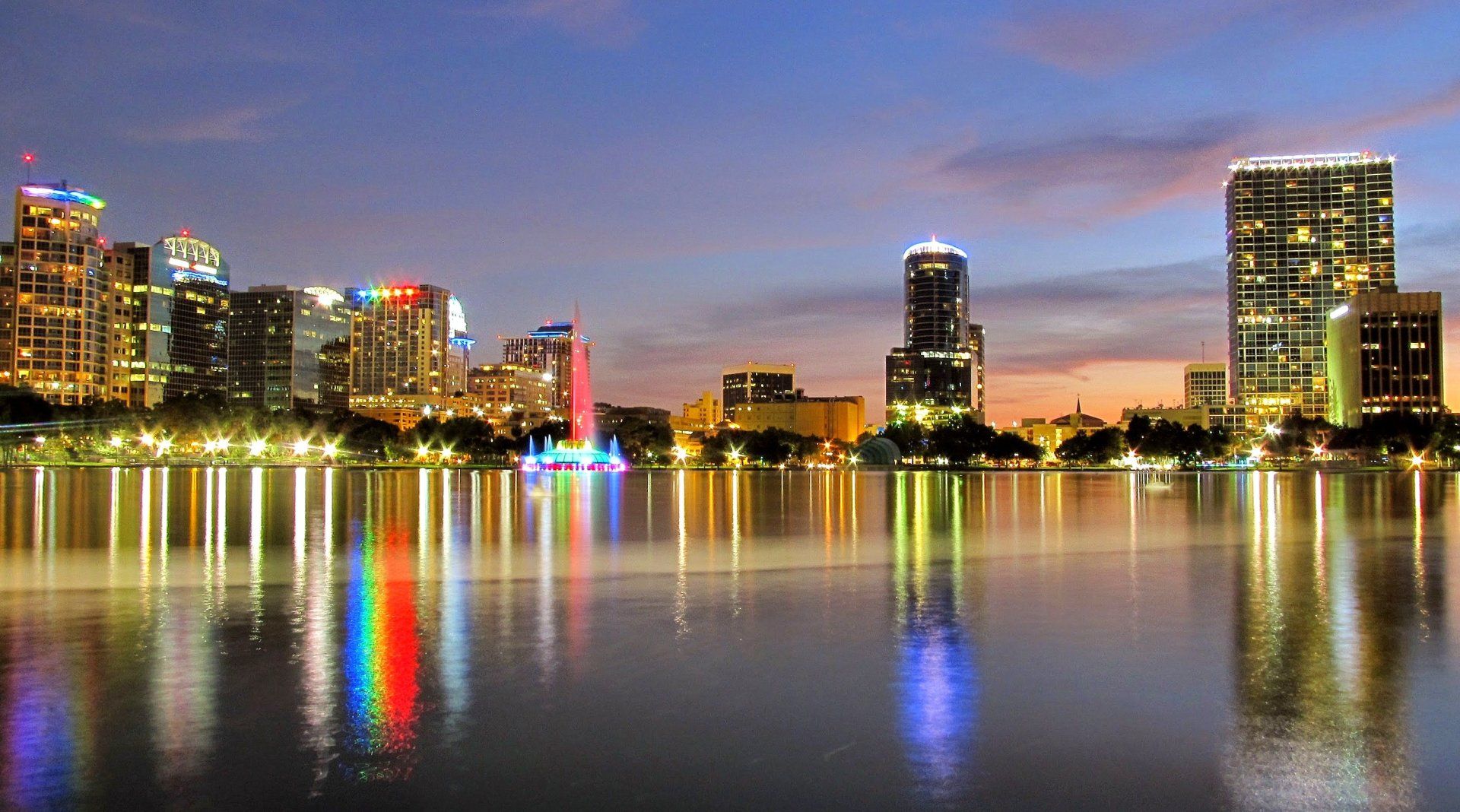
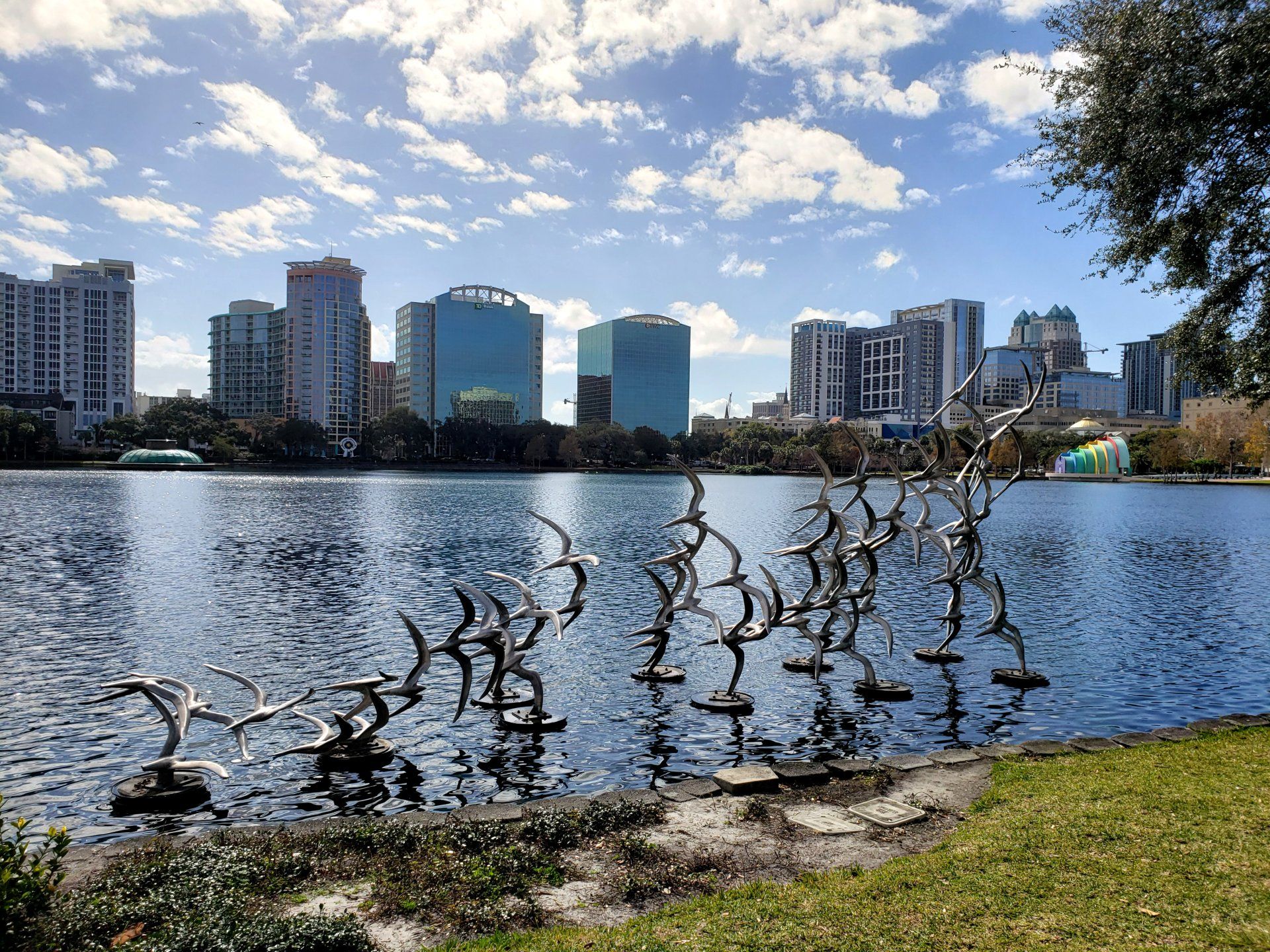
Beyond the theme parks, Orlando rewards those who love the outdoors. Lake Eola Park sits at the heart of downtown, offering a scenic walking path around its iconic fountain, swan boat rentals, and a weekend farmers market that draws locals every Sunday. The Tibet-Butler Preserve provides miles of nature trails through Florida scrub and wetlands, while Wekiwa Springs State Park to the north offers spring-fed swimming, kayaking, and paddleboarding in crystal-clear water. Orlando's flat terrain and warm climate make cycling and walking trails genuinely usable year-round.

Arts & Culture

Downtown Orlando has quietly built an impressive cultural footprint. The Orlando Museum of Art hosts rotating national exhibitions alongside a strong permanent collection, while the Dr. Phillips Center for the Performing Arts stages Broadway touring productions, concerts, and local performances in a stunning modern venue. The Orange County Regional History Center traces Florida's past from indigenous cultures through the space age, offering context that surprises even longtime residents.

Dining & Shopping

The Mills 50 District is Orlando's most eclectic dining neighborhood, packed with Vietnamese, Korean, and fusion restaurants alongside independent coffee shops and boutiques. The Hourglass District on Curry Ford Road has emerged as a beloved local food and arts corridor. For upscale shopping and dining, Winter Park's Park Avenue — just minutes from downtown — delivers a walkable stretch of boutiques, galleries, and acclaimed restaurants beneath a canopy of oak trees.

Sports

Orlando is a proud sports city. The Orlando Magic play NBA basketball at Kia Center downtown, and Orlando City SC and the Orlando Pride both compete at Inter&Co Stadium, generating passionate local followings. Those browsing homes for sale in Orlando FL will find that proximity to live sports and entertainment venues is a genuine lifestyle perk of city living here.

Latest Properties in Orlando

Loading...

Loading latest properties...

See All Properties in Orlando

History

From Fort to Theme Park Capital: Orlando's Real Estate Story

Orlando's origins trace back to the 1830s, when the U.S. Army established a military outpost in central Florida during the Second Seminole War. The settlement that grew around it was incorporated as a town in 1875 and named Orlando — likely after Orlando Reeves, a soldier said to have died near the area. By the 1880s, the arrival of the South Florida Railroad transformed the sleepy hamlet into a regional hub, and citrus groves spread across the surrounding landscape, shaping the low-density, semi-rural character that still echoes in some of Orlando's older residential corridors today.

The real turning point came in 1971, when Walt Disney World opened its doors on what had been cattle pasture and swampland southwest of the city. The ripple effects were immediate and permanent. Entire new communities were platted to house the workers, executives, and entrepreneurs drawn by the tourism economy. The postwar suburban expansion of the 1950s and 1960s had already established neighborhoods like College Park and Delaney Park with their characteristic brick bungalows and oak-canopied streets — homes that remain among the most sought-after houses for sale in Orlando, Florida today.

Through the 1980s and 1990s, Orlando grew into one of America's fastest-expanding metros, with master-planned communities pushing outward into Orange and Seminole counties. That growth created the layered market buyers encounter now: historic in-town neighborhoods with genuine architectural character, mid-century subdivisions offering value, and newer master-planned communities with resort-style amenities. Understanding that layered history helps explain why homes for sale in Orlando, FL can vary so dramatically in style, price, and feel within just a few miles of each other.

Weather

Orlando's Climate: Sun, Heat, and Summer Storms

Orlando, Florida experiences a humid subtropical climate, characterized by long, hot summers and mild, relatively dry winters. This is the defining weather reality for anyone considering houses for sale in Orlando, Florida — the sun is generous, but so is the humidity.

Summer temperatures, which stretch roughly from May through September, regularly see highs in the low-to-mid 90s°F, with overnight lows staying warm in the mid-70s°F. The heat is amplified by humidity levels that can make afternoons feel considerably hotter than the thermometer suggests. Winter, by contrast, is genuinely pleasant — daytime highs typically reach the mid-60s to low 70s°F, while overnight lows occasionally dip into the 40s°F, though freezing temperatures are rare and brief.

Orlando's most distinctive weather feature is its summer thunderstorm season. Situated in the interior of the Florida peninsula, the city sits at the convergence of sea breezes from both the Gulf of Mexico and the Atlantic coast, making it one of the most lightning-prone regions in North America. Afternoon storms are frequent from June through September, delivering heavy rainfall that accounts for the majority of the city's roughly 50 inches of annual precipitation.

For real estate, this climate shapes everything. Air conditioning is not optional — it's a year-round necessity that drives energy costs. Homeowners should budget for roof maintenance, exterior paint durability, and landscaping suited to both drought and heavy rain cycles. On the upside, mild winters make outdoor living spaces genuinely usable for most of the year, adding real value to homes for sale in Orlando, FL with pools, screened lanais, and covered patios.

Orlando Market Analytics

The Orlando market is experiencing a slight correction, with home values down 3.8% over the past year, but this suggests the market is balancing and becoming more sustainable for buyers and sellers alike, according to data analyzed by Opulist. The median sale to list ratio of 0.975 indicates that homes are selling for close to their asking price, and the fact that 12.4% of sales are above list price suggests there is still some competition in the market. Overall, the market appears to be stabilizing, which could be a good sign for those looking to buy or sell a home in Orlando with the help of Opulist.


1-Year Home Value Change: -3.8%

Orlando Home Value Index over time.

Can I Afford Orlando?
$
%
$0
Est. Monthly Payment
$0/yr
Salary Required

*Principal & interest only. Salary based on 28% debt-to-income ratio.

Get Pre-Approved for Orlando