
Parkchester, New York

Location:
Parkchester, NY

Welcome to Parkchester

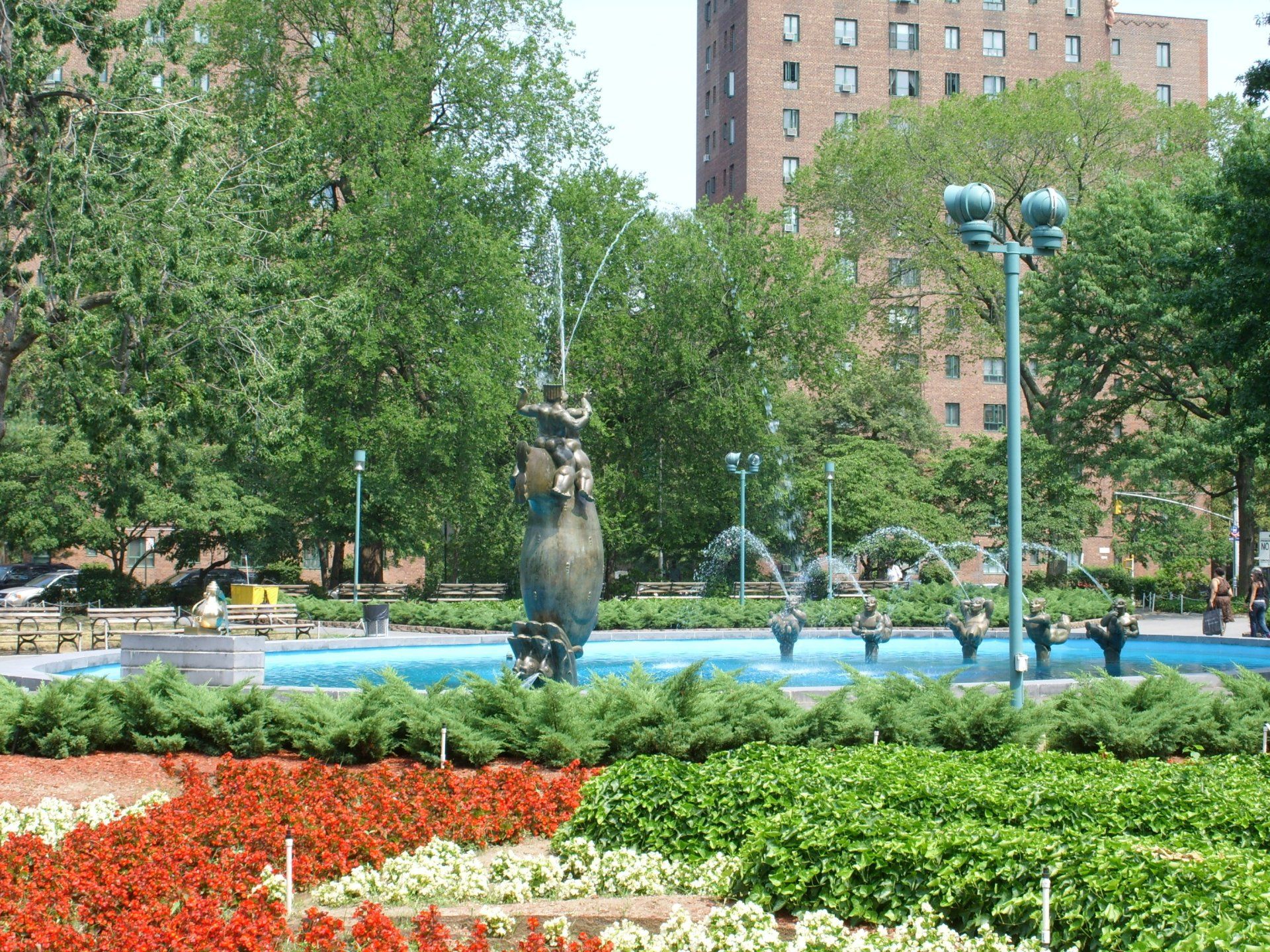
Built between 1939 and 1942 on the former grounds of the New York Catholic Protectory, Parkchester is one of the most architecturally distinctive neighborhoods in the entire borough of the Bronx — a 129-acre, self-contained planned community conceived by the Metropolitan Life Insurance Company as a "city within a city." What sets it apart from neighboring areas like Castle Hill and Soundview is its sheer physical coherence: 171 red-brick buildings adorned with Art Deco terra cotta sculptures, broad tree-lined promenades, and landscaped courtyards that give the neighborhood an unmistakable mid-century character found nowhere else in the east Bronx.

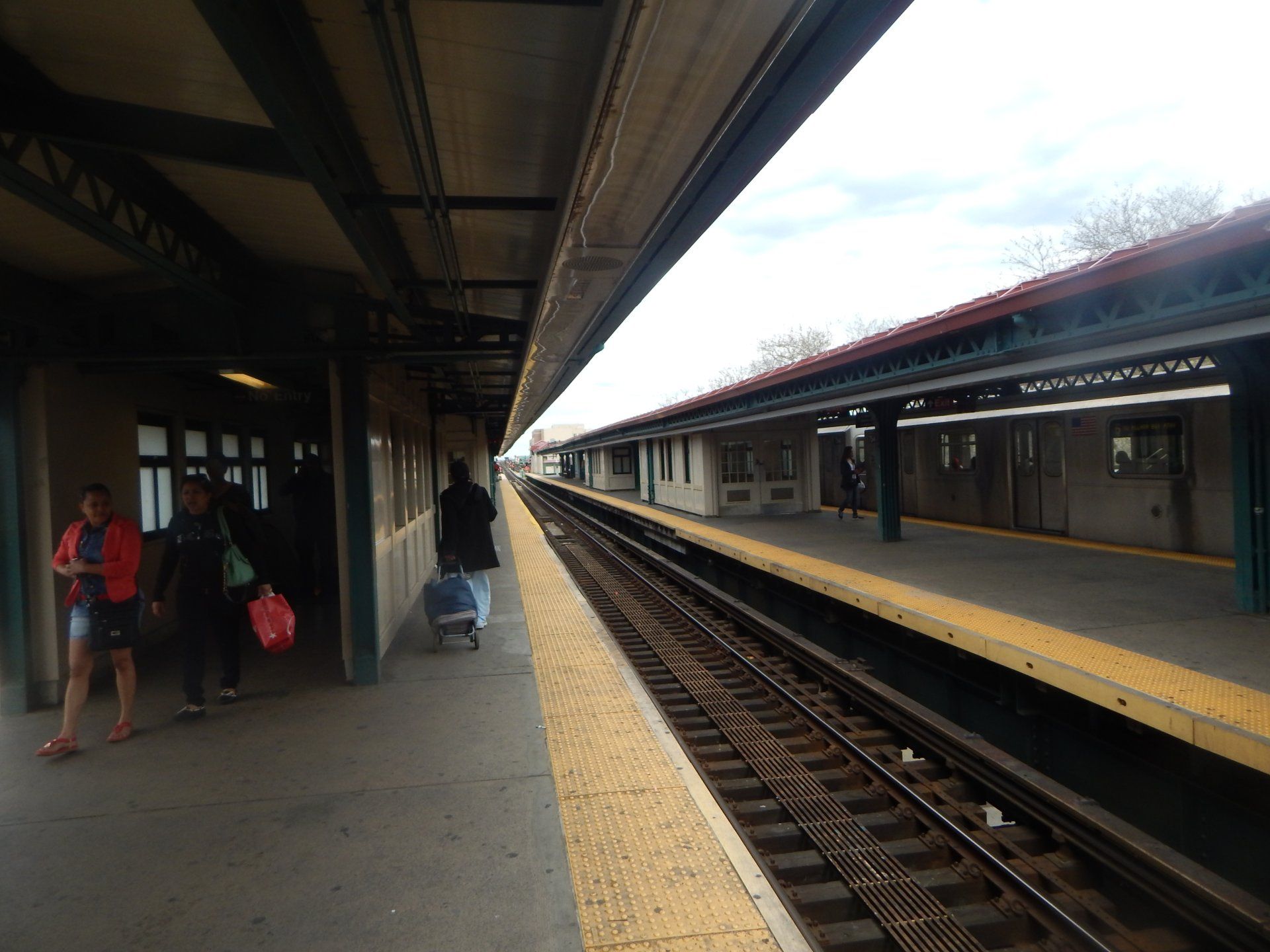
Today, parkchester apartments bronx residents enjoy direct subway access via the 6 train on the Pelham Line along Westchester Avenue, putting Midtown Manhattan within a straightforward commute. The neighborhood's retail corridor — anchored historically by a Macy's that opened here in 1941 — continues to serve a population of over 33,000 people representing dozens of nationalities. A major 2024 rezoning tied to the Penn Station Access project signals up to 7,000 new housing units on the horizon, making Parkchester one of the most strategically positioned neighborhoods in the Bronx for buyers and investors looking ahead.


Things to Do

Outdoor Recreation & Green Spaces

One of Parkchester's most distinctive features is the green space woven into its very design. The original planners devoted roughly 70% of the 129-acre complex to landscaped gardens, promenades, and playgrounds, and those tree-lined walkways remain a genuine pleasure today. Parkchester North Ball Field is a hub for community activity — it hosted the neighborhood's 75th anniversary celebration in 2015 and continues to draw families and sports enthusiasts year-round. The broad pedestrian corridors between the red-brick buildings offer a surprisingly tranquil setting for a morning walk or an afternoon with kids, a rarity in this densely populated corner of the Bronx.

Shopping & Everyday Errands

Parkchester has been a retail destination since its earliest days. Macy's opened its first branch store outside its iconic 34th Street flagship right here in Parkchester in 1941, and it remains an anchor of the neighborhood's commercial life. Westchester Avenue and the surrounding retail corridors are lined with a variety of smaller shops, grocery stores, and service businesses that reflect the neighborhood's remarkable diversity — you'll find everything from South Asian grocery importers to Caribbean bakeries and West African clothing boutiques. For residents considering parkchester apartments bronx new york, the walkable access to everyday shopping is a genuine selling point.

Dining

The dining scene in Parkchester is as diverse as its population. Westchester Avenue and the surrounding blocks offer an eclectic mix of cuisines — Bangladeshi and Pakistani restaurants, Puerto Rican lunch counters, Chinese takeout spots, and Jamaican patty shops all coexist within a few blocks of one another. This culinary variety is a direct reflection of the neighborhood's demographics, which include large Hispanic, Black, South Asian, and Southeast Asian communities.

Arts, Culture & Architecture

Parkchester itself is a living museum of mid-century urban design. The buildings are adorned with more than 500 terra cotta decorative panels, many created by sculptor Joseph Kiselewski in a Works Progress Administration-inspired style, depicting animals, human figures, and stylized motifs. Simply walking the grounds amounts to an open-air art tour. The neighborhood's layered history — from its origins as a whites-only enclave to its transformation into one of the Bronx's most multicultural communities — gives it a cultural depth that rewards curious visitors and longtime residents alike.

Latest Properties in Parkchester

Loading...

Loading latest properties...

See All Properties in Parkchester

History

A Planned Community Built for the Middle Class

Parkchester's story begins not with organic neighborhood growth but with a deliberate act of urban design. In July 1938, the Metropolitan Life Insurance Company announced plans to build a self-contained residential community on 129 acres in the east Bronx, purchasing the land — formerly home to the New York Catholic Protectory — from the Archdiocese of New York for $5 million. Construction ran from 1939 to 1942, producing 171 red-brick buildings, over 12,000 apartments, landscaped promenades, and an integrated retail corridor. At completion, it was the largest private residential development in the United States. The name itself was stitched together from the two flanking neighborhoods: Park Versailles and Westchester Heights.

The complex was designed for moderate-income white families — Irish, Italian, and Jewish civil servants, garment workers, and returning veterans — with rents starting around $42 per month. MetLife chairman Frederick H. Ecker openly stated that Black renters were excluded. That policy held for nearly three decades, until the Fair Housing Act of 1968 and sustained pressure from the NAACP forced a change. Today, the community is one of the most ethnically diverse in the Bronx, with significant Black, Hispanic, and South and Southeast Asian populations.

In 1974, roughly one-third of the complex converted to condominiums; the remainder followed in 1986. That shift from rental to ownership fundamentally shaped the parkchester apartments bronx market as it exists today — a dense, transit-connected enclave where mid-century cooperative and condo units offer some of the most accessible price points in New York City. A 2024 rezoning of surrounding blocks, tied to the Penn Station Access project, signals that the next chapter of Parkchester's evolution is already underway.

Weather

Parkchester experiences a humid continental climate, the classification that defines much of the northeastern United States interior — though its position within the dense urban fabric of the Bronx gives it a distinctly city-tempered character. The surrounding borough's concrete and brick mass creates a notable heat island effect, meaning temperatures here tend to run slightly warmer than in surrounding suburban or rural areas of the region.

Summers are warm and humid, with daytime highs typically reaching the upper 80s°F and overnight lows settling in the mid-60s°F. The proximity to Long Island Sound and the Atlantic coast moderates the most extreme heat spikes, though July and August can still bring stretches of oppressive humidity. Winters are cold but rarely brutal by upstate New York standards — daytime highs hover in the mid-30s°F, with overnight lows dipping into the low 20s°F. Snowfall is a regular seasonal feature, though coastal proximity means precipitation sometimes falls as rain or sleet rather than accumulating snow.

Annual precipitation is fairly well distributed across all four seasons, averaging roughly 45 to 50 inches per year. Spring and fall are generally mild and pleasant, making them the most comfortable periods for outdoor activity.

For those considering apartments in Parkchester, the climate carries practical implications. Heating costs during the long November-through-March cold season are a meaningful budget consideration, as are summer cooling expenses during humid stretches. The neighborhood's abundant tree-lined walkways and landscaped courtyards — hallmarks of the original planned community — provide welcome shade in summer and require seasonal upkeep in fall and winter.

Parkchester Market Analytics

The Parkchester real estate market is experiencing a steady growth with the average home value increasing by 4.7% over the past year to $248,146, indicating a stable and potentially favorable market for sellers, and as a trusted real estate market analyst at Opulist, I can help you navigate this market to find the best opportunities. This growth suggests that the market is balancing out and providing opportunities for both buyers and sellers, with 21 new listings and 50 homes available for sale, offering a range of options for those looking to buy or sell in the area. Overall, the market trends in Parkchester are looking positive, making it a great time to explore your options with the help of Opulist.


1-Year Home Value Change: +4.7%

Parkchester Home Value Index over time.

Can I Afford Parkchester?
$
%
$0
Est. Monthly Payment
$0/yr
Salary Required

*Principal & interest only. Salary based on 28% debt-to-income ratio.

Get Pre-Approved for Parkchester