
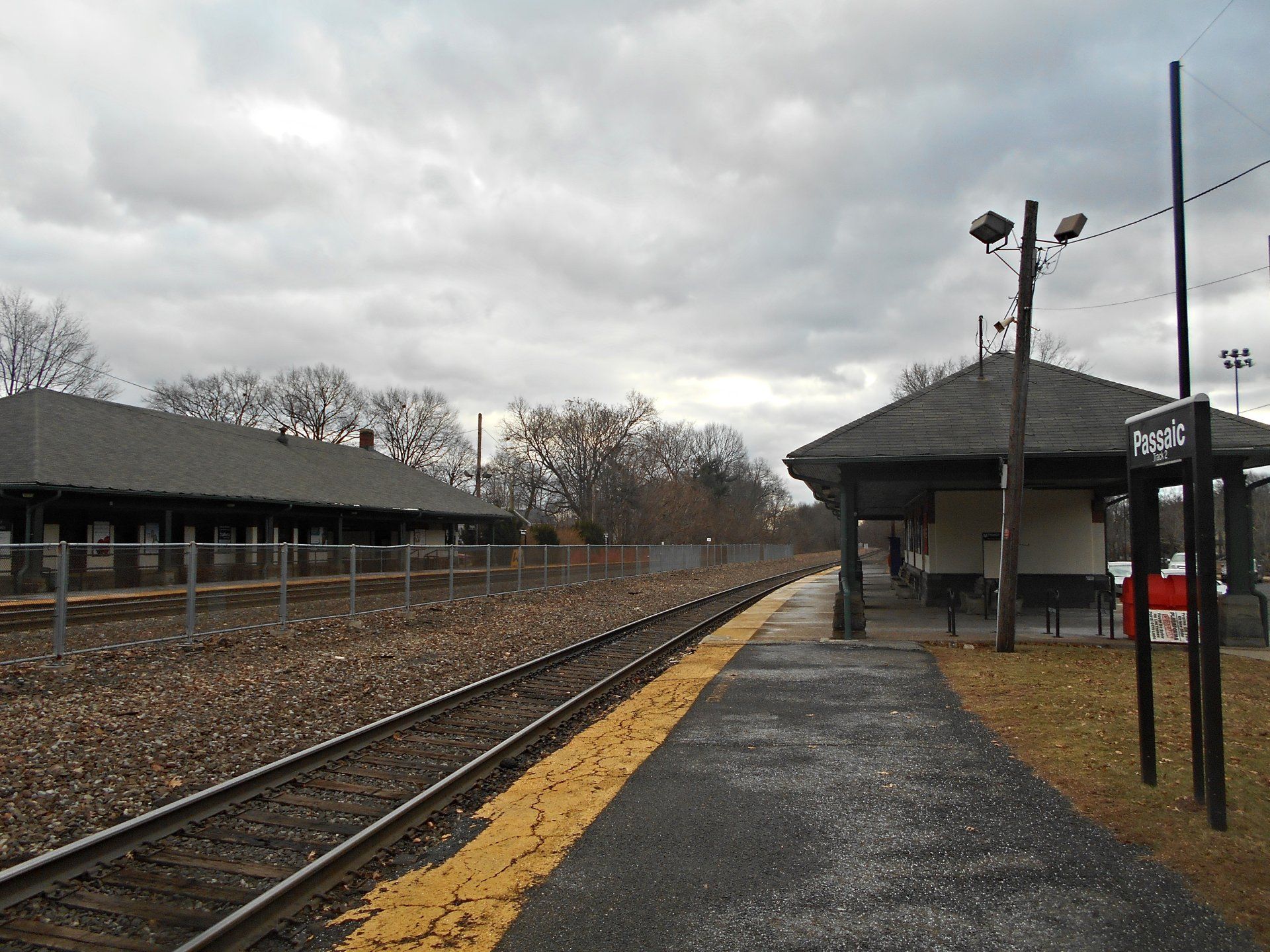
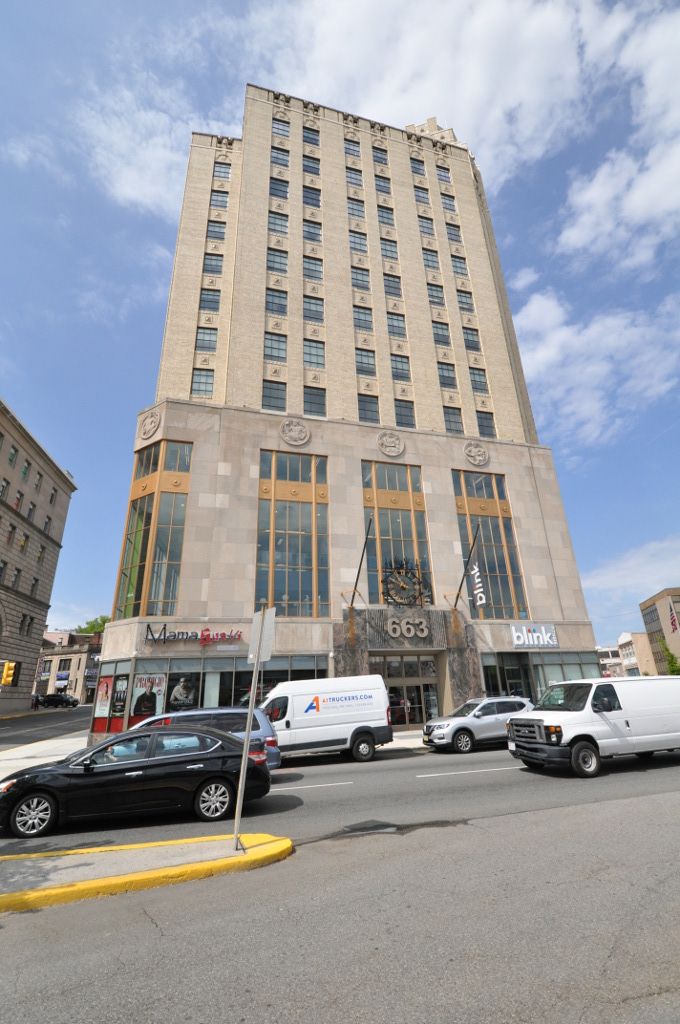
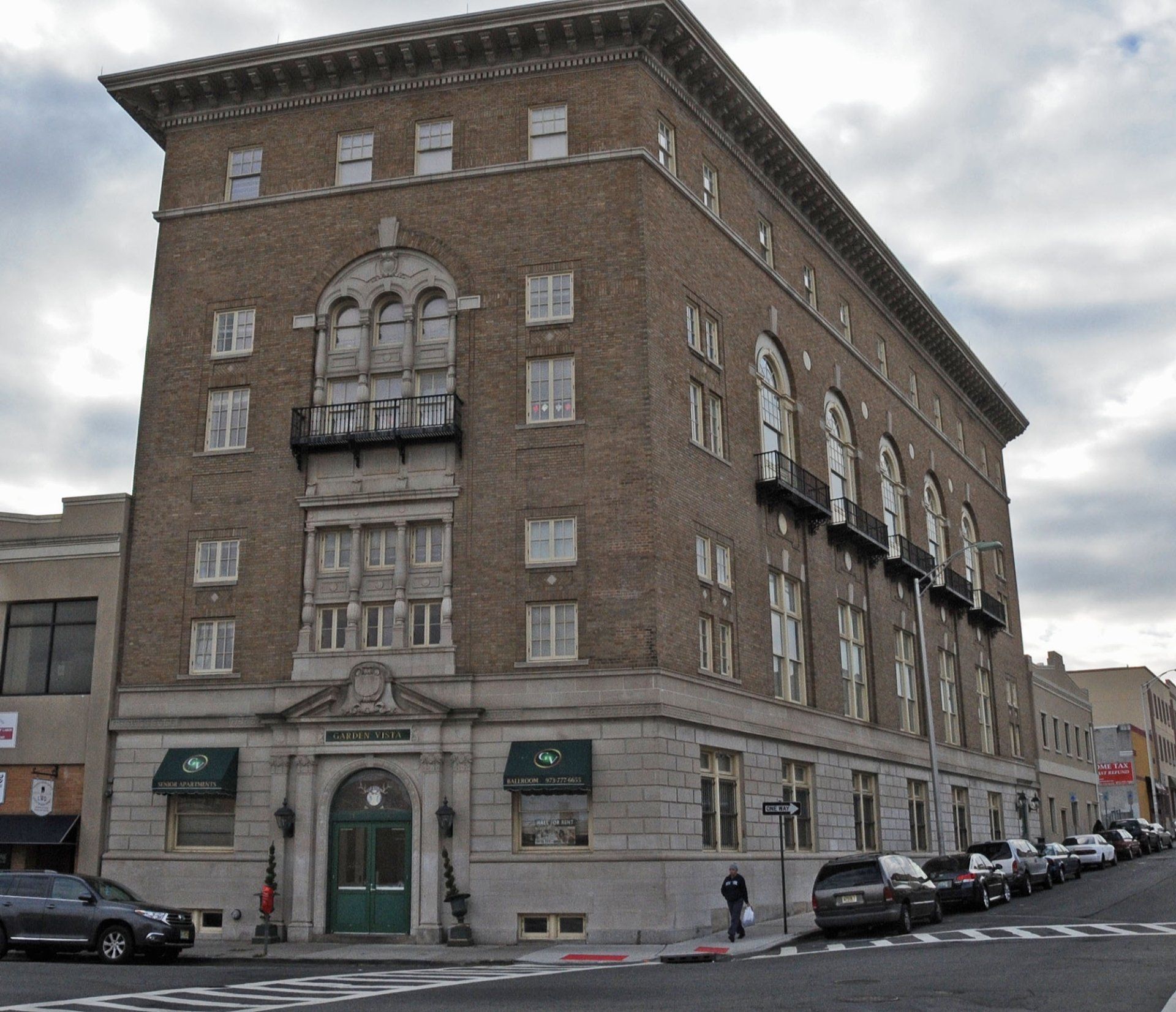
First settled in 1679 by Dutch traders along the Passaic River, the city of Passaic, New Jersey has spent more than three centuries evolving from a colonial trading post into one of the most densely populated small cities in the entire United States. Packed into just 3.24 square miles in Passaic County, the city is home to over 70,000 residents — a density that rivals major urban centers — yet sits only 10 miles from Midtown Manhattan. What sets Passaic apart from neighboring Clifton, Garfield, and Rutherford is its remarkable concentration of culture, commerce, and connectivity in an extraordinarily compact footprint. The city carries a genuinely distinctive history: it has been called the birthplace of television, thanks to pioneering broadcasts from DeForest Radio Corporation in 1931 and Allen B. DuMont's later launch of the world's first commercial television network right here. Commuters benefit from direct access via Route 21 and NJ Transit bus lines, putting New York City within easy reach. For buyers exploring homes for sale in Passaic, NJ, the city offers an urban energy, deep roots, and a location that continues to draw people looking for real value close to one of the world's great cities.
Welcome to Passaic
Community Profile
One of the most strikingly youthful communities in the New York metro area, Passaic pulses with the energy of a city built around families and the next generation. With a median age of just 31.9 years — well below the national median of 38.5 — and nearly a third of all residents under the age of 20, this is a city where playgrounds stay busy, schools are full of life, and neighborhoods feel genuinely alive. Average family sizes run large at 3.79 people per household, a reflection of the deep-rooted, family-oriented culture that defines daily life here.
Passaic is one of New Jersey's most proudly diverse cities, with 73.3% of residents identifying as Hispanic or Latino, making it a vibrant hub of Latin American culture, cuisine, and community. That cultural richness is woven into every block of this densely populated city — at 8,583 residents per square mile, Passaic has the close-knit, walkable character that urban homebuyers increasingly seek. For those exploring homes for sale in Passaic, NJ, the city's position within the greater New York–Newark metro corridor is a significant draw: the average commute clocks in at a manageable 25.3 minutes, offering genuine access to one of the world's great job markets. With a median home value of $429,897 and 54.1% of families earning dual incomes, Passaic represents an opportunity to plant roots in a community with real momentum — and among the 24.2% of households earning six figures, that momentum is already well underway.
Things to Do
Outdoor Recreation
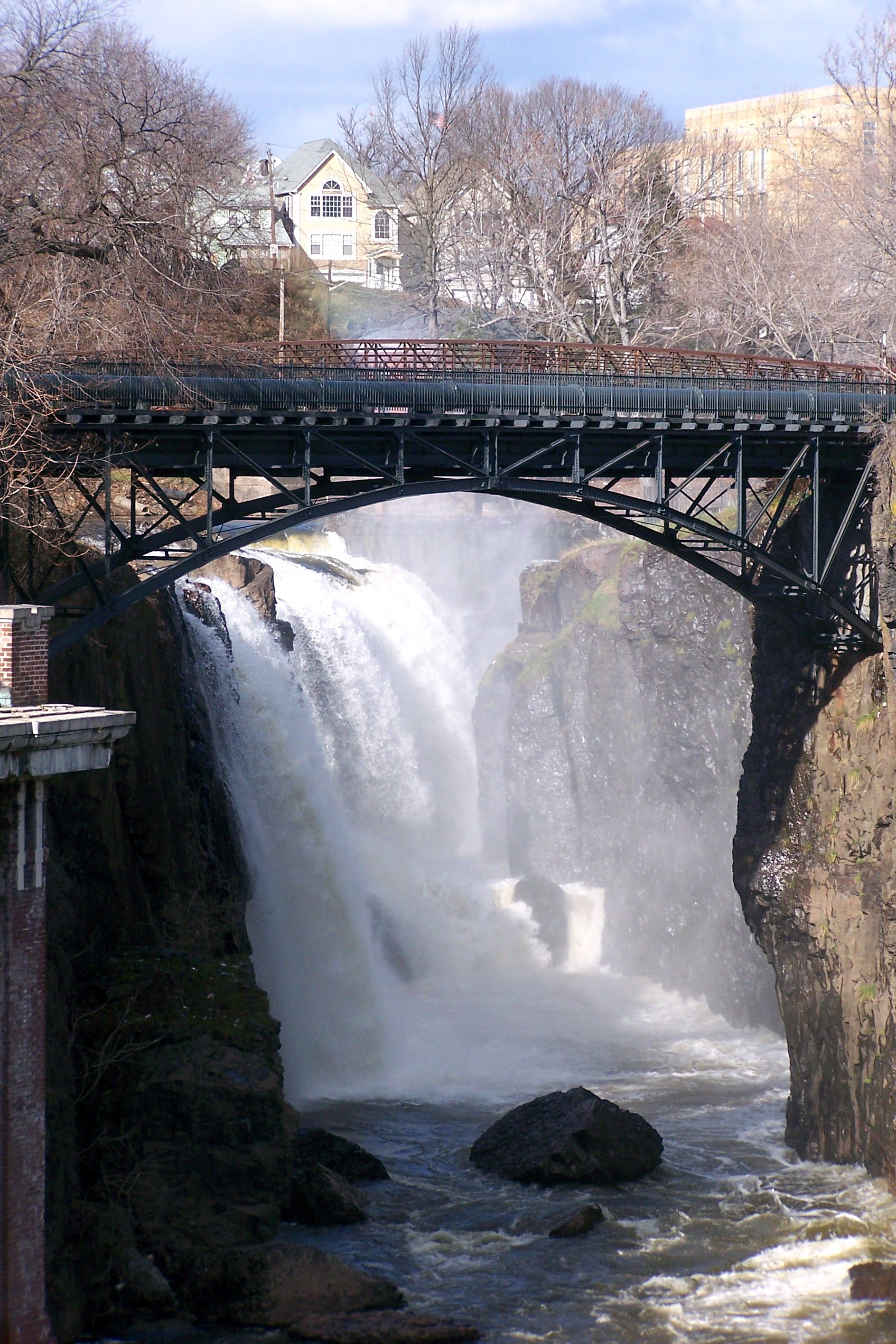
The Passaic River defines the city's eastern edge and serves as its most prominent natural feature, offering scenic walking and fishing opportunities along its banks. Passaic River County Park, which stretches along the riverfront, gives residents a green escape within this densely populated urban environment — a genuine amenity for anyone considering homes for sale in Passaic NJ. The park is popular year-round for jogging, picnicking, and simply enjoying views of the water. Several smaller neighborhood parks are scattered throughout the city's 3.24 square miles, providing playgrounds and open space for families in every corner of town.
Dining & Local Flavor
Passaic's extraordinary cultural diversity — with a vibrant Hispanic community and a well-established Orthodox Jewish population — translates directly onto the plate. Main Avenue is the city's commercial spine and the place to explore authentic Latin American cuisine, from Colombian bakeries to Dominican and Mexican eateries. You'll also find kosher delis and Middle Eastern spots that reflect the city's layered immigrant heritage. The food scene here is unpretentious, affordable, and genuinely rooted in the communities that call Passaic home.
Shopping & Commerce
Main Avenue doubles as the city's primary shopping corridor, lined with independent retailers, discount stores, and specialty shops catering to the neighborhood's diverse population. The street has been a commercial hub since the 19th century, when a wharf at its foot made it the center of trade in the region. Today it retains that neighborhood-market energy, with a mix of clothing boutiques, electronics shops, and grocery stores that serve everyday needs without requiring a trip out of town.
Arts, Culture & History
Passaic holds a remarkable — and often overlooked — place in American cultural history. The city proudly claims the title "The Birthplace of Television," tracing back to 1931 when experimental station W2XCD began transmitting from the DeForest Radio Corporation here, and to Allen B. DuMont, who launched the world's first commercial television network from Passaic in 1946. History enthusiasts will appreciate exploring this legacy. The city's proximity to New York City — just 10 miles away — also means world-class museums, theaters, and concert venues are easily reachable by bus or train, making Passaic a culturally connected place to live.
Family Activities & Community Events
With a median age of just 29.2, Passaic is a remarkably young city, and its community calendar reflects that energy. Local festivals celebrating Hispanic heritage draw large crowds each year, filling parks and streets with music, food, and family activities. The riverfront provides a natural backdrop for seasonal community gatherings. For families browsing houses for sale in Passaic NJ, the combination of accessible parks, a lively street culture, and easy access to the broader New York metropolitan area makes for a well-rounded everyday lifestyle.
History
From Dutch Settlement to Dense Urban City
Passaic's story begins in 1679, when Dutch traders established a settlement along the Passaic River they called Acquackanonk — a name derived from the Lenape word pahsayèk, meaning roughly "valley" or "place where the land splits." That riverside location was no accident. A commercial hub formed around a wharf at the foot of what is now Main Avenue, and the waterway that gave the city its name would shape its economic destiny for the next two centuries.
The modern city took its name largely through the determination of one man: Alfred Speer, who in 1854 persuaded the U.S. Postmaster General to adopt "Passaic" over the old Dutch name, then cemented the change by hanging a sign at the local railroad depot. Passaic was formally chartered as a city on April 2, 1873, by which point it had already grown into a significant textile and metalworking center. The Okonite Company operated an industrial site here from 1878 to 1993, supplying insulated wire for some of the earliest telegraph cables and for Thomas Edison's Pearl Street Station. The 1926 Passaic Textile Strike, led by Albert Weisbord, drew 36,000 mill workers into the streets — a vivid reminder of how thoroughly industrial labor defined the city's character.
That industrial legacy is written into Passaic's built environment today. The dense, compact housing stock — the city packs over 70,000 residents into just 3.24 square miles — reflects the working-class neighborhoods that grew up around the mills and factories. For buyers exploring homes for sale in Passaic, NJ, that history translates into affordable multi-family buildings and closely knit blocks just ten miles from Midtown Manhattan, in a city whose bones were laid down more than three centuries ago.
Weather
Passaic, New Jersey experiences a humid continental climate, shaped by its inland position roughly 10 miles west of New York City and its location along the Passaic River valley. The city sits far enough from the Atlantic coast that direct oceanic moderation is limited, yet close enough to the metropolitan corridor that the urban heat island effect keeps temperatures slightly warmer than surrounding rural areas.
Summers are warm and humid, with daytime highs typically ranging from the mid-80s°F and occasional heat waves pushing temperatures into the low 90s. Overnight lows in July and August generally settle in the mid-60s°F. Winters are cold and brisk, with January highs averaging in the mid-30s°F and lows dipping into the upper teens to mid-20s°F. Snowfall is a reliable seasonal feature, with nor'easters occasionally delivering significant accumulation.
Precipitation is fairly evenly distributed throughout the year, averaging around 46–50 inches annually, including both rain and snow. Spring and fall are transitional and often pleasant, though spring can bring heavy rainfall and the occasional flooding concern along the Passaic River.
For anyone exploring homes for sale in Passaic, NJ, the climate carries real practical implications. Older housing stock — and Passaic has plenty of it — requires attention to roof integrity, basement waterproofing, and insulation. Heating costs during cold winters and cooling demands during humid summers are meaningful budget considerations. On the upside, the city's parks and riverfront become genuinely enjoyable during the long, mild stretches of spring and fall.
Passaic Market Analytics
Can I Afford Passaic?
Weather