
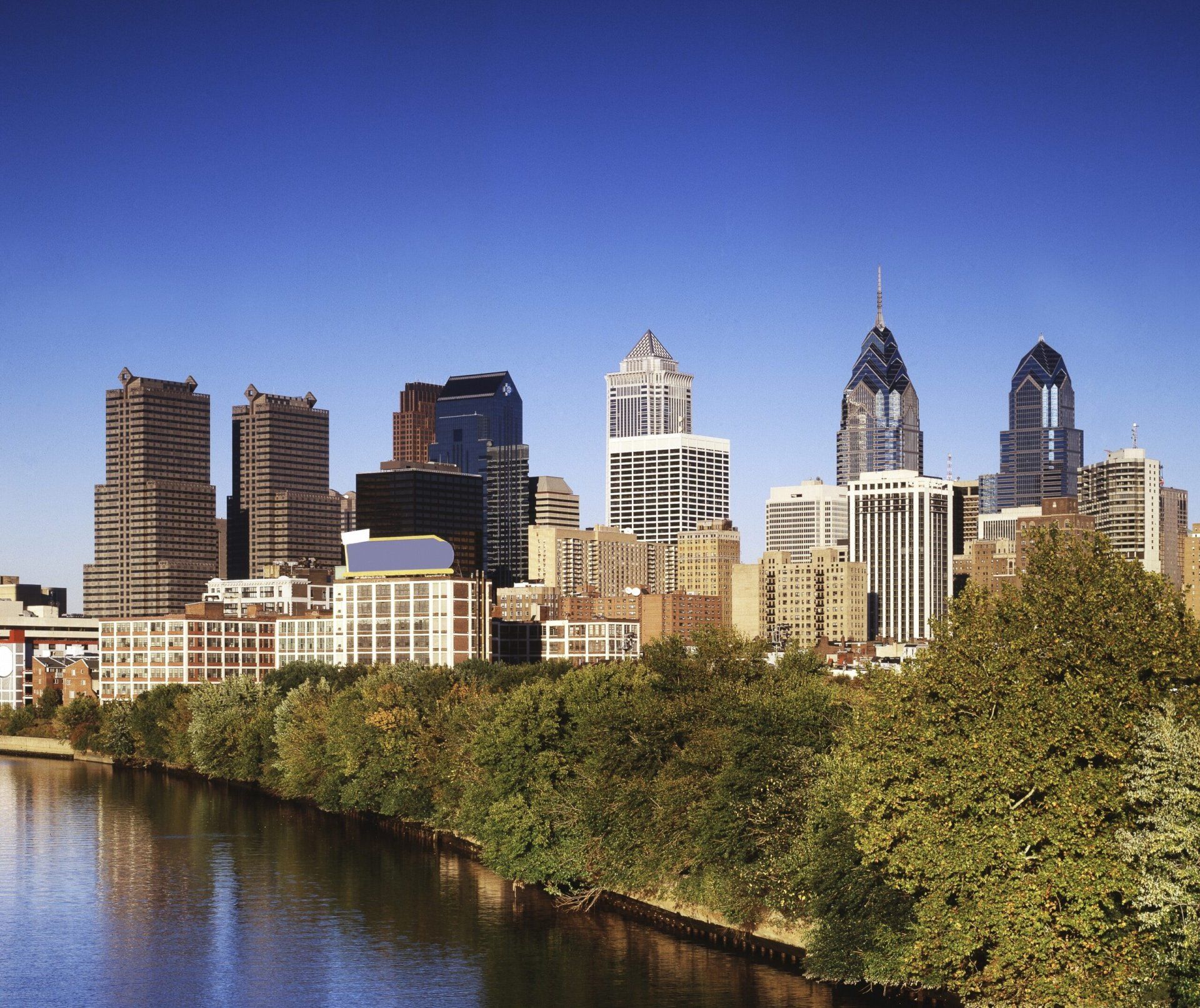
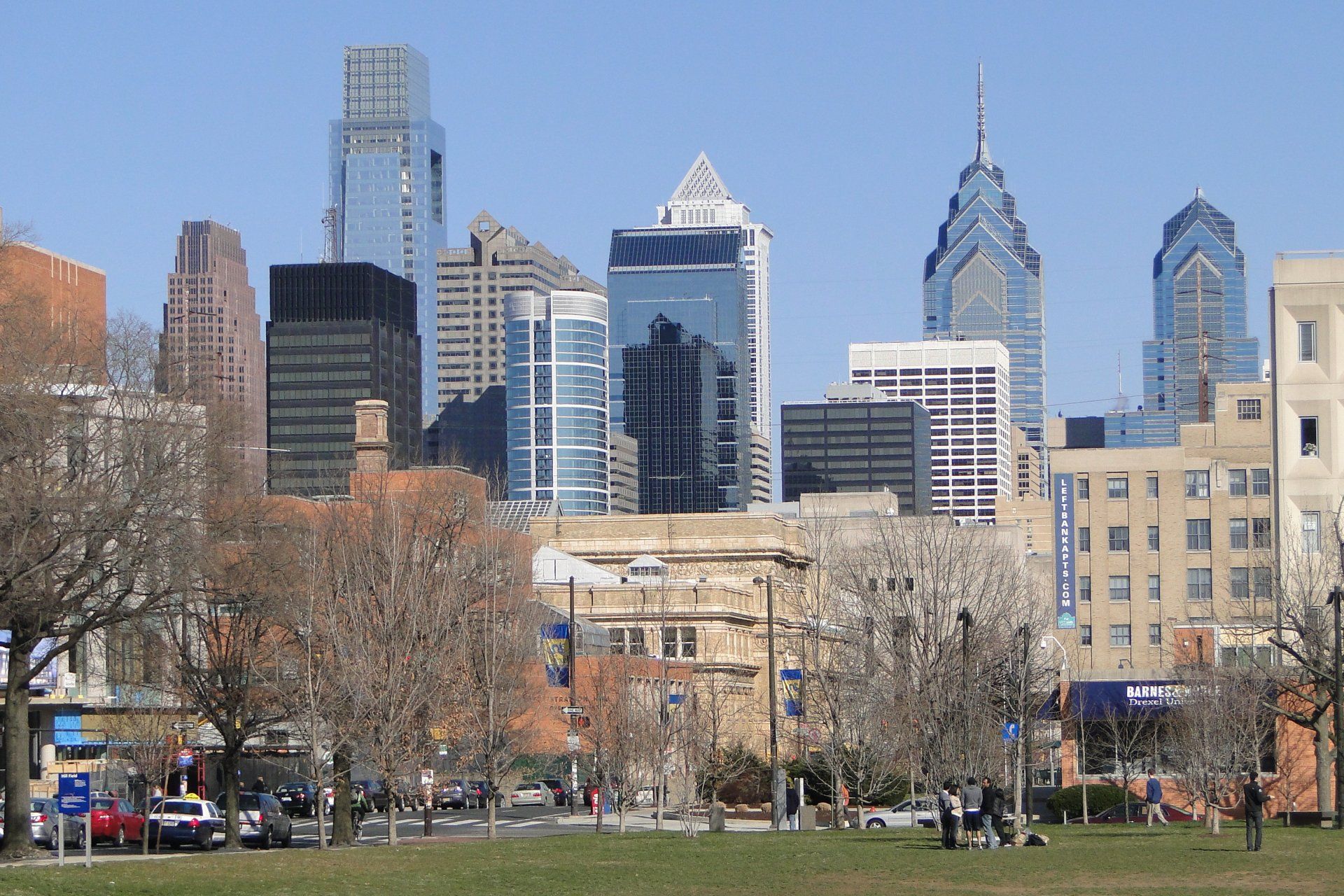
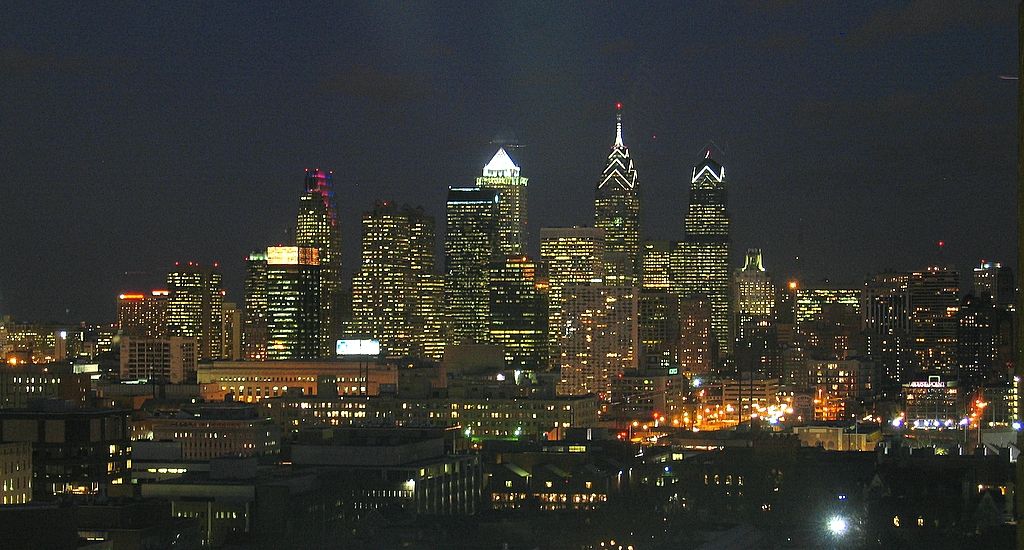
Founded in 1682 by William Penn on the western bank of the Delaware River, Philadelphia is the oldest major city in Pennsylvania and the sixth-most populous in the United States, with nearly 1.6 million residents spread across 134 square miles. Unlike its neighbors Baltimore to the south or New York City to the north, Philadelphia occupies a singular place in American history — Independence Hall, where both the Declaration of Independence and the U.S. Constitution were debated and adopted, still stands here, drawing visitors and reminding residents daily that this city shaped the nation's founding principles. Fairmount Park, one of the largest urban park systems in the country, stretches across more than 2,000 acres, giving the city a green infrastructure few East Coast metros can match. The SEPTA regional rail network connects neighborhoods from Fishtown to West Philadelphia and links commuters to the broader Delaware Valley. For buyers exploring homes for sale in Philadelphia, PA, the median home price of $270,000 remains far below comparable East Coast cities, making this a rare opportunity to own in a place where history, culture, and economic momentum are all pointing forward.
Welcome to Philadelphia
Community Profile
One of America's most storied cities wears its diversity and energy proudly. With a median age of just 35.3 years — well below the national figure of 38.5 — Philadelphia skews notably young, with nearly a third of residents in their twenties and thirties. That vitality is reflected in a dense, walkable urban fabric spanning 4,548 people per square mile, where young professionals, growing families, and long-rooted communities share neighborhoods shaped by centuries of history.
The city's racial and ethnic makeup is genuinely one of its defining strengths. With residents identifying as Black (39.4%), White (35.1%), Hispanic or Latino (15.6%), Asian (8.0%), and multiracial (8.4%), Philadelphia ranks among the most diverse major cities in the Northeast — a quality that enriches its food, culture, arts, and civic life in ways that attract buyers searching for houses for sale in Philadelphia who want more than just square footage.
Educational attainment is a clear asset: 35.4% of residents hold a bachelor's degree or higher — surpassing the national average of 33% — and 15.8% have earned a graduate degree, reflecting the influence of world-class universities and medical institutions throughout the region. A median home value of just $244,390 stands well below the national median of $330,000, making homes for sale in Philadelphia, PA an exceptional opportunity for buyers seeking urban living at a relative value. With 679,428 total housing units and a broad mix of rowhouses, condos, and single-family properties, the market offers something for nearly every lifestyle and budget.
Things to Do
Arts & Culture
Philadelphia's cultural life is nothing short of extraordinary. The Philadelphia Museum of Art — immortalized by Rocky's famous run up its steps — houses one of the finest collections in the country, spanning more than 2,000 years of art. Nearby on the Benjamin Franklin Parkway, the Barnes Foundation displays one of the world's greatest collections of Impressionist and Post-Impressionist paintings, while the Franklin Institute offers endlessly engaging science exhibits for all ages. History seekers won't want to miss Independence National Historical Park, where Independence Hall and the Liberty Bell Center sit within easy walking distance of one another in Old City — a living reminder that Philadelphia is where American democracy was born.
Outdoor Recreation
Fairmount Park, one of the largest urban park systems in the nation at over 2,000 acres, offers miles of trails for running, cycling, and hiking along the Schuylkill River. The adjacent Wissahickon Valley Park delivers a surprisingly wild woodland experience right within city limits, with rugged trails winding beside Wissahickon Creek. The Schuylkill River Trail connects neighborhoods from Center City all the way out to the suburbs, making it a favorite for cyclists and joggers year-round.
Dining & Neighborhoods
Philadelphia's food scene punches well above its weight. Reading Terminal Market, a beloved indoor market operating since 1893, is the perfect introduction to the city's culinary diversity — from Amish baked goods to local cheesesteaks. The neighborhoods of Fishtown and East Passyunk Avenue have emerged as dining destinations in their own right, lined with acclaimed restaurants, craft cocktail bars, and independent coffee shops. South Street remains a lively corridor for eclectic dining, boutique shopping, and street-level entertainment.
Sports & Family Activities
Philadelphia is one of America's great sports cities. The Wells Fargo Center hosts the Flyers (NHL) and 76ers (NBA), while Citizens Bank Park and Lincoln Financial Field are home to the Phillies and Eagles respectively — all clustered in the South Philadelphia Sports Complex. Families will love the Philadelphia Zoo, the nation's first, located at the edge of Fairmount Park. Annual events like the Mummers Parade on New Year's Day and the Philadelphia Flower Show each spring give the city a festive rhythm that draws visitors from across the region. For those exploring houses for sale in Philadelphia, PA, the city's walkable neighborhoods mean many of these attractions are right outside your front door.
Latest Properties in Philadelphia
Loading latest properties...
History
From William Penn's Vision to a Modern Real Estate Market
Philadelphia's story begins in 1682, when English Quaker William Penn arrived on the banks of the Delaware River and founded a city he envisioned as a "holy experiment" in religious tolerance and ordered civic life. Penn's surveyor, Thomas Holme, laid out a deliberate grid between the Delaware and Schuylkill Rivers — a rational street plan that still defines Center City today and makes Philadelphia's historic core unusually navigable and legible compared to older East Coast cities.
By the mid-18th century, Philadelphia had grown into the largest city in British North America. It hosted the First Continental Congress in 1774 and the Second Continental Congress, which adopted the Declaration of Independence on July 4, 1776, at what is now Independence Hall. The U.S. Constitution followed in 1787. These events permanently embedded civic identity into the city's geography — the neighborhoods surrounding Independence National Historical Park remain among the most visited and historically resonant in the country.
The 19th century brought industrial transformation, with immigrant labor and Delaware River commerce fueling dense row-house construction across neighborhoods like Fishtown, Kensington, and South Philadelphia. Those compact, brick-faced blocks — built for working-class families — now define the character of some of Philadelphia's most sought-after ZIP codes. Buyers browsing houses for sale in Philadelphia, PA will find that this industrial-era housing stock, much of it lovingly renovated, underpins the city's remarkably accessible median home price of $270,000.
Philadelphia's consolidation as a unified city-county in 1854 expanded its boundaries to the current 134 square miles, absorbing surrounding townships and setting the stage for the neighborhood diversity that characterizes the city today. That layered history — colonial, industrial, postwar — is written directly into the real estate landscape, giving buyers of homes for sale in Philadelphia, PA an unusually rich range of architectural periods and neighborhood identities within a single city.
Weather
Philadelphia's Four-Season Climate
Philadelphia experiences a humid subtropical climate (Köppen Cfa), sitting at the northern edge of that classification and sharing some characteristics with humid continental patterns. The city's position in the mid-Atlantic region — roughly 100 miles from the Atlantic Ocean and at the confluence of the Delaware and Schuylkill Rivers — shapes a climate of distinct, fully expressed seasons with meaningful temperature swings throughout the year.
Summers are warm and humid, with daytime highs typically ranging from the mid-80s°F and occasionally pushing into the low 90s°F, while overnight lows settle in the upper 60s°F. Winters are cold but generally moderate by northeastern standards, with highs averaging in the upper 30s to low 40s°F and lows dipping into the mid-20s°F. Snow is a regular feature from December through February, though accumulations vary considerably year to year. Spring and fall are genuinely pleasant, making Philadelphia a city where outdoor living is a real seasonal reward.
Annual precipitation is fairly evenly distributed across the year, averaging around 45 inches, with summer thunderstorms contributing meaningfully to that total. The proximity to the Atlantic moderates temperature extremes somewhat, tempering the coldest winter nights and delaying the first hard freeze into late autumn.
For those exploring houses for sale in Philadelphia, PA, the climate carries practical implications: homes require capable heating systems for winter and reliable air conditioning for humid summers. Seasonal maintenance — roof inspections before winter, gutter clearing in fall, and exterior upkeep after freeze-thaw cycles — is a routine part of Philadelphia homeownership.
Philadelphia Market Analytics
Can I Afford Philadelphia?
Weather