
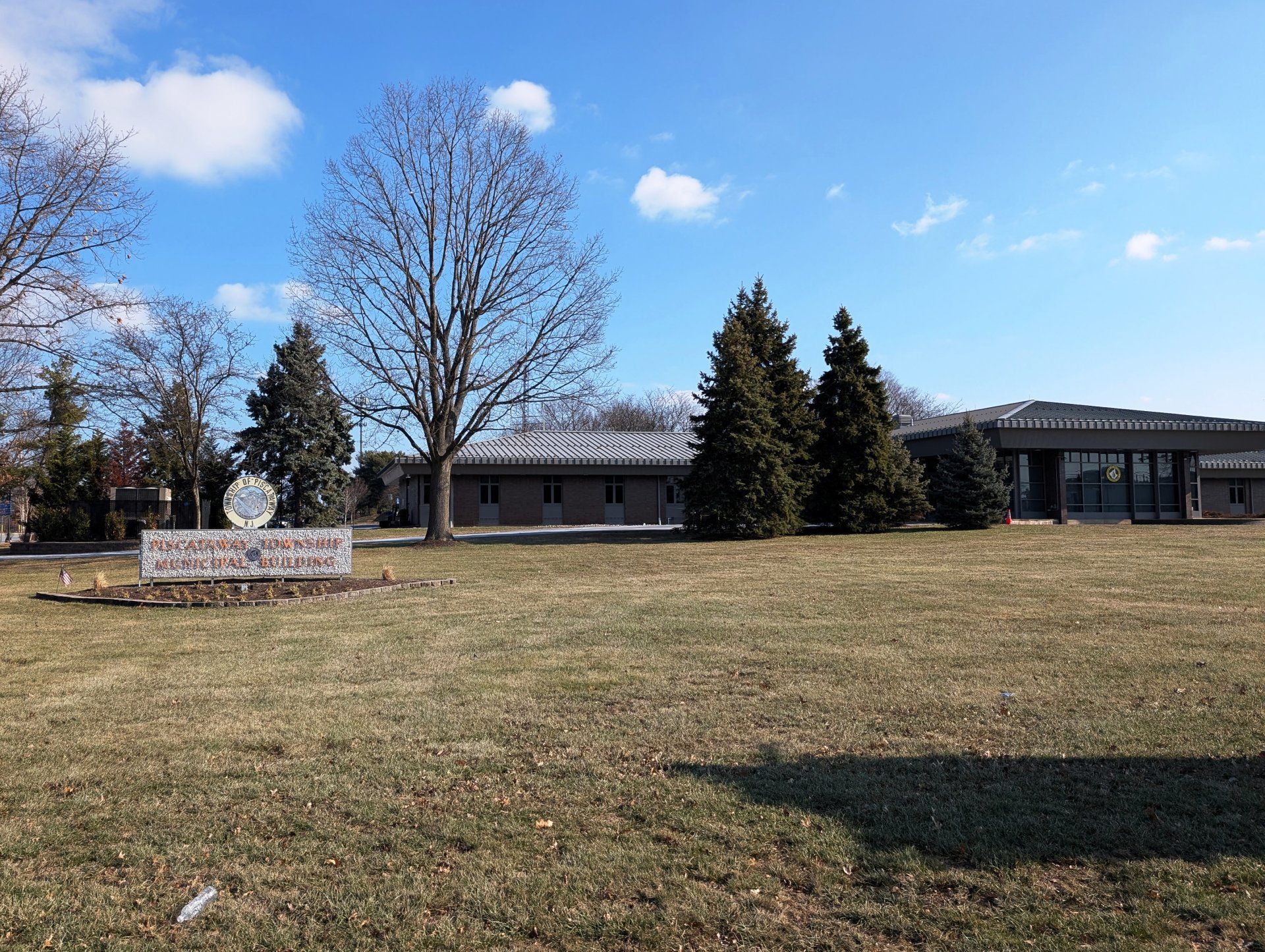
Piscataway, New Jersey

Location:
Piscataway, NJ

Welcome to Piscataway

First incorporated on February 21, 1798, Piscataway Township is one of New Jersey's oldest municipalities — the fifth-oldest in the state — yet it has grown into one of Middlesex County's most dynamic and educated communities, with a population of over 60,000 spread across 19 square miles along the Raritan River. What sets Piscataway apart from neighboring New Brunswick or Edison isn't just geography; it's the rare combination of deep colonial history, a world-class university presence, and a highly skilled residential base that continues to attract both families and professionals.

At the center of that identity is Rutgers University's Busch and Livingston campuses, which anchor the township's economy and culture, drawing researchers, faculty, and students while supporting a surrounding ecosystem of pharmaceutical and technology employers. Direct access to Interstate 287 makes commuting to New York City and the broader region straightforward, adding practical appeal to an already compelling location. With a median household income well above six figures and strong demand for homes for sale in Piscataway, NJ, the township offers long-term value for buyers and investors alike. For anyone seeking a community where academic energy, economic stability, and suburban livability converge, Piscataway is a place worth serious consideration.


Community Profile

One of Middlesex County's most dynamic communities, Piscataway punches well above its weight when it comes to economic strength and educational achievement. The median household income here stands at a remarkable $127,832 — nearly 70% above the national median — and an impressive 61.3% of households earn six figures or more. That prosperity is broadly shared: nearly 70% of families are dual-income households, and the poverty rate sits at just 4.0%, a figure that speaks to the community's financial stability.

Much of that economic muscle is rooted in education. Nearly half of residents — 48.9% — hold a bachelor's degree or higher, well above the national average of roughly 33%, and 19.4% have earned a graduate degree. Perhaps most striking is that 59.7% of degree holders studied a STEM field, a concentration that reflects Piscataway's deep ties to Rutgers University and the region's pharmaceutical and technology corridors. The community skews notably young, with a median age of just 33.3 years — five years below the national median — making it a natural draw for ambitious professionals and growing families alike, with an average family size of 3.42.

For those exploring homes for sale in Piscataway, NJ, the median home value of $450,040 reflects a market that has appreciated meaningfully while remaining accessible relative to the surrounding metro. Renters, too, fare well: the rent burden here is just 25.5% of income, well below the threshold considered financially stressful. Add in an average commute of only 26.1 minutes to one of the nation's largest job markets, and the case for putting down roots here becomes clear.

Things to Do

Outdoor Recreation

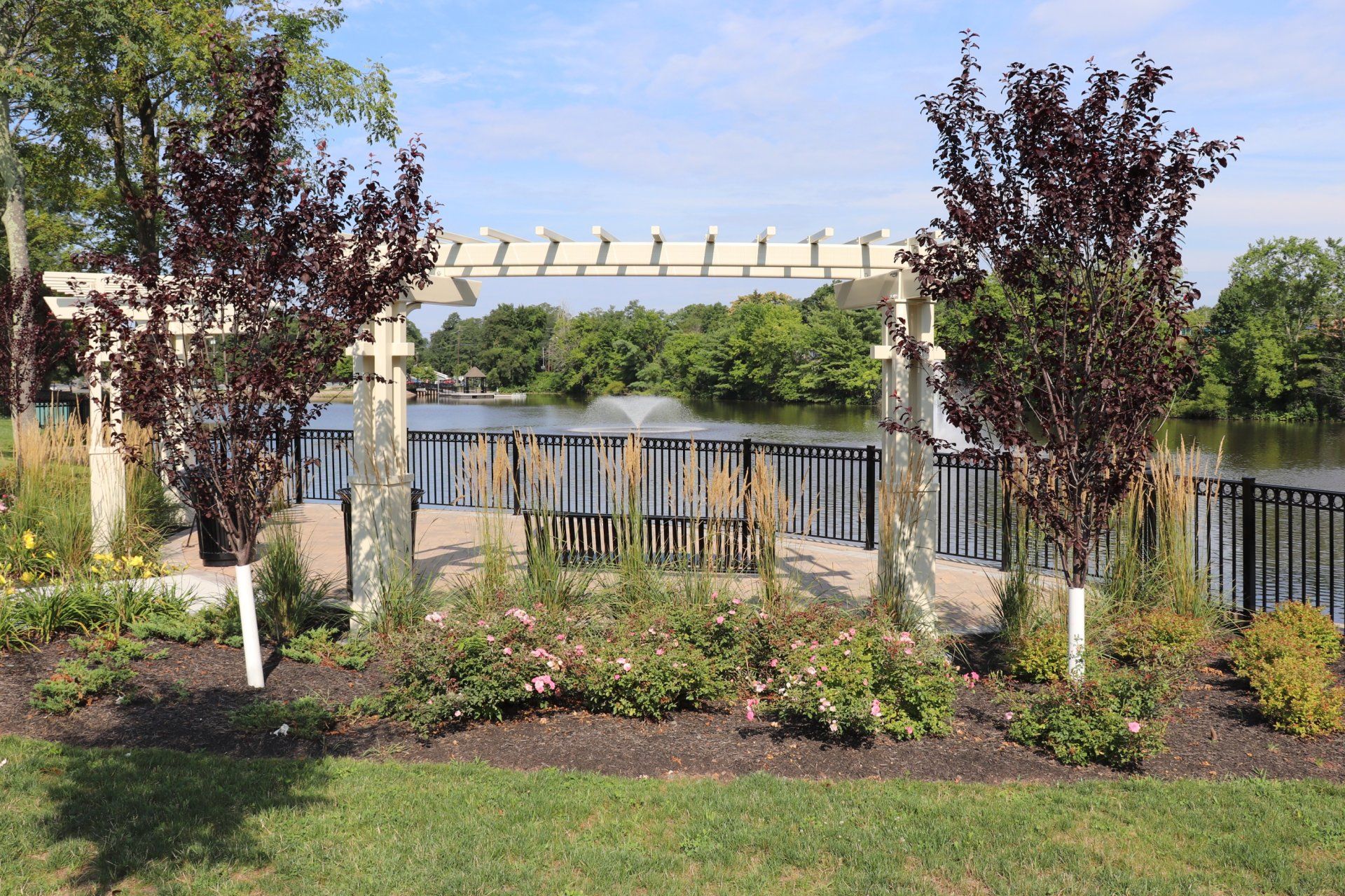
Piscataway's 19 square miles along the Raritan River offer residents and visitors a wealth of green space and outdoor activity. Donaldson Park, situated along the Raritan River, is a beloved local destination for picnicking, fishing, and riverside walks. The Delaware and Raritan Canal State Park runs nearby, offering miles of scenic towpath trails ideal for cycling, jogging, and birdwatching through all four seasons. History and nature intersect beautifully at East Jersey Old Town Village, a living history site that preserves colonial-era structures and brings Piscataway's 17th-century roots to life through seasonal demonstrations and guided tours.

Arts & Culture

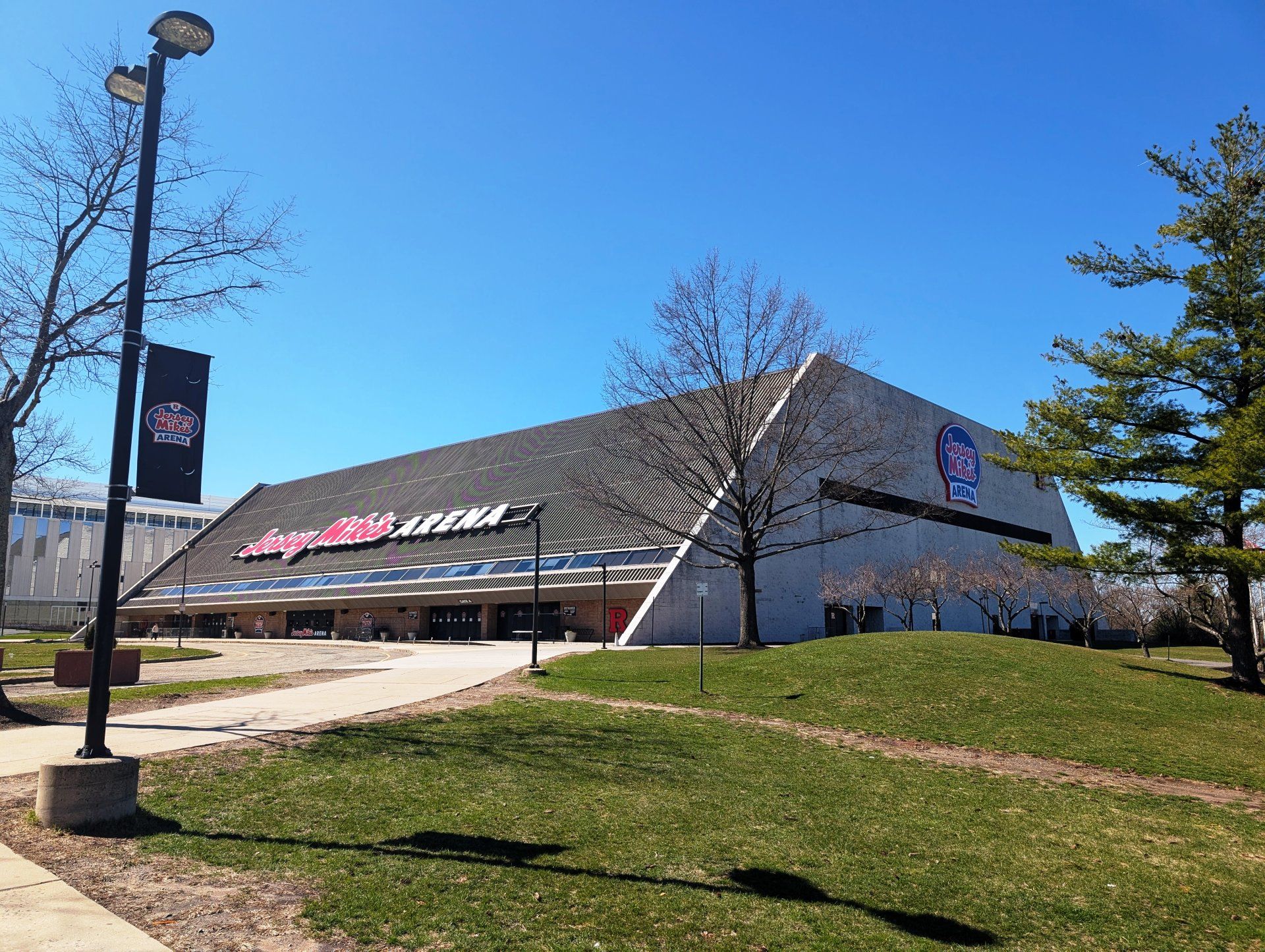
Rutgers University's Busch and Livingston campuses are cultural anchors for the township, hosting lectures, performances, art exhibitions, and public events throughout the academic year. SHI Stadium — home of the Rutgers Scarlet Knights — draws tens of thousands of fans on fall football Saturdays, making it one of the most energetic venues in central New Jersey. The university's various performing arts centers and galleries are open to the broader community, giving Piscataway residents access to world-class programming without leaving town.

Family Activities

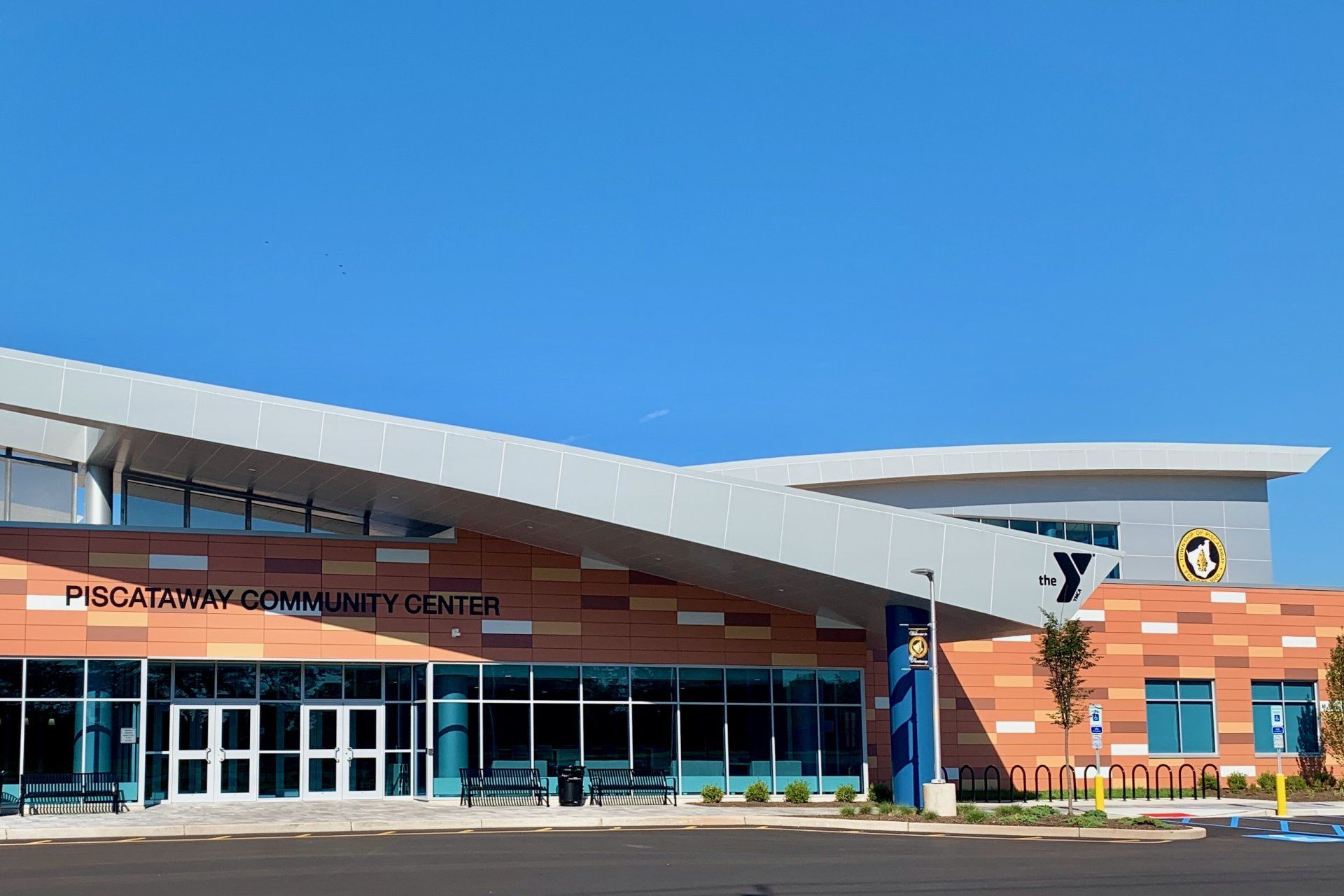
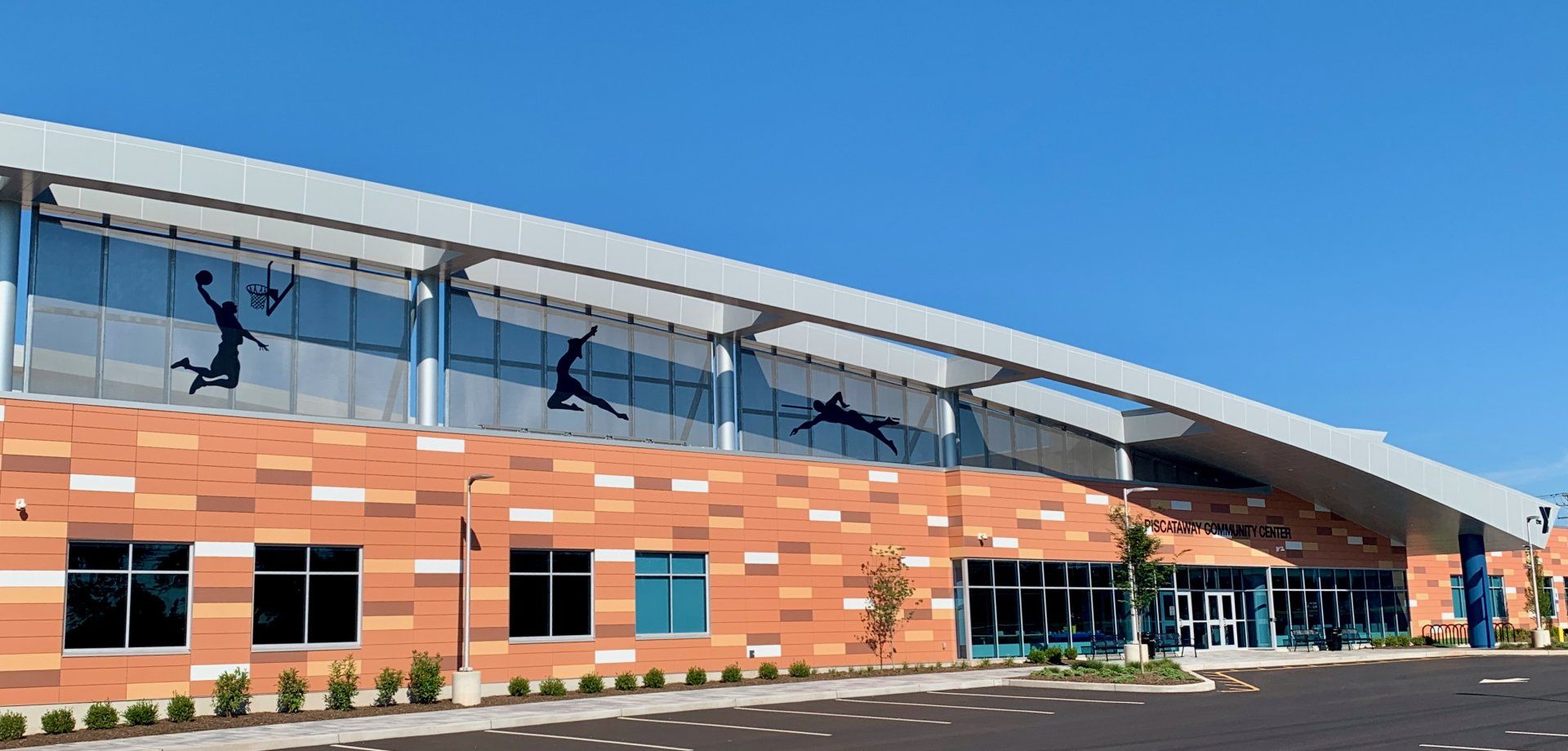
Families exploring homes for sale in Piscataway NJ will find the township well-equipped for active, engaged living. The township maintains numerous recreational facilities including athletic fields, tennis courts, and community pools managed through Piscataway's parks and recreation department. Youth sports leagues, summer camps, and seasonal community events keep families connected year-round. The proximity to New Brunswick — just minutes away — expands options further, with additional museums, theaters, and dining along the George Street corridor.

Dining & Shopping

Piscataway's diverse population — one of its most defining characteristics — is reflected in a vibrant local dining scene spanning South Asian, East Asian, Latin American, and American cuisines, particularly concentrated along Stelton Road and surrounding commercial corridors. Everyday shopping needs are well served by retail centers throughout the township, while the nearby Menlo Park Mall in Edison provides a major regional shopping destination just a short drive away.

Latest Properties in Piscataway

Loading...

Loading latest properties...

See All Properties in Piscataway

History

From Lenape Lands to Suburban Township: A Brief History of Piscataway, NJ

Piscataway's story begins on December 11, 1666, when Philip Carteret, the first proprietary governor of New Jersey, issued a land grant to Daniel Pierce, John Pike, and a group of associates from Newbury, Massachusetts — a tract of over 100 square miles stretching between the Raritan and Rahway Rivers, purchased for 80 pounds. Within days, a portion was sold to John Martin, Charles Gilman, Hugh Dunn, and Hopewell Hull, who are recognized as the township's primary founders. The name itself derives from the Piscataqua River region of New England, carried south by settlers fleeing restrictive Puritan governance in New Hampshire. By 1677, formal land purchase from Lenni-Lenape sachems Canackawack and Thingorawis confirmed European title to the village core. On February 21, 1798, the New Jersey Legislature officially incorporated Piscataway Township, making it the fifth-oldest municipality in the state.

Through the 19th century, Piscataway remained largely agricultural. Raritan Landing, once a thriving colonial-era river port, declined after the completion of the Delaware and Raritan Canal in 1834 redirected commerce toward New Brunswick. The township's population barely reached 3,000 by mid-century, and no significant industrial base ever took root. That rural quietude persisted well into the 20th century, with Rutgers University beginning to establish a foothold — Ross Hall was constructed in 1936 — but substantive change awaited the postwar era.

The transformation came swiftly after World War II. Piscataway's population leapt from roughly 10,180 in 1950 to more than 36,000 by 1970, driven by Interstate 287, the baby boom, and Rutgers University's dramatic expansion onto the Busch and Livingston campuses in the 1960s and 1970s. Those postwar subdivisions — tree-lined streets of modest single-family homes built to house a generation of young families and university employees — form the backbone of many neighborhoods where you'll find homes for sale in Piscataway, NJ today. The university's continued growth, combined with the arrival of major employers in pharmaceuticals and technology, has since pushed the township's character upmarket, with a median household income well above six figures and a highly educated population that sustains consistent demand for housing across every price range.

Weather

Four Seasons in Piscataway

Piscataway, New Jersey experiences a humid subtropical climate — technically straddling the boundary with humid continental — characterized by four distinct seasons, meaningful precipitation year-round, and temperature swings that define the rhythm of daily life. Situated in central Middlesex County along the Raritan River corridor, the township sits far enough inland to avoid direct coastal moderation but close enough to the Atlantic to feel its occasional influence during nor'easters and late-season storms.

Summers are warm and humid, with daytime highs typically ranging from the mid-80s to low 90s°F and overnight lows settling in the upper 60s. Humidity can make July and August feel noticeably muggy. Winters are cold but not severe, with average highs in the mid-30s to low 40s°F and lows dipping into the 20s. Snowfall is a regular seasonal feature, though accumulations are generally moderate compared to areas farther north or inland. Spring and fall are transitional and often beautiful, with mild temperatures and vivid foliage making autumn particularly appealing.

Annual precipitation is fairly evenly distributed across all four seasons, averaging roughly 46 to 50 inches per year. For those exploring homes for sale in Piscataway, NJ, the climate carries real practical implications: central air conditioning is essentially a necessity, heating costs are a meaningful budget consideration through the winter months, and homeowners should plan for seasonal maintenance — roof inspections before winter, gutter clearing in fall, and landscaping upkeep through the long growing season.

Piscataway Market Analytics

Market analytics data coming soon.
Can I Afford Piscataway?
$
%
$0
Est. Monthly Payment
$0/yr
Salary Required

*Principal & interest only. Salary based on 28% debt-to-income ratio.

Get Pre-Approved for Piscataway