
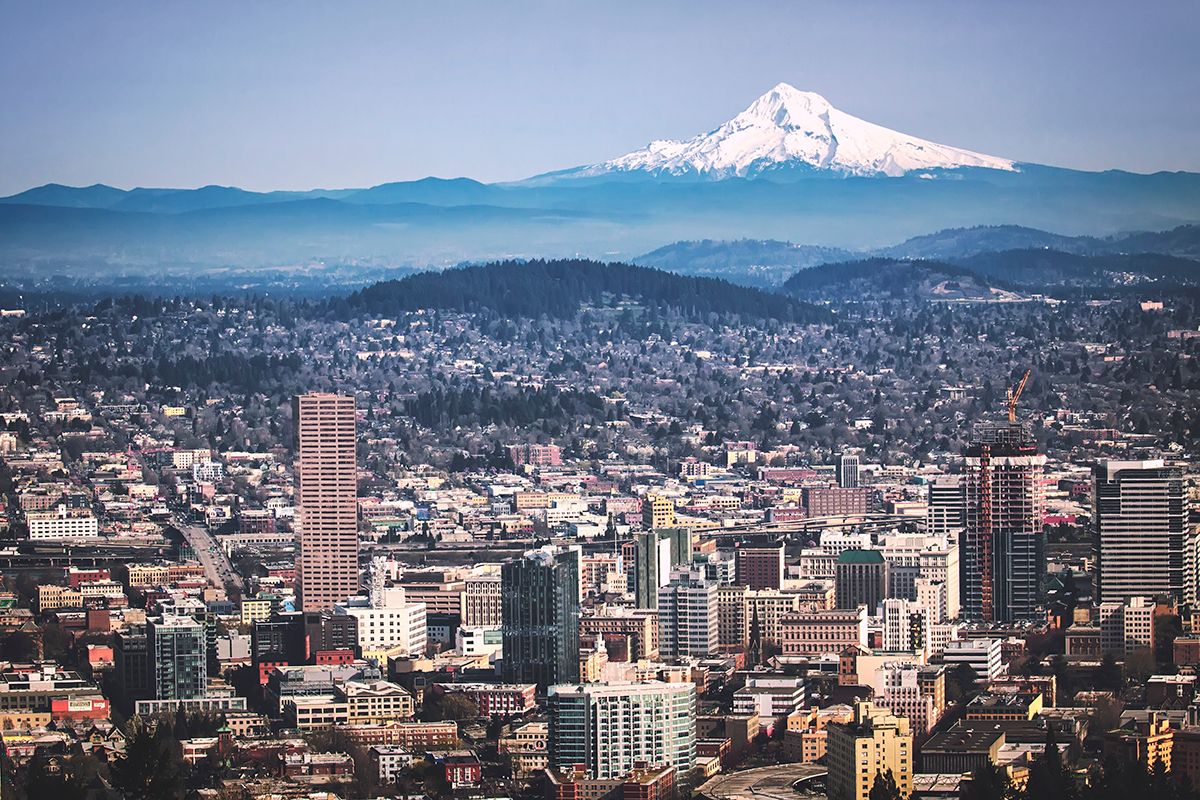
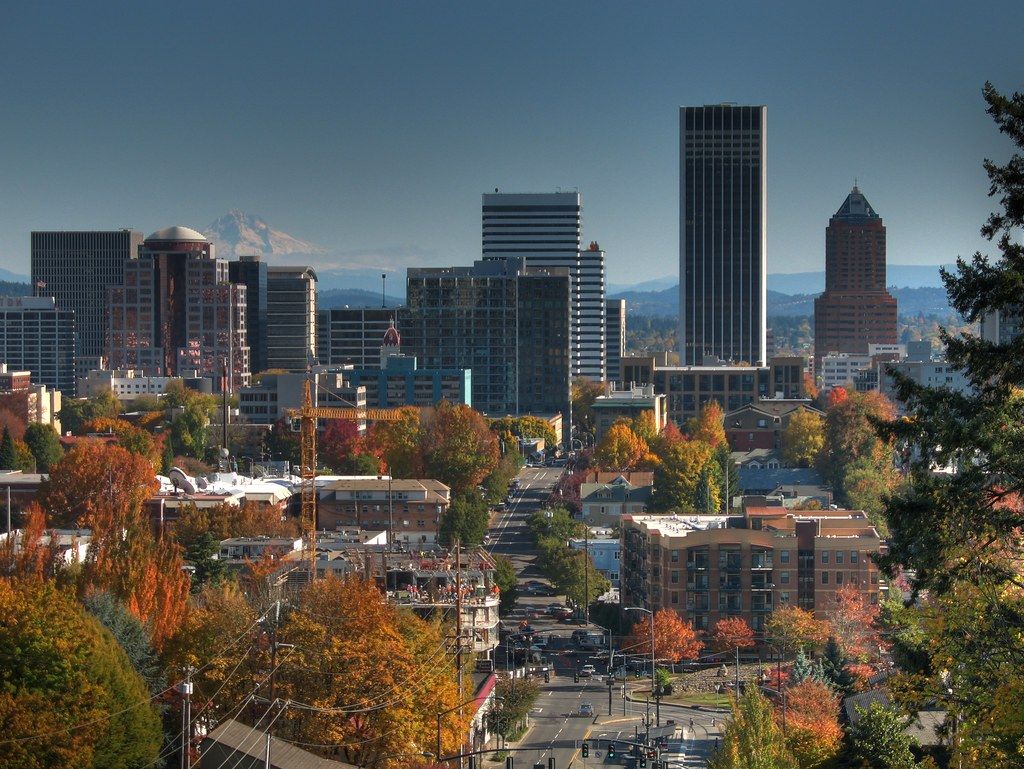
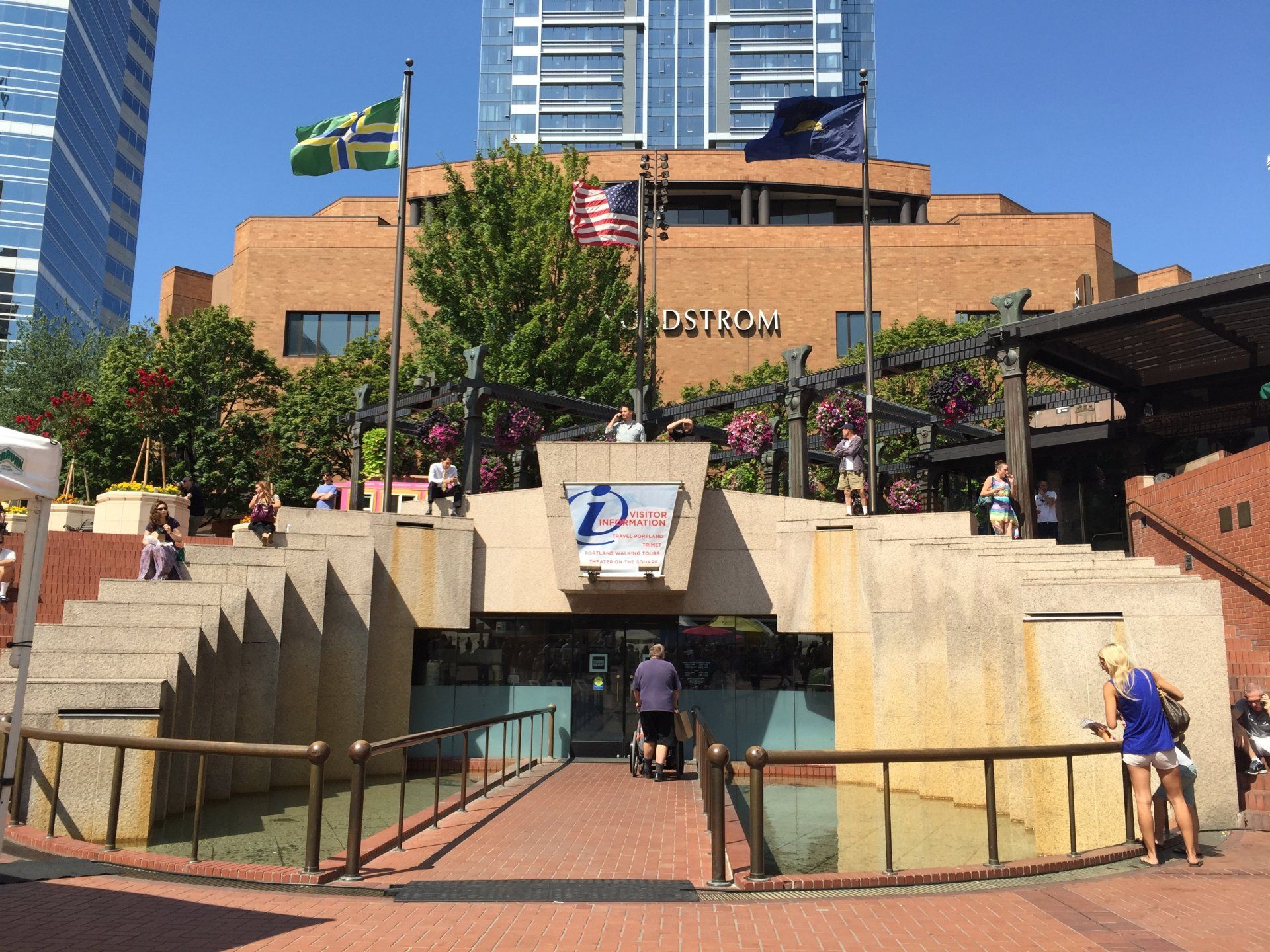
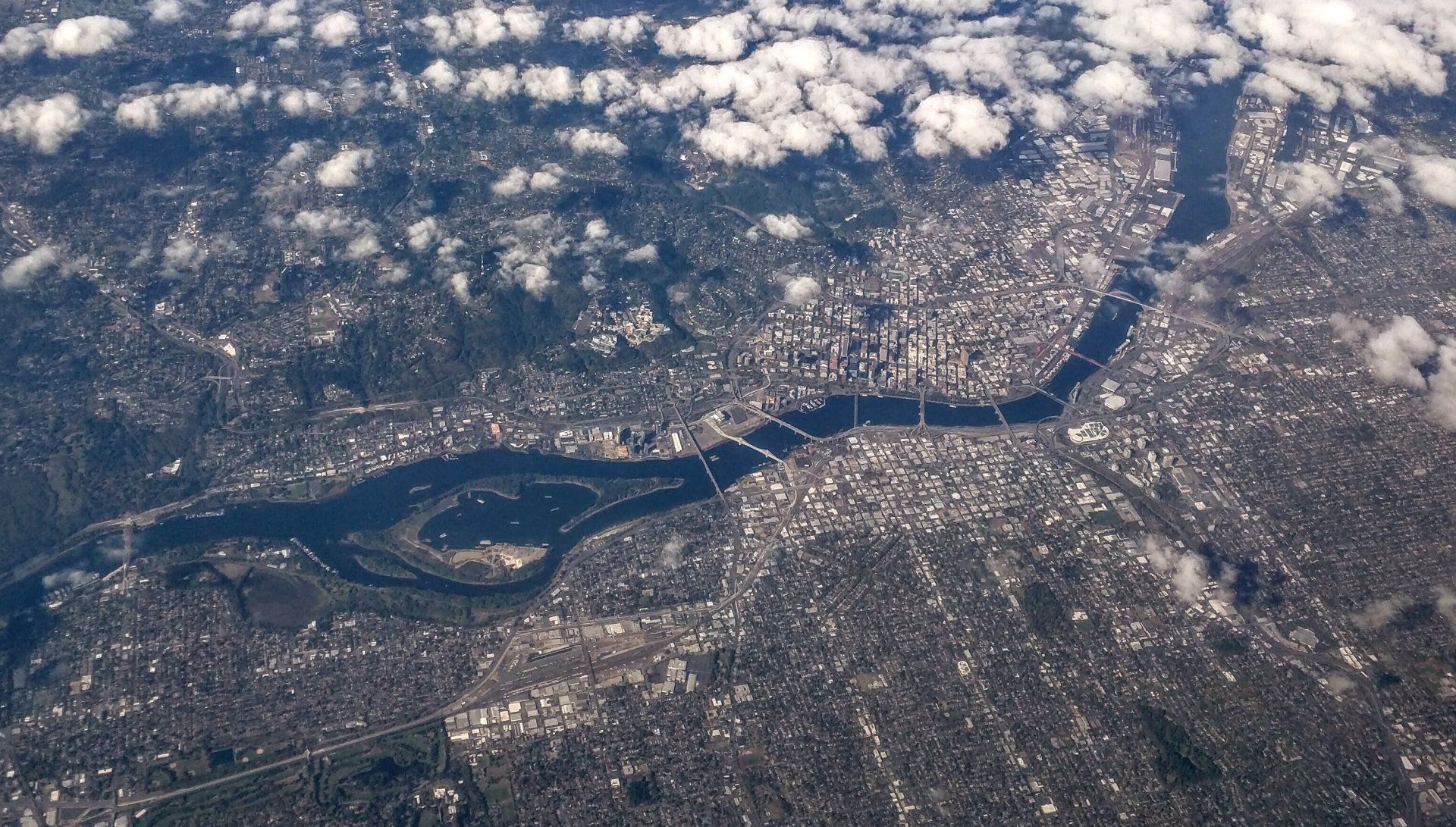
Founded in 1845 at the confluence of the Willamette and Columbia rivers, Portland, Oregon has grown into the Pacific Northwest's most culturally layered city — a place where old-growth Douglas firs shade historic bungalow neighborhoods and light rail lines connect downtown to the suburbs with genuine efficiency. Situated in Multnomah County, Portland occupies a distinct geographic position between the Coast Range and the Cascade Mountains, giving residents access to both ocean beaches and volcanic peaks within a two-hour drive. Unlike its neighbor Seattle to the north, Portland has cultivated a denser, more walkable urban fabric at a comparatively accessible price point, with neighborhoods like Laurelhurst anchoring that character — Laurelhurst Park, Portland's beloved 26-acre Olmsted-influenced greenspace, remains one of the finest urban parks in the region. The Portland Public Schools district serves the city's families, while the TriMet MAX light rail system ties the metro together without a car. For those exploring homes for sale in Portland, OR, the city offers something increasingly rare: a major American city with genuine neighborhood identity, natural beauty on its doorstep, and long-term investment fundamentals worth taking seriously.
Welcome to Portland
Community Profile
One of the Pacific Northwest's most dynamic metros, the Portland-Vancouver-Hillsboro region is home to a well-educated, economically active population of over 2.1 million. The median household income here reaches $90,919 — well above the national median of roughly $75,000 — and a striking 45.9% of households earn six figures or more, reflecting the region's deep concentration of technology, healthcare, and professional talent. That intellectual firepower shows up in the education numbers too: 53.8% of residents hold at least a bachelor's degree — more than 20 points above the national average — and 21.8% have earned a graduate degree. Nearly half of all degree holders studied STEM fields, a testament to Portland's growing reputation as a hub for innovation and engineering.
The community skews toward its prime working years, with the 30–39 age cohort making up nearly one in five residents and a median age of 38.8 — essentially in step with the national figure. A strong 70.6% labor force participation rate and an average commute of just 24.1 minutes mean residents spend more time enjoying the city and less time sitting in traffic. With 59.3% of families bringing in dual incomes, it's no surprise that buyers exploring homes for sale in Portland, OR often find themselves competing in a confident, engaged market. The metro's diversity adds further richness: 12.7% of residents identify as two or more races and 12% are Hispanic or Latino, contributing to the cultural vibrancy that makes Portland genuinely distinctive.
Things to Do
Outdoor Recreation
Portland is a city that practically lives outside, and its park system is one of the finest in the Pacific Northwest. Forest Park — one of the largest urban forests in the United States — offers over 80 miles of trails winding through towering Douglas firs just minutes from downtown. Closer to the eastside neighborhoods, Laurelhurst Park is a beloved landmark featuring a spring-fed pond, mature trees, and open lawns perfect for picnics and weekend strolls. Searching for homes for sale in Portland OR, many buyers specifically seek proximity to green spaces like these. The Columbia River Gorge, about 30 minutes east of the city, draws hikers and waterfall chasers year-round, with Multnomah Falls being the crown jewel.
Arts & Culture
Portland punches well above its weight culturally. The Portland Art Museum downtown is the oldest art museum on the West Coast, with a permanent collection spanning centuries and continents. The Oregon Museum of Science and Industry (OMSI), situated along the Willamette River, is a perennial favorite for curious minds of all ages. The Pearl District is dense with independent galleries, and Powell's City of Books on West Burnside — occupying an entire city block — is a literary institution unlike anything else in the country.
Sports & Live Events
Portland's NBA franchise, the Trail Blazers, plays at the Moda Center in the Rose Quarter, a 19,393-seat arena that has been the heart of "Rip City" fandom since 1995. Catching a Blazers game is a quintessential Portland experience, with the team's passionate local following making for an electric atmosphere on game nights.
Dining & Shopping
The city's food scene is inventive and deeply local. The Portland Saturday Market — running weekends from March through December under the Burnside Bridge — showcases local artisans, street food, and live music in one vibrant gathering. The Mississippi Avenue and Alberta Arts District corridors offer eclectic boutiques, coffee shops, and restaurants that capture Portland's creative, independent spirit. Last Thursday on Alberta Street transforms into a lively outdoor art walk each month from spring through fall.
Latest Properties in Portland
Loading latest properties...
History
From Coin Flip to Cultural Capital: Portland's Real Estate Story
Portland, Oregon owes its very name to a coin toss. In 1845, two New England land speculators — Asa Lovejoy of Boston and Francis Pettygrove of Portland, Maine — each wanted to name their new townsite after their respective hometowns. Pettygrove won the flip, and Portland, Oregon was born on a muddy stretch of the Willamette River's west bank.
The city's early growth was driven by its geography. Positioned where the Willamette meets the Columbia River, Portland became the dominant commercial port of the Pacific Northwest by the 1870s and 1880s, shipping timber and wheat to global markets. That mercantile prosperity financed the grand Victorian and Craftsman homes that still define neighborhoods like Irvington and Ladd's Addition today. The Lewis and Clark Exposition of 1905 announced Portland to the wider world and accelerated streetcar-era development, pushing residential growth eastward across the river and giving shape to the distinct inner eastside neighborhoods that remain among the most sought-after addresses in the city.
The postwar housing boom of the late 1940s and 1950s extended Portland's footprint into the west hills and deeper into Southeast Portland, producing the modest ranch-style homes and tree-canopied streets that now attract buyers browsing homes for sale in Portland, OR who want livability without the premium of the close-in neighborhoods. Meanwhile, early 20th-century planned landscapes like Laurelhurst Park, Portland's crown jewel of Olmsted-influenced design, helped anchor surrounding blocks as enduringly desirable real estate.
Today, Portland's layered history — Indigenous homeland, frontier trading post, timber boomtown, and countercultural hub — is written directly into its housing stock, from Victorian-era row houses in the Pearl District's predecessors to mid-century ranches in outer Southeast.
Weather
Portland, Oregon Climate Overview
Portland, Oregon carries a oceanic climate classification (Köppen Cfb), shaped by its position in the Willamette Valley between the Coast Range to the west and the Cascade Mountains to the east. These geographic bookends play a defining role in the city's weather personality — the Coast Range softens the direct force of Pacific storms, while the Cascades block the harshest Arctic air masses that sweep through the interior Northwest.
Summers in Portland are genuinely pleasant, with highs typically ranging from the mid-70s to low 80s°F, though heat events can occasionally push temperatures above 90°F. Nights cool comfortably into the 50s. Winters are mild but persistently grey and damp, with daytime highs generally in the mid-40s to low 50s°F and lows hovering in the mid-30s. Snow is relatively rare but does occur, typically in short-lived episodes.
Portland's most distinctive weather trait is its prolonged rainy season, stretching roughly from October through May. Annual rainfall averages around 36 inches, falling mostly as gentle, steady drizzle rather than dramatic downpours. Summers, by contrast, are remarkably dry and sunny.
For those exploring homes for sale in Portland, OR, the climate carries real practical weight. Buyers should budget for quality roof maintenance, gutter upkeep, and moisture management systems. On the upside, the dry, warm summers make outdoor living spaces — from covered decks to garden patios near spots like Laurelhurst Park, Portland — genuinely usable for months at a time, and air conditioning, while increasingly common, remains less essential than in many American cities.
Portland Market Analytics
Can I Afford Portland?
Weather