
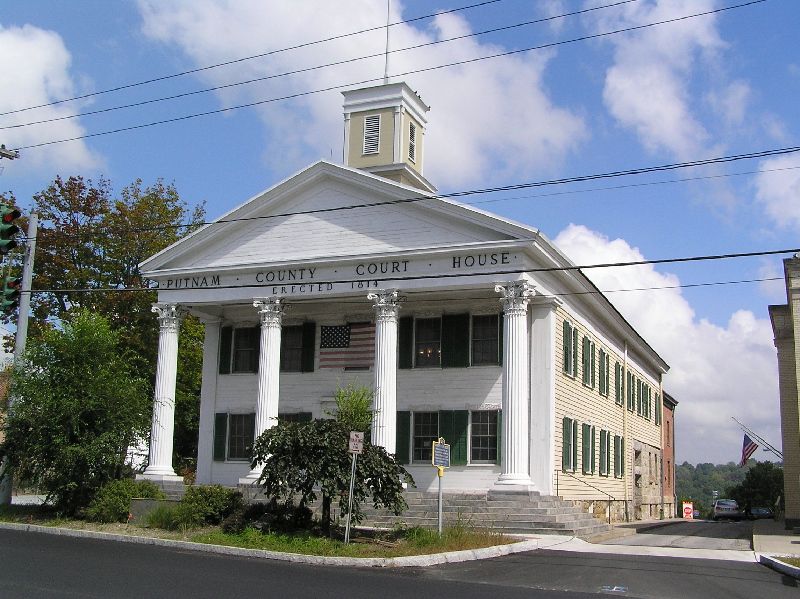
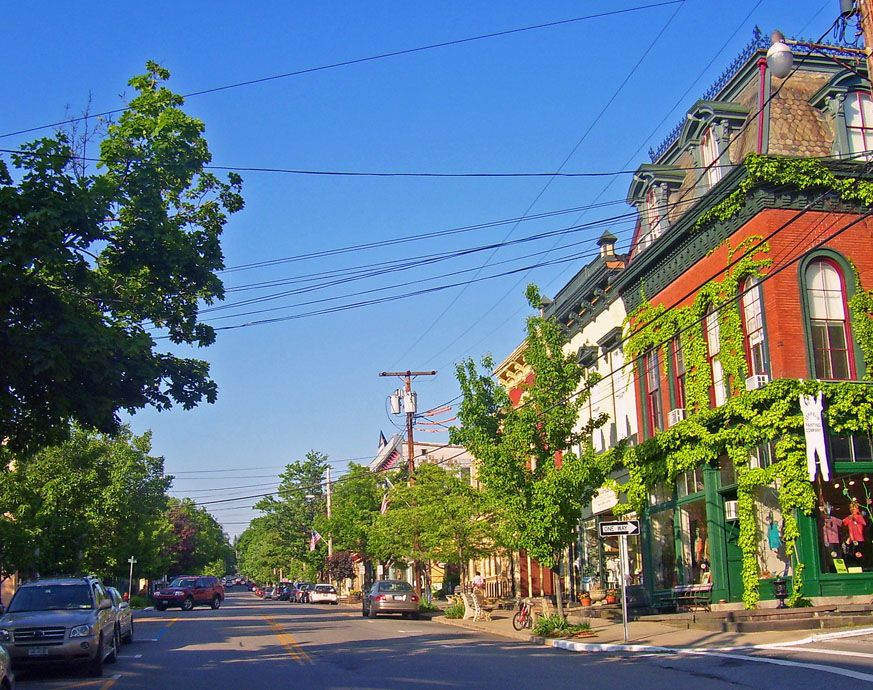
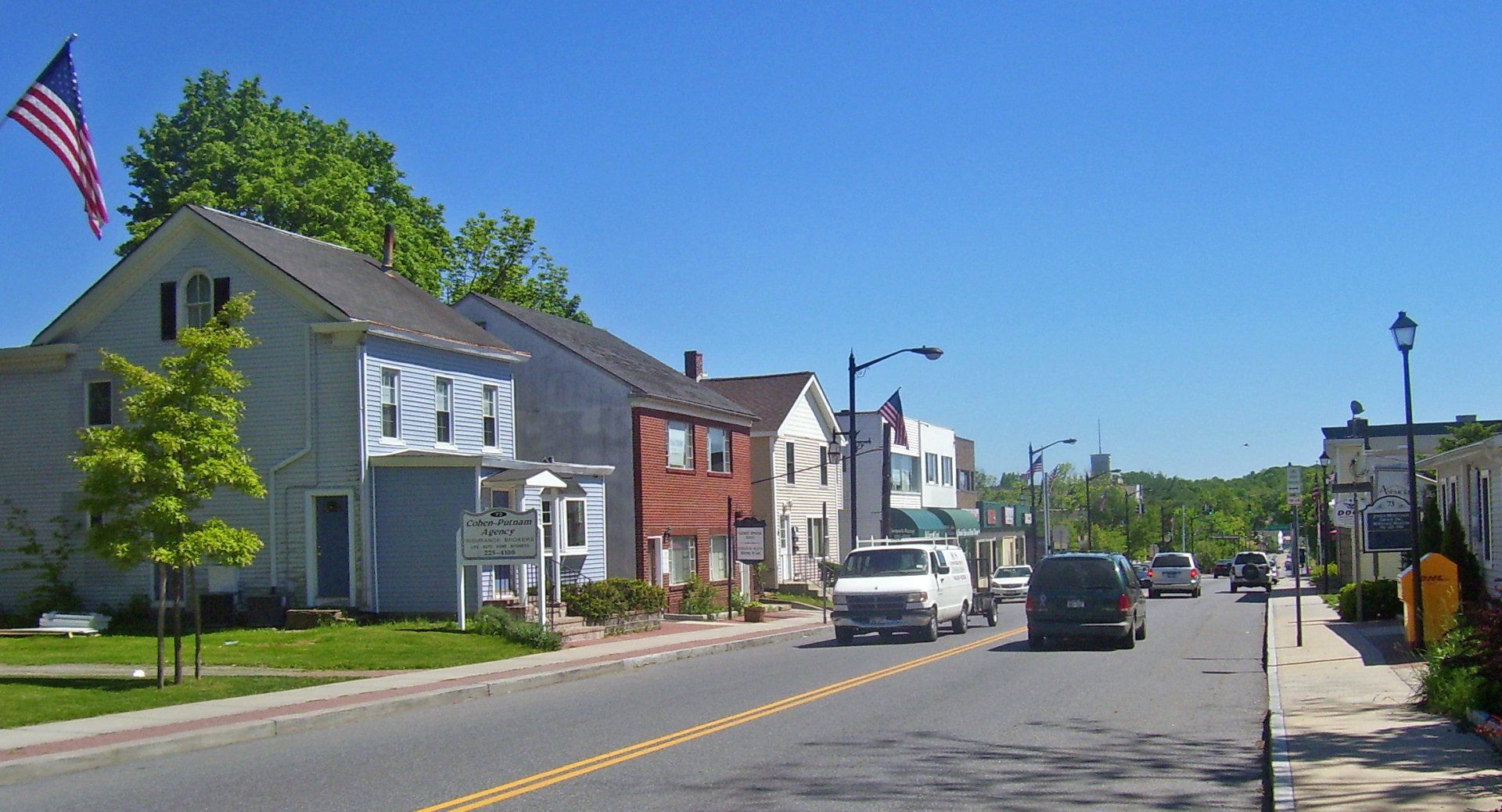
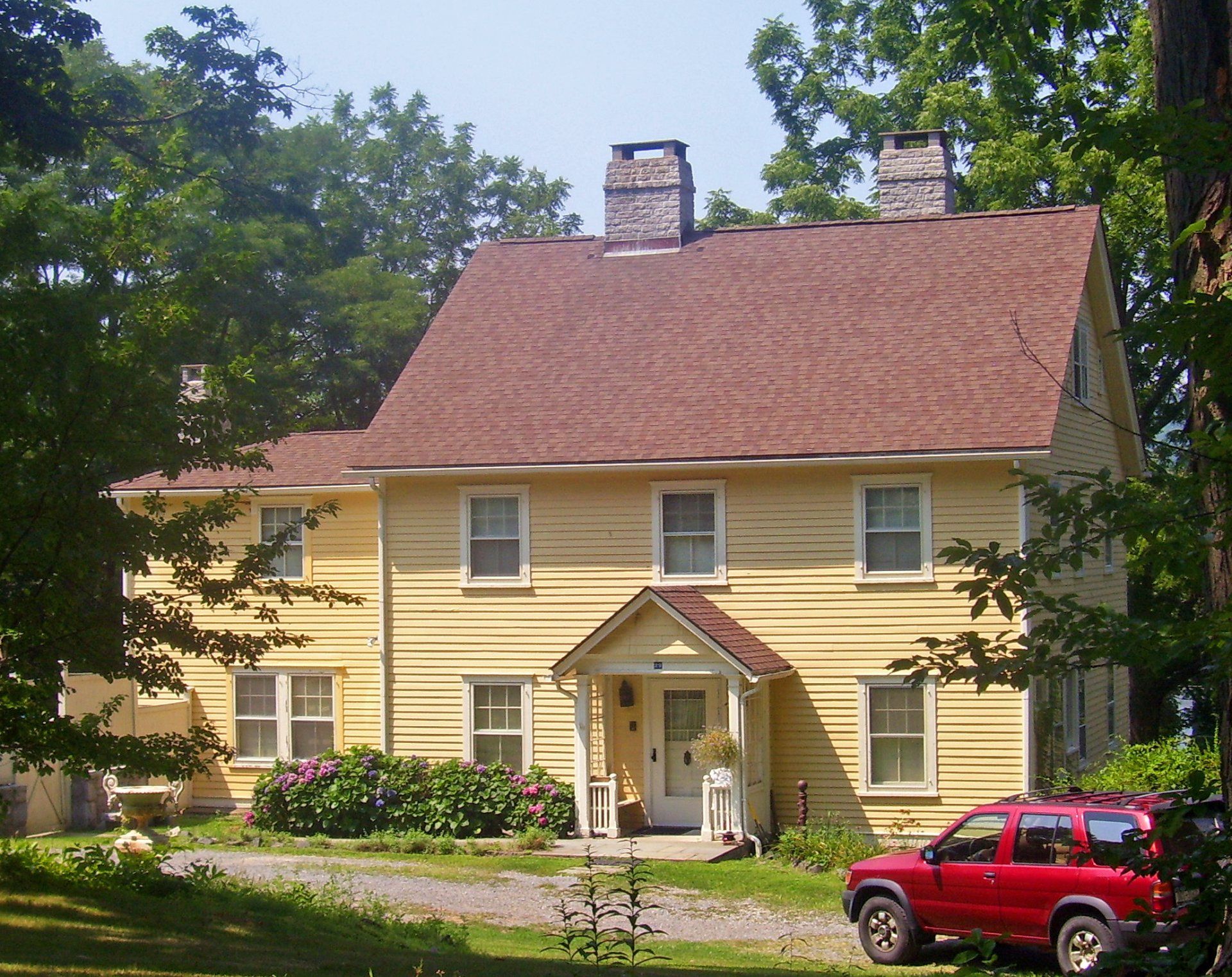
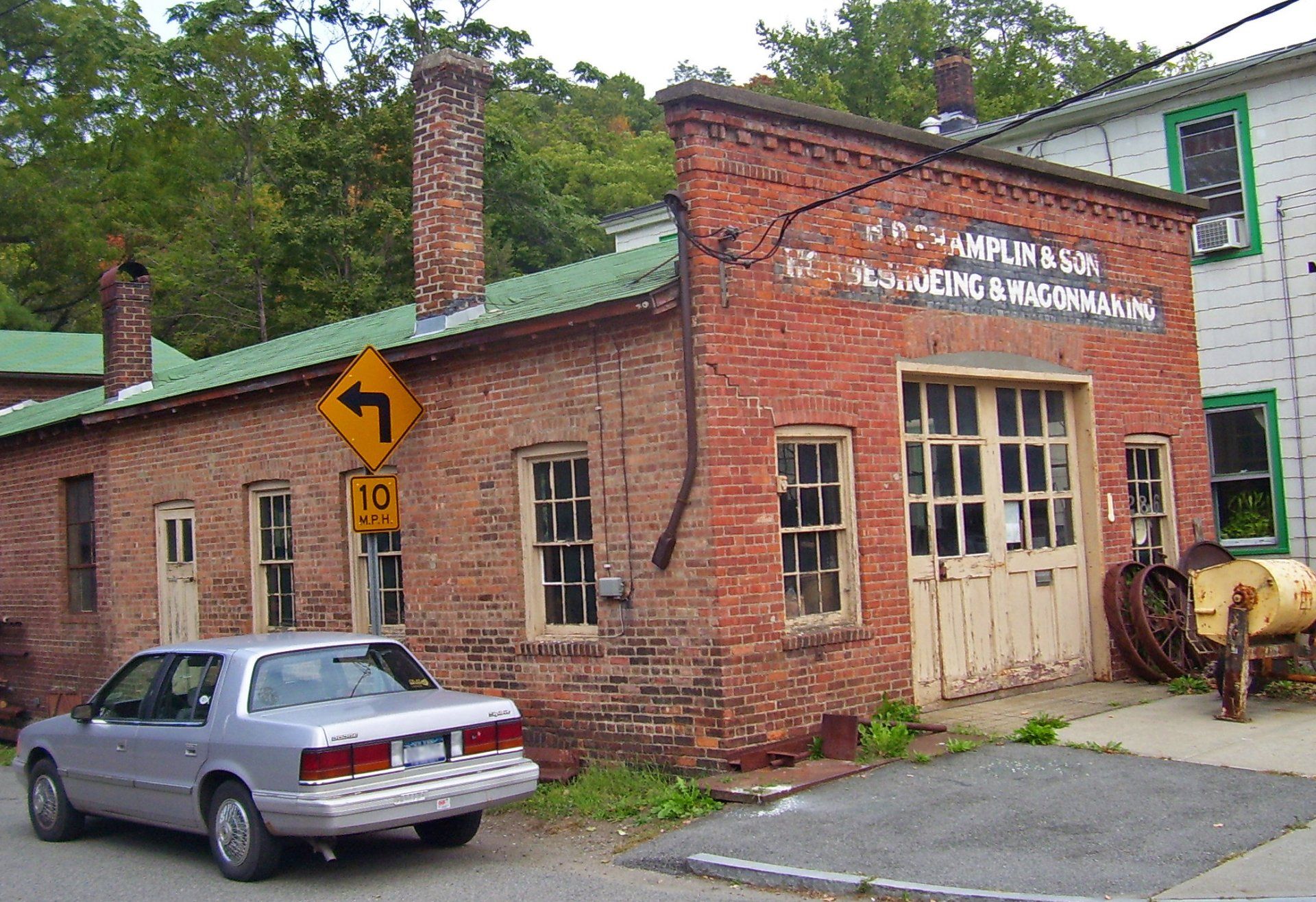
Formally incorporated in 1839 and renamed in honor of Revolutionary War General Israel Putnam just a year later, Putnam Valley, New York sits in the southwestern corner of Putnam County, roughly 45 miles north of Midtown Manhattan. The town calls itself the "Town of Lakes" for good reason — Oscawana Lake anchors the center of town, and lakeside hamlets dot the landscape throughout its 43 square miles of rolling Hudson Highlands terrain. What sets Putnam Valley apart from neighboring Carmel or Yorktown is its rare combination of preserved open space and genuine seclusion: more than 14,000 acres of Clarence Fahnestock State Park fall within town boundaries, and the Appalachian Trail itself passes through. Families are served by the Putnam Valley Central School District, while commuters can reach Metro-North's Hudson Line at Peekskill Station in about 15 minutes. Those searching for lake oscawana waterfront houses for sale will find a market where the median home price of $599,000 reflects both the quality of life and the enduring demand for this kind of landscape. For buyers who want proximity to New York City without sacrificing space, privacy, or natural beauty, Putnam Valley offers a compelling and lasting answer.
Welcome to Putnam Valley
Community Profile
Tucked into the wooded hills of Putnam County, this small Hudson Valley community punches well above its weight when it comes to household prosperity. The median household income here reaches $137,656 — nearly double the national median — and a remarkable 69.2% of households earn six figures or more. That financial strength is reflected directly in the housing market: the median home value stands at $513,816, and an extraordinary 89.7% of residents own their homes, a homeownership rate far exceeding the national average of 65.5%. For those exploring homes for sale in Putnam Valley, NY, that figure speaks volumes about the stability and long-term commitment residents feel toward this community.
The population skews toward established, experienced households, with a median age of 45.8 years and a strong cohort of residents in their 40s and 50s. Families here are well-educated — 50.8% hold a bachelor's degree or higher, well above the national rate of 33%, and 23.2% have earned a graduate degree. A notable 39.5% of degree holders studied STEM fields, suggesting a highly skilled professional base. With an unemployment rate of just 2.6% and a poverty rate of only 4.2%, the community's economic foundation is exceptionally sound. Most residents commute into the greater New York metro area, accepting an average commute of 44.6 minutes in exchange for the quiet, low-density lifestyle — just 110 people per square mile — that defines life in Putnam Valley.
Things to Do
Outdoor Recreation
Putnam Valley earns its nickname — the "Town of Lakes" — honestly. Oscawana Lake sits at the heart of the community, drawing swimmers, kayakers, and anglers throughout the warmer months, and the waterfront neighborhoods surrounding it are among the most sought-after addresses in the region. The town's crown jewel for outdoor enthusiasts, however, is Clarence Fahnestock State Park, with over 14,000 acres stretching across the northern reaches of town. Miles of hiking trails, equestrian paths, and backcountry terrain make it a year-round destination, and the park's scale means even busy summer weekends feel uncrowded once you're a few hundred yards down a trail. The Appalachian Trail also passes through Putnam Valley, offering through-hikers and day-trippers alike a taste of the Hudson Highlands at their most dramatic. Putnam Valley Town Park provides a more accessible option for families, with recreational fields and open space close to the town's residential core.
Arts & Culture
For a small town, Putnam Valley punches well above its weight culturally. The Tompkins Corners Cultural Center is a beloved community institution, hosting concerts, theatrical performances, art exhibitions, and community gatherings throughout the year in a setting that feels genuinely rooted in the town's character. History buffs will find a worthy stop at the Putnam Valley Historical Society, which preserves the town's long story — from its Wappinger past and colonial-era farms to its 19th-century resort days, when the Oscawana Lake House drew summer visitors from the city.
Family Activities & Day Trips
Families appreciate the town's blend of quiet, nature-forward living and easy access to broader attractions. Cold Spring, one of the Hudson Valley's most charming river towns, is a short drive north and offers antique shops, riverside dining, and weekend farmers markets. Metro-North's Peekskill station is roughly 15 minutes southwest, putting Manhattan within an hour's reach for a day in the city. Closer to home, the lakes — including Roaring Brook Lake and Lake Peekskill — offer informal recreation for residents throughout the summer season.
Dining & Local Character
Putnam Valley's commercial scene is intentionally low-key, reflecting the community's preference for preserved open space over dense development. Residents tend to frequent the dining and shopping corridors of nearby Peekskill and Mahopac, both within easy driving distance. The town's identity is firmly tied to its lakes and forests — those drawn to lake oscawana waterfront houses for sale are typically seeking exactly this kind of unhurried, nature-centered lifestyle rather than walkable retail strips.
Latest Properties in Putnam Valley
Loading latest properties...
History
From Quincy to Putnam Valley: A History Rooted in the Land
The story of Putnam Valley begins long before its formal founding. The Wappinger Confederacy — specifically the Nochpeem band's Canopus group — inhabited this stretch of the Hudson Highlands for centuries, establishing settlements at Canopus Hill and seasonal camps near streams and lakes. Place names like Oscawana, drawn from a 1682 deed signer, and Wiccopee survive as quiet reminders of that presence. European settlement followed the 1697 Highland Patent granted to Adolph Philipse, with the first permanent farms taking root around 1740 on leased tracts worked by English tenants raising rye, corn, and livestock across the rugged terrain.
The town was formally incorporated on March 14, 1839, under the name Quincy, carved from the Town of Philipstown. Less than a year later, on February 13, 1840, it was renamed Putnam Valley in honor of Revolutionary War General Israel Putnam. In 1861, a portion of the Town of Carmel was annexed, refining the boundaries that largely hold today. By the mid-1850s, the opening of the Oscawana Lake House as a summer resort signaled a shift in the town's identity — from purely agricultural to a destination valued for its natural beauty, a character it has never lost.
The 20th century brought steady residential growth. The Putnam Valley Central School District was created in 1934, and the volunteer fire department was established in 1946, both reflecting a maturing community infrastructure. Census data tells the story plainly: from just 859 residents in 1930, the population climbed to 1,908 by 1950, then surged to 8,994 by 1980 as New York City professionals discovered the area's combination of space, scenery, and relative affordability. That postwar and post-commuter-era growth produced the lakeside hamlets and wooded residential enclaves — including the communities around Oscawana Lake — that define the market today. Buyers searching for lake Oscawana waterfront houses for sale are, in a sense, following a tradition of escaping the city for these hills that stretches back to the resort era of the 1850s.
Weather
Four Distinct Seasons in the Hudson Highlands
Putnam Valley experiences a humid continental climate, shaped by its position in the Hudson Highlands roughly 45 miles north of Midtown Manhattan. Elevation plays a meaningful role here — the town sits at around 500 to 600 feet above sea level across much of its terrain — and the surrounding forested ridgelines can intensify both cold snaps in winter and heat in summer compared to lower-lying areas of the region.
Summers are warm and humid, with daytime highs typically ranging from the mid-80s°F and overnight lows settling into the low-to-mid 60s°F. Winters are cold and snowy, with average highs in the low-to-mid 30s°F and lows that regularly dip into the teens and low 20s°F. Annual snowfall commonly reaches 40 to 50 inches, and lake-effect moisture from the broader region can amplify accumulations. Spring and fall are particularly beautiful — crisp, colorful, and mild — which helps explain the enduring appeal of lakeside living in communities like those surrounding Oscawana Lake.
Precipitation is fairly well distributed throughout the year, averaging around 48 to 52 inches annually. For buyers considering lake Oscawana waterfront houses for sale, the climate brings real practical considerations: heating costs are substantial given long, cold winters, and homes require consistent seasonal maintenance — roof inspections, weatherproofing, and dock preparation among them. On the upside, the same climate rewards residents with exceptional outdoor living from late spring through October.
Putnam Valley Market Analytics
Can I Afford Putnam Valley?
Weather