
Queens Village, New York

Location:
Queens Village, NY

Welcome to Queens Village

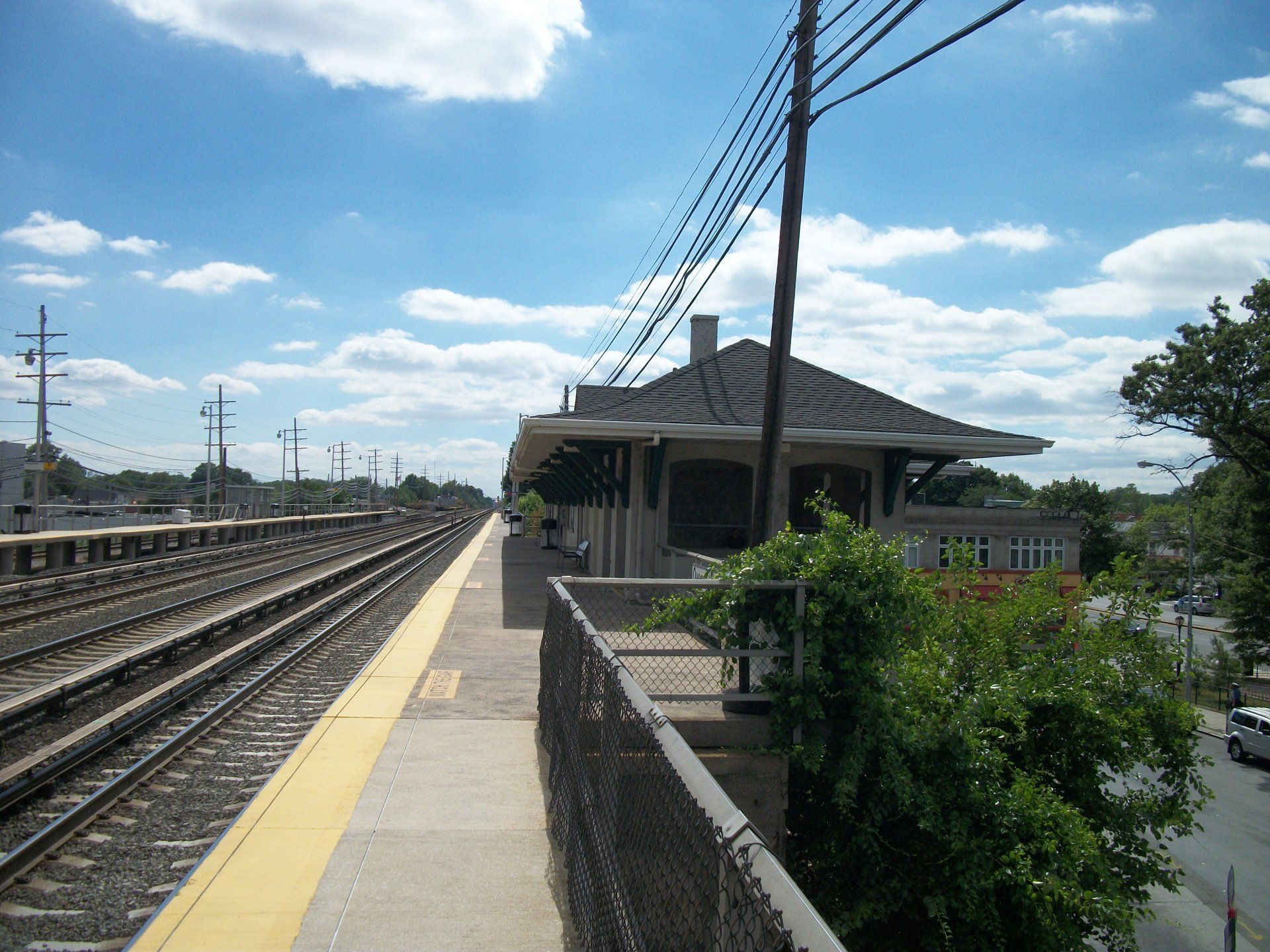
Originally settled in the 1640s as Little Plains by Dutch colonists, Queens Village sits at the far eastern edge of Queens, sharing its border directly with Nassau County — a geographic position that gives it something few New York City neighborhoods can claim: the feel of suburban Long Island with a subway-era transit connection to Manhattan. The Queens Village station on the Long Island Rail Road has anchored this community since the railroad arrived in 1837, and today it remains one of the most practical commuter assets in the eastern borough.

What sets Queens Village apart from neighboring Hollis, St. Albans, and Cambria Heights is its unusually high homeownership rate and the architectural character of its housing stock — Dutch Colonial and Tudor homes built during the 1920s and 1930s still line many of its tree-shaded streets. With a median household income above $107,000 and a poverty rate well below the citywide average, this is one of Queens' more economically stable residential areas. Families are drawn here in part by schools rated above the borough average, and by green space like Cunningham Park nearby.

For anyone exploring a queens village home for sale, the appeal is straightforward: genuine neighborhood character, strong property values that have risen nearly 80% since 2009, and a location that keeps both Manhattan and Long Island within easy reach.


Things to Do

Outdoor Recreation

Queens Village punches well above its weight when it comes to green space. Cunningham Park, one of eastern Queens' most beloved destinations, sits just a short drive from the neighborhood's tree-lined streets and offers tennis courts, baseball diamonds, a disc golf course, and miles of trails popular with cyclists and joggers year-round. For those who love waterside scenery, Alley Pond Park — one of the largest natural areas in New York City — is also within easy reach, featuring wetlands, nature trails, and an environmental center that draws school groups and curious residents alike. Closer to home, Queens Village Veterans Plaza serves as a gathering point for community events and a quiet spot to reflect on the neighborhood's deep civic pride.

Shopping & Everyday Errands

The neighborhood's commercial life unfolds along several well-traveled corridors. Hillside Avenue, Jamaica Avenue, Hempstead Avenue, Francis Lewis Boulevard, Springfield Boulevard, and Braddock Avenue are all lined with independent shops, ethnic grocery stores, and everyday services that reflect the community's rich multicultural character. Whether you're browsing Caribbean bakeries, South Asian markets, or local hardware stores, the variety here is genuinely impressive for a neighborhood of its size. The mix of small businesses gives Queens Village a distinctly local feel that chain-dominated shopping strips simply can't replicate.

Arts, Culture & History

History runs deep in Queens Village. The neighborhood traces its roots to a Dutch settlement called Little Plains in the 1640s, and the Queens Village LIRR station still carries a nod to that heritage on its signage. Architecture enthusiasts will find delight in the well-preserved Dutch Colonial and Tudor homes built during the 1920s and 1930s that line many residential blocks. Just east of the neighborhood, across the Nassau County border in Elmont, lies Belmont Park, one of the most storied horse racing venues in the country and home to the final leg of the Triple Crown.

Family Activities & Day Trips

Families in Queens Village benefit from proximity to the historic Long Island Motor Parkway, now part of the Brooklyn–Queens Greenway, where the legendary Vanderbilt Cup races once thrilled crowds at the turn of the twentieth century. The paved greenway corridor is ideal for family bike rides and weekend strolls. With Midtown Manhattan roughly 12 miles away and easily accessible via the Long Island Rail Road, world-class museums, theaters, and sporting venues are never more than a short train ride from your front door — a genuine perk for anyone considering a queens village home for sale in this well-connected corner of the borough.

Latest Properties in Queens Village

Loading...

Loading latest properties...

See All Properties in Queens Village

History

From Little Plains to a Prized Address

Queens Village carries one of New York City's longer paper trails. Dutch colonists established the settlement in the 1640s under the name Little Plains — a reference still honored on the signage above the Long Island Rail Road station today. The neighborhood's modern identity began taking shape in 1824, when Thomas Brush opened a blacksmith shop that grew into a cluster of workshops and a factory, earning the area the name Brushville. The railroad arrived on March 1, 1837, and the station cycled through several names before residents voted in 1856 to rename the community Queens. It wasn't until 1923 that the Long Island Rail Road appended "Village" to the station name — distinguishing it from the borough itself — and the neighborhood's current identity was fixed.

The 1920s and 1930s brought the housing boom that physically defines Queens Village today. As New Yorkers pushed eastward seeking more space and quieter streets, developers filled the flat glacial plain with Dutch Colonial and Tudor homes on tree-lined lots. Those same well-maintained houses now anchor the neighborhood's character and drive considerable interest among buyers searching for a queens village home for sale with genuine architectural history. The postwar decades deepened the area's middle-class stability, and homeownership today stands at a remarkable 76.1% — a figure that reflects generations of residents who chose to stay.

Property values have risen 79% since 2009, pushing the median home price to $800,000, yet Queens Village retains its reputation as one of the more attainable entry points into New York City homeownership. With fewer than ten new housing units added between 2010 and 2024, the existing stock of early-twentieth-century homes remains the market's backbone — making every house for sale in Queens Village a genuine piece of the neighborhood's long continuum.

Weather

Queens Village, NY Climate & Weather Patterns

Queens Village experiences a humid subtropical climate (Köppen Cfa), a classification it shares with much of the New York City metro area. Positioned in the northeastern corner of Queens along the Nassau County border, the neighborhood sits on a flat glacial plain that allows weather systems to move through with relatively little topographic interference. The proximity to the Atlantic Ocean — just a dozen or so miles to the south — moderates temperature extremes somewhat, though not as dramatically as neighborhoods closer to the shoreline.

Summers are warm and humid, with daytime highs typically ranging from the mid-80s°F and overnight lows settling in the upper 60s. Winters are cold but not severe, with average highs in the mid-30s to low 40s°F and lows that frequently dip into the 20s. Snowfall is a regular winter occurrence, though accumulations vary considerably from year to year. Annual precipitation is fairly evenly distributed across all four seasons, averaging roughly 45–50 inches per year, with occasional nor'easters and tropical remnants bringing heavier rainfall in late summer and fall.

For anyone considering a queens village home for sale, these climate realities translate into meaningful real estate considerations. Heating costs during the colder months and air conditioning expenses through humid summers are both significant budget factors. Homeowners also contend with seasonal maintenance demands — roof inspections after winter storms, gutter clearing in autumn, and exterior upkeep during the wet spring season — all of which are worth factoring into the true cost of ownership in this neighborhood.

Queens Village Market Analytics

The Queens Village real estate market is showing signs of stability and growth, with the average home value increasing by 5.9% over the past year to $761,078, according to data analyzed by Opulist. This upward trend suggests that the market is balancing out, with a steady influx of new listings and a relatively low for-sale inventory, indicating a favorable environment for sellers. Overall, the market conditions in Queens Village appear to be healthy and promising for both buyers and sellers, making it an exciting time to explore the area with the guidance of Opulist.


1-Year Home Value Change: +5.9%

Queens Village Home Value Index over time.

Can I Afford Queens Village?
$
%
$0
Est. Monthly Payment
$0/yr
Salary Required

*Principal & interest only. Salary based on 28% debt-to-income ratio.

Get Pre-Approved for Queens Village