
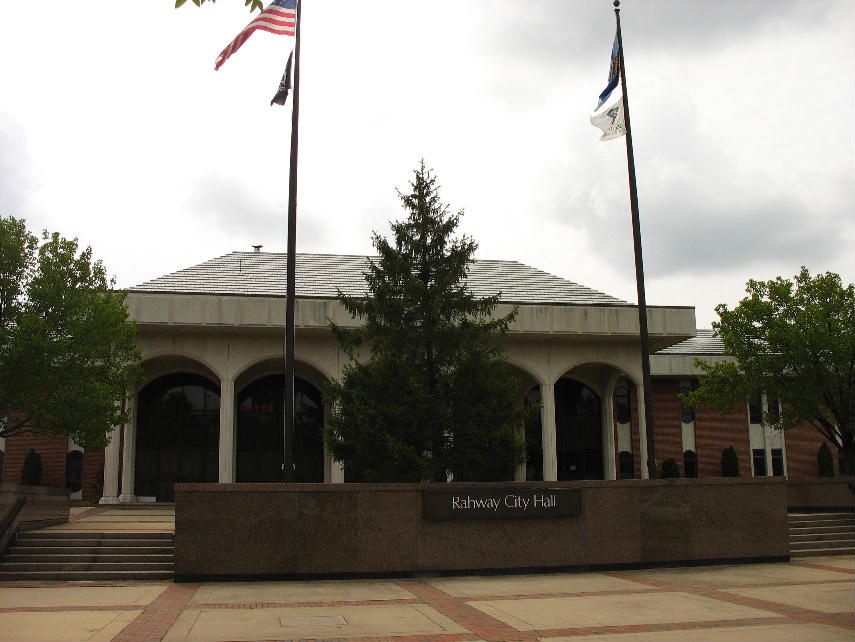
Incorporated as a city on April 19, 1858, Rahway sits in southern Union County just 15 miles southwest of Manhattan — close enough for a straightforward commute, yet distinctly its own place. Unlike neighboring Linden or Woodbridge, Rahway has cultivated a genuine arts identity alongside its deep industrial and pharmaceutical heritage, anchored by the global headquarters of Merck & Co., which has called this city home since 1903. The Rahway Train Station puts midtown Manhattan roughly 38 minutes away on NJ Transit's Northeast Corridor line, making it one of the most transit-accessible cities of its size in the state. History runs deep here too — the Merchants and Drovers Tavern, dating to 1795, still stands as a reminder that George Washington passed through on his way to his presidential inauguration. With a population of just under 30,000 spread across barely four square miles, the city offers real urban density without big-city anonymity. For buyers exploring homes for sale in Rahway, NJ, the combination of direct rail access, ongoing downtown revitalization, and a genuinely layered history makes this one of Union County's most compelling places to put down roots.
Welcome to Rahway
Community Profile
With a population of 30,109 and a median age of 39.7 years — just slightly above the national median — this Union County city strikes a balance between youthful energy and established stability that appeals to a wide range of buyers. Nearly a quarter of residents are under 20, and the 30-to-39 age cohort makes up 14.5% of the population, signaling a community actively attracting young families and professionals putting down roots.
The economic profile is genuinely compelling. Rahway's median household income of $91,461 comfortably outpaces the national median of roughly $75,000, and a striking 43.1% of households earn six figures or more. More than half of families — 52.2% — are dual-income, reflecting the kind of financial resilience that sustains neighborhoods over the long term. That earning power is backed by real credentials: 34.2% of residents hold a bachelor's degree or higher, and a remarkable 44.4% have backgrounds in STEM fields, a figure that speaks to the city's proximity to New Jersey's pharmaceutical and tech corridors.
For buyers exploring homes for sale in Rahway, NJ, the median home value of $386,973 represents meaningful value within the greater New York metro area, where comparable access and amenities routinely command far more. The homeownership rate of 51.5% leaves room for new owners to join a community that is genuinely diverse — with White, Black, and Hispanic/Latino residents each representing substantial shares of the population — and well-connected, with an average commute of just 31.9 minutes to workplaces across the region.
Things to Do
Arts & Culture
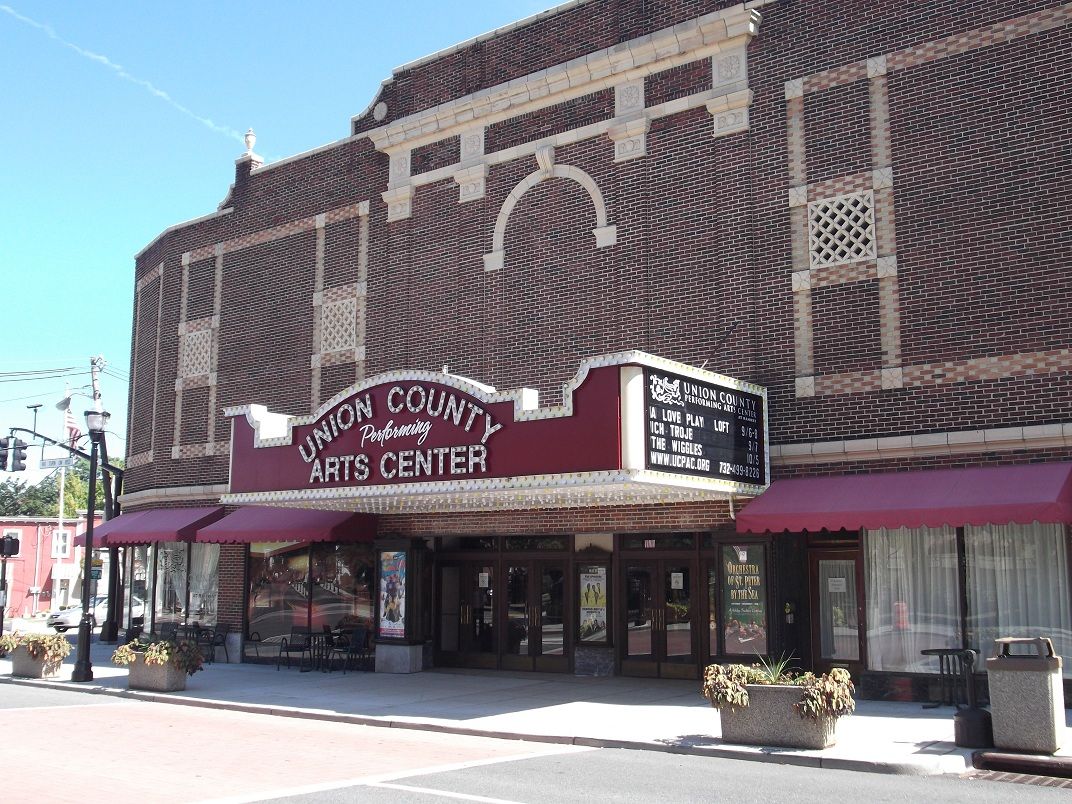
Rahway has quietly become one of Union County's most compelling arts destinations. The Union County Performing Arts Center (UCPAC), housed in the beautifully restored Rahway Theatre on Hamilton Street, anchors the city's cultural scene with live music, theatrical productions, comedy shows, and community events throughout the year. Just steps away, The Gallery Space occupies Rahway's original 1869 library building — one of the most charming adaptive reuse projects in the region — and hosts rotating exhibitions from local and regional artists. The city's ongoing commitment to public art means murals and sculptures are woven into the fabric of the downtown streetscape.
History & Heritage
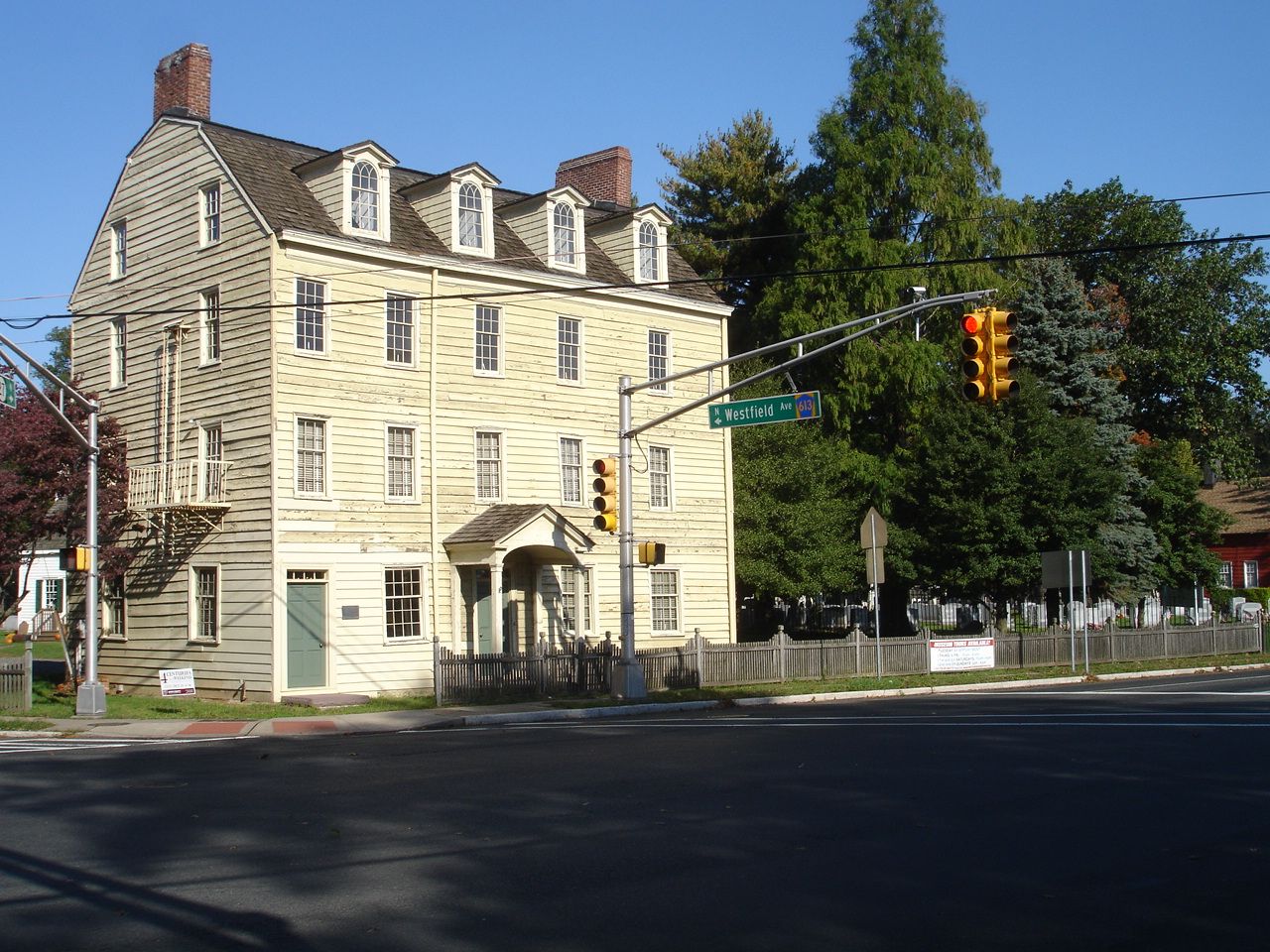
Few cities of Rahway's size carry such a layered historical identity. The Merchants and Drovers Tavern, located at the corner of St. Georges and Westfield Avenues, dates to 1795 and stands as one of the most significant colonial-era landmarks in New Jersey — George Washington himself stopped here in 1789 on his way to his presidential inauguration in New York City. History enthusiasts will also appreciate the various Revolutionary War markers scattered throughout the city, commemorating the 1777 Battle of Spanktown, as Rahway was once known.
Outdoor Recreation
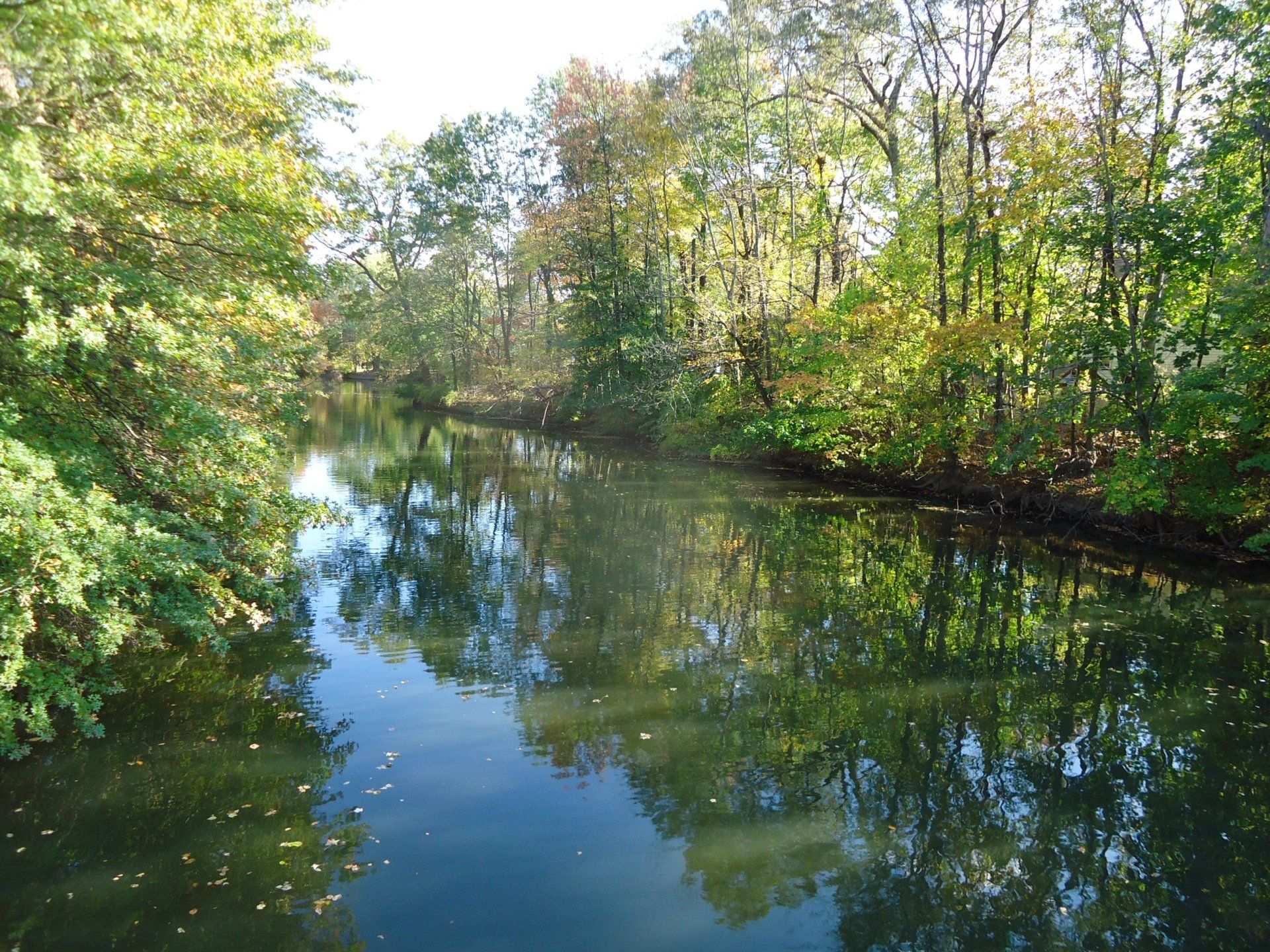
The Rahway River is the city's natural backbone, and Rahway River Park offers walking paths, open green space, and a peaceful escape from urban life. The park connects to a broader Union County greenway system, making it popular with joggers, cyclists, and families year-round. Merck Park provides additional recreational facilities, including athletic fields and courts. Given Rahway's compact 4-square-mile footprint, most outdoor amenities are easily accessible on foot or by bike.
Dining & Downtown
Downtown Rahway's revitalization has brought a growing mix of dining options to Irving Street and the surrounding blocks, ranging from casual neighborhood eateries to sit-down restaurants with international flavors reflecting the city's diverse population. The area has an energetic, evolving character that rewards exploration — and those browsing homes for sale in Rahway NJ often cite the walkable downtown as a major draw.
Family Activities & Day Trips
Rahway's location — just 15 miles from Midtown Manhattan and minutes from the Garden State Parkway — makes it an ideal base for day trips to New York City, the Jersey Shore, and the Watchung Mountains. Closer to home, community events, seasonal farmers markets, and programming at UCPAC give families plenty of reasons to stay local.
History
From Spanktown to Suburb: A Brief History of Rahway
Rahway's roots stretch back to 1664, when the English purchased the Elizabethtown Tract from the Lenape — whose chief, Rahwack, is said to have given the city its name. Early settlers called the settlement Spanktown, and it was under that name that Rahway appeared in Revolutionary War dispatches as late as 1782. In January 1777, American forces defeated the British at the Battle of Spanktown, a skirmish that underscored the town's strategic position between Staten Island, Elizabethtown, and Perth Amboy. George Washington himself passed through in April 1789, stopping at the inn of Samuel Smith — the site now preserved as the landmark Merchants and Drovers Tavern.
Incorporated as a city on April 19, 1858, Rahway grew rapidly along the stagecoach and railroad corridors connecting New York City and Philadelphia. Its navigable river attracted manufacturers, and by the early twentieth century the city was home to the Regina Music Box Company, the Wheatena cereal plant, and — most consequentially — Merck & Co., which George W. Merck relocated from New York City to Rahway in 1903. That pharmaceutical anchor has shaped the city's economic identity ever since.
The postwar industrial decline shuttered most of Rahway's factories and hollowed out its downtown, but the city has spent recent decades reinventing itself. A sustained push toward arts-district development and downtown redevelopment has attracted new residents and investment. Today, buyers browsing homes for sale in Rahway, NJ find a city where Victorian-era streetscapes, a walkable downtown, and a 38-minute train ride to Midtown Manhattan combine to offer genuine urban character at a fraction of Manhattan-adjacent prices.
Weather
Rahway, New Jersey, experiences a humid subtropical climate — the classification that applies to much of the northeastern New Jersey coastal plain — with four distinct seasons, meaningful precipitation year-round, and the moderating influence of its proximity to the Atlantic coast and New York Harbor. Sitting at just 23 feet above sea level roughly 15 miles southwest of Manhattan, the city benefits from urban heat retention and maritime air that softens temperature extremes compared to inland areas of the state.
Summers are warm and humid, with daytime highs typically ranging from the mid-80s°F and overnight lows settling in the upper 60s. Heat and humidity can combine for stretches of genuinely uncomfortable weather from July into August. Winters are cold but rarely severe by New England standards — average highs hover in the mid-30s to low 40s°F, with lows dipping into the mid-20s. Snowfall occurs each season, though accumulations are often moderated by the city's low elevation and coastal proximity. Spring and fall are generally mild and pleasant, making them the most comfortable seasons for outdoor activity.
Annual precipitation is fairly evenly distributed throughout the year, averaging around 46 to 50 inches, with occasional nor'easters delivering significant snow or rain events in winter and early spring. Tropical moisture can bring heavy rainfall in late summer.
For those exploring homes for sale in Rahway NJ, the climate has real practical implications: central air conditioning is a genuine necessity, heating costs are a meaningful budget consideration, and homes benefit from regular attention to roof and gutter maintenance ahead of winter storms. Outdoor living spaces — decks, patios, and yards — get solid seasonal use from late spring through October.
Rahway Market Analytics
Rahway Home Value Index over time.
Can I Afford Rahway?
Weather