
Ramapo, New York

Location:
Ramapo, NY

Welcome to Ramapo

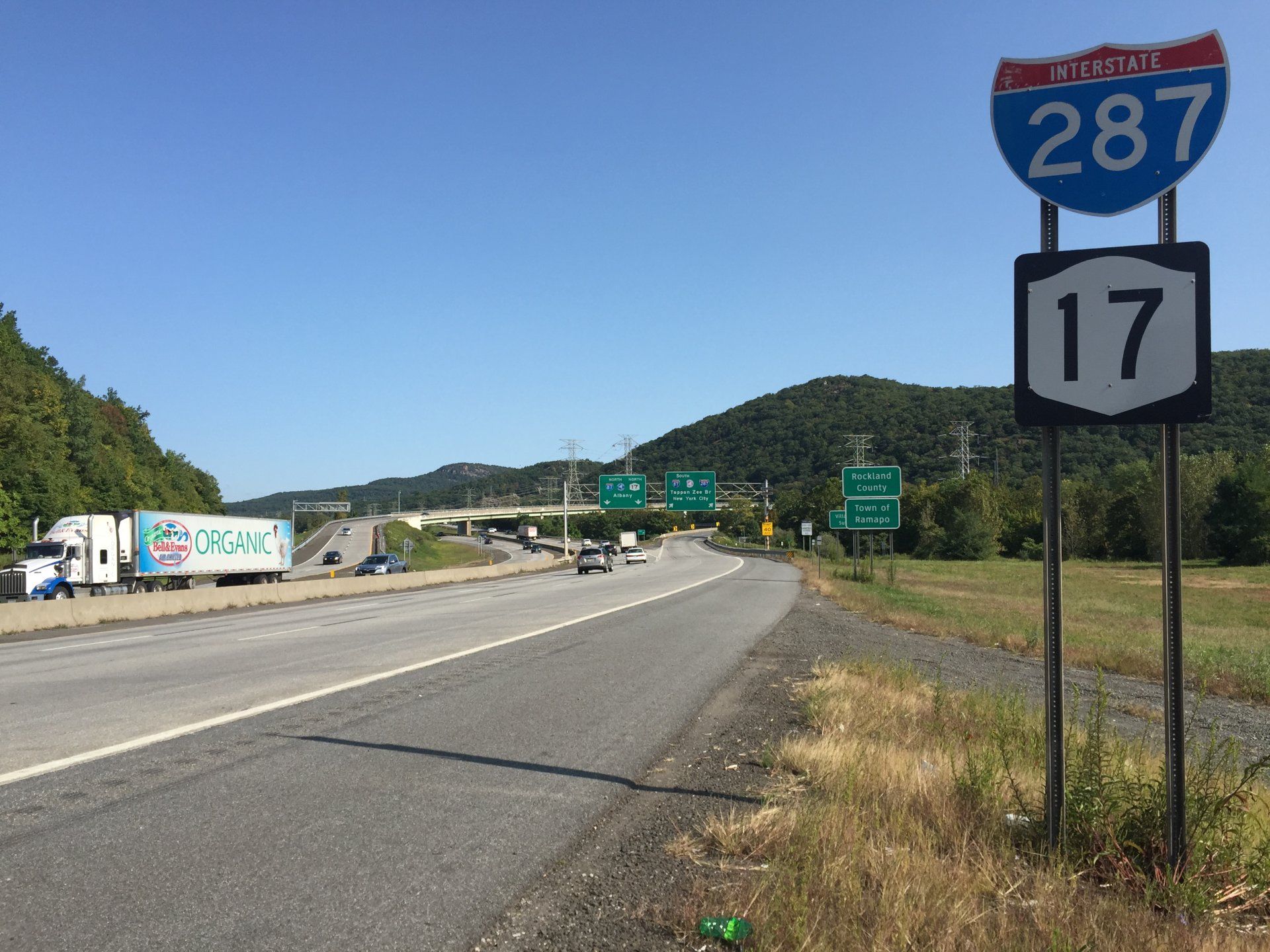
Established by the New York State Legislature in 1791 as one of Rockland County's original towns, Ramapo sits roughly 30 miles northwest of Midtown Manhattan — close enough to the city to matter, yet defined by a landscape shaped by the Ramapo Mountains and the winding Ramapo River. With a 2020 census population of nearly 149,000, it ranks among the most populous towns in New York State outside of Long Island, a distinction that sets it apart from quieter Rockland neighbors like Clarkstown or Stony Point.

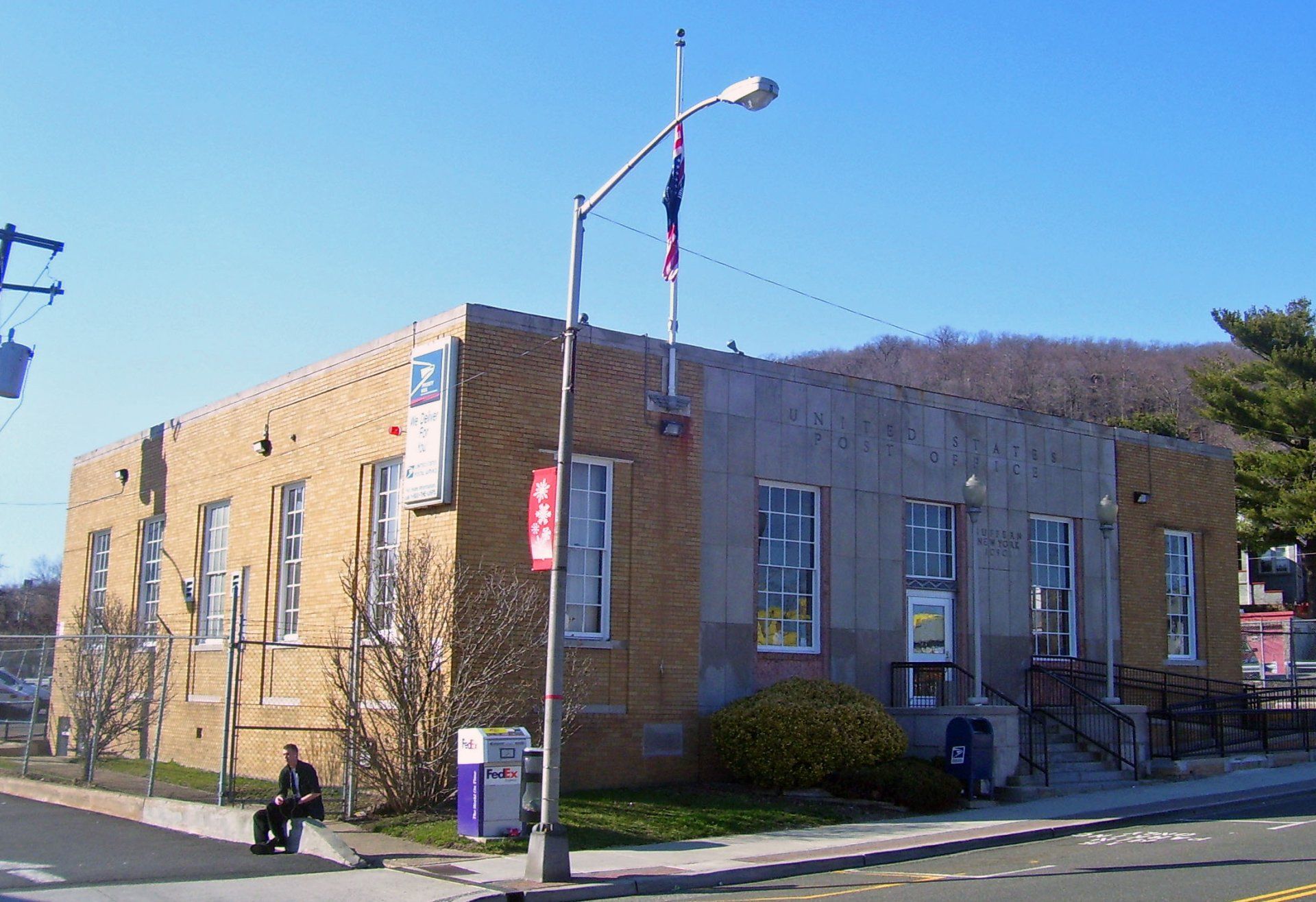
What makes Ramapo genuinely distinct is its extraordinary demographic diversity. The town encompasses incorporated villages including Suffern, Spring Valley, and Chestnut Ridge, each with its own character, alongside a mosaic of cultural and religious communities that give the area an energy unlike anywhere else in the Hudson Valley corridor. Commuters benefit from direct rail access via the Port Jervis Line, connecting residents to Penn Station and making the town a practical base for New York City professionals.

For buyers and investors willing to look closely, Ramapo offers a rare combination of regional accessibility, geographic beauty, and a young, fast-growing population — the kind of fundamentals that tend to reward long-term real estate decisions.


Community Profile

One of the most striking things about this Rockland County town is just how young it skews. With a median age of just 25.1 years — well below the national median of 38.5 — Ramapo is defined by the energy and vitality of young families. That youthfulness shows up clearly in the age breakdown: 22.8% of residents are under 10 and another 20.2% are between 10 and 19, making nearly half the population school-age children or younger. Households here are notably family-oriented, with a 54.3% married rate and an average family size of 4.39 people — a figure that reflects the large, multigenerational households common in many of Ramapo's close-knit communities.

The economic picture is one of real opportunity. A median household income of $82,463 outpaces the national average, and an impressive 44.1% of households earn six figures or more. The intellectual capital here is notable as well: 43.6% of degree holders studied STEM fields, and 14% hold graduate degrees — a workforce profile that speaks to professional depth. For those exploring homes for sale in Ramapo, NY, the median home value of $653,655 reflects the desirability of the broader New York metro market, while a homeownership rate of 54.2% signals that ownership remains an achievable goal. Those considering apartments for rent in Ramapo, NY will find a median rent of $1,787. With an average commute of just 26.1 minutes, residents enjoy meaningful access to the greater New York region without sacrificing the quieter pace of Rockland County life.

Things to Do

Outdoor Recreation

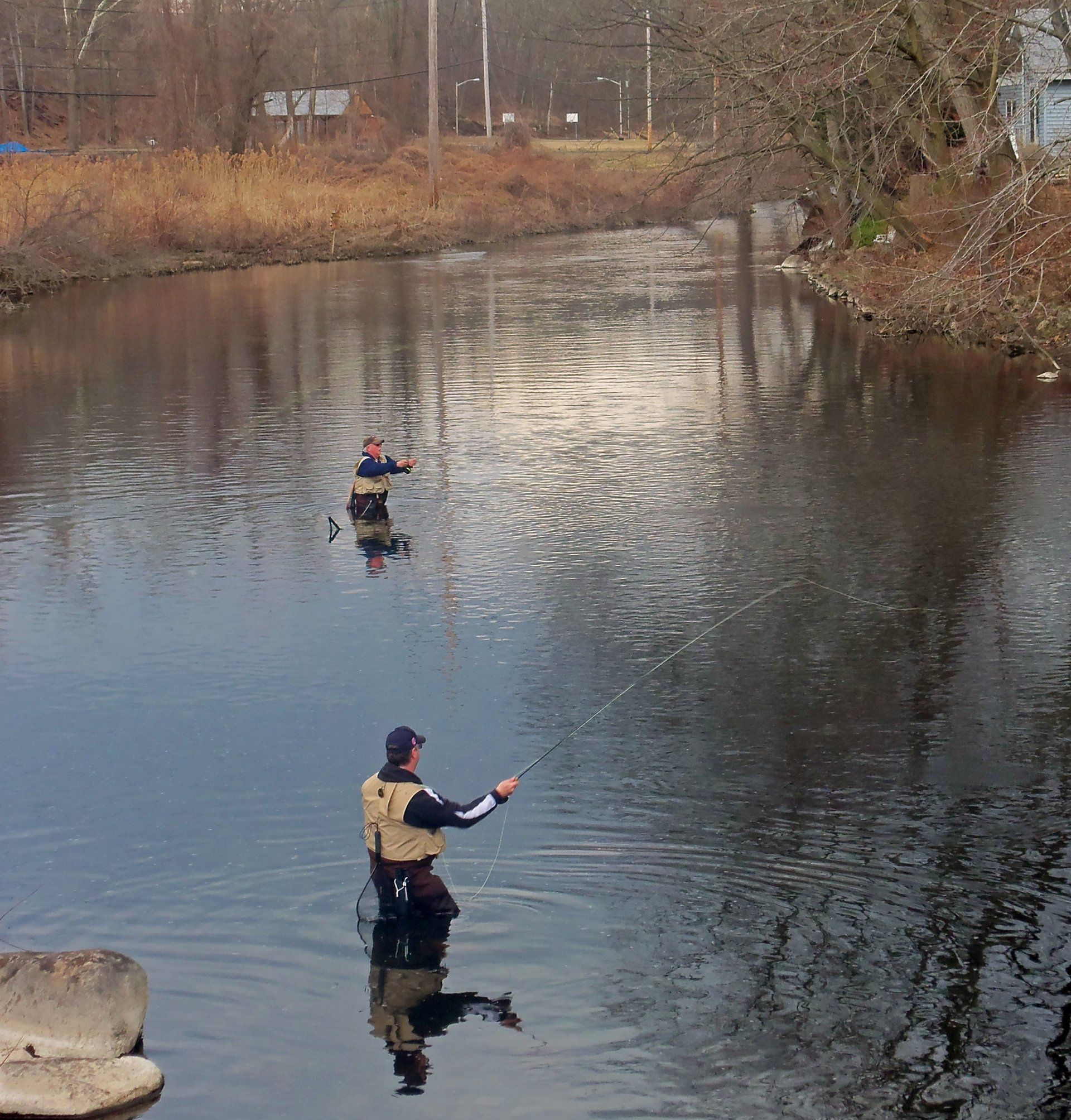
Ramapo's greatest natural asset is its immediate access to the Harriman State Park, one of the largest state parks in the entire Northeast, which borders the town to the north and west. With hundreds of miles of hiking and mountain biking trails winding through the Ramapo Mountains, it draws outdoor enthusiasts year-round. Closer to home, the Ramapo River corridor offers scenic walking and the kind of quiet natural beauty that feels worlds away from the New York City skyline just 30 miles to the southeast. Kakiat County Park, straddling the Ramapo River in the town's western reaches, provides picnic areas, nature trails, and open green space that families return to season after season.

Arts & Culture

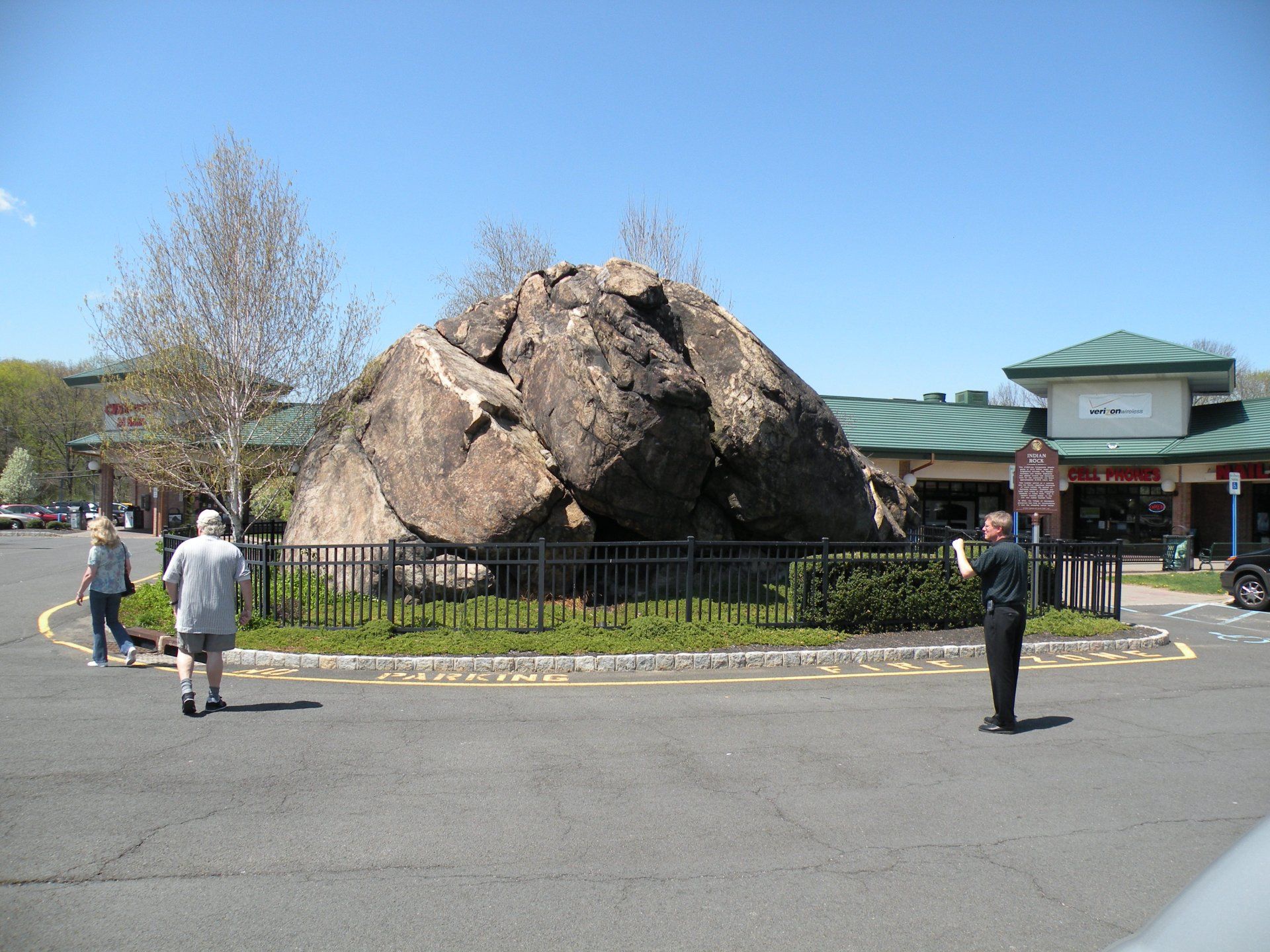
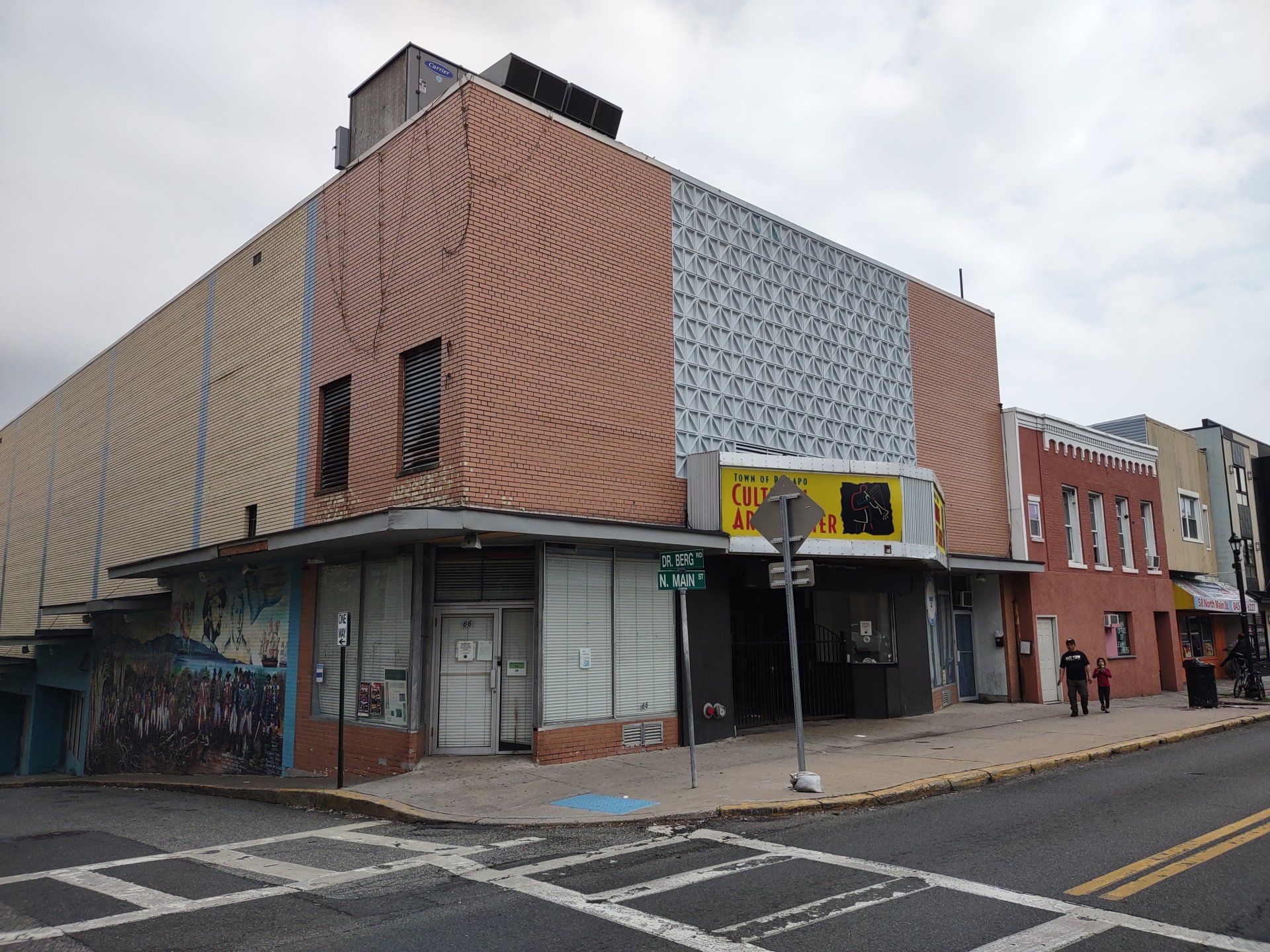
Ramapo's remarkable cultural diversity — shaped heavily by its large and vibrant ultra-Orthodox Jewish communities in areas like Monsey and New Square — gives the town a genuinely distinctive character. Visitors and residents alike can explore the rich religious and community life that defines these neighborhoods, including kosher markets, Judaica shops, and community events tied to the Jewish calendar. The town's deep Lenape and colonial heritage also surfaces in local historical sites, and the nearby Historical Society of Rockland County in New City offers broader context for the region's layered past.

Dining & Shopping

The Monsey area is particularly well known for its extensive kosher dining scene, one of the most robust outside of Brooklyn, offering everything from casual falafel counters to full-service restaurants serving Ashkenazi and Sephardic cuisines. The commercial corridors along Route 59 in Spring Valley and Monsey bustle with grocery stores, specialty food shops, and retail centers catering to the community's needs. The Shops at Nanuet, just minutes from Ramapo's core, expands the retail options considerably.

Family Activities

Families find plenty to keep busy throughout the year. Letchworth Village, a historic site within the town, offers a sobering but important window into local history. Seasonal farmers markets and community festivals pop up across Ramapo's villages during warmer months, reflecting the town's close-knit neighborhood fabric. With a median age of around 25 and large families throughout the community, Ramapo is genuinely oriented around family life in a way few towns its size can match.

Latest Properties in Ramapo

Loading...

Loading latest properties...

See All Properties in Ramapo

History

From Lenape Lands to One of New York's Fastest-Growing Towns

The land that became Ramapo was home to Munsee Lenape bands — including the Hackensack and Tappan peoples — for centuries before European arrival. The name itself derives from Lenape terms for the river running through the valley, variously interpreted as "sweet water" or "slanting rocks." Formal European acquisition began in October 1697, when New York merchant Blandina Kiersted Bayard purchased a large tract from twelve Hackensack chiefs, opening the door to Dutch and Huguenot farming families who settled the fertile lowlands in the generations that followed.

The Town of Ramapo was formally established in 1791, carved from the Town of Haverstraw by the New York State Legislature. It carried the name New Hempstead until 1828, when the legislature renamed it Ramapo to reflect its geographic identity. By then, the town had already developed a modest industrial character — iron ore from the Ramapo Mountains fueled furnace operations that, during the Revolutionary War, produced chain links for the famous barrier stretched across the Hudson River at West Point. That industrial heritage shaped the working-class character of communities like Spring Valley and Suffern, whose older housing stock and compact streetscapes still reflect 19th- and early 20th-century development patterns.

The modern real estate story of Ramapo is inseparable from its extraordinary population growth — from roughly 126,000 residents in 2010 to nearly 149,000 by 2020 — driven largely by the expansion of ultra-Orthodox Jewish communities in areas like Monsey and New Square. This demographic surge has created intense demand for housing, pushed new residential construction into previously undeveloped parcels, and made Ramapo one of the fastest-growing municipalities in the entire New York metropolitan area. For buyers and investors, that growth trajectory means a market defined by persistent demand, limited inventory, and neighborhoods in active transition.

Weather

Four Distinct Seasons in the Hudson Valley Foothills

Ramapo, New York experiences a humid continental climate, shaped by its position in the foothills of the Ramapo Mountains roughly 30 miles northwest of New York City. The town sits far enough inland to escape significant maritime moderation, yet close enough to the metropolitan corridor to benefit from slightly milder conditions than more northerly parts of the Hudson Valley.

Summers are warm and humid, with daytime highs typically ranging from the mid-80s to the low 90s°F, while overnight lows settle in the mid-60s. Winters are cold and snowy, with average highs in the low-to-mid 30s°F and lows that frequently dip into the teens and 20s. The Ramapo Mountains to the northwest can enhance snowfall totals through orographic lift, occasionally pushing seasonal accumulations well above regional averages. Spring and autumn are transitional and often spectacular, with crisp temperatures and vivid foliage drawing attention to the surrounding ridgelines.

Annual precipitation is fairly evenly distributed throughout the year, averaging around 46–50 inches, with the Ramapo River corridor historically prone to flooding during heavy rain events — a meaningful consideration for prospective buyers in low-lying areas of town.

For homeowners, Ramapo's climate demands year-round attention: heating costs are significant through a long winter season, air conditioning is a practical necessity in summer, and properties require consistent maintenance for snow loads, ice dams, and spring thaw drainage. That said, the four-season character also supports generous outdoor living from May through October.

Ramapo Market Analytics

The Ramapo real estate market is showing signs of stability and growth, with a 3.6% increase in average home value over the past year, according to data analyzed by Opulist. This suggests the market is balancing, with nearly equal numbers of homes selling above and below list price, indicating a healthy and competitive market. With a median sale-to-list ratio of 1.003, it's a great time for both buyers and sellers to explore their options in Ramapo, and Opulist is here to guide you through the process.


1-Year Home Value Change: +3.6%

Ramapo Home Value Index over time.

Can I Afford Ramapo?
$
%
$0
Est. Monthly Payment
$0/yr
Salary Required

*Principal & interest only. Salary based on 28% debt-to-income ratio.

Get Pre-Approved for Ramapo