
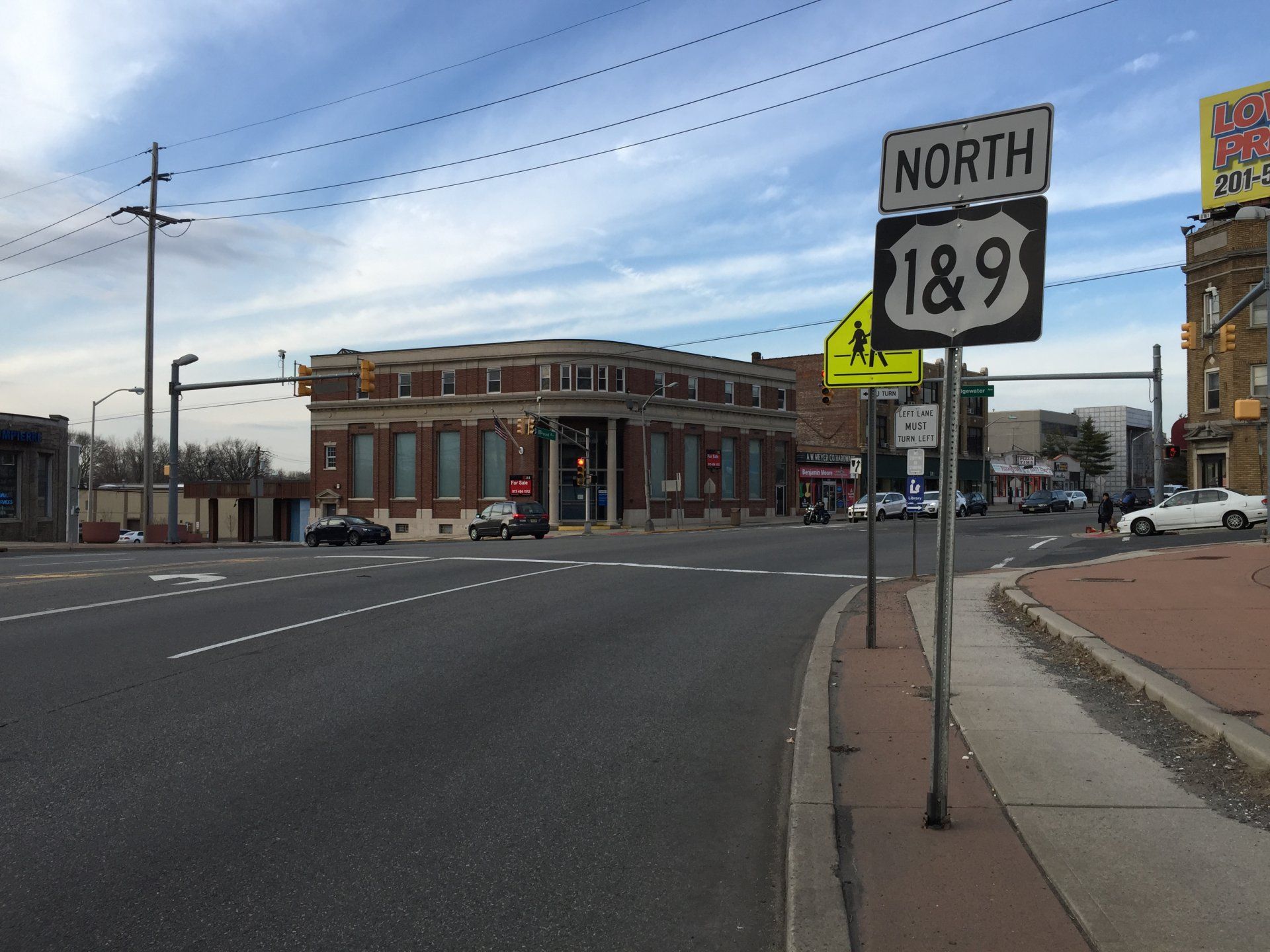
Ridgefield, New Jersey

Location:
Ridgefield, NJ

Welcome to Ridgefield

Situated along the western edge of Bergen County, Ridgefield, New Jersey is a compact borough of roughly two square miles that sits directly across the Hudson River from upper Manhattan — a geographic advantage that shapes nearly everything about life here. Unlike its larger neighbors such as Fort Lee or Hackensack, Ridgefield maintains a distinctly residential character, with tree-lined streets and a tight-knit atmosphere that larger Bergen County municipalities simply cannot replicate at the same scale.

The borough's position along the Palisades corridor gives residents exceptional access to New York City via the New Jersey Transit bus network, making it a practical choice for commuters who want suburban living without sacrificing proximity to the city. Families are drawn in part by the Ridgefield School District, which serves the community through dedicated public schools at the elementary and middle levels before students continue on to Ridgefield Memorial High School.

With continued investment in Bergen County infrastructure and its unbeatable location between the Palisades and the Hudson, Ridgefield offers buyers and investors a rare combination of accessibility, community scale, and long-term value that only grows more compelling as the New York metropolitan area continues to expand.


Community Profile

Tucked into Bergen County just minutes from the George Washington Bridge, this compact community of 11,498 residents punches well above its weight when it comes to economic strength and diversity. The median household income here reaches $118,059 — well above the national median of roughly $75,000 — and a remarkable 57.9% of households earn six figures or more, reflecting a professionally accomplished population that has chosen Ridgefield for its balance of accessibility and neighborhood character.

The community skews toward established family life, with a median age of 39.8 years, a marriage rate of 52.5%, and an average family size of 3.24 people. Nearly 21% of residents are under 20, signaling a healthy pipeline of young families — exactly the kind of demographic energy that sustains local schools and community institutions. Those families are well-credentialed: 46.5% hold at least a bachelor's degree, and a notable 38.9% of degree holders earned credentials in STEM fields, reflecting the technical and professional workforce that Bergen County's proximity to New York City tends to attract.

One of the most compelling draws for anyone exploring homes for sale in Ridgefield, NJ is the commute profile — an average of just 31.6 minutes puts Manhattan and Newark well within reach without sacrificing suburban comfort. Home values have responded accordingly, with a median of $654,153, nearly double the national benchmark, yet the poverty rate remains a low 5.1%. Perhaps most distinctive is the borough's rich cultural tapestry: residents identify as White (40.0%), Hispanic or Latino (37.8%), Asian (22.1%), and multiracial (19.5%), making Ridgefield one of Bergen County's most genuinely multicultural communities.

Things to Do

Outdoor Recreation

Ridgefield's compact but well-maintained park system gives residents plenty of room to breathe. Veterans Memorial Park is a community favorite, offering open green space ideal for casual recreation and neighborhood gatherings. The borough's position along the Hudson County–Bergen County corridor means that larger regional destinations — including the vast trail networks and waterfront promenades of the Palisades Interstate Park — are just a short drive away. The dramatic cliffs of the Palisades themselves form a stunning natural backdrop to everyday life here, and many residents make weekend trips to explore the ridge trails overlooking the Hudson River.

Dining & Local Flavor

Ridgefield's dining scene reflects the rich cultural diversity that defines Bergen County. The borough's commercial corridors are lined with Korean, Chinese, and Latin American eateries, family-run diners, and casual spots serving everything from fresh sushi to hearty comfort food. The proximity to Fort Lee — just minutes away — dramatically expands the culinary options, with that neighboring community's renowned concentration of Korean restaurants and international cuisine easily accessible. Whether you're grabbing a quick lunch or settling in for a leisurely dinner, flavorful, affordable options are never far.

Shopping & Everyday Conveniences

Ridgefield's main commercial strips offer a practical mix of grocery stores, specialty shops, and everyday services. For larger retail experiences, residents frequently head to nearby Palisades Center or the shopping corridors of Route 4 and Route 17, both reachable within fifteen to twenty minutes. The borough's walkable neighborhood character means many daily errands can be handled close to home.

Arts, Culture & Family Activities

The borough's location within the greater New York metropolitan area puts world-class cultural institutions within easy reach. Manhattan's museums, theaters, and concert halls are accessible via the George Washington Bridge in under thirty minutes, making Ridgefield an ideal base for culture seekers. Locally, community events, seasonal festivals, and youth sports leagues organized through the borough's recreation department keep families engaged throughout the year. Summer evenings often bring neighbors together at local parks for outdoor activities, reinforcing the tight-knit character that makes this small Bergen County borough feel like a genuine community rather than just a suburb.

Latest Properties in Ridgefield

Loading...

Loading latest properties...

See All Properties in Ridgefield

History

From Dutch Farmland to Bergen County Suburb

Ridgefield, New Jersey sits in Bergen County along the western bank of the Hudson River, and its history follows the arc common to many northeastern New Jersey communities — from colonial-era settlement to industrial corridor to sought-after residential borough. The area was originally inhabited by the Lenape people before Dutch and later English settlers arrived in the 17th century, drawn by the fertile lowlands and proximity to the river. Bergen County was among the earliest organized counties in New Jersey, established in 1683, and the land that would become Ridgefield was part of that original colonial fabric.

Ridgefield was formally incorporated as a borough in 1892, carved out during the wave of municipal incorporations that swept Bergen County in the late 19th century as population growth and local identity demanded more defined governance. Its position between the Hudson waterfront and the Palisades ridge shaped its development — industry and commerce hugged the lower elevations near the river, while residential streets climbed toward quieter ground above.

The mid-20th century brought significant demographic change, as postwar families sought affordable alternatives to New York City. Ridgefield's housing stock reflects this era clearly: modest single-family homes and two-family residences built during the 1940s through 1960s line many of the borough's streets today, giving the community its characteristic working- and middle-class character. That same density and architectural consistency now appeals to buyers priced out of neighboring Palisades Park or Fort Lee, who find in Ridgefield genuine value within easy reach of the George Washington Bridge and Manhattan commuter routes.

Weather

Four Seasons in the Garden State's Northeast Corner

Ridgefield, New Jersey experiences a humid continental climate, shaped by its position in Bergen County just across the Hudson River from New York City. This geography places the borough in a transitional zone where Atlantic coastal air moderates temperatures somewhat, but continental air masses still drive distinct, fully realized seasons throughout the year.

Summers are warm and humid, with daytime highs typically reaching the mid- to upper 80s°F and overnight lows settling in the mid-60s. The proximity to the Hudson and the urban heat influence of the greater New York metropolitan area can push heat and humidity noticeably higher during July and August. Winters are cold but not extreme, with average highs in the mid-30s°F and lows dipping into the low-to-mid 20s. Snowfall is a regular seasonal feature, though coastal proximity means some winter precipitation falls as rain or mixed precipitation rather than pure snow.

Annual precipitation is fairly evenly distributed across all seasons, averaging roughly 45–50 inches per year, with no pronounced dry season. Nor'easters can deliver significant snow or rain events in late winter and early spring.

For real estate purposes, these conditions have real implications. Heating costs matter — homes need efficient furnaces and well-insulated envelopes to handle sustained cold snaps. Air conditioning is a practical necessity through summer. Homeowners should budget for seasonal maintenance including roof inspections, gutter clearing, and weatherproofing, while the mild shoulder seasons of spring and fall reward those with outdoor living spaces, gardens, and decks.

Ridgefield Market Analytics

The Ridgefield housing market is showing signs of stability and growth, with the average home value increasing by 7.2% over the past year to $778,380, according to data analyzed by Opulist. This suggests that the market is balancing out, with a moderate pace of sales and a limited inventory of homes for sale, which currently stands at 15. As a buyer or seller in this market, it's essential to work with a knowledgeable agent who can help you navigate these trends and make informed decisions.


1-Year Home Value Change: +7.2%

Ridgefield Home Value Index over time.

Can I Afford Ridgefield?
$
%
$0
Est. Monthly Payment
$0/yr
Salary Required

*Principal & interest only. Salary based on 28% debt-to-income ratio.

Get Pre-Approved for Ridgefield