
Ridgefield Park, New Jersey

Location:
Ridgefield Park, NJ

Welcome to Ridgefield Park

Incorporated on June 15, 1892, Ridgefield Park is a village in Bergen County that sits along the west bank of the Hackensack River, roughly eight miles from Midtown Manhattan. At just 1.91 square miles, it packs a population of more than 13,000 residents into a compact, dense suburban landscape that feels meaningfully different from its larger neighbors — where Teaneck and Hackensack spread across far greater footprints, Ridgefield Park retains a tight-knit, walkable scale that larger Bergen County towns simply cannot replicate.

The village's Fourth of July Parade, established in 1894, is recognized as one of the longest continuously running Independence Day celebrations in New Jersey — a tradition that speaks to the community's deep civic pride. Commuters benefit from direct access to the broader New York metropolitan transit network, and the proximity to Interstate 95 and the George Washington Bridge makes the village equally practical for drivers. The Ridgefield Park School District serves the village's families from elementary through high school, all within this compact geography.

With a median household income of $98,184 and a median home price of $459,400, Ridgefield Park offers genuine value for buyers seeking Bergen County's connectivity without its steepest price tags — making it a compelling choice for anyone planting roots close to New York City.


Community Profile

Tucked into Bergen County along the Hackensack River, this compact village of 13,235 residents punches well above its weight when it comes to economic vitality. The median household income here reaches $100,718 — well above the national median of roughly $75,000 — and a remarkable 50.5% of households earn six figures or more. That prosperity is built on dual-income hustle: 56.2% of families have two earners bringing home paychecks, reflecting a community of motivated, working adults.

The age profile tells a story of genuine balance. At a median age of 39.6 years, Ridgefield Park sits right at the national average, but its population spreads across every life stage in healthy proportions — nearly a quarter of residents are under 20, making it a community where young families are a real and visible presence. The average family size of 3.13 people reinforces that this is a place where households are growing, not shrinking.

One of the village's most compelling attributes is its diversity. With a Hispanic/Latino population of 50% and residents representing a wide range of backgrounds, Ridgefield Park has the vibrant, multicultural energy that defines the best of northern New Jersey. For buyers exploring homes for sale in Ridgefield Park NJ, the housing market reflects genuine value: a median home value of $497,719 buys into the New York metro area at a fraction of Manhattan prices, with an average commute of just 27.3 minutes keeping the city well within reach.

Things to Do

Outdoor Recreation

Despite its compact footprint of less than two square miles, Ridgefield Park offers residents meaningful green space and riverfront access. Overpeck County Park, one of Bergen County's largest and most beloved parks, sits right at the village's doorstep, offering walking and cycling trails, athletic fields, picnic areas, and scenic views along the Hackensack River corridor. The park is a genuine four-season destination — joggers and cyclists fill the paths in warmer months, while the open meadows and wetlands attract birdwatchers year-round. The Hackensack River itself, which forms the village's eastern boundary, adds a natural, waterfront character that belies the area's dense suburban setting.

Community Traditions & Annual Events

Ridgefield Park takes its community traditions seriously. The village's Fourth of July Parade, established in 1894, holds the distinction of being one of the longest continuously celebrated Independence Day parades in the entire country — and the longest running in New Jersey. Every year, the streets fill with floats, marching bands, and multigenerational families who have watched this parade for decades. It's the kind of event that defines a community's identity, and in Ridgefield Park, it genuinely does.

Dining & Local Flavor

The village's vibrant Hispanic and Latino community — nearly half the population — has shaped a remarkably diverse dining scene for a town of its size. Main Avenue serves as the commercial spine of the village, lined with family-owned restaurants, bakeries, and specialty food shops reflecting Latin American, Asian, and classic American influences. Whether you're looking for a casual weeknight dinner or weekend brunch, the local dining culture rewards exploration.

Day Trips & Regional Attractions

Ridgefield Park's location is genuinely hard to beat for access to the broader region. Manhattan is roughly 8 miles east, reachable by bus or a quick drive across the George Washington Bridge. The Meadowlands sports and entertainment complex is minutes away, and the shopping corridors of Hackensack and Paramus — home to some of New Jersey's most extensive retail — are easily accessible. For families, the combination of local parks, community events, and proximity to world-class city attractions makes everyday life here feel both grounded and connected.

Latest Properties in Ridgefield Park

Loading...

Loading latest properties...

See All Properties in Ridgefield Park

History

From Lenape Lands to Commuter Village

The land that became Ridgefield Park has been shaped by water and transit for centuries. The Hackensack subtribe of the Lenni Lenape fished and hunted along the Hackensack River and Overpeck Creek long before European contact. English land patents arrived in 1669, when Captain John Berry received 2,000 acres between the Hackensack River and Overpeck Creek, and Hendrick Brinkerhoff established the first permanent European settlement in 1685 on 200 acres along the same waterways. Dutch, Huguenot, and English farming families followed, with the Demarests and Bantas among those who patented large tracts through the 18th century.

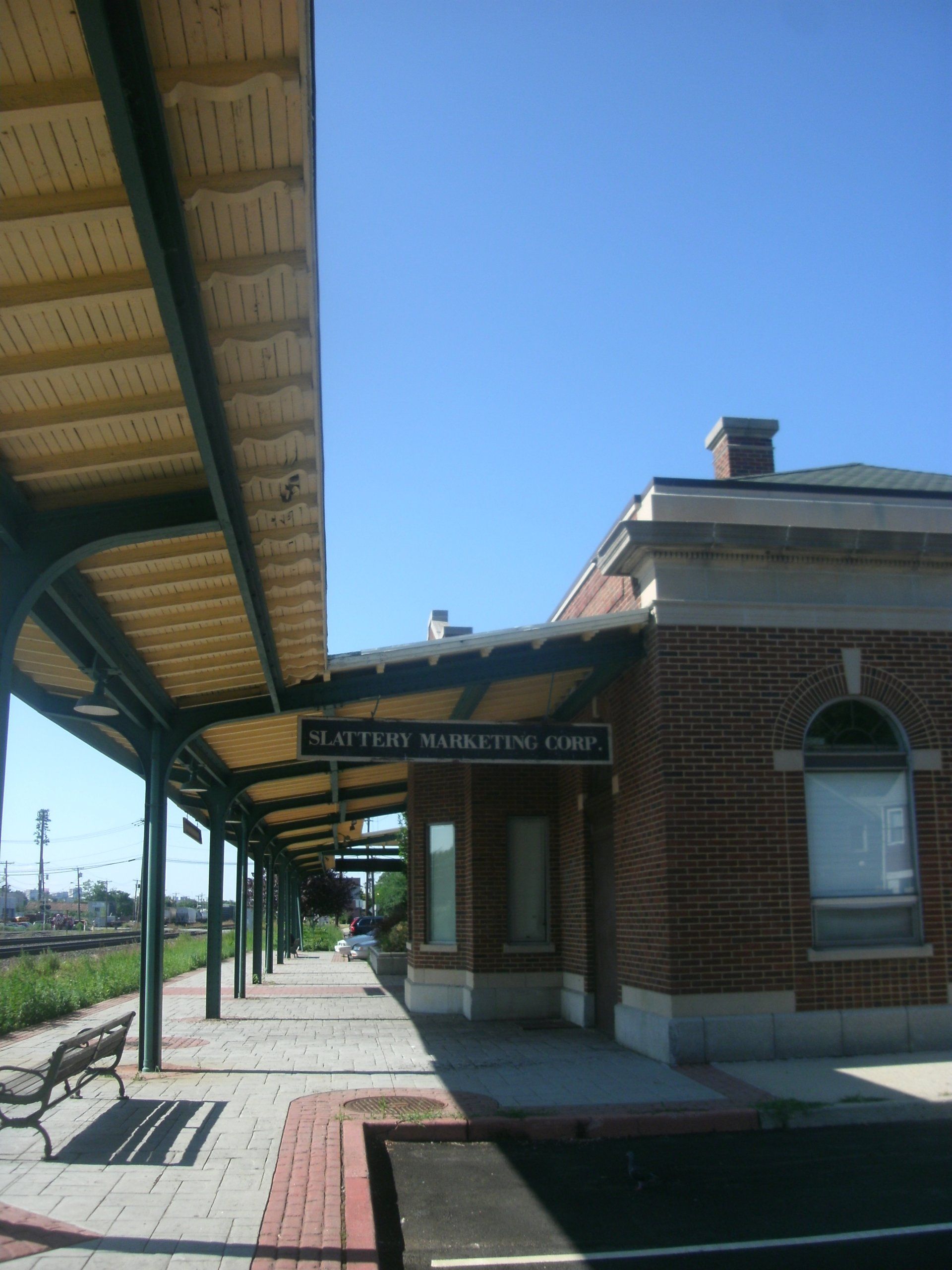
The village's modern identity was born from the railroad. When the Northern Railroad of New Jersey initiated service in 1859, land speculators began subdividing old farm holdings for residential use. By 1910, Ridgefield Park had become the second-largest railroad commuting community on any New York City rail line — a distinction that speaks directly to the dense, transit-oriented character still visible in its housing stock today. The village formally incorporated on June 15, 1892, after residents voted to separate from Ridgefield Township and govern their own schools, roads, and taxes.

The completion of the George Washington Bridge in 1931 deepened the village's commuter identity, and postwar suburbanization pushed population to a peak of nearly 14,000 by 1970. The modest single-family homes and small apartment buildings built during those decades still define most of Ridgefield Park's streetscapes. Today, with a median home price of $459,400 and a location just eight miles from Midtown Manhattan, the village continues to attract buyers who value that same fundamental equation — urban access at a suburban price — that has defined Ridgefield Park since the first commuter train pulled away from its station over 150 years ago.

Weather

Ridgefield Park experiences a humid continental climate, the classification typical of the northeastern New Jersey lowlands. Situated in Bergen County just a few miles west of the Hudson River, the village benefits from a modest moderating influence from the surrounding metropolitan landscape and nearby waterways, including the Hackensack River along its eastern edge.

Summers are warm and humid, with daytime highs typically ranging from the mid-80s°F and overnight lows settling in the upper 60s. July is the hottest month, and the combination of heat and humidity can make extended stretches feel oppressive. Winters are cold but not extreme by northeastern standards — January highs generally hover in the mid-30s°F, with overnight lows dipping into the teens and low 20s during the coldest stretches. Snowfall is a reliable seasonal feature, averaging roughly 25–30 inches annually, though nor'easters can occasionally deliver significantly more.

Precipitation is fairly well distributed throughout the year, averaging around 46–50 inches annually, with no pronounced dry season. Spring and fall are transitional and generally pleasant, making them the most comfortable periods for outdoor activity.

For homeowners in Ridgefield Park, the climate has practical real estate implications: homes require capable heating systems for winter and air conditioning for summer, contributing to year-round energy costs. Seasonal maintenance — roof inspections after heavy snow, gutter clearing in fall, and exterior upkeep ahead of freeze-thaw cycles — is a routine consideration for property owners in the village.

Ridgefield Park Market Analytics

The Ridgefield Park housing market is showing signs of stability and moderate growth, with the average home value increasing by 0.9% over the past year to $569,192, according to data analyzed by Opulist. This suggests that the market is balancing, with neither buyers nor sellers having a significant advantage. The median list price of $606,333 also indicates a relatively strong market, with homes likely to sell for close to their listed price, making it a good time for buyers and sellers to engage with the market.


1-Year Home Value Change: +0.9%

Ridgefield Park Home Value Index over time.

Can I Afford Ridgefield Park?
$
%
$0
Est. Monthly Payment
$0/yr
Salary Required

*Principal & interest only. Salary based on 28% debt-to-income ratio.

Get Pre-Approved for Ridgefield Park