
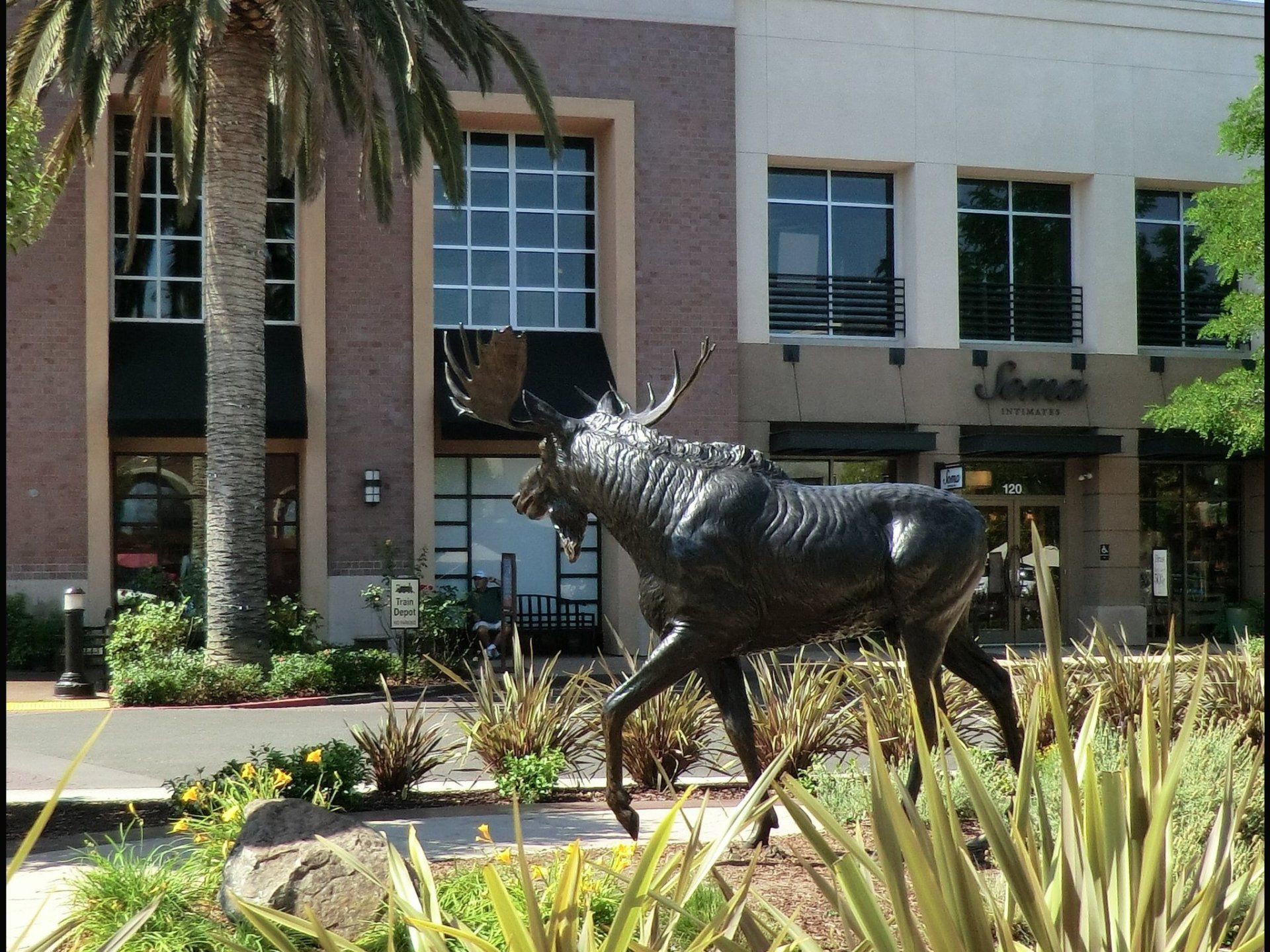
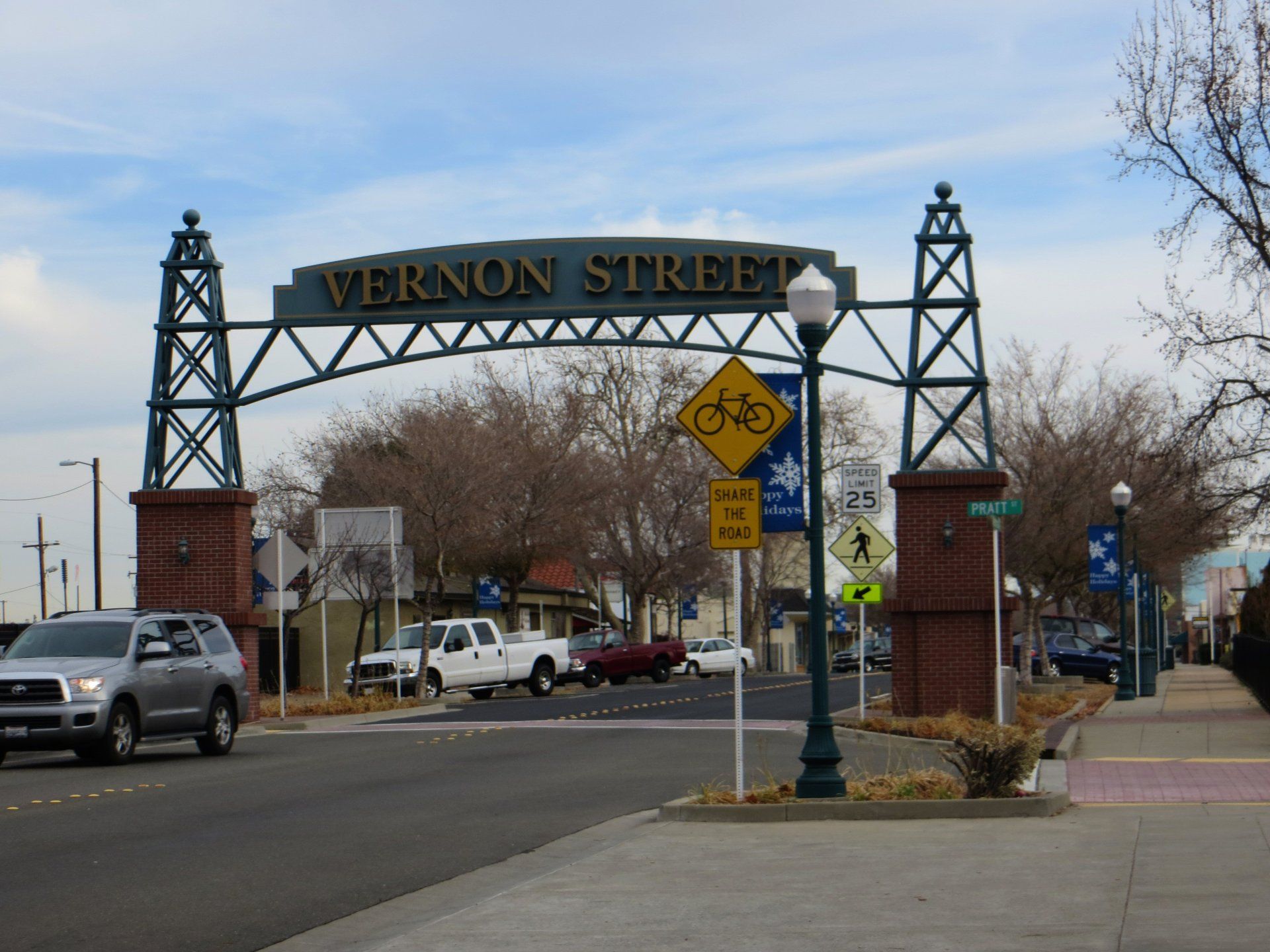
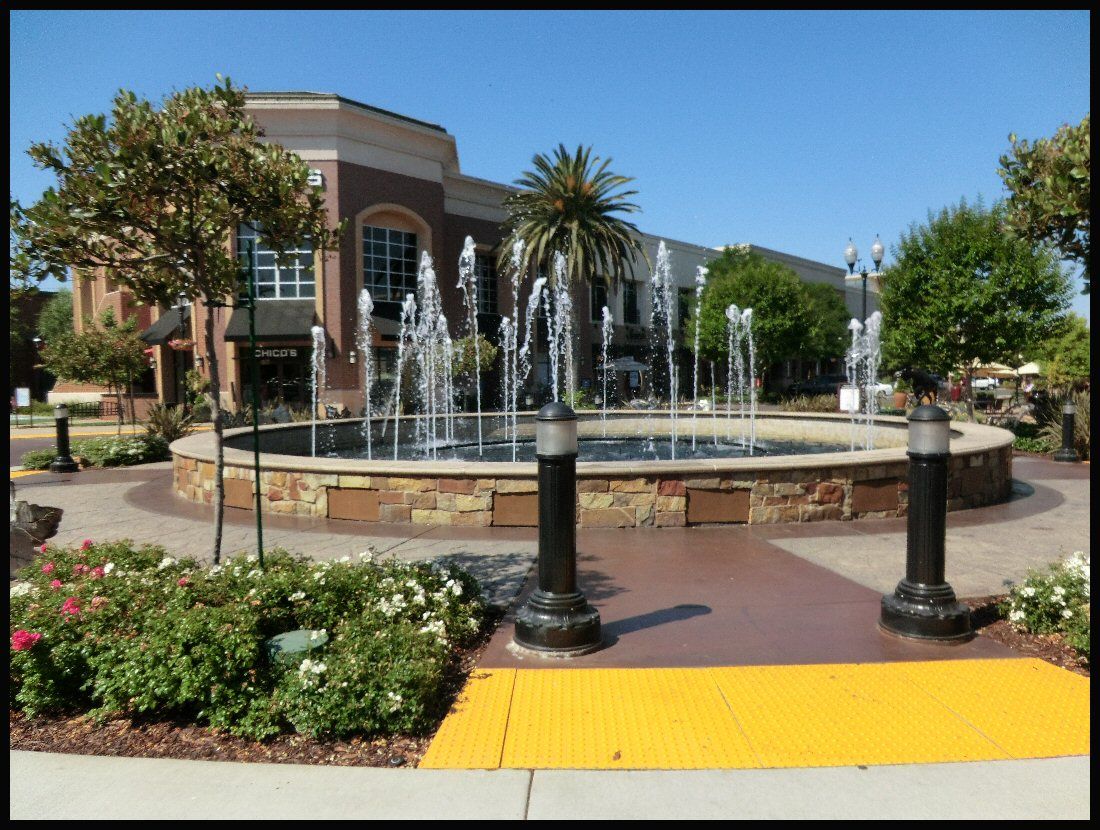
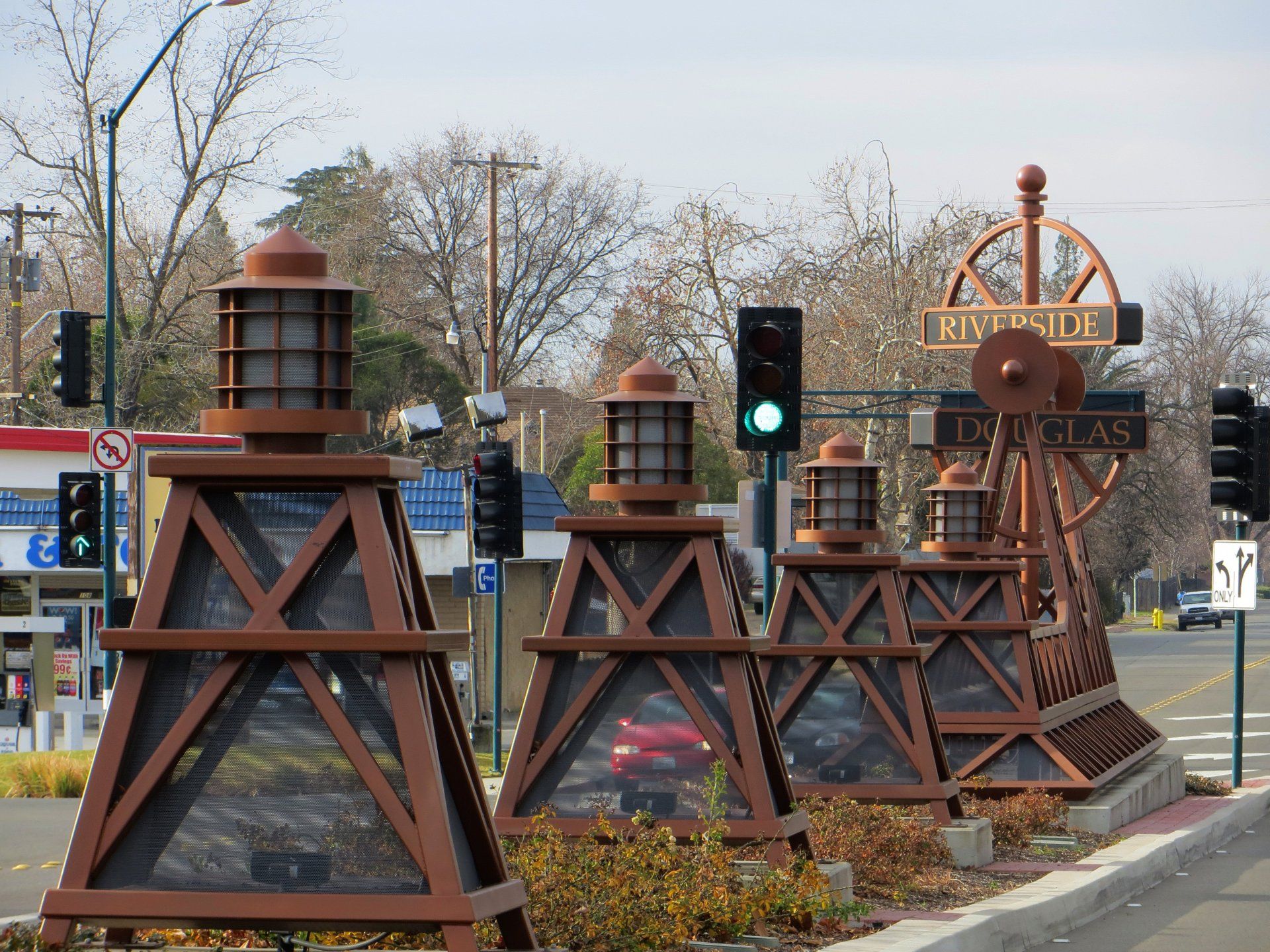
Incorporated on April 10, 1909, Roseville, California sits in Placer County about 16 miles northeast of Sacramento, and today it stands as the county's most populous city with nearly 148,000 residents spread across 44 square miles. What sets Roseville apart from neighboring communities like Rocklin and Elk Grove is a rare combination: a median household income well above $117,000, a deeply rooted railroad history that shaped its downtown grid, and a modern commercial core anchored by the Westfield Galleria at Roseville, one of the region's premier shopping destinations. Families consistently seek out the area for its highly regarded schools within the Roseville City School District, while commuters appreciate direct access via Interstate 80, keeping Sacramento's job market within easy reach. The city's hot-summer Mediterranean climate, ongoing downtown revitalization along Vernon Street, and proximity to Folsom Lake's outdoor recreation make it a genuinely compelling place to put down roots. For anyone exploring homes for sale in Roseville CA, this is a city whose best years are clearly still ahead.
Welcome to Roseville
Community Profile
Nestled in Placer County at the northeastern edge of the Sacramento metro, this thriving city of 155,955 residents punches well above its weight when it comes to economic vitality. The median household income here stands at a remarkable $119,288 — nearly 60% higher than the national median — and an impressive 56.8% of households clear the six-figure mark, reflecting a community of established professionals and dual-income families who have planted deep roots here. That stability shows up in the homeownership rate of 68.8%, which edges above the national average and signals a neighborhood culture built around long-term investment rather than transience.
The educational profile is equally compelling. 44.3% of residents hold at least a bachelor's degree — well ahead of the national figure of roughly 33% — and nearly half of all degree holders studied a STEM field, a testament to the tech and healthcare corridors that have grown up along the Interstate 80 and Highway 65 corridors. Families with school-age children will find themselves among plenty of peers: a median age of 40.2 years, a married-couple rate of 55.1%, and an average family size of 3.14 paint a picture of a community in full family-formation mode. The poverty rate of just 5.9% and an uninsured rate of 3.1% — among the lowest you'll find anywhere in California — round out a profile that makes browsing homes for sale in Roseville, CA feel less like a search and more like a sound life decision. With an average commute of only 27.3 minutes, residents enjoy genuine access to Sacramento's job market without sacrificing the quieter, suburban pace that defines daily life here.
Things to Do
Outdoor Recreation
Roseville's Mediterranean climate — warm, sun-drenched summers and mild winters — makes it an ideal base for year-round outdoor activity. Mahany Park is one of the city's most beloved green spaces, featuring sports fields, a splash pad, and open lawns that draw families throughout the week. For more ambitious adventures, Folsom Lake State Recreation Area sits just a short drive to the south, offering boating, swimming, hiking, and fishing along its sprawling reservoir. The Sierra Nevada foothills are equally accessible, making weekend escapes to trails and mountain scenery a regular part of life for Roseville residents. Closer to home, the city's network of creek trails — winding along Dry Creek and Cirby Creek — provides pleasant routes for cyclists and walkers alike.
Shopping & Dining
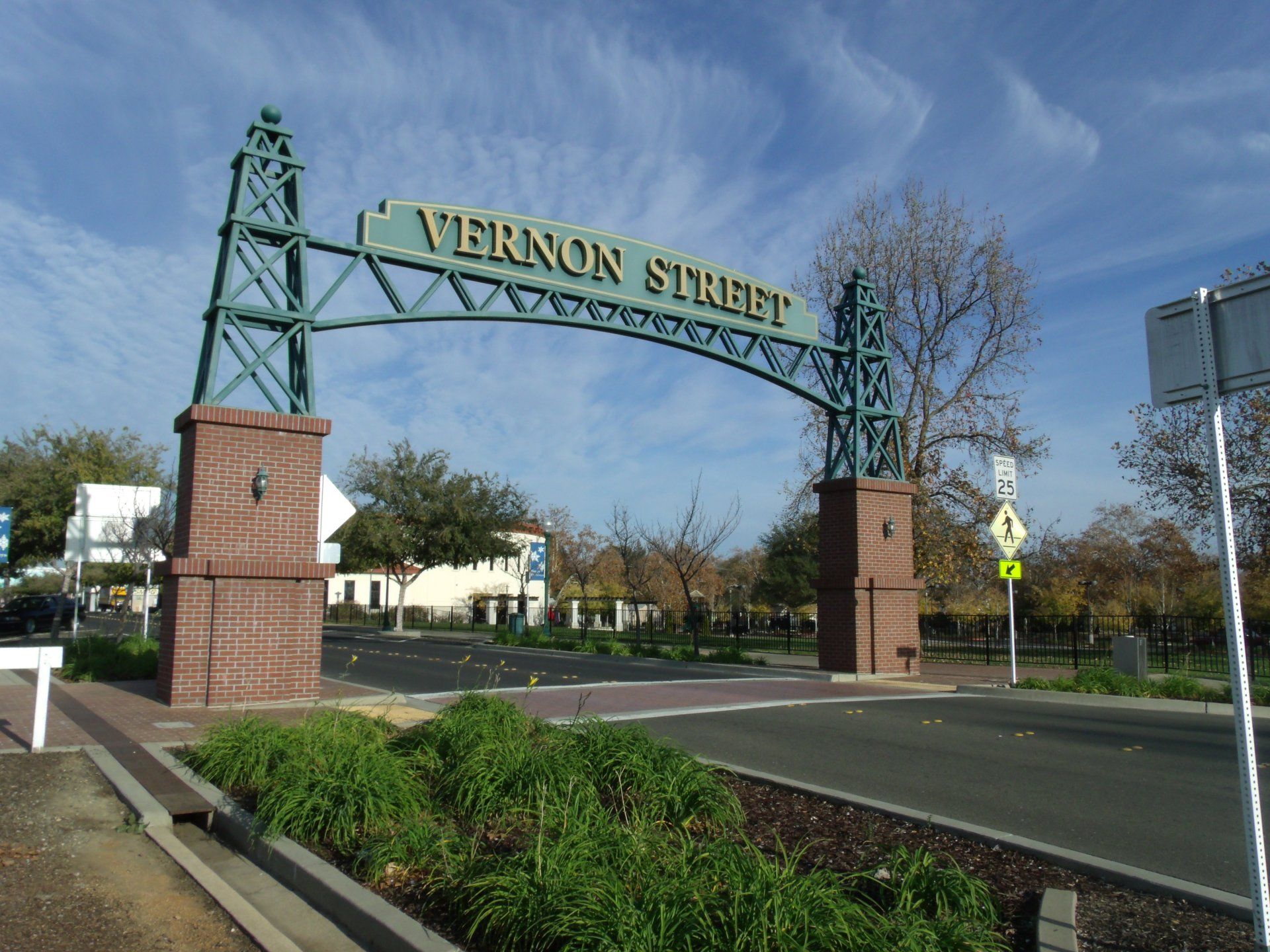
Roseville has earned a regional reputation as a serious shopping destination. The Westfield Galleria at Roseville anchors the city's retail scene with hundreds of stores and dining options, drawing visitors from Sacramento and the surrounding foothills communities. The Fountains at Roseville, an open-air lifestyle center nearby, offers a more relaxed atmosphere with upscale shops and restaurants in a walkable, al fresco setting. Downtown along Vernon Street, a revitalized historic corridor features local eateries, boutiques, and the charming Vernon Street Town Square — a gathering spot with a small stage and a children's water spray feature that hosts community events throughout the year.
Arts & Culture
Roseville's cultural offerings reflect its growing, community-minded character. The Carnegie Museum, housed in a beautifully preserved historic building, offers a window into the city's railroad heritage and local history. The Roseville Arts! Blueline Gallery, which opened in 2008 as part of the city's downtown revitalization effort, showcases rotating exhibitions by regional artists and supports a vibrant local arts community. The Tower Theatre adds to the city's cultural fabric as a distinctive landmark in the area.
Family Activities & Community Events
Families exploring houses for sale in Roseville CA will find no shortage of things to keep everyone busy. Vernon Street Town Square regularly hosts farmers markets, live music, and seasonal festivals. The city's parks system is extensive, and community events throughout the year — from summer concerts to holiday celebrations — reinforce Roseville's reputation as one of the Sacramento region's most livable and welcoming cities.
Latest Properties in Roseville
Loading latest properties...
History
From Railroad Junction to Boomburb
Roseville's story begins not with a founding vision but with a collision of rail lines. In 1864, the Central Pacific Railroad laid tracks northeast from Sacramento as part of the transcontinental railroad, and the point where those tracks intersected the California Central Railroad became known simply as "Junction." That name eventually gave way to Roseville, and the settlement's fate was tied to steel rails for the better part of a century.
The city incorporated on April 10, 1909, just three years after the Southern Pacific Railroad relocated its facilities from nearby Rocklin. What followed was a burst of construction — more than 100 new structures went up, including the Pacific Fruit Express building in 1913, which housed what was then the largest ice manufacturing plant in the world. By 1929, the railroad employed roughly 1,225 of Roseville's 6,425 residents. The rail yards grew even busier during World War II, cementing the city's industrial identity.
The postwar decades brought disruption. Interstate 80's completion in 1956 pulled commercial energy eastward, and the old downtown north of the tracks fell into a long decline. But those same highways opened Roseville to suburban expansion. Hewlett-Packard arrived in 1979 and NEC in 1983, seeding a technology economy that accelerated population growth from roughly 29,000 in 1985 to over 74,000 by 2000. A downtown revitalization effort launched in 1988 gradually restored historic corridors along Vernon Street.
Today, with nearly 148,000 residents spread across 44 square miles, Roseville is the most populous city in Placer County. That layered past — railroad grit, postwar suburbia, tech-era expansion — directly shapes the houses for sale in Roseville, CA that buyers encounter today, from historic-core bungalows to the master-planned communities that define its newer eastern edges.
Weather
Sun, Heat, and Mild Winters: Roseville's Year-Round Climate
Roseville, California experiences a hot-summer Mediterranean climate (Köppen Csa), defined by long, dry, intensely warm summers and cool, wet winters. Situated about 16 miles northeast of Sacramento at a modest elevation in the Sierra Nevada foothills, Roseville sits just far enough inland to feel slightly more extreme than the capital city — summers run a touch hotter and winters a touch cooler, though some Pacific marine influence still moderates conditions compared to deeper Central Valley locations.
Summer is the dominant season here. From June through September, afternoon highs routinely climb into the 95–105°F range, with occasional spikes beyond that on the hottest days. Nights offer partial relief, typically dropping into the mid-60s°F. Winters are mild and pleasant by most standards — daytime highs generally hover in the 50s°F, with overnight lows dipping into the upper 30s. Snowfall is rare to nonexistent at Roseville's elevation, though the Sierra Nevada mountains visible to the east receive heavy snowpack nearby.
The wet season runs roughly October through April, delivering the majority of the year's rainfall, while summers are almost entirely dry. This pronounced dry season shapes the landscape and lifestyle considerably.
For anyone browsing homes for sale in Roseville CA, climate is a practical consideration. Central air conditioning is essentially a necessity, making cooling costs a meaningful budget item. Outdoor living spaces — patios, pools, and covered pergolas — are enormously popular and add real value to local properties. Winter maintenance demands are minimal, with no snow removal required, though the dry summers call for fire-resistant landscaping and diligent irrigation planning.
Roseville Market Analytics
Can I Afford Roseville?
Weather