
Rutgers University-Busch Campus, New Jersey

Location:
Rutgers University-Busch Campus, NJ

Welcome to Rutgers University-Busch Campus

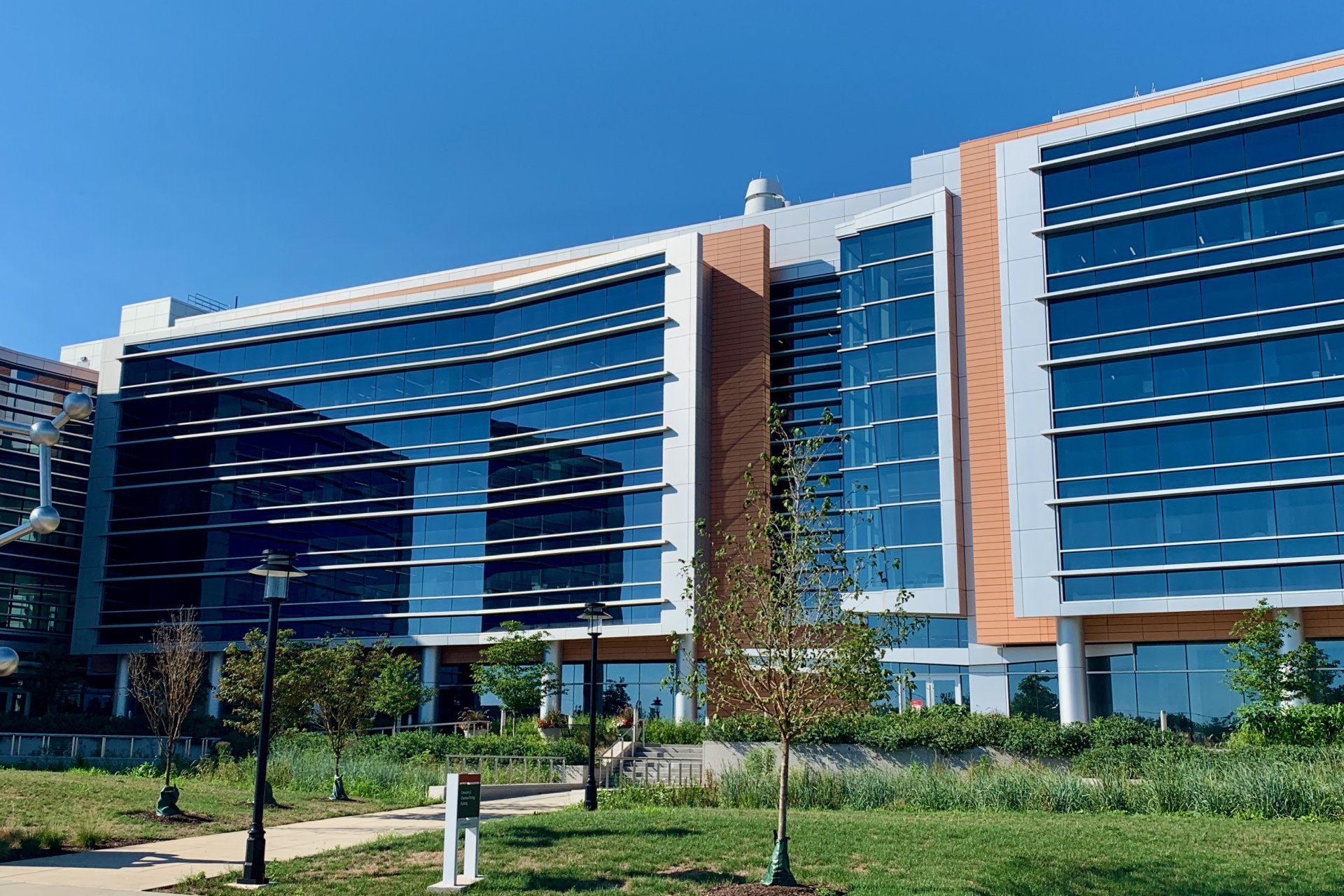
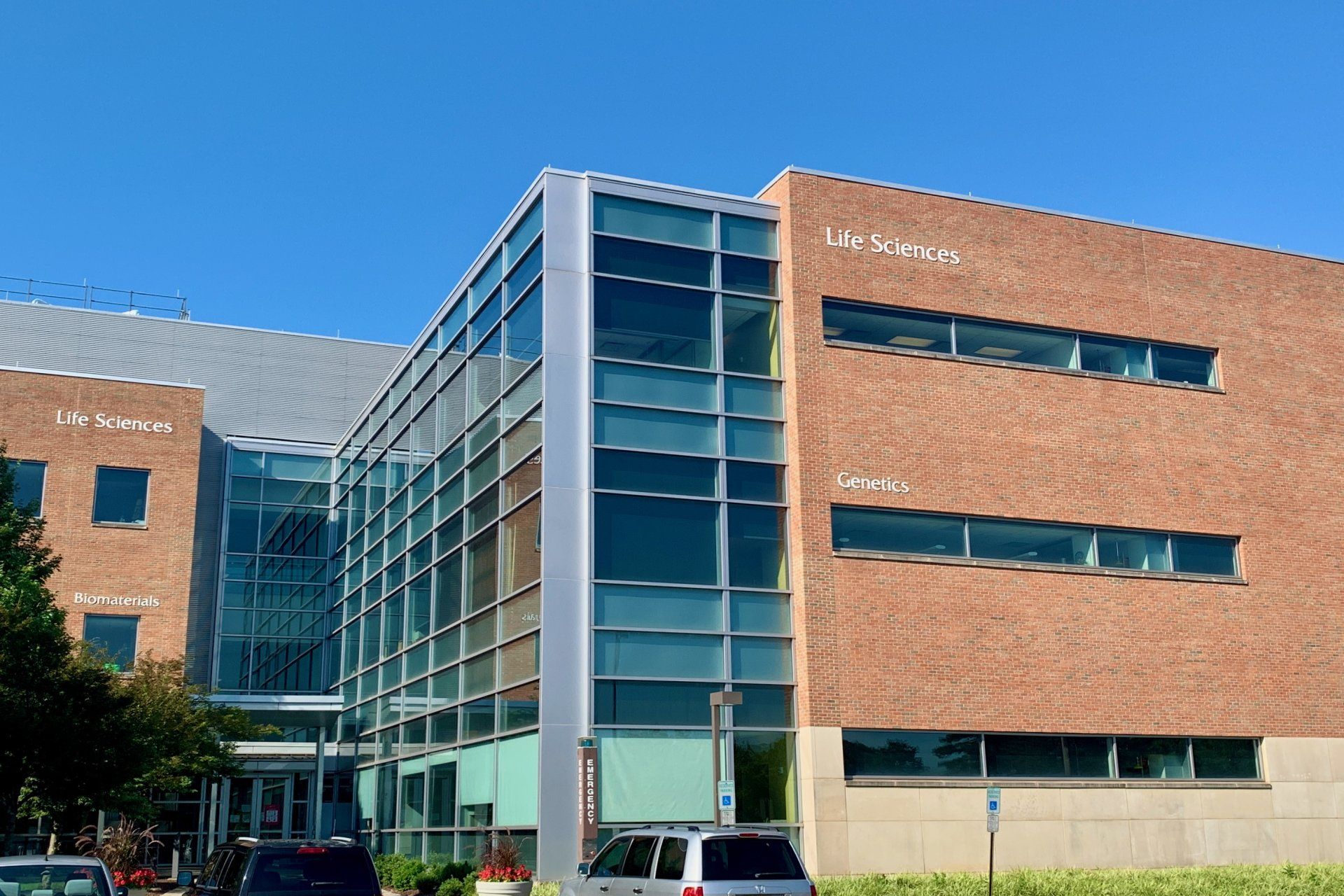
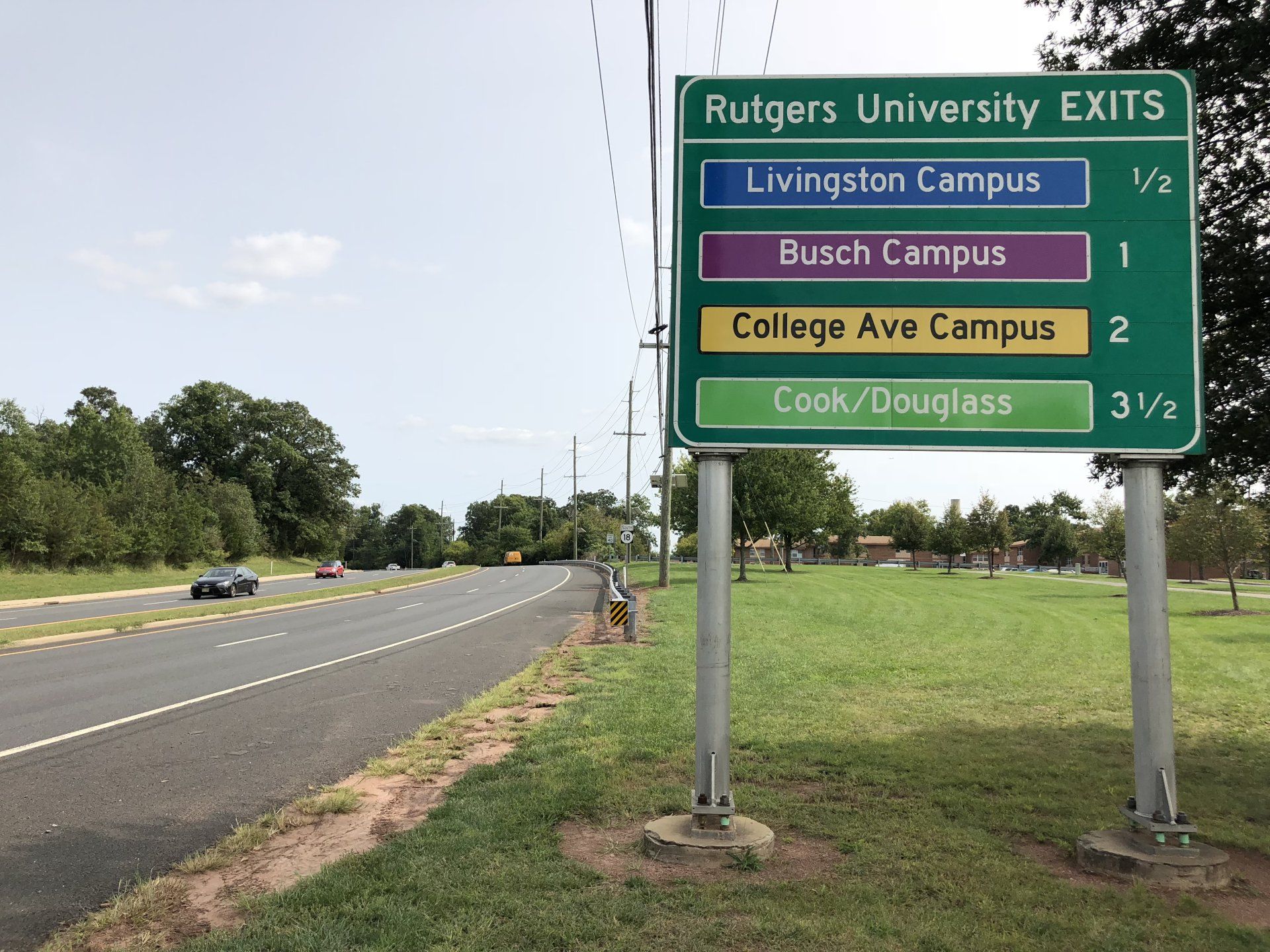
Situated entirely within Piscataway Township in Middlesex County, the Rutgers University-Busch Campus census-designated place spans just 1.22 square miles along the Raritan River corridor — yet packs in one of the most scientifically significant academic environments on the East Coast. Named for Charles L. Busch, an Edgewater millionaire whose unexpected 1971 bequest of $10 million launched the campus's biological research mission, Busch Campus stands apart from neighboring Rutgers sub-campuses through its singular focus on the natural sciences, engineering, pharmacy, and mathematics.

Where other parts of the greater New Brunswick area offer primarily commercial or residential character, Busch Campus delivers direct access to world-class research institutions, including the Waksman Institute of Microbiology — named for Nobel laureate Selman Waksman — and the Center for Advanced Biotechnology and Medicine. The Rutgers Golf Course, an Audubon-certified 18-hole public course established in 1963, adds unexpected recreational depth to this compact community. For buyers and investors drawn to proximity to major research universities, a highly educated residential population, and the continued expansion of Rutgers' academic and medical footprint, Busch Campus represents a compelling long-term opportunity in one of New Jersey's most intellectually dynamic addresses.


Community Profile

Few communities in New Jersey carry the intellectual energy found on Rutgers University's Busch Campus, and the demographics reflect that identity in striking fashion. With a median age of just 20 years and fully 94.8% of residents between the ages of 10 and 29, this is one of the youngest communities in the entire country — a vibrant, ideas-driven enclave nestled in Middlesex County within the greater New York–Newark–Jersey City metro area. The academic concentration is extraordinary: 87.8% of residents hold a bachelor's degree or higher — nearly three times the national average of 33% — and an impressive 45.1% have earned a graduate degree. Perhaps most remarkable is that 73.2% of residents hold STEM degrees, reflecting Busch Campus's well-known concentration of science, engineering, and research facilities.

The community's 5,920 residents enjoy a remarkably short average commute of just 15.6 minutes, a meaningful advantage for anyone living and working within the campus ecosystem. The uninsured rate of only 3.0% speaks to strong institutional health coverage, and a poverty rate of 0% underscores the economic stability that comes with being embedded in a major research university. The population is genuinely diverse, with Asian (10.2%), Hispanic/Latino (9.2%), and multiracial (5.7%) residents contributing to a richly multicultural campus community. For those connected to Rutgers — whether as faculty, graduate researchers, or university staff — this compact, intellectually charged corner of central New Jersey offers an unmatched live-work environment defined by curiosity, collaboration, and academic ambition.

Things to Do

Outdoor Recreation

The crown jewel of outdoor recreation on Busch Campus is the Rutgers Golf Course, an 18-hole public course spanning 6,337 yards of rolling terrain, mature trees, and water hazards. Designed by Hal Purdy and established in 1963, the course is open to students, faculty, and the general public alike. It holds certification from the Audubon Cooperative Sanctuary Program, reflecting a genuine commitment to environmental stewardship. Whether you're a seasoned golfer or a beginner looking to practice on the driving range, this scenic course offers something for every skill level. Beyond golf, the sprawling campus grounds — set along the Raritan River corridor in Piscataway — invite jogging, cycling, and casual outdoor walks through a landscape that still echoes its former life as a country club.

Sports & Fitness

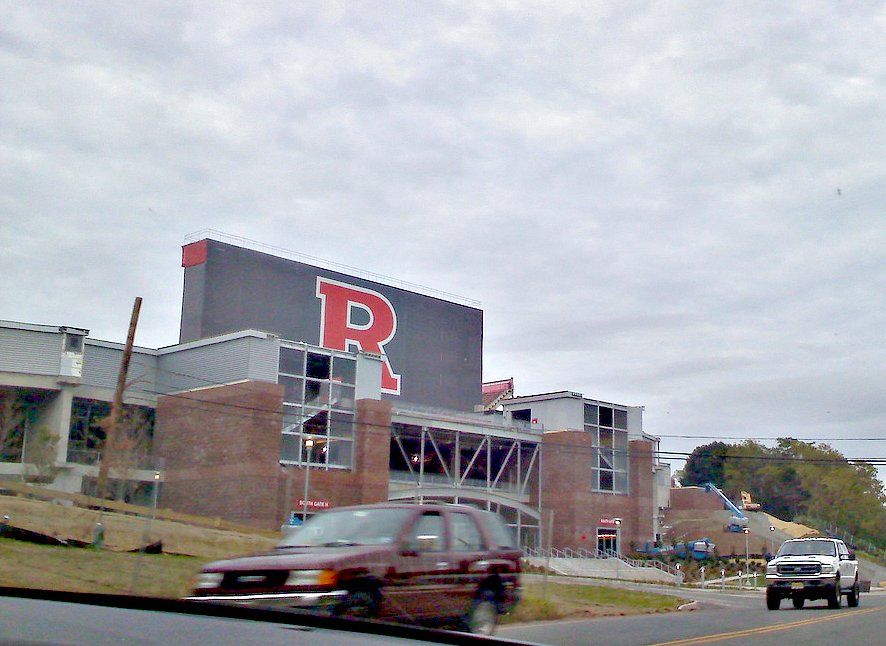
The Sonny Werblin Recreation Center is one of the finest campus recreation facilities in the region, offering pools, courts, fitness equipment, and group exercise classes. For spectators and fans, SHI Stadium hosts Rutgers Scarlet Knights football, delivering the electric atmosphere of Big Ten college football just steps from campus. Yurcak Field serves as the home venue for Rutgers lacrosse and soccer, providing exciting collegiate athletic events throughout the spring season.

Arts, Culture & Campus Life

The Paul Robeson Cultural Center, named for the legendary Rutgers alumnus, activist, and performer, anchors cultural life on campus with programming that celebrates diversity and artistic expression. History enthusiasts will appreciate a visit to the Waksman Institute of Microbiology, named after Nobel Prize-winning scientist Selman Waksman, whose groundbreaking research here led to the discovery of streptomycin. The Library of Science and Medicine also serves as a hub for quiet study and intellectual exploration.

Dining & Campus Gathering Spots

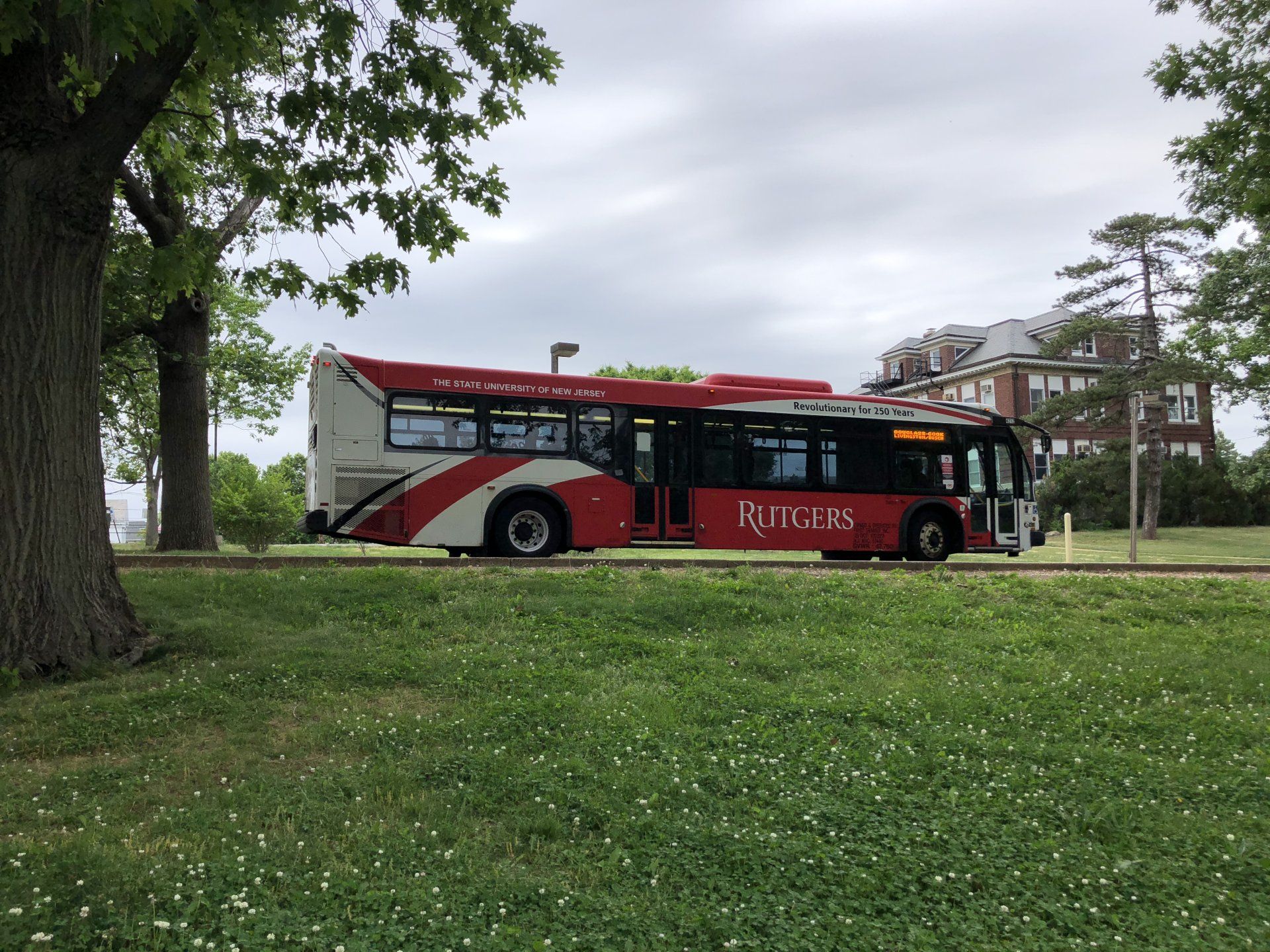
The Busch Campus Center and adjacent Busch Dining Hall form the social heart of the campus, offering a variety of dining options and communal spaces where students gather between classes and activities. For a broader dining and shopping experience, downtown New Brunswick — just a short bus or drive away — offers a vibrant restaurant scene, live music venues, and the celebrated State Theatre New Jersey, making it easy to balance campus life with the energy of a lively college city.

Latest Properties in Rutgers University-Busch Campus

Loading...

Loading latest properties...

See All Properties in Rutgers University-Busch Campus

History

From Country Club to Research Hub: The History of Rutgers University-Busch Campus

The land that today forms Busch Campus has a history that mirrors New Jersey's broader transformation from leisure landscape to intellectual powerhouse. Originally a country club with a golf course, the property was donated to the state in the 1930s, and a stadium was constructed on the grounds. For decades it was known simply as the "University Heights Campus," a name that reflected its elevated terrain above the Raritan River valley in Piscataway, Middlesex County.

The campus's modern identity took shape in the postwar era. The School of Engineering's original four-wing building opened in 1963, the same year the Rutgers Golf Course — designed by Hal Purdy and still operating today on the original country club terrain — welcomed its first players. The Rutgers Medical School was established on campus in 1966, though it was separated by the state in 1970 and eventually renamed Robert Wood Johnson Medical School in 1986, before being formally remerged into Rutgers on July 1, 2013.

The campus's defining moment came in 1971, when Charles L. Busch (1902–1971), an eccentric millionaire investor from Edgewater, New Jersey, unexpectedly bequeathed $10 million to Rutgers for biological research. The campus was renamed in his honor. That bequest catalyzed decades of scientific investment, producing landmarks like the Waksman Institute of Microbiology — named for Nobel laureate Selman Waksman — and the Center for Advanced Biotechnology and Medicine, completed in 1990.

This deep institutional investment in science and research shapes the real estate market today. The campus's 4,586 residents occupy a dense, walkable 1.22 square miles where student housing, research facilities, and recreational amenities coexist — making proximity to Busch Campus a consistent driver of rental demand throughout Piscataway.

Weather

Four Seasons on the Banks of the Raritan

Rutgers University-Busch Campus in Piscataway, New Jersey experiences a humid subtropical climate — the classification that defines much of central New Jersey — characterized by warm, humid summers, cool-to-cold winters, and precipitation distributed fairly evenly throughout the year. Sitting at roughly 75 feet of elevation in Middlesex County, the campus is far enough inland to avoid direct coastal moderation but close enough to the Atlantic to feel its influence during major storm systems, including nor'easters in winter and tropical remnants in late summer and fall.

Summer temperatures typically climb into the mid-to-upper 80s°F, with overnight lows settling in the upper 60s. Humidity is a defining feature of the season, making heat feel more intense and driving up cooling costs for campus-area housing. Winters are cold but not severe by northeastern standards, with daytime highs generally in the mid-30s to low 40s°F and lows dipping into the 20s. Snowfall is a regular winter occurrence, though accumulations vary considerably from year to year.

Annual precipitation averages around 46 inches, spread across all seasons with no pronounced dry period. Spring and fall are particularly pleasant, offering mild temperatures ideal for enjoying the campus's open green spaces and the adjacent Rutgers Golf Course.

For real estate purposes, the climate means meaningful heating and cooling expenses, a need for proper insulation and weatherproofing, and seasonal maintenance considerations such as roof and gutter upkeep ahead of winter storms.

Rutgers University-Busch Campus Market Analytics

The Rutgers University-Busch Campus market in Piscataway, New Jersey, is showing a steady increase in home values, with a 2.9% rise over the past year, reaching an average home value of $578,206, according to data analyzed by Opulist. This suggests the market is balancing, with a moderate pace of growth, making it a good time for buyers and sellers to engage in the market. The median list price is $539,833, and with 17 new listings and 72 homes for sale, there are opportunities for those looking to buy or sell in this area, and Opulist can provide expert guidance to navigate this market.


1-Year Home Value Change: +2.9%

Rutgers University-Busch Campus Home Value Index over time.

Can I Afford Rutgers University-Busch Campus?
$
%
$0
Est. Monthly Payment
$0/yr
Salary Required

*Principal & interest only. Salary based on 28% debt-to-income ratio.

Get Pre-Approved for Rutgers University-Busch Campus