
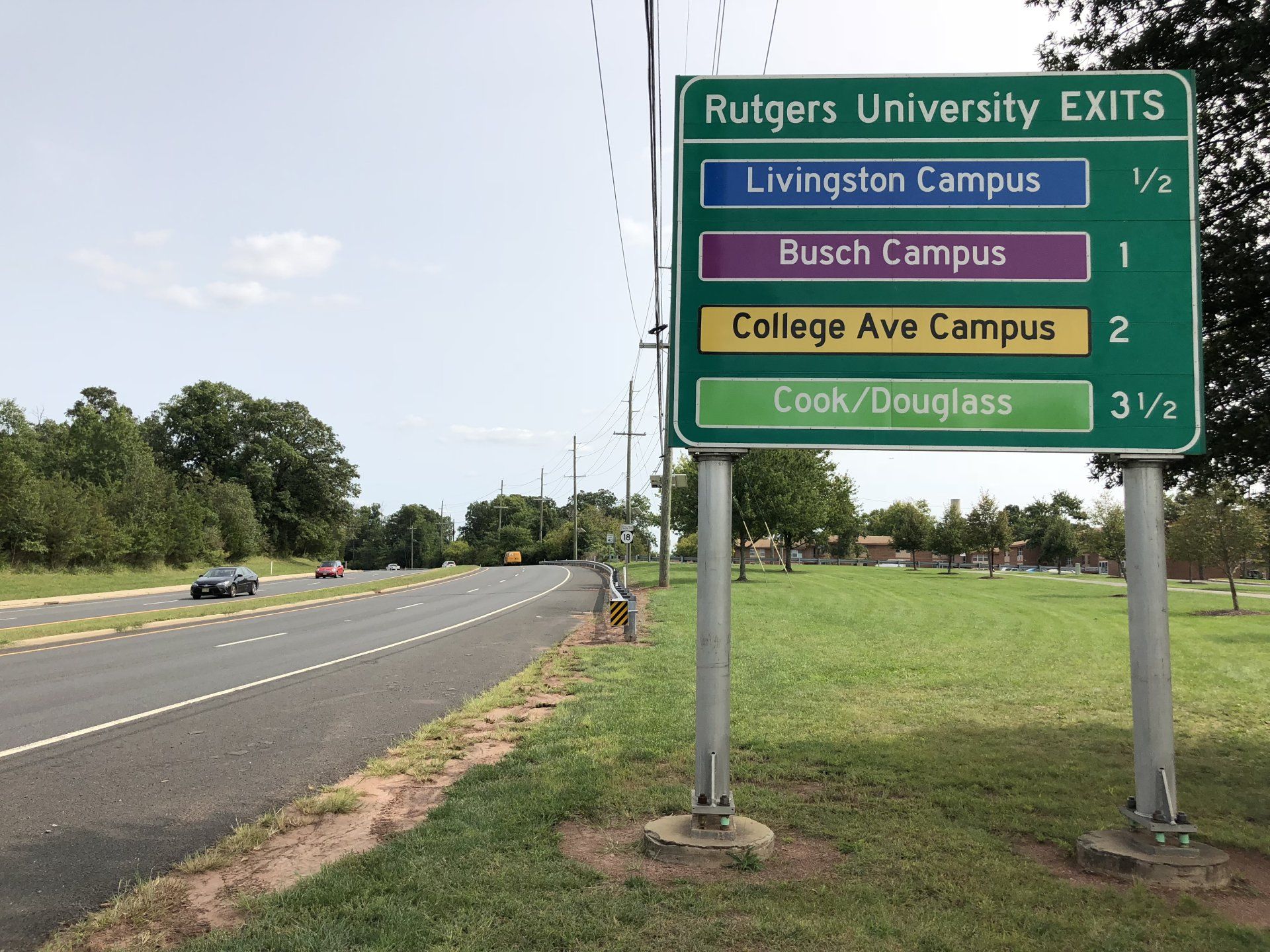
Rutgers University-Livingston Campus, New Jersey

Location:
Rutgers University-Livingston Campus, NJ

Welcome to Rutgers University-Livingston Campus

Livingston Campus of Rutgers University sits on 540 acres of former U.S. Army land in Piscataway, Middlesex County — ground that once served as Camp Kilmer, a major World War II staging area. That layered history gives this census-designated place a character unlike any other community in the region. While neighboring Piscataway and Edison offer conventional suburban living, Livingston Campus functions as a self-contained academic environment with its own residential population of roughly 3,500 people, its own dining, recreation, and retail infrastructure at The Plaza at Livingston, and direct highway access via dedicated Route 18 exits completed in 2005.

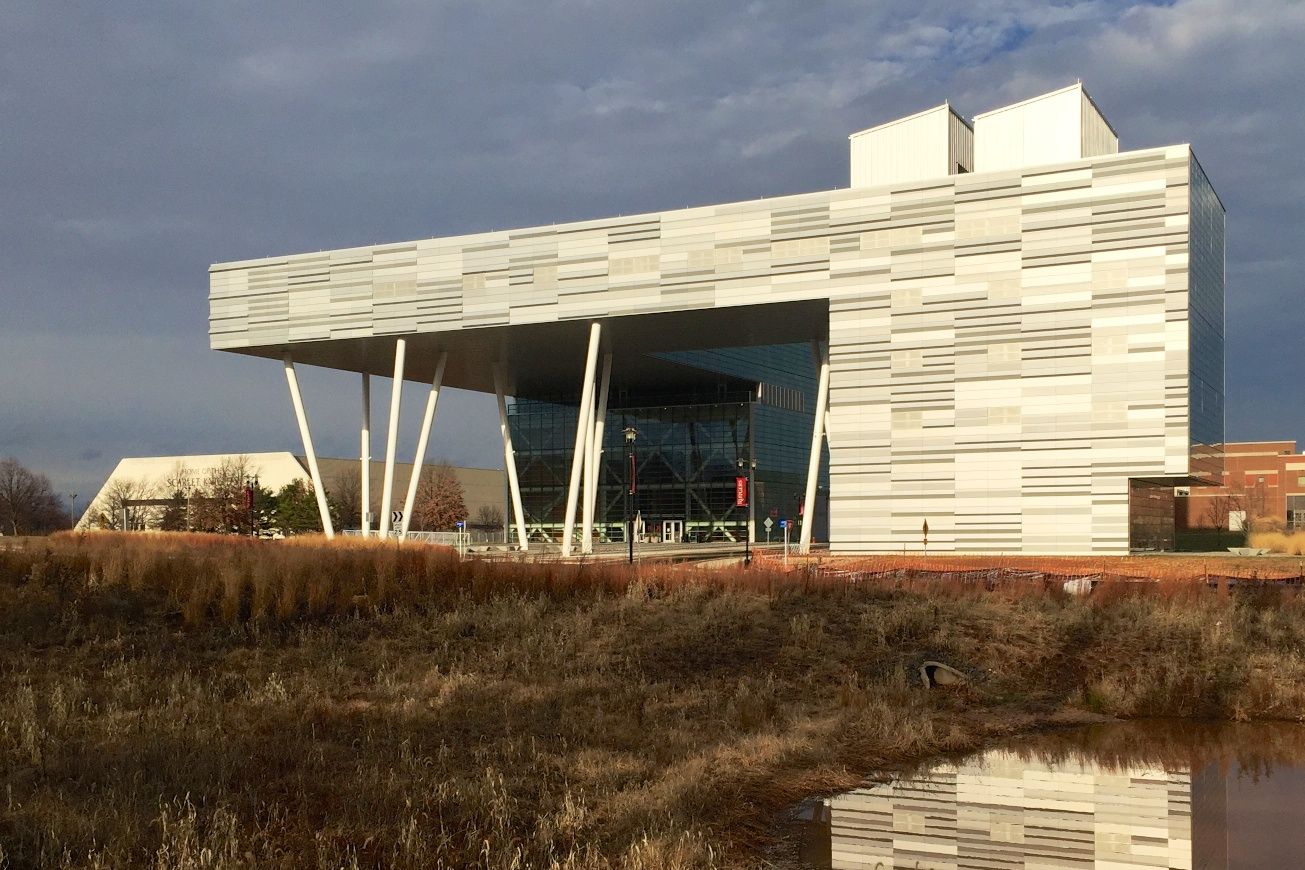
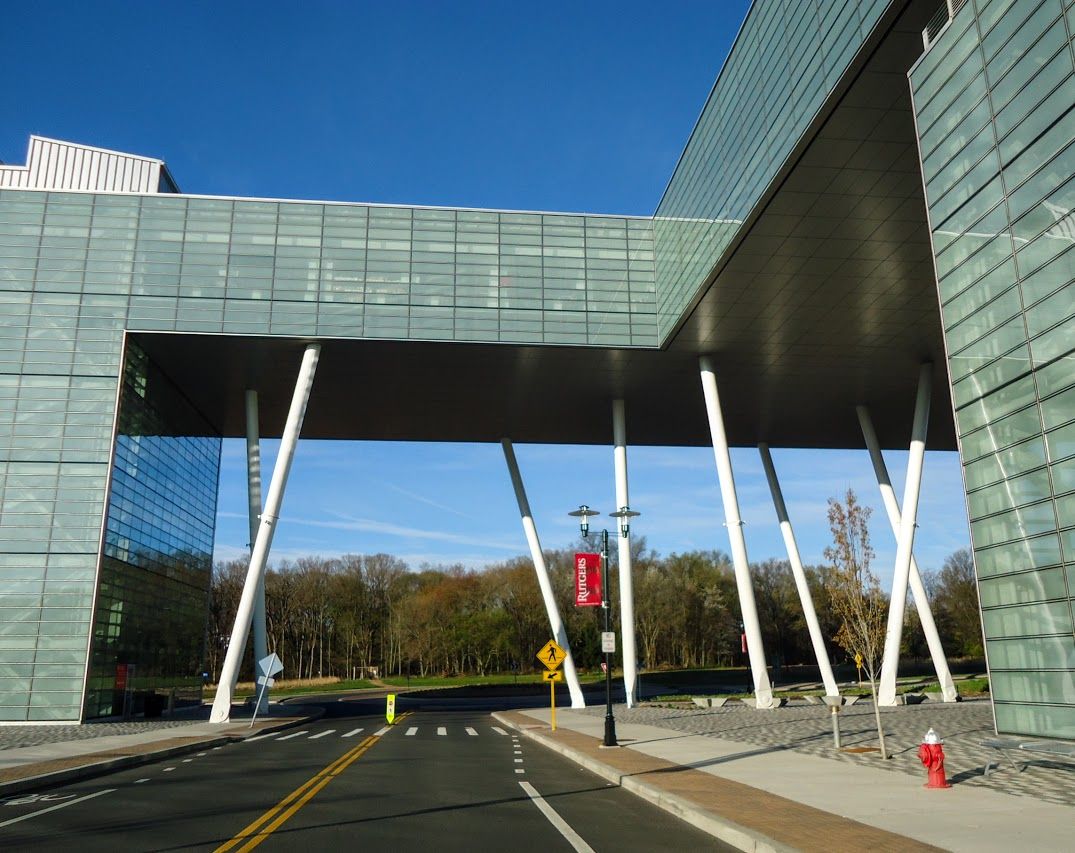
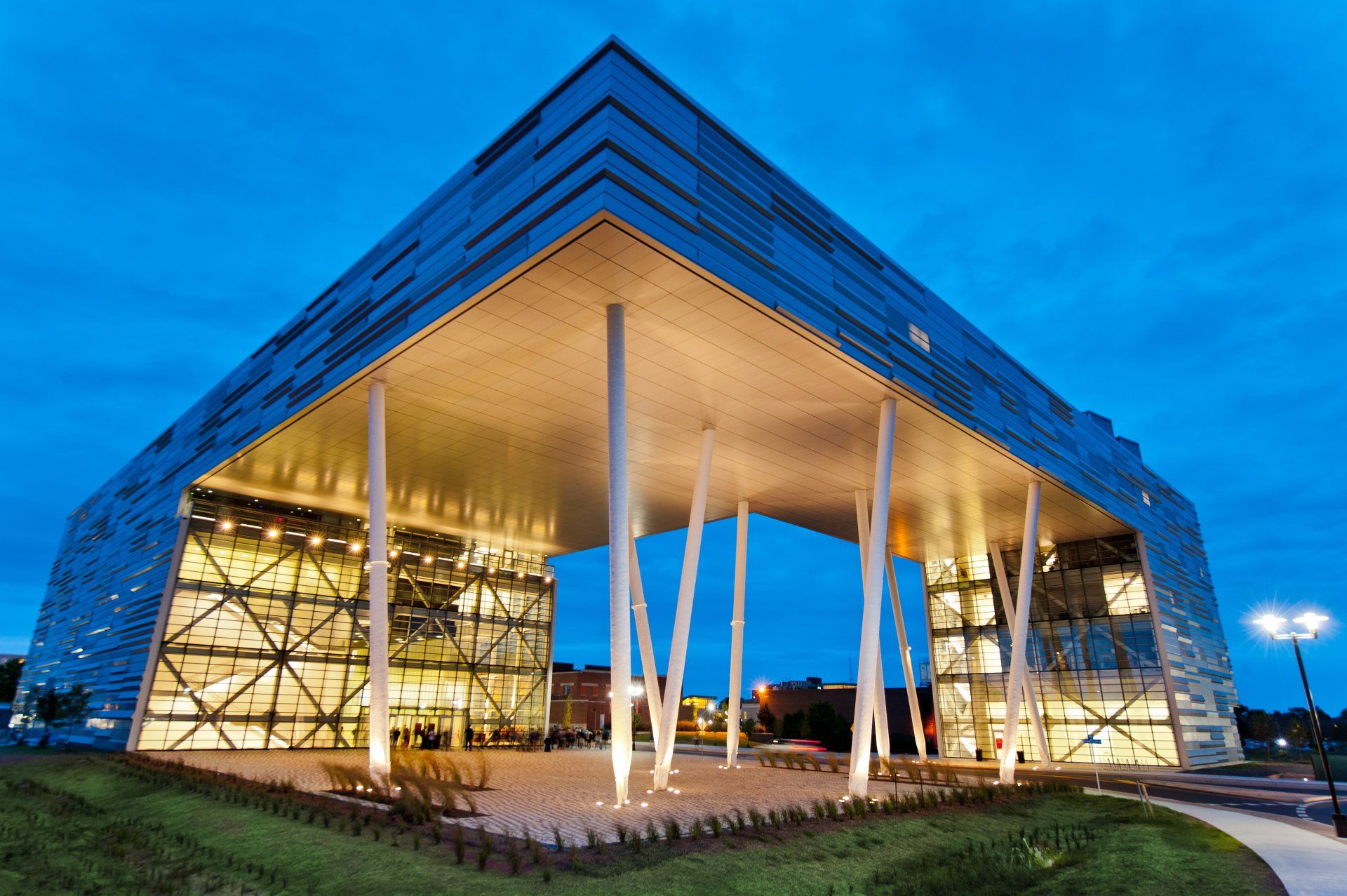
The Rutgers Business School at 100 Rockafeller Road anchors the campus professionally, while the James Dickson Carr Library and Livingston Student Center serve daily life. Sustainability is woven into the physical landscape — the campus hosts one of the largest solar panel installations in New Jersey, spread across its open-air parking areas. For buyers and investors drawn to walkable, transit-connected communities with built-in institutional demand, Livingston Campus represents a rare opportunity in Middlesex County where academic momentum and ongoing capital investment continue to drive long-term value.


Community Profile

Few communities in New Jersey tell a more singular demographic story than this one. Nestled within Middlesex County and connected to the vast New York–Newark–Jersey City metro area, the Rutgers University–Livingston Campus is defined almost entirely by its student population — and the numbers reflect that with striking clarity. The median age here is just 19.9 years, nearly two decades younger than the national median of 38.5, with a remarkable 98.8% of residents falling between the ages of 10 and 29. This is, in every meaningful sense, a community of emerging talent.

What makes this pocket of Piscataway so compelling from an investment and proximity standpoint is the extraordinary concentration of academic achievement. A stunning 94% of residents hold a bachelor's degree or higher — nearly three times the national average of 33% — and an equally impressive 94.7% have earned degrees in STEM fields. Graduate-level attainment stands at 22%, reflecting a community deeply committed to advanced learning. For homebuyers and investors eyeing properties near campus, that intellectual density translates into stable long-term demand for housing in the surrounding neighborhoods.

Practical lifestyle metrics add further appeal. Residents enjoy an average commute of just 11.4 minutes, a figure that underscores the walkable, self-contained nature of campus life. The uninsured rate is a low 2.0%, and the community's diversity — with 8.8% Asian, 9.3% Hispanic or Latino, and 4.8% Black residents — reflects the inclusive, globally minded character that Rutgers has long cultivated across its campuses.

Things to Do

Dining & Campus Eats

Livingston Campus offers a surprisingly lively food scene for a residential university campus. The Livingston Dining Commons, which opened in 2011 as a modern replacement for the older Tillett Dining Hall, serves as the primary dining hub and sits conveniently adjacent to the Livingston Student Center. The Plaza at Livingston is the real draw for variety — this mixed-use development houses a collection of eateries and cafes, and underwent a significant renovation in 2023 to expand seating and introduce new international food vendors, making it a genuinely diverse spot for a casual meal. The Livingston Student Center itself also features several retail food vendors for quick bites between classes.

Arts, Culture & Entertainment

Campus life here runs deeper than academics. The Livingston Theatre Company, based inside the Livingston Student Center, stages student productions throughout the academic year and has a long tradition of nurturing emerging theatrical talent. Music lovers can tune into 90.3 The Core (WVPH), the student-run radio station also headquartered in the Student Center. For film, The Plaza at Livingston includes a cinema, making it easy to catch a movie without leaving campus. The Rutgers University Asian American Cultural Center, founded in 1999, hosts cultural programming and events that reflect the campus's rich diversity.

Outdoor Recreation & Green Spaces

One of Livingston Campus's most distinctive — and often overlooked — features is the sprawling Rutgers Ecological Preserve, which makes up the majority of the campus's 540 acres. This preserved natural area offers trails and open green space ideal for hiking, birdwatching, or simply unwinding away from the academic grind. The Livingston Recreation Center, freshly renovated in 2023, provides modern fitness facilities for students and residents year-round.

Sports & Major Venues

Sports fans are well situated here. Jersey Mike's Arena — formerly the Louis Brown Athletic Center, renamed in 2021 following a partnership with the iconic New Jersey sub franchise — hosts Rutgers Scarlet Knights basketball and major campus events. The arena carries a fascinating footnote in sports history: it once served as the temporary home of the New Jersey Nets NBA franchise from 1977 to 1981. With Route 18 providing direct campus access, reaching broader Piscataway and New Brunswick attractions is quick and straightforward.

Latest Properties in Rutgers University-Livingston Campus

Loading...

Loading latest properties...

See All Properties in Rutgers University-Livingston Campus

History

From Camp Kilmer to Campus Community

The land beneath Livingston Campus carries a history that stretches well beyond its academic origins. Before Rutgers ever broke ground here, the site served as Camp Kilmer, a U.S. Army staging area that processed hundreds of thousands of troops during World War II. The military's imprint remains visible even today in the campus's oddly named roadways — "Road 1," "Road 2," and "Avenue E" — which survived every effort to rename them and still appear on campus maps.

Rutgers acquired the 540-acre tract in 1964, and construction of university buildings began in 1969 with the founding of Livingston College, whose first dean was physicist Ernest A. Lynton, for whom the campus's signature residence towers are named. The college was conceived as a progressive, urban-focused institution, and that experimental spirit shaped the physical campus — dense residential buildings, ample parking, and a self-contained layout that still defines the neighborhood's character today.

The campus evolved steadily through the following decades. The Livingston Student Center opened in 1986, and in 1991 a student-led campaign successfully renamed the area from Kilmer Campus to Livingston Campus. The consolidation of Livingston College into Rutgers' School of Arts and Sciences in 2007 shifted the campus toward a purely residential and professional identity. The opening of The Plaza at Livingston in 2012 and the Rutgers Business School building in 2013 cemented that transformation — turning what was once a standalone liberal arts enclave into a thriving mixed-use university hub whose density and amenities continue to drive strong housing demand in the surrounding Piscataway and Edison real estate market.

Weather

Rutgers University–Livingston Campus sits in Piscataway, Middlesex County, New Jersey, a region that falls squarely within a humid subtropical climate zone — the northernmost edge of that classification, where it blends with humid continental influences. The result is a climate of genuine seasonal contrast, with warm, humid summers and cold, occasionally snowy winters.

Summer temperatures typically climb into the mid-to-upper 80s°F, with overnight lows settling in the mid-60s. Humidity is a defining feature of the season, making outdoor afternoons feel considerably warmer than the thermometer suggests. Winters bring average highs in the mid-30s to low 40s°F, with lows frequently dipping into the 20s. Snowfall is a regular occurrence from December through February, though accumulations vary considerably from year to year.

Annual precipitation is fairly evenly distributed throughout the year, averaging around 46 to 48 inches. The campus sits inland from the Atlantic coast, so it avoids the most direct coastal storm impacts, though nor'easters can still deliver significant snow or rain events in late winter and early spring. The Raritan River corridor nearby can occasionally contribute to localized fog and moisture.

For real estate purposes, this climate means meaningful heating and cooling costs — central air conditioning is essentially a necessity for summer comfort, and efficient heating systems are equally important through the long winter months. Homeowners and property managers should budget for seasonal maintenance including roof and gutter care ahead of winter, and exterior upkeep after the freeze-thaw cycles that are common in March and April.

Rutgers University-Livingston Campus Market Analytics

The Rutgers University-Livingston Campus market is showing signs of stability and growth, with the average home value increasing by 3.9% over the past year to $706,888, according to data analyzed by Opulist. This suggests the market is balancing, with nearly equal proportions of homes selling above and below list price, and a median sale-to-list ratio of 1. The median days to pending is around 43 days, indicating a moderate pace of sales, and with new listings and for-sale inventory available, buyers and sellers can expect a relatively balanced market.


1-Year Home Value Change: +3.9%

Rutgers University-Livingston Campus Home Value Index over time.

Can I Afford Rutgers University-Livingston Campus?
$
%
$0
Est. Monthly Payment
$0/yr
Salary Required

*Principal & interest only. Salary based on 28% debt-to-income ratio.

Get Pre-Approved for Rutgers University-Livingston Campus