
Rye Brook, Connecticut

Location:
Rye Brook, CT

Welcome to Rye Brook

Incorporated on July 7, 1982, Rye Brook is a village within the Town of Rye in Westchester County, New York, sitting directly on the Connecticut state line with Greenwich as its eastern neighbor. In just over four decades since becoming Westchester County's youngest municipality, this compact 3.45-square-mile community has developed into one of the region's most sought-after residential addresses, with a median household income of $236,968 and a median home price approaching $1.2 million.

What sets Rye Brook apart from neighboring Port Chester and the City of Rye is its deliberately residential character — quiet, tree-lined subdivisions without the commercial density of surrounding communities, yet with immediate access to Interstate 95 and the Hutchinson River Parkway for the roughly 30-mile commute into Manhattan. The Blind Brook-Rye Union Free School District, anchored by Blind Brook High School adjacent to Harkness Park, draws families who prioritize education alongside suburban tranquility. Crawford Park and nearly 100 acres of village parkland add to the outdoor appeal.

For buyers seeking a high-income, low-density community with strong infrastructure and direct access to both New York City and coastal Connecticut, Rye Brook represents a compelling long-term investment in quality of life.


Things to Do

Outdoor Recreation

Despite its compact 3.45-square-mile footprint, Rye Brook packs nearly 100 acres of parkland into its residential landscape. Pine Ridge Park is one of the most active, offering two Little League fields, four tennis courts, two basketball courts, and a playground — a genuine hub for youth sports on weekends. Harkness Park, situated alongside Blind Brook High School, is home to Blind Brook Tennis and its four well-maintained courts. For those who prefer a more leisurely pace, Rye Hills Park features a walking trail and a scenic lookout toward Long Island Sound, while Crawford Park — owned by the Town of Rye — draws joggers, dog walkers, and families for tee-ball and soccer on its open grounds. The Rye Brook–King Street Athletic Fields, built on artificial turf, host soccer, lacrosse, field hockey, and softball, and represent the village's commitment to modern recreational infrastructure.

Parks & Waterfront

Rye Brook residents also enjoy access to the Rye Town Park–Bathing Complex and Oakland Beach through the Town of Rye — a significant perk that brings waterfront recreation within easy reach. The beach and bathing complex offer a classic Westchester summer experience, drawing families throughout the warmer months. Closer to home, Rich Manor Park and Magnolia Park provide quieter open-field retreats, ideal for picnics or an afternoon away from the bustle.

Arts & History

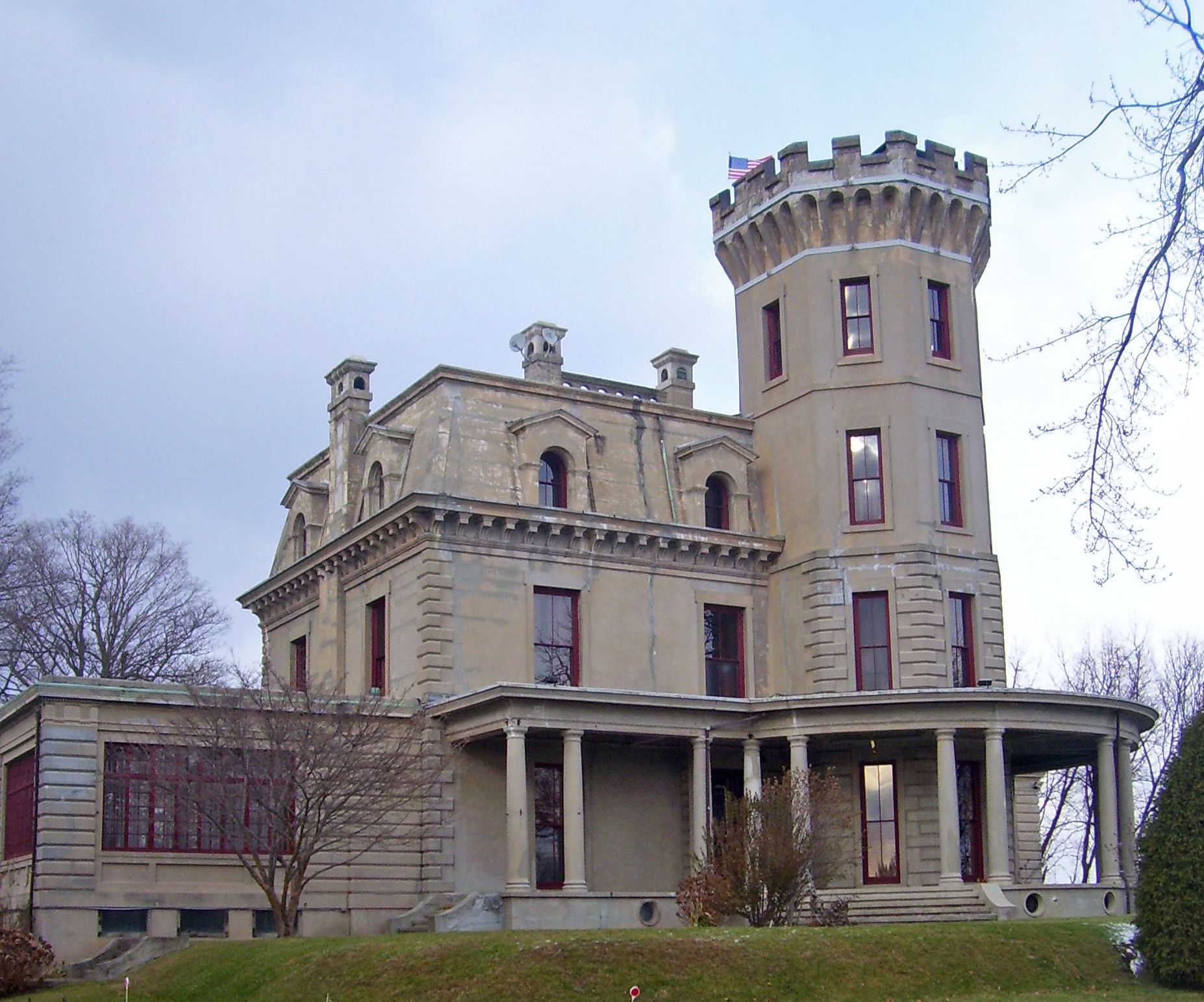
History enthusiasts will appreciate the William E. Ward House, a striking Victorian-era structure listed on the National Register of Historic Places since 1976. Known locally as Ward's Castle, it once served as the home of the National Cartoon Museum — founded by Mort Walker, the creator of the beloved comic strip Beetle Bailey — from 1976 to 1992. The building sits dramatically on the New York–Connecticut state line, making it one of the most distinctive landmarks in the area.

Dining & Shopping

The Rye Ridge Shopping Center serves as the village's primary retail destination, offering everyday conveniences alongside dining options that cater to the community's discerning tastes. The proximity to Greenwich, Connecticut, and the City of Rye means residents are never far from a broader array of upscale restaurants, boutique shops, and cultural venues — most within a short drive along the area's well-connected road network.

Latest Properties in Rye Brook

Loading...

Loading latest properties...

See All Properties in Rye Brook

History

The land that would become Rye Brook has roots stretching back to 1660, when English colonists from Greenwich — led by Peter Disbrow, John Coe, and Thomas Studwell — crossed the Byram River and established settlements in the broader Rye territory. A 1662 purchase secured roughly 4,000 acres between Blind Brook and the Mamaroneck River, and that same waterway, Blind Brook, still defines much of the village's western edge today. The area remained a quiet farming hamlet through the colonial era, its strategic position near the Boston Post Road connecting it to trade between New York City and New England.

The Revolutionary War left its mark here as well. On December 2, 1781, a skirmish known as Mosier's Fight took place within what is now Rye Brook, when Lieutenant William Mosier's Westchester County militia repulsed a larger Loyalist force — a reminder that this tranquil suburb once sat squarely in the brutal "Neutral Ground" of the war.

The modern village took shape through postwar suburbanization. Proximity to Manhattan, the opening of the Hutchinson River Parkway, and Interstate 287 drew commuters steadily, pushing the population from under 2,000 in 1940 to roughly 8,000 by 1980. That growth created the quiet, tree-lined residential subdivisions that define the village's character today. By 1982, residents sought greater local control over zoning and taxation, and on July 7, 1982, the Village of Rye Brook was officially incorporated — the first new village created in New York State in 54 years.

That founding impulse to preserve community character continues to shape the real estate market. With a median home price now exceeding $1.19 million and a median household income of nearly $237,000, Rye Brook remains one of Westchester County's most sought-after addresses.

Weather

Rye Brook, New York — situated in southeastern Westchester County along the Connecticut border — experiences a humid continental climate, shaped by its position roughly 30 miles northeast of Manhattan and its proximity to Long Island Sound. Four distinct seasons define life here, each with its own character and practical implications for homeowners.

Summers are warm and humid, with daytime highs typically reaching the mid- to upper 80s°F and overnight lows settling in the mid-60s. The moderating influence of Long Island Sound keeps temperatures from reaching the extremes felt further inland, though humidity can make July and August feel noticeably muggy. Winters are cold but not severe by New England standards, with average highs in the mid-30s°F and lows dipping into the teens and low 20s during the coldest stretches. Snowfall averages around 30 inches annually, arriving primarily between December and March.

Annual precipitation is generous — roughly 50 inches — distributed fairly evenly across the year, with a slight peak in spring and summer. The coastal proximity tempers temperature swings somewhat, while nor'easters occasionally bring significant snow or ice accumulation in winter months.

For real estate purposes, the climate has meaningful consequences. Heating costs are a genuine consideration in winter, and homes benefit from quality insulation and efficient systems. Summers warm enough for pools, patios, and outdoor entertaining make exterior living spaces a valued feature. Seasonal maintenance — roof inspections after snowfall, gutter clearing in autumn, and landscaping upkeep through the growing season — is a routine part of homeownership here.

Rye Brook Market Analytics

Market analytics data coming soon.
Can I Afford Rye Brook?
$
%
$0
Est. Monthly Payment
$0/yr
Salary Required

*Principal & interest only. Salary based on 28% debt-to-income ratio.

Get Pre-Approved for Rye Brook