
Saddle Rock, New York

Location:
Saddle Rock, NY

Welcome to Saddle Rock

Incorporated in 1911 from the private estate of Roswell Eldridge, Saddle Rock is a small, self-governing village on the Great Neck Peninsula in Nassau County — one of the few places on Long Island where a single family's land became the legal boundaries of an entire municipality. That origin story still shapes the village today: with just under 1,000 residents spread across roughly a quarter square mile, Saddle Rock maintains a level of quiet exclusivity that larger neighboring communities like Great Neck and Kings Point simply cannot replicate.

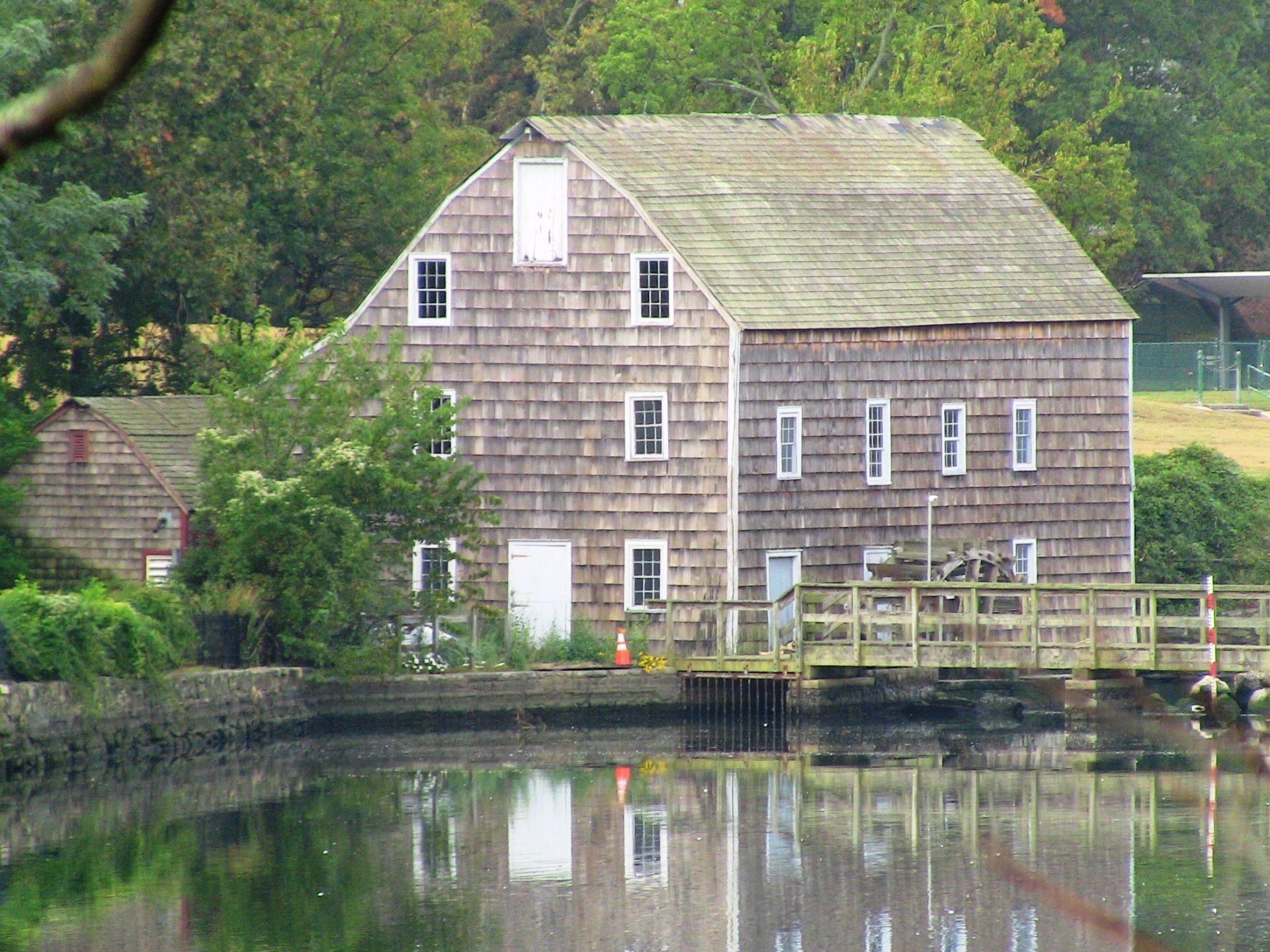
What sets Saddle Rock apart most visibly is the Saddle Rock Grist Mill, built circa 1700 and listed on the National Register of Historic Places as the oldest continually operating tidal grist mill in the United States. Tucked into a small cove along Little Neck Bay, the mill is now operated by Nassau County as a working museum — an extraordinary piece of living history within walking distance of residential streets. Students here are served by the well-regarded Great Neck Union Free School District, and Manhattan is reachable in roughly 35 to 40 minutes by rail.

For buyers who want a genuine sense of place — historic character, waterfront proximity, and a tight-knit residential scale — Saddle Rock offers something increasingly rare in the New York metropolitan area.


Community Profile

Tucked into the Great Neck peninsula of Nassau County, this small but remarkably accomplished village of 1,190 residents presents one of the most distinctive demographic profiles on Long Island. With a median household income of $175,625 — more than double the national median — and a striking 79.2% of households earning six figures or more, Saddle Rock is unambiguously a community of high achievers. That prosperity is grounded in serious credentials: 63% of residents hold a bachelor's degree or higher, nearly twice the national rate, and 34.6% have earned a graduate degree. A remarkable 52.4% hold STEM degrees, reflecting a community deeply connected to the professional and scientific sectors driving the greater New York economy.

The village skews notably young for such an affluent enclave — the median age is just 34, well below the national figure of 38.5 — and the age distribution tells a clear story: 17.1% of residents are under 10 and another 22.4% are between 10 and 19, signaling a community rich with families actively raising children. That impression is reinforced by an average family size of 3.96 and a marriage rate of 67.7%. Homeownership here is essentially universal at 99%, and with a poverty rate of just 0.8% and an uninsured rate of only 0.3%, the community's stability and security are exceptional by any measure. Residents commute an average of 37.5 minutes into the broader New York metro — a reasonable trade for the tranquility and prestige of life in this intimate, waterside village.

Things to Do

History & Landmarks

Saddle Rock's most remarkable attraction is hiding in plain sight along the shore of Little Neck Bay. The Saddle Rock Grist Mill, built around 1700 and listed on the National Register of Historic Places, holds the distinction of being the oldest continually operating tidal grist mill in the United States. Now owned and operated by Nassau County as a working museum, the mill has been lovingly restored to its mid-19th-century appearance and sits inside a small cove off Grist Mill Lane. Watching its wooden machinery turn with the rhythm of the tides is a genuinely transporting experience — a rare living connection to colonial Long Island that visitors of all ages find memorable.

Outdoor Recreation & Waterfront

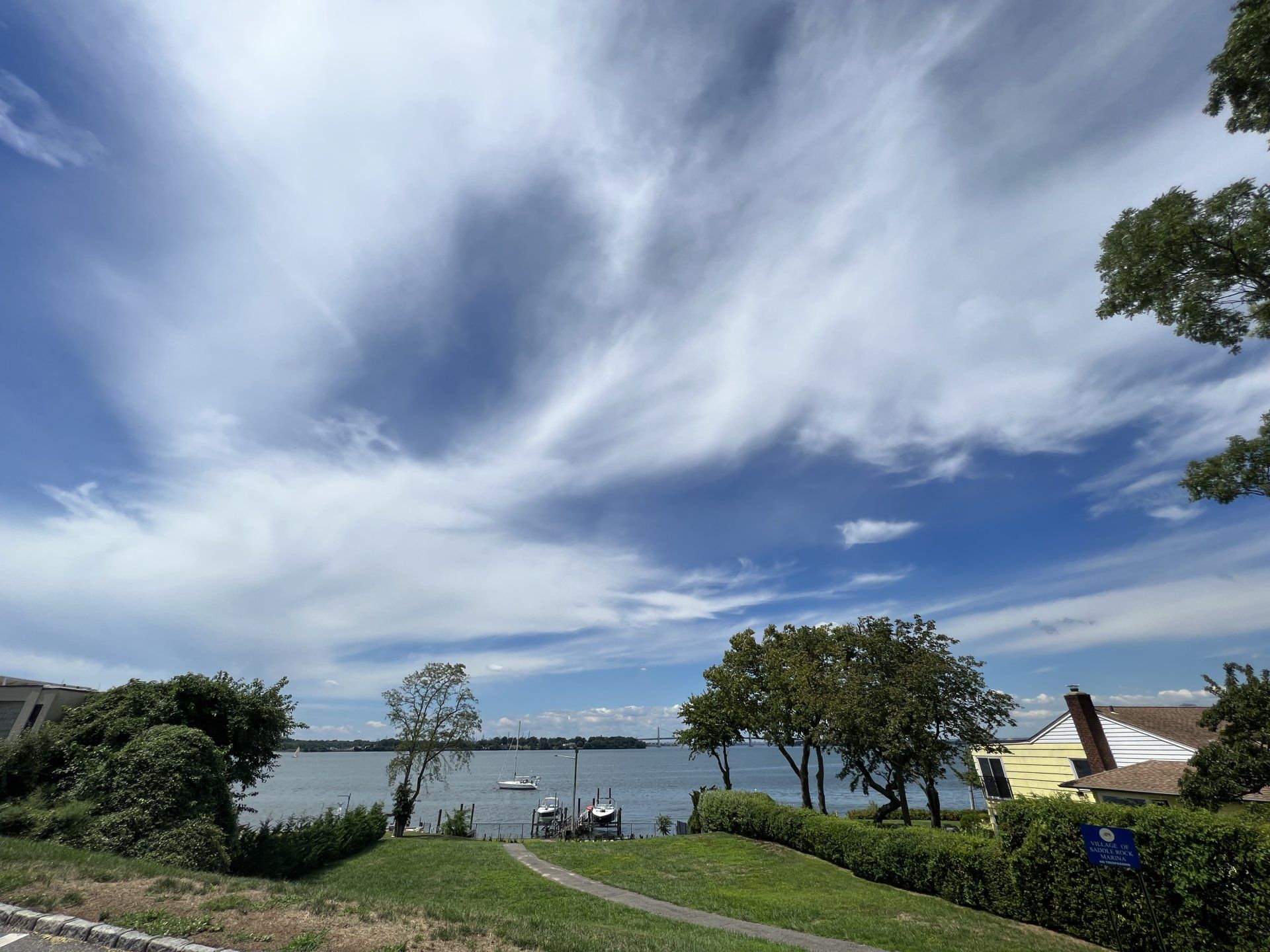
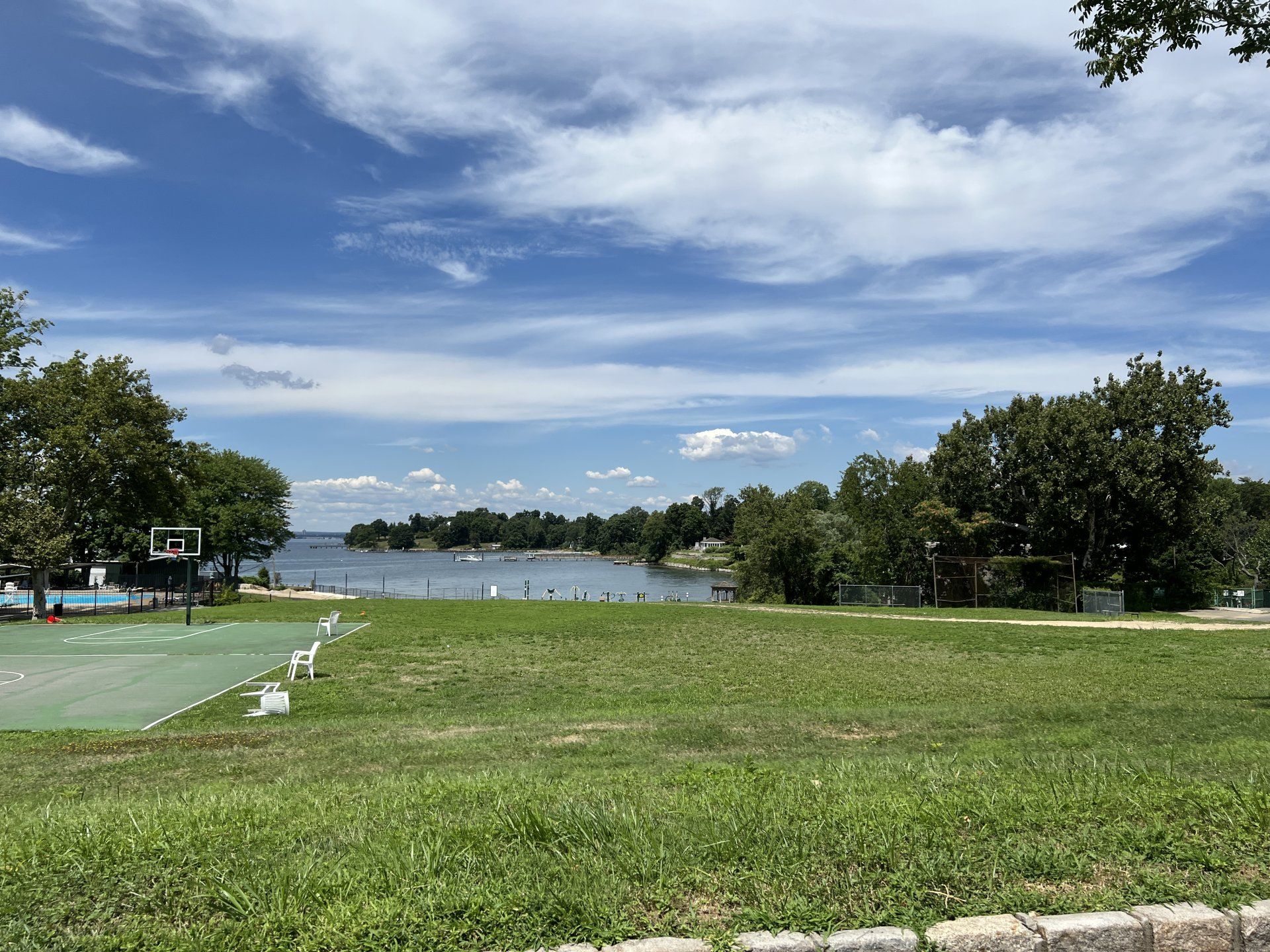
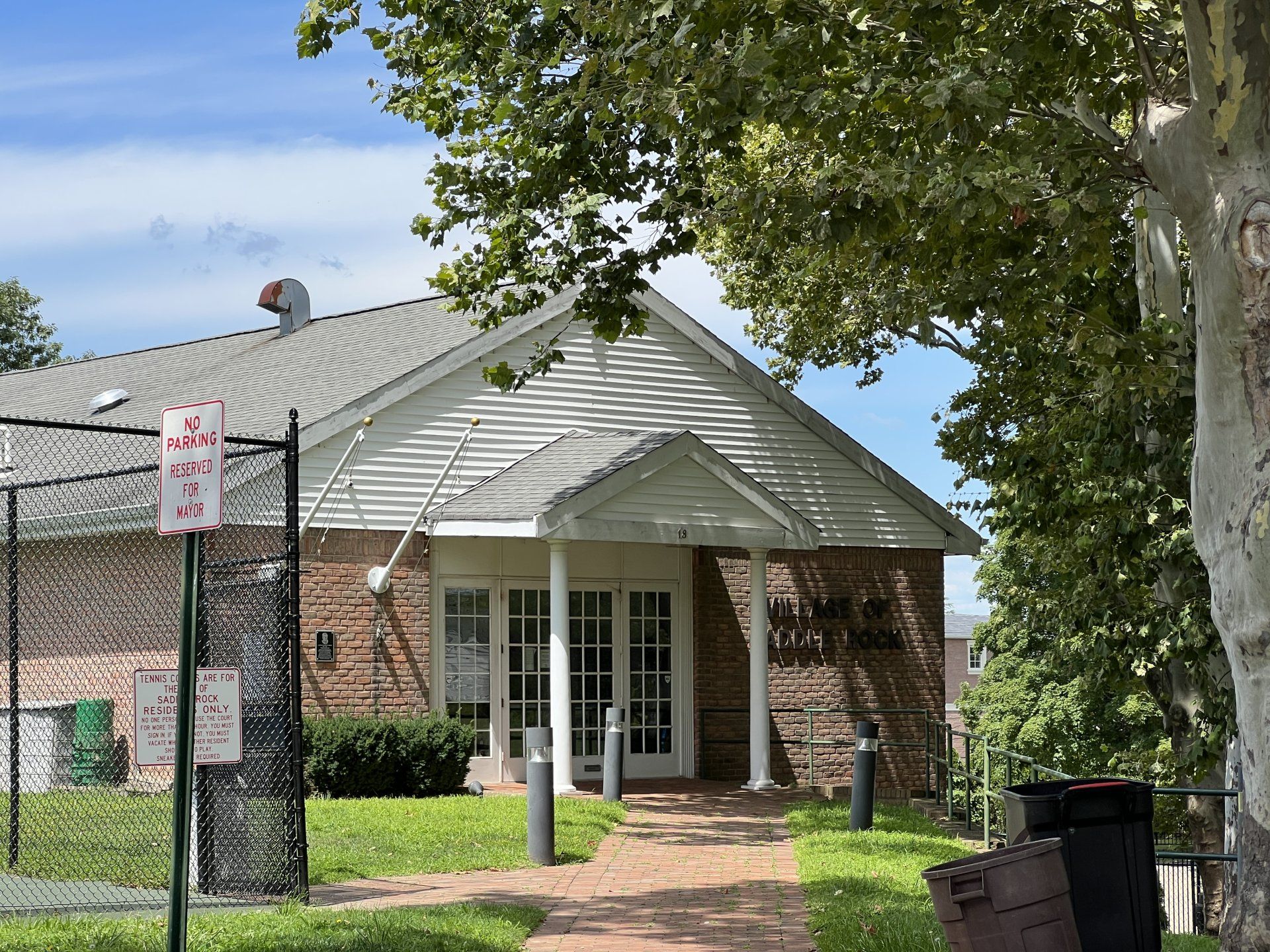
The Great Neck Peninsula's North Shore setting gives Saddle Rock residents and visitors easy access to the scenic waterways of Little Neck Bay and Long Island Sound. The shoreline is ideal for walking, birdwatching, and taking in sweeping water views, particularly in the cooler months when the foliage along the bluffs turns brilliant. The broader Great Neck area offers well-maintained parks and green spaces suited to jogging, cycling, and casual picnicking. The Saddle Rock Village Hall and Park provides a pleasant community gathering spot right in the heart of the village.

Dining & Shopping

Saddle Rock itself is a quiet residential enclave, but its position within the Great Neck community means that a diverse and vibrant dining scene is just minutes away. Great Neck's commercial corridors reflect the area's rich multicultural character — including a notable Persian Jewish community — with restaurants and specialty markets offering Middle Eastern, Asian, and classic American fare. Boutique shops, delis, and bakeries line the nearby streets, making a leisurely afternoon of browsing and eating genuinely rewarding.

Arts, Culture & Day Trips

The broader North Shore of Long Island — F. Scott Fitzgerald's fabled "Gold Coast" — surrounds Saddle Rock with cultural richness. World-class museums, historic Gold Coast mansions, and the performing arts venues of Great Neck are all within easy reach. Manhattan itself is roughly 35 to 40 minutes away by car or Long Island Rail Road, putting the full spectrum of world-class dining, theater, and museums within comfortable reach for a day or evening out.

Latest Properties in Saddle Rock

Loading...

Loading latest properties...

See All Properties in Saddle Rock

History

From Matinecock Land to Million-Dollar Enclave

Long before Saddle Rock became one of Nassau County's most coveted addresses, the Great Neck Peninsula was home to the Matinecock people, whose presence shaped the landscape that European settlers would begin claiming in the late 1600s. The community takes its name from a distinctive offshore boulder in Little Neck Bay — its saddle-like silhouette was notable enough to appear on maps as early as 1658, just decades after European families first arrived on the peninsula.

The anchor of Saddle Rock's early history is the Saddle Rock Grist Mill, built circa 1700 inside a small cove opening onto Little Neck Bay. Listed on the National Register of Historic Places, it is recognized as the oldest continually operating tidal grist mill in the United States and today functions as a Nassau County museum — a working reminder of the village's colonial-era origins that still draws visitors to the waterfront.

The modern village took formal shape in 1911, when Roswell Eldridge incorporated his roughly 400-acre private estate as the Incorporated Village of Saddle Rock, becoming its first mayor. His wife, Louise Udall Skidmore Eldridge, succeeded him in 1926 and served until her death in 1947 — reportedly making her the first female mayor in New York State history. That founding story of a single family controlling an entire village's governance set a tone of exclusivity that persists in Saddle Rock's real estate character today.

The adjacent unincorporated hamlet of Saddle Rock Estates developed separately, emerging from the late-1930s subdivision of Eldridge property that fell outside the village limits. The roughly 122 single-family homes built during that post-Depression era established the low-density, owner-occupied residential fabric that defines both communities today — where median home values now exceed $1.5 million and the quiet, tree-lined streets reflect nearly a century of carefully preserved suburban character.

Weather

Saddle Rock sits on the Great Neck Peninsula along Long Island's North Shore, where its proximity to Little Neck Bay and Long Island Sound gives it a humid subtropical climate (Köppen classification Cfa) — the same classification that applies to much of coastal Long Island and the broader New York metropolitan area. This coastal setting moderates temperature extremes compared to inland locations, making summers somewhat less oppressive and winters marginally milder than areas farther from the water.

Summer temperatures typically reach highs in the mid-to-upper 80s °F, with overnight lows settling in the upper 60s. The season brings humidity and occasional heat waves, though sea breezes off Long Island Sound provide welcome relief. Winters are cold but not severe by New York standards, with daytime highs generally in the mid-30s to low 40s °F and lows dipping into the 20s. Snowfall occurs regularly each season, though nor'easters can occasionally deliver significant accumulation.

Precipitation is well-distributed throughout the year, with no pronounced dry season. Rainfall averages around 45–50 inches annually, and the coastal position means residents should be mindful of tropical storm remnants in late summer and fall.

For real estate purposes, the climate shapes several practical considerations. The warm, humid summers make air conditioning essential, while cold winters require reliable heating systems. Waterfront proximity adds the importance of storm preparedness and flood awareness. On the upside, the relatively mild shoulder seasons — particularly the long, pleasant autumns — extend outdoor living considerably, enhancing the appeal of the area's generous residential lots and landscaped properties.

Saddle Rock Market Analytics

The Saddle Rock housing market is showing signs of steady growth, with the average home value increasing by 7.2% over the past year to $2,380,173, indicating a strong demand for homes in this area. This trend suggests that the market is balancing in favor of sellers, making it a good time to sell a home in Saddle Rock, and as a professional real estate market analyst for Opulist, I can help you navigate this market to achieve your goals. With the right guidance, buyers and sellers can make informed decisions and take advantage of the opportunities available in the Saddle Rock market.


1-Year Home Value Change: +7.2%

Saddle Rock Home Value Index over time.

Can I Afford Saddle Rock?
$
%
$0
Est. Monthly Payment
$0/yr
Salary Required

*Principal & interest only. Salary based on 28% debt-to-income ratio.

Get Pre-Approved for Saddle Rock