
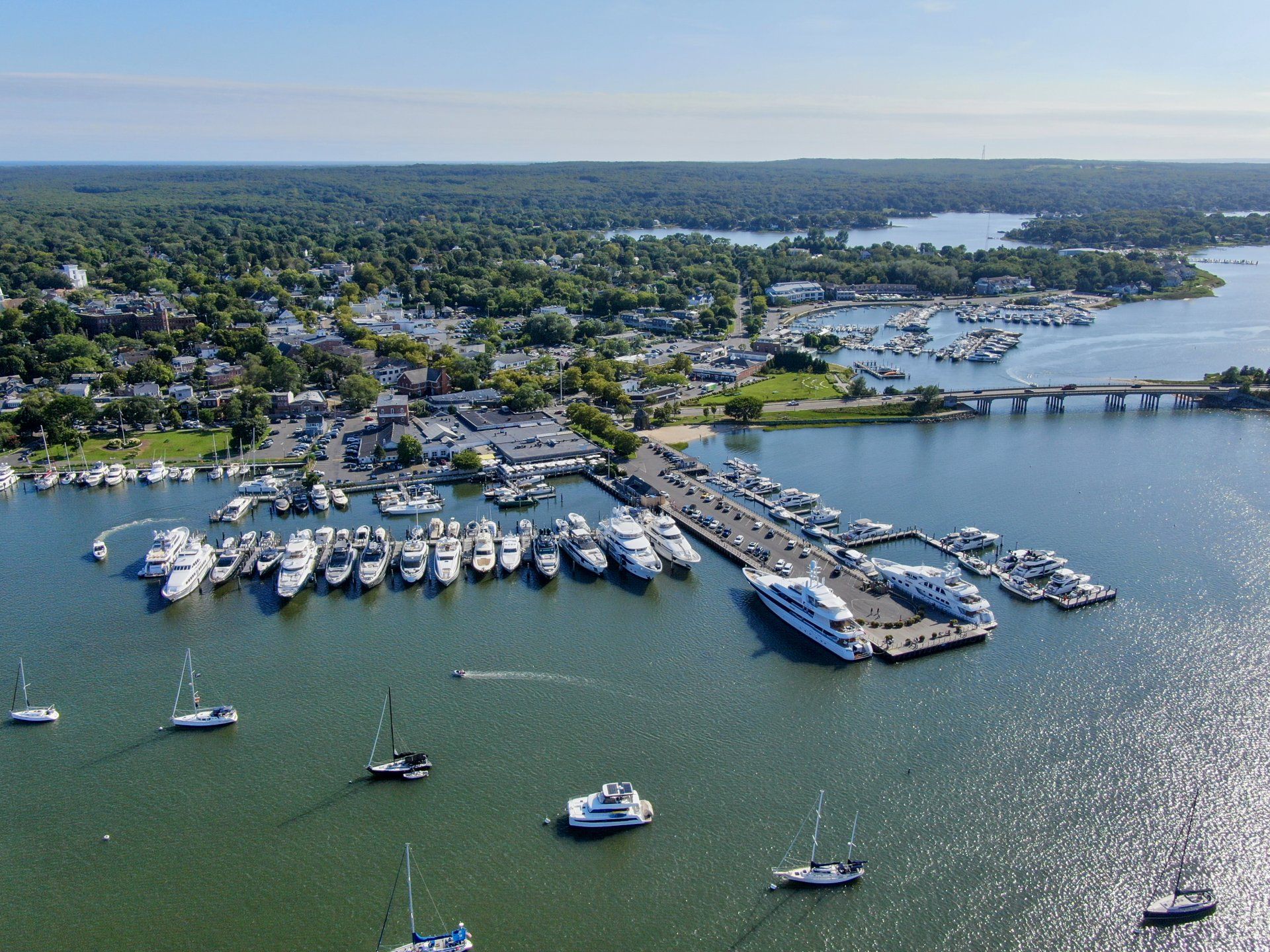
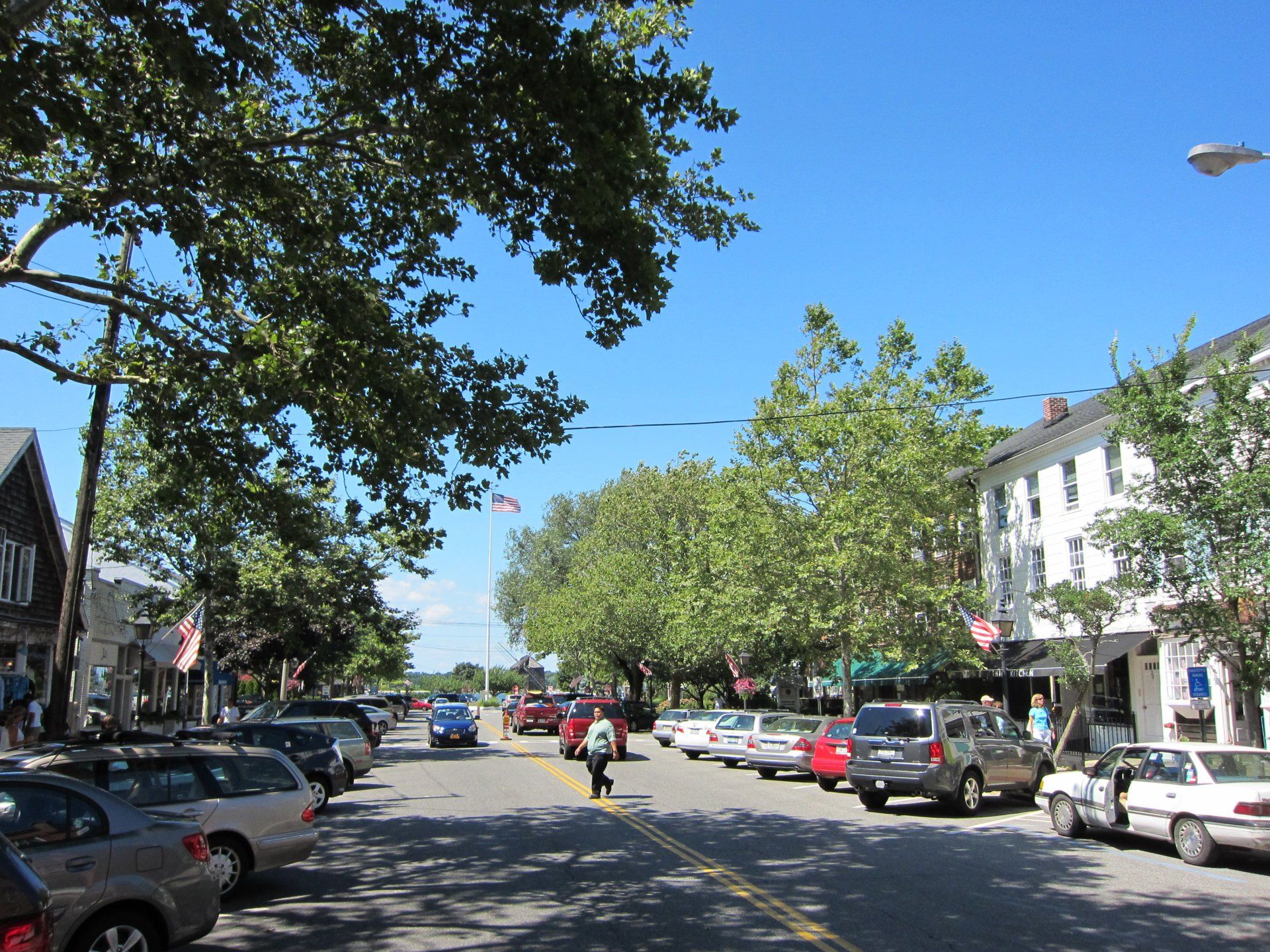
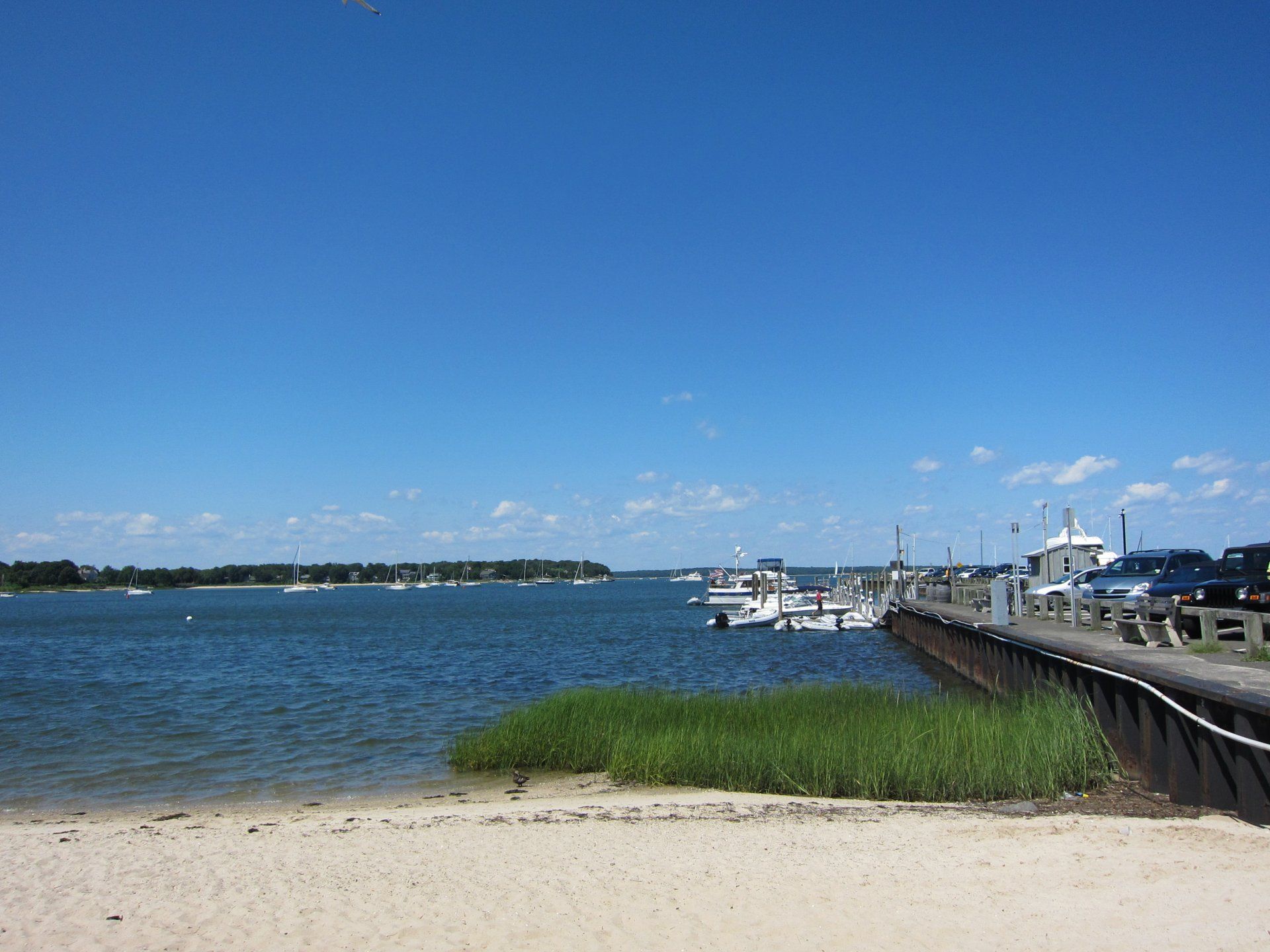
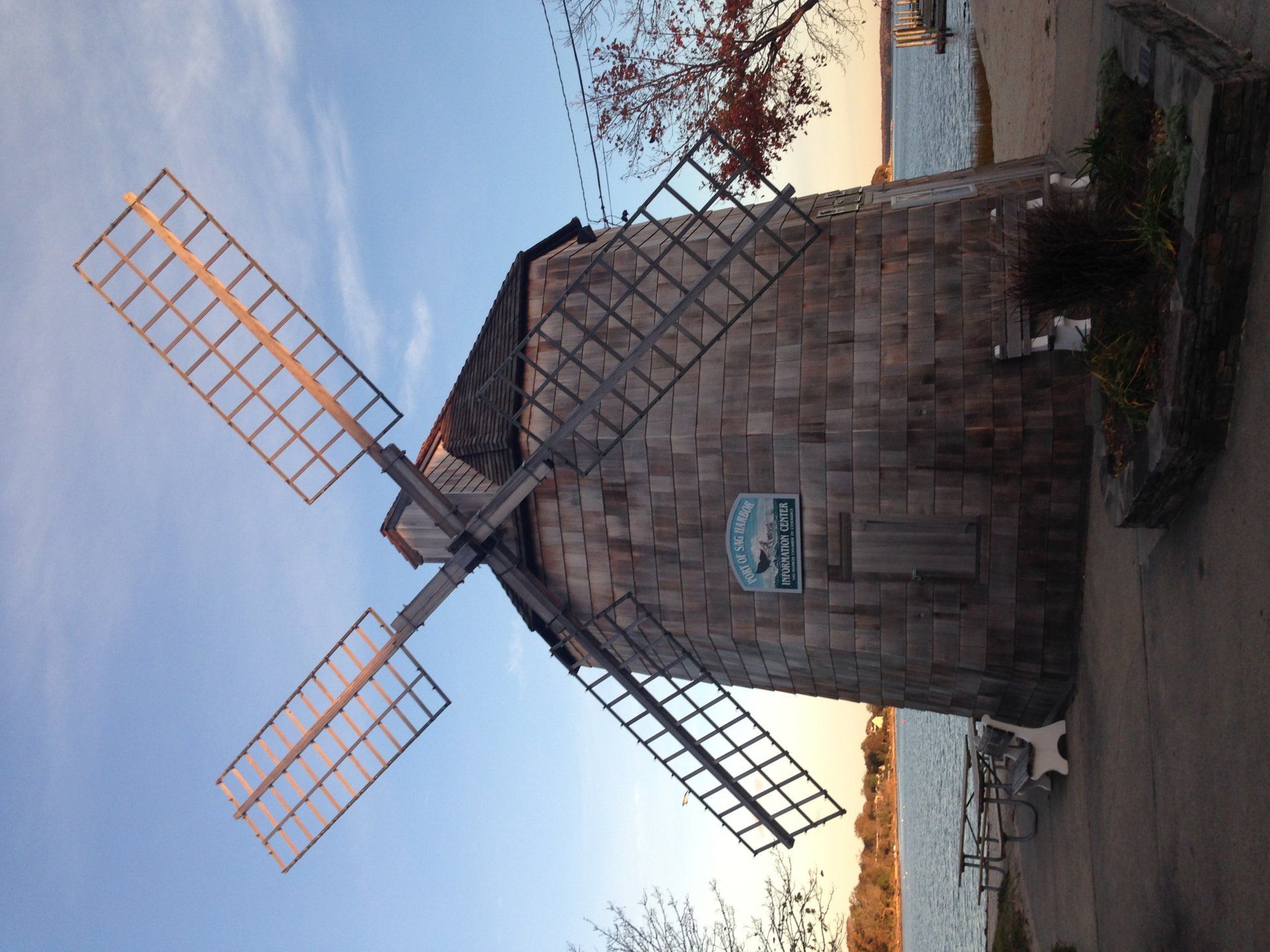
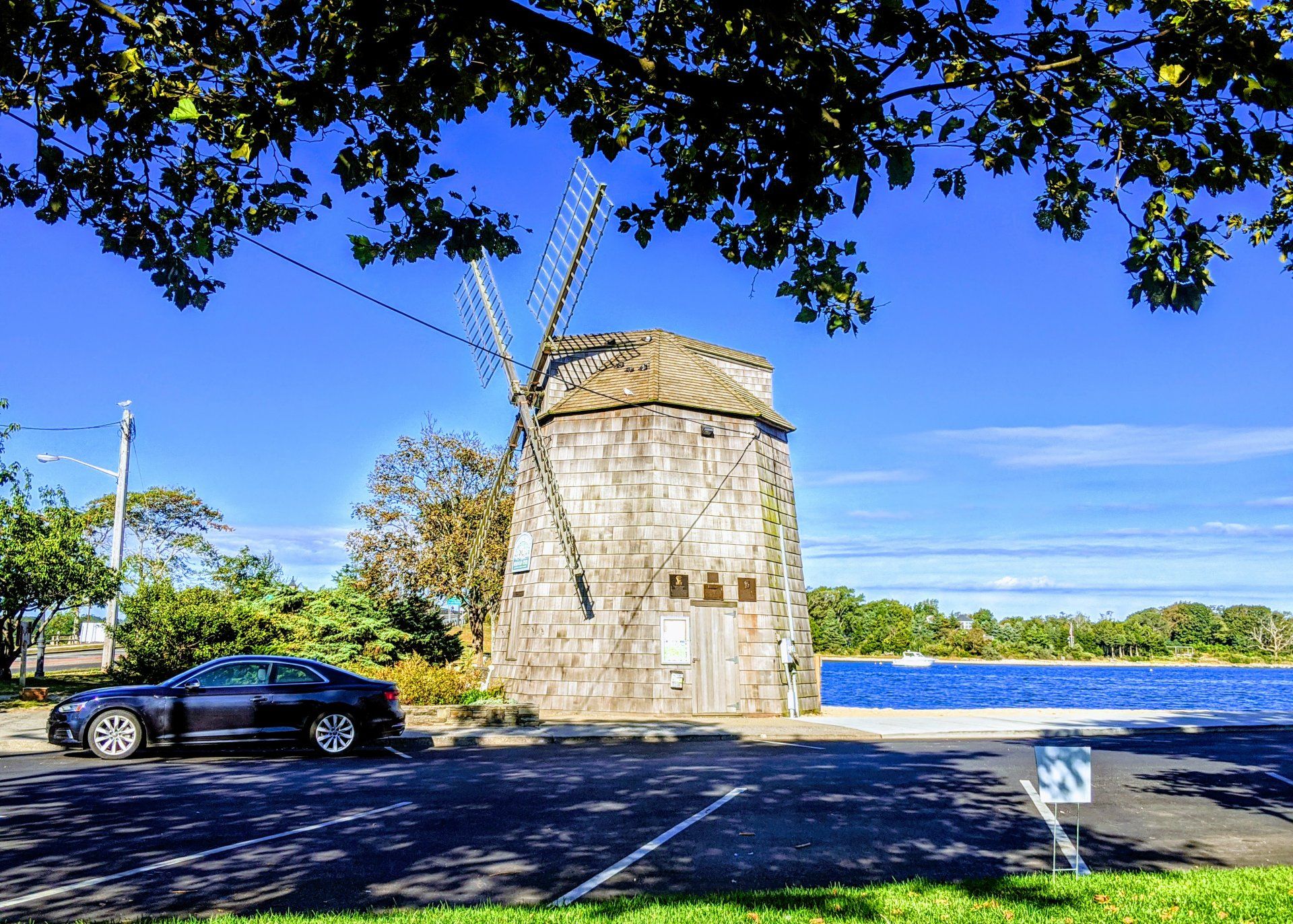
On July 31, 1789, Sag Harbor became New York State's first official Port of Entry — a designation that set this small village apart from every other community on Long Island before the nation itself had fully taken shape. Straddling the towns of Southampton and East Hampton on the South Fork peninsula, Sag Harbor occupies just 1.81 square miles, yet its history carries a weight far beyond its size. While neighboring East Hampton and Southampton are defined largely by their beaches and celebrity estates, Sag Harbor built its identity on the open ocean — its 19th-century whaling fleet once rivaled New Bedford, and Herman Melville name-checked the village in Moby Dick. That maritime past is still visible today in the Greek Revival architecture along Main Street, the Sag Harbor Whaling & Historical Museum, and the landmark Old Whaler's Church. The entire business district sits on the National Register of Historic Places. For those exploring sag harbor homes for sale, this is a place where authenticity and prestige coexist — and where a median home price of $3.4 million reflects not just luxury, but a genuinely irreplaceable sense of place that only deepens with time.
Welcome to Sag Harbor
Community Profile
Tucked into the South Fork of Long Island's East End, this storied village of 2,489 residents draws an accomplished, established crowd that has chosen quality of life over the pace of the city. The median age of 51.8 years — well above the national figure of 38.5 — reflects a community rich in experienced professionals, creatives, and retirees who have made Sag Harbor their permanent home rather than merely a seasonal escape. That stability shows up in a remarkable homeownership rate of 83.2%, nearly 18 points above the national average, with a median home value of $1,520,841 that speaks to the enduring desirability of this address.
The financial profile of the village is equally striking. A median household income of $129,821 — nearly double the national median — is supported by the fact that 61.5% of households earn six figures or more, and 59.8% are dual-income families. That prosperity is grounded in genuine education and expertise: 64.5% of residents hold a bachelor's degree or higher, nearly twice the national rate of 33%, and 34.7% have earned a graduate degree. Those browsing sag harbor homes for sale will find neighbors who are deeply invested in the community — literally and figuratively. An unemployment rate of just 0.4% and an average commute of 18.2 minutes round out a picture of a village where professional success and an unhurried, walkable lifestyle coexist beautifully, with a poverty rate of only 3.1% underscoring the broad-based prosperity that defines life here.
Things to Do
Arts & Culture
Sag Harbor's cultural life punches well above its weight for a village of fewer than 3,000 residents. The Sag Harbor Whaling & Historical Museum, housed in a magnificent 1845 Greek Revival mansion designed by architect Minard Lafever, anchors the village's identity with artifacts from its storied seafaring past. Nearby, the Old Whaler's Church — a striking Egyptian Revival landmark dating to 1843 — stands as one of the most photographed structures on the East End, its steeple famously toppled by the Great Hurricane of 1938 and never rebuilt, lending it an air of romantic ruin. The entire business district is listed on the National Register of Historic Places as the Sag Harbor Village District, meaning a simple stroll down Main Street is itself a living history lesson.
Outdoor Recreation
The waterfront is the village's natural gathering place. Mashashimuet Park, a beloved green space in the heart of the Southampton side of the village, offers open lawns, tennis courts, and a community pool — a rare and treasured amenity in the Hamptons. Boating and sailing are central to local life, with the Sag Harbor Yacht Club and Breakwater Yacht Club both operating from the Bay Street marina complex at the foot of Main Street. Kayakers and paddleboarders take to the calm waters of the harbor regularly, and the Sag Harbor State Golf Course provides a public option for golfers just outside the village center.
Dining & Shopping
Main Street and the surrounding blocks offer a walkable mix of independent boutiques, galleries, and restaurants that feel genuinely local rather than manufactured for tourists. The dining scene ranges from casual waterfront spots to refined farm-to-table fare, reflecting the sophisticated tastes of a community that attracts artists, writers, and discerning second-home owners. Those exploring homes for sale in Sag Harbor, NY often cite the village's walkable, year-round commercial core as a defining draw — something rare among Hamptons communities.
Family Activities & Seasonal Events
The John Jermain Memorial Library serves as a true community hub, hosting readings and events throughout the year. Summer brings regattas, outdoor concerts, and a festive energy to the harbor, while the fall shoulder season offers quieter pleasures — apple picking in the surrounding farmland, antique browsing, and long walks along Otter Pond. The village's compact scale means nearly everything is reachable on foot, making it an especially family-friendly destination in any season.
Latest Properties in Sag Harbor
Loading latest properties...
History
Sag Harbor's story begins long before the Hamptons became synonymous with luxury. English colonists — many arriving by water from New England — settled the area between 1707 and 1730, with the name "Sag Harbor" first appearing in a bill of lading in 1730. The harbor's deep-water access quickly made it strategically vital: on July 31, 1789, following the Second Session of Congress, Sag Harbor was declared the first official port of entry to the United States, receiving ships bound for New York City and housing the first customs house on Long Island.
The village's golden era arrived with the whaling industry. In 1785, merchants Benjamin Huntting and Stephen Howell dispatched vessels to the Brazilian coast, launching commercial deep-sea whaling from the harbor. By 1845, Sag Harbor's fleet had grown to 64 vessels, making it New York's largest whaling center — second in the state only to New York City itself. The wealth generated during this peak period, roughly 1820 to 1850, financed the Federal-style mansions, Greek Revival churches, and civic institutions that still define the village's architectural character today. Whaling merchant Benjamin Huntting II commissioned a grand 1845 Greek Revival home designed by architect Minard Lafever — now the Sag Harbor Whaling & Historical Museum — that remains one of the most visited landmarks on Main Street.
The industry's decline after 1850, driven by petroleum's rise and depleted whale populations, pushed Sag Harbor into manufacturing — watchcases, textiles — before the village reinvented itself again as a destination for artists, writers, and eventually the affluent second-home buyers who define its market today. Those 19th-century streetscapes, preserved within the Sag Harbor Village Historic District on the National Register of Historic Places, are precisely what commands the median price of $3.4 million seen among sag harbor homes for sale in 2025. History here isn't nostalgia — it's a primary driver of value.
Weather
A Climate Shaped by the Sea
Sag Harbor sits at the eastern end of Long Island's South Fork, nearly surrounded by water — Gardiners Bay to the north and the Atlantic Ocean not far to the south — and that maritime position defines its climate in almost every way. The village falls within a humid continental classification, but the surrounding water moderates temperature extremes considerably, giving Sag Harbor milder winters and cooler summers than inland areas at the same latitude.
Summers are pleasant and breezy, with daytime highs typically ranging from the mid-70s to the mid-80s°F, while nights cool comfortably into the 60s. Winters are cold but rarely brutal; January highs generally hover in the upper 30s to low 40s°F, with lows dipping into the mid-20s. Snow falls seasonally but rarely accumulates to the depths seen farther inland. Spring arrives gradually, and autumn is often spectacular — long, golden, and dry — which is part of what makes the East End so beloved.
Precipitation is distributed fairly evenly throughout the year, averaging around 45 inches annually. The region is occasionally brushed by nor'easters in winter and, less frequently, tropical systems in late summer and fall. The 1938 hurricane that toppled the Old Whaler's Church steeple remains a vivid reminder of coastal vulnerability.
For those exploring homes for sale in Sag Harbor, NY, climate shapes real estate decisions in meaningful ways. Waterfront and near-water properties command premium prices but require attention to flood insurance, storm shutters, and seasonal maintenance. The long outdoor season — from Memorial Day well into October — makes covered porches, outdoor kitchens, and dock access highly desirable features in this market.
Sag Harbor Market Analytics
Sag Harbor’s typical home value has climbed to about $2.31 million, up 5.8% over the past year, which points to a steady, resilient market rather than a speculative spike. With only about 86 homes for sale and new listings coming in slowly, buyers should expect continued competition, while sellers still hold a favorable position. For a sharper read on pricing and timing in this distinctive Hamptons market, Opulist can help you move with confidence.
Sag Harbor Home Value Index over time.
Can I Afford Sag Harbor?
Weather