
San Francisco, California

Location:
San Francisco, CA

Welcome to San Francisco

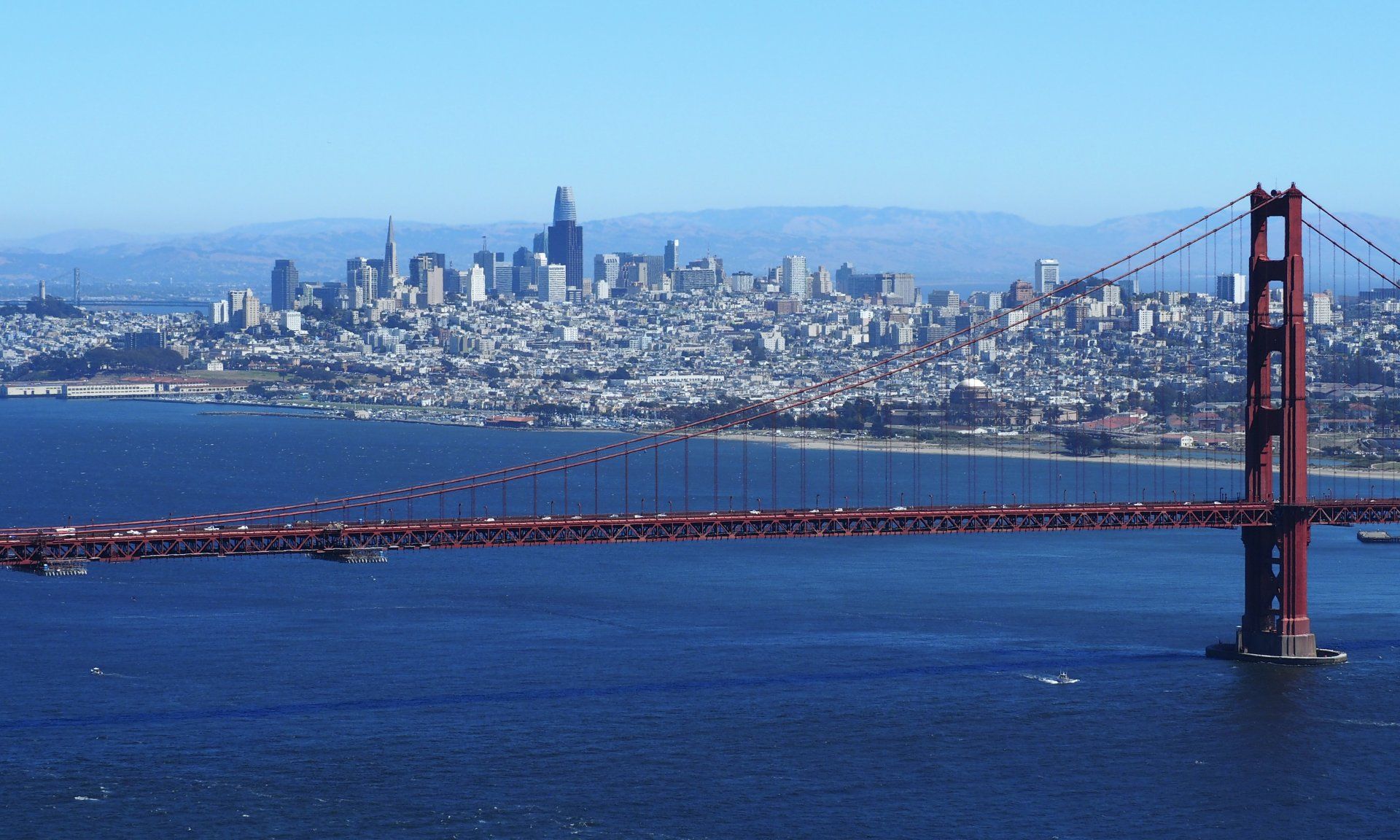
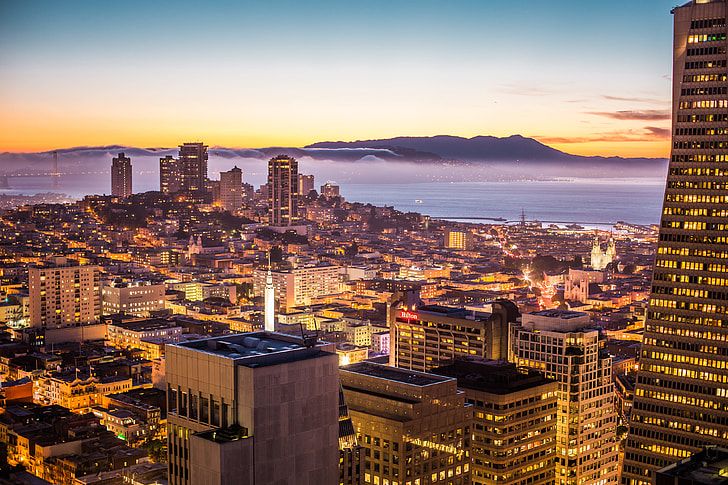
Founded in June 1776 as the Presidio of San Francisco on the northern tip of the San Francisco Peninsula, San Francisco is one of the most geographically and culturally distinct cities in the United States. Unlike its Bay Area neighbors — Oakland, San Jose, or Berkeley — San Francisco occupies its own consolidated city-county, a political structure that gives it unusual autonomy and a governing identity entirely its own. Covering just 46.9 square miles between the Pacific Ocean and San Francisco Bay, the city packs more than 827,000 residents, over 40 hills, and some of the world's most recognizable landmarks into a remarkably compact footprint.

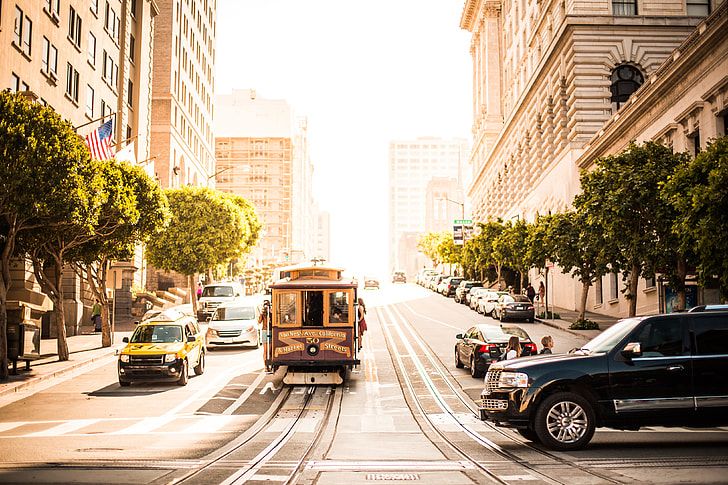
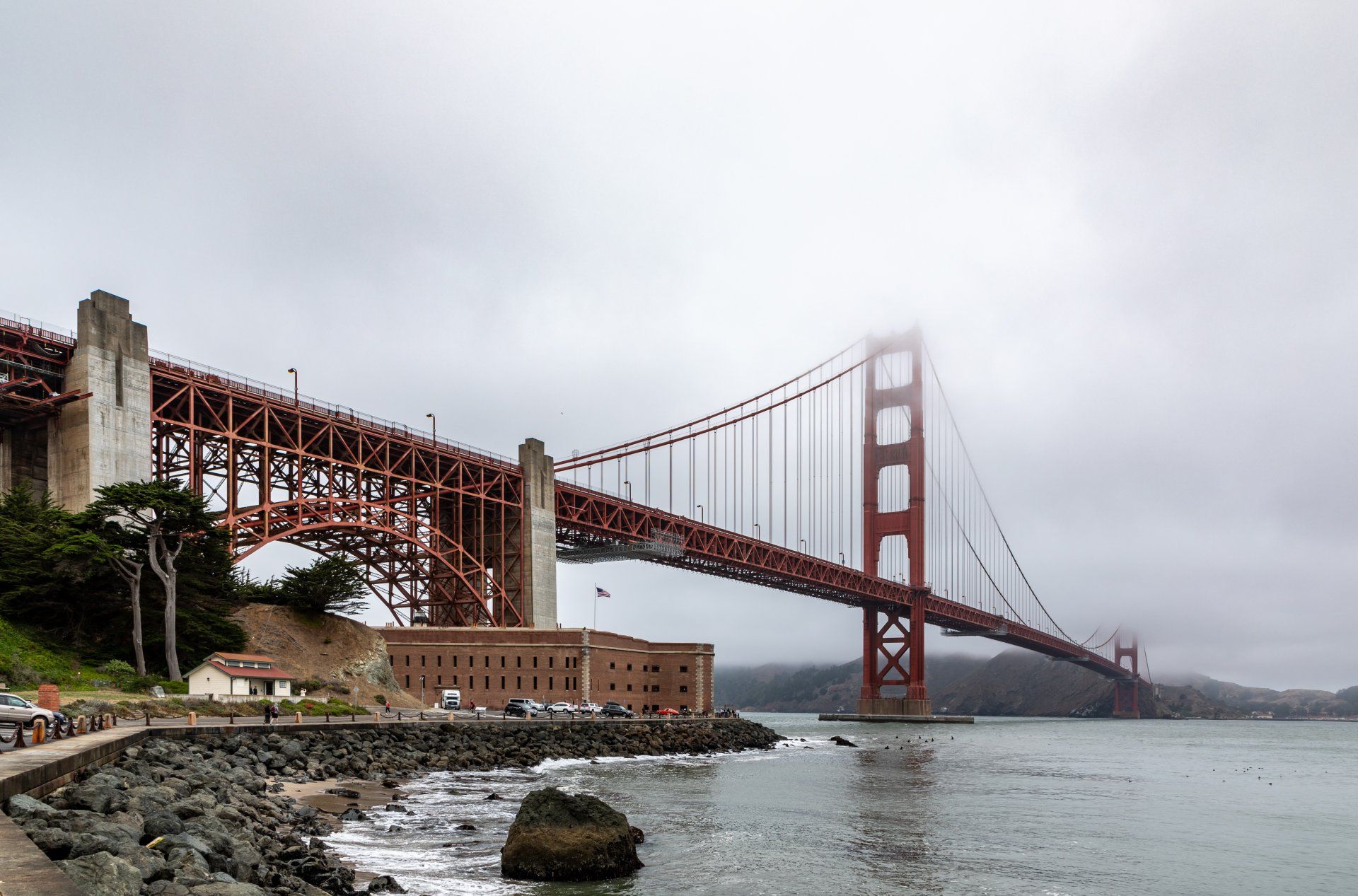
The Golden Gate Bridge, the historic cable car lines, and the BART system — which connects San Francisco to the broader Bay Area — are not just tourist attractions but daily fixtures of life here. From the waterfront to neighborhoods like the bayview area San Francisco, the city rewards those who look beyond the postcard images and invest in understanding its layered, neighborhood-by-neighborhood character.

With a median household income of $112,000, a GDP per capita exceeding $300,000, and a concentration of technology, finance, and healthcare industries unmatched anywhere in the country, San Francisco remains one of the most economically consequential cities on earth — and for buyers and investors who understand its dynamics, that makes it a compelling place to put down roots.


Community Profile

Few American cities pack as much economic firepower and intellectual energy into a single zip code as this one. The median household income here stands at a remarkable $140,970 — nearly double the national median — and an extraordinary 61.2% of households earn six figures or more. That prosperity is broadly shared across a highly credentialed workforce: 60.4% of residents hold a bachelor's degree or higher, nearly twice the national rate of 33%, and 25.4% have earned a graduate degree. The city's deep roots in technology and innovation are reflected in the fact that 54.8% of degree holders studied STEM fields, making this one of the most technically skilled urban populations in the country.

The community skews toward its prime working years, with the largest age cohort — 20.2% of residents — falling between 30 and 39, and a median age of 40 that closely mirrors the national figure. Dual-income households make up 61.1% of families, a testament to the city's robust labor market and the ambition of the people who choose to put down roots here. Whether you're exploring homes for sale in San Francisco, CA near the waterfront or considering a Victorian in the Mission neighborhood San Francisco CA is known for, renters who do transition to ownership benefit from a rent burden of just 26.4% of income — a manageable threshold given local earnings. Add a remarkably low uninsured rate of 3.3% and a richly diverse population where 35.2% identify as Asian and 16.2% as Hispanic or Latino, and the picture that emerges is of a city that is cosmopolitan, accomplished, and full of opportunity.

Things to Do

Outdoor Recreation

San Francisco's 46.9 square miles pack an extraordinary range of outdoor experiences. Golden Gate Park — one of the largest urban parks in the country — stretches across 1,017 acres and offers everything from botanical gardens and buffalo paddocks to paddle boating on Stow Lake. Just beyond the park's western edge, Ocean Beach provides miles of windswept shoreline perfect for sunset walks. For panoramic city views, hike to the summit of Twin Peaks or explore the trails of Land's End, where rugged coastal bluffs frame dramatic views of the Golden Gate. The Embarcadero waterfront promenade is ideal for cycling or jogging, stretching from the Ferry Building all the way toward AT&T Park.

Arts & Culture

Few American cities rival San Francisco's cultural density. The de Young Museum in Golden Gate Park houses an impressive collection of American art and hosts major traveling exhibitions, while the nearby California Academy of Sciences combines a natural history museum, planetarium, and living coral reef under one living roof. The San Francisco Museum of Modern Art (SFMOMA) on Third Street is one of the largest modern art museums in the country. Music lovers can catch world-class performances at the San Francisco Symphony at Davies Symphony Hall, the San Francisco Opera at the War Memorial Opera House, or intimate jazz sets at the celebrated SFJAZZ Center in Hayes Valley. Chinatown — the oldest in North America — offers a living cultural landmark just blocks from Union Square.

Dining & Shopping

San Francisco's restaurant scene reflects its remarkable diversity. The Ferry Building Marketplace on the Embarcadero is a destination in itself, with artisan food vendors and a celebrated Saturday farmers market. The Mission District is renowned for its taquerias and vibrant Latin American dining culture, while Hayes Valley and North Beach offer everything from boutique wine bars to classic Italian trattorias. For shopping, Union Square anchors the city's retail core with flagship stores and independent boutiques alike.

Sports & Family Activities

Oracle Park, home of the San Francisco Giants, sits beautifully along the bay in the China Basin area — a game here, with views of the water beyond the right-field wall, is a quintessential San Francisco experience. The Golden State Warriors play at Chase Center in Mission Bay. Families shouldn't miss Alcatraz Island, a short ferry ride from Pier 33, or the Exploratorium at Pier 15, one of the country's premier hands-on science museums. The historic cable car lines — operating since 1873 — are both a practical transit option and a beloved attraction in their own right.

Latest Properties in San Francisco

Loading...

Loading latest properties...

See All Properties in San Francisco

History

From Gold Rush Boomtown to a $1.4 Million Median

San Francisco's story begins in earnest on June 29, 1776, when Spanish colonists under Juan Bautista de Anza and José Joaquín Moraga established the Presidio of San Francisco and the nearby Mission San Francisco de Asís — both named for Saint Francis of Assisi. The small settlement, then called Yerba Buena, remained a modest outpost until January 30, 1847, when alcalde Washington Bartlett officially renamed it San Francisco. Two years later, the California Gold Rush of 1849 transformed everything: the city's population exploded past 25,000 by 1850, and San Francisco became the dominant commercial port of the American West.

The earthquake and fire of April 1906 leveled roughly three-quarters of the city, yet San Francisco rebuilt with remarkable speed — hosting the Panama-Pacific International Exposition by 1915 as a declaration of its resilience. That same spirit of rapid reconstruction shaped the dense, mixed-use neighborhoods that define the city today. World War II brought another wave of transformation, as San Francisco served as a primary Pacific Theater embarkation port, drawing waves of new residents whose postwar settlement patterns gave many neighborhoods their current residential character.

The postwar decades added another layer: the counterculture movements of the 1960s cemented San Francisco's identity as a place that attracts the unconventional and the ambitious. That magnetism eventually drew the technology industry, and by the 2010s, the presence of companies like Salesforce, Uber, Airbnb, and OpenAI had pushed the median home price to $1.4 million — a figure that directly reflects nearly 250 years of accumulated desirability, geographic constraint, and economic reinvention. Neighborhoods across the city, from the bayview area San Francisco to Pacific Heights, each carry the imprint of a specific chapter in that long history.

Weather

A Climate Unlike Any Other American City

San Francisco's climate is classified as a Mediterranean climate (Köppen Csb), though it carries a distinctly cool, marine character that sets it apart from the warm, sun-drenched Mediterranean conditions found in Southern California. Positioned on a narrow peninsula between the Pacific Ocean and San Francisco Bay, the city is profoundly shaped by cold offshore currents and prevailing westerly winds that keep temperatures remarkably stable year-round.

Summers are famously mild and often foggy, with daytime highs typically ranging from the mid-60s°F and overnight lows settling into the low-to-mid 50s°F. The city's notorious summer fog — a defining feature in neighborhoods from the Sunset District to the bayview san francisco waterfront — rolls in through the Golden Gate and over the hills as inland valleys heat up and draw cool marine air inland. Winters are gentle by national standards, with highs generally in the mid-50s°F and lows rarely dipping below the mid-40s°F. Snow is essentially unheard of at sea level.

Rainfall is concentrated almost entirely between November and March, averaging roughly 20 inches annually, with dry summers the norm. San Francisco's 40-plus hills create pronounced microclimates — conditions can vary dramatically from one neighborhood to the next within just a few blocks.

For real estate, this climate is a genuine asset. Air conditioning is rarely necessary, keeping energy costs low, while the wet winters make roof integrity and drainage critical maintenance priorities for homeowners throughout the city.

San Francisco Market Analytics

The San Francisco real estate market is showing signs of balance, with the average home value increasing by 4.0% over the past year to $1,299,230, according to data analyzed by Opulist. This suggests that the market is still favorable for sellers, with 56.9% of sales happening above the list price, but also indicates a potential slowdown in price growth, which could be beneficial for buyers. Overall, the market trends indicate a healthy and stable real estate market in San Francisco, making it a good time for both buyers and sellers to explore their options with the guidance of a reputable brokerage like Opulist.


1-Year Home Value Change: +4%

San Francisco Home Value Index over time.

Can I Afford San Francisco?
$
%
$0
Est. Monthly Payment
$0/yr
Salary Required

*Principal & interest only. Salary based on 28% debt-to-income ratio.

Get Pre-Approved for San Francisco