
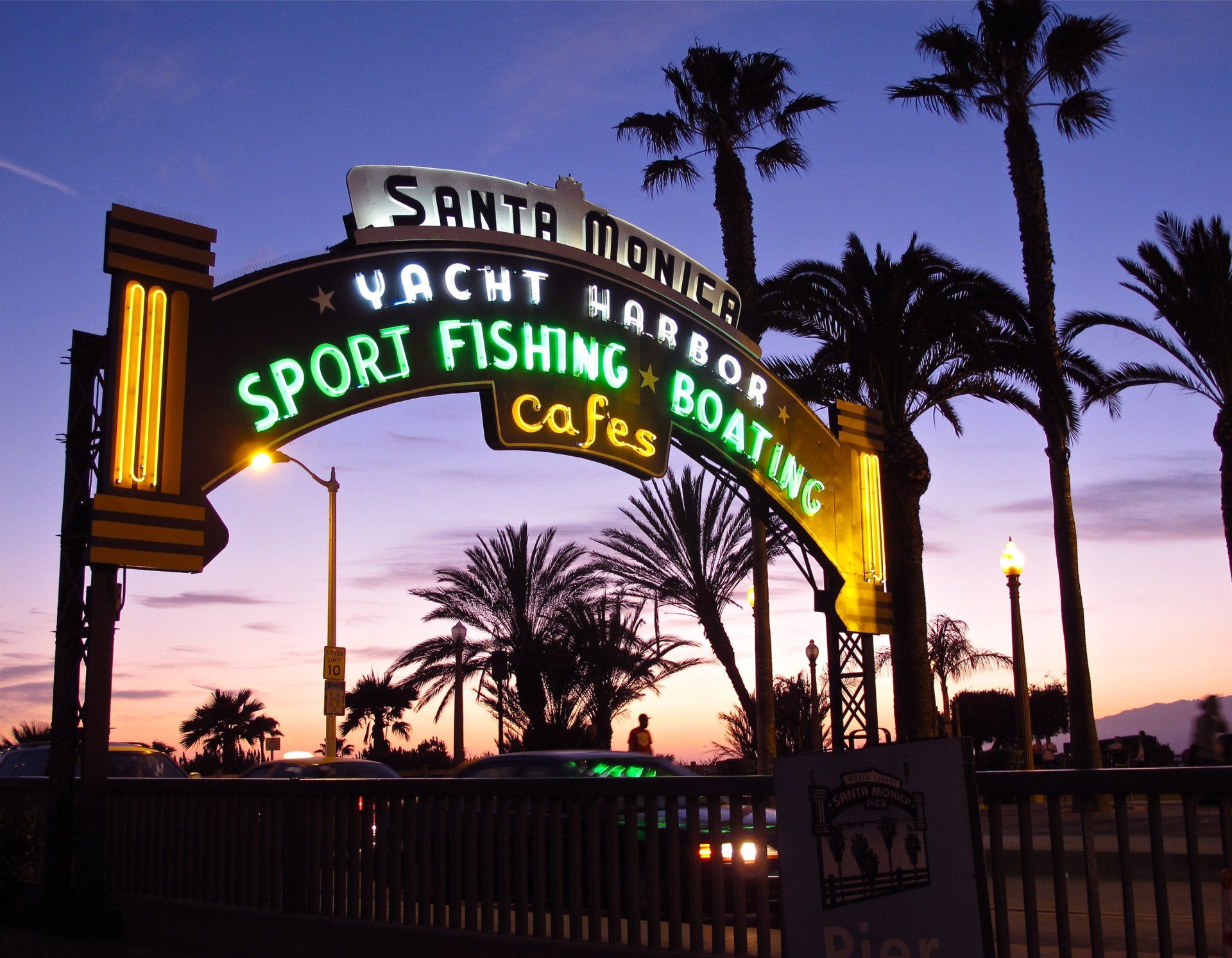
Incorporated on November 30, 1886, Santa Monica occupies just 8.42 square miles of land along Santa Monica Bay in western Los Angeles County — yet it packs an outsized identity into that compact footprint. Unlike its sprawling neighbor Los Angeles, which completely surrounds it, Santa Monica functions as a self-contained city with its own government, school district, and civic infrastructure, giving residents a genuine sense of place that larger metro neighborhoods simply cannot replicate. The Santa Monica Pier, established in 1909, remains one of the most recognized landmarks on the California coast, and Palisades Park stretches along the bluffs above the Pacific, offering views that define the Southern California experience. The city's economy runs deep, with corporate headquarters including Hulu and Universal Music Group anchoring a professional class that drives a median household income approaching $100,000. For those exploring apartments in Santa Monica, California, the options range from historic courtyard buildings to modern mixed-use developments steps from the beach. With a Mediterranean climate averaging around 64°F year-round and the Expo Line connecting the city directly to downtown Los Angeles, Santa Monica offers coastal living without isolation — making it one of the most compelling places to put down roots on the West Coast.
Welcome to Santa Monica
Community Profile
Perched on the edge of the Pacific with Santa Monica Bay as its backyard, this celebrated coastal city punches well above its weight in nearly every quality-of-life measure. With a median household income of $114,885 — more than 50% above the national median — and a striking 70.7% of residents holding a bachelor's degree or higher (more than double the national rate of roughly 33%), the community attracts and retains some of the most accomplished professionals in the greater Los Angeles region. Nearly one in three residents holds a graduate degree, and 45.9% have backgrounds in STEM fields, reflecting the deep concentration of tech, entertainment, and healthcare talent that calls this beachside city home.
The population skews toward established, productive adults — the median age of 42.7 years is notably higher than the national median of 38.5, and a robust 19% of residents are 30 to 39 years old, meaning young professionals and dual-income households are very much part of the fabric here. In fact, 55.3% of families are dual-income earners, and a remarkable 55.9% of households bring in six figures or more. The average commute clocks in at just 24.8 minutes, a genuine luxury within the Los Angeles metro. For those exploring apartments in Santa Monica, California, the median rent of $2,402 represents a rent burden of only 28.2% of income — a manageable figure given the area's earning power. With a low uninsured rate of just 3.5% and a diverse, well-connected community of 91,169 residents, Santa Monica offers a rare combination of coastal lifestyle and economic vitality that few cities anywhere can match.
Things to Do
Outdoor Recreation
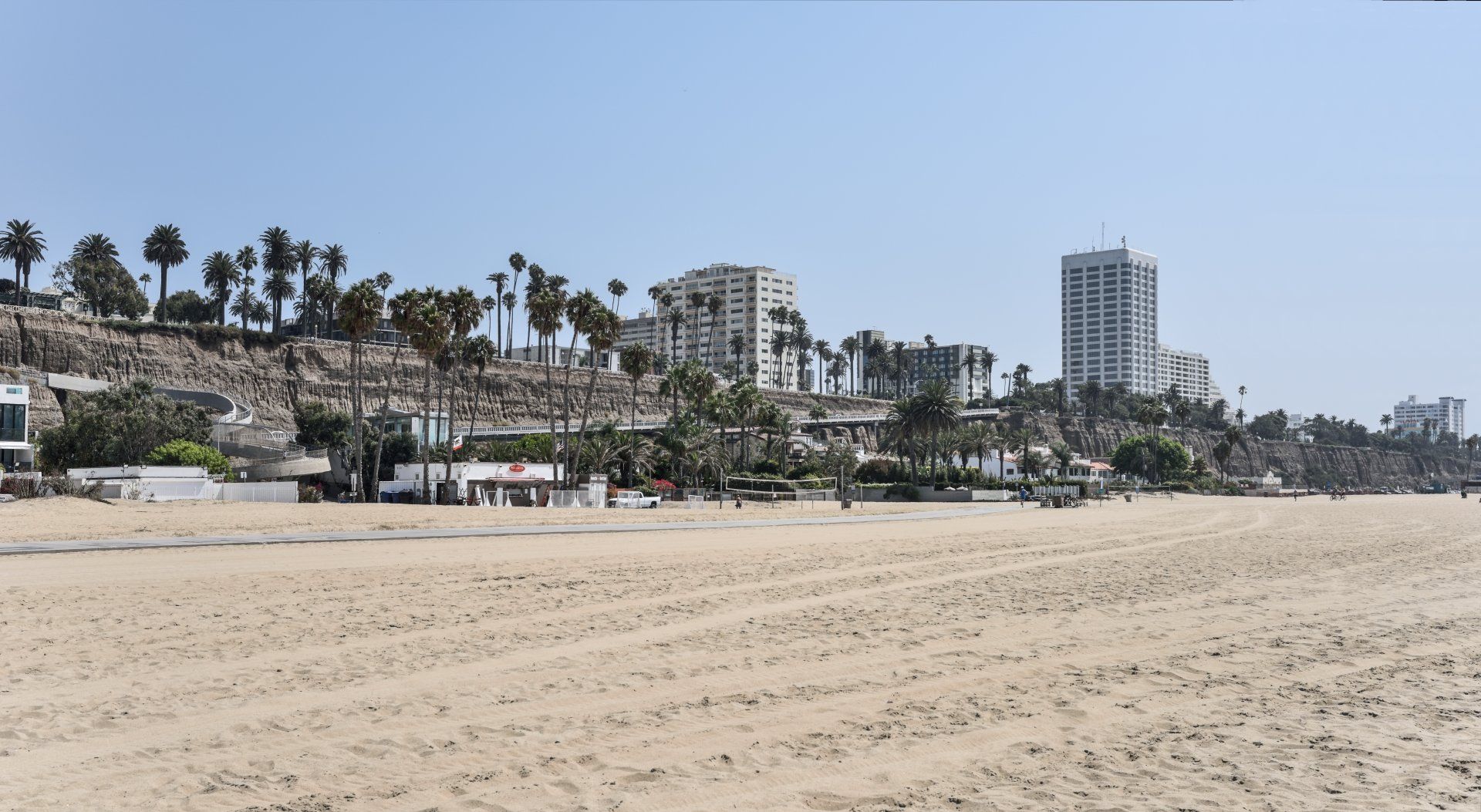
Santa Monica's greatest draw is its natural setting, and Santa Monica State Beach anchors the entire experience. Stretching for miles along Santa Monica Bay, the beach draws swimmers, surfers, volleyball players, and sunbathers year-round, thanks to the city's mild Mediterranean climate that keeps temperatures comfortable in every season. Just above the sand, Palisades Park — one of the city's oldest green spaces — runs along the bluffs of Ocean Avenue, offering sweeping Pacific views and shaded walking paths that are ideal for a morning stroll. The Santa Monica Pier, established in 1909, remains one of Southern California's most iconic landmarks, complete with an amusement park, a Ferris wheel, an aquarium, and a fishing deck that stretches out over the bay.
Arts & Culture
Santa Monica punches well above its weight culturally for a city of just over 93,000 residents. The Santa Monica Film Festival draws independent filmmakers and cinema enthusiasts each year, reflecting the city's deep ties to the entertainment industry. Free summer concerts at the Santa Monica Pier have been a beloved community tradition for decades, drawing locals and visitors alike on warm evenings. The city's gallery scene along Main Street and in the Bergamot Station arts complex adds a serious visual arts dimension to the cultural calendar.
Shopping & Dining
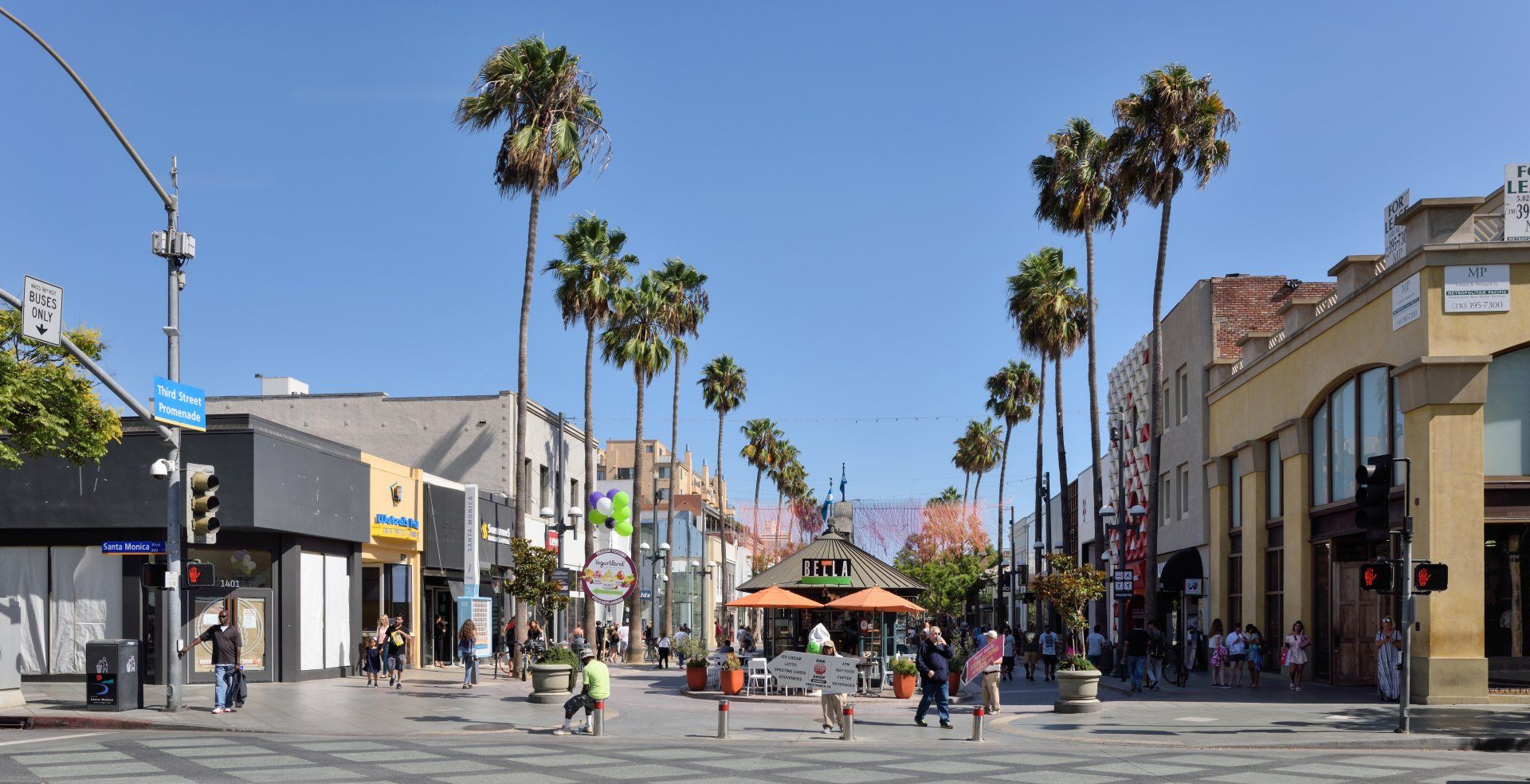
The Third Street Promenade is Santa Monica's bustling pedestrian shopping corridor, lined with national retailers, local boutiques, street performers, and a wide range of restaurants and cafés. Just south, Main Street offers a more relaxed, neighborhood feel with independent shops and casual dining. Montana Avenue is the go-to destination for upscale boutiques and weekend brunch spots. The dining scene across the city spans everything from beachside seafood to globally inspired cuisine, reflecting the cosmopolitan character of the Westside.
Family Activities & Fitness
Families will find plenty to keep everyone busy, from the rides at Pacific Park on the Pier to beach volleyball — a sport with deep roots here, believed to have originated on these very sands in the 1920s. The Santa Monica Bike Path runs along the coast and connects to the broader South Bay Bicycle Trail, making it one of the most scenic cycling routes in Los Angeles. For those exploring apartments in Santa Monica, CA, the walkability and proximity to all of these amenities is a major part of the city's enduring appeal.
Latest Properties in Santa Monica
Loading latest properties...
History
From Rancho to Real Estate: A Brief History of Santa Monica
Santa Monica's story begins long before its incorporation. The Tongva people inhabited this coastal stretch for centuries, and the first non-indigenous visitors — the party of explorer Gaspar de Portolá — camped near present-day Barrington and Ohio Avenues on August 3, 1769. The land later became Rancho San Vicente y Santa Mónica, granted in 1839 to the Sepúlveda family under Mexican rule.
The modern city took shape in 1875, when Senator John P. Jones and developer Robert Baker — along with Baker's wife, Californio heiress Arcadia Bandini de Baker, known as the "Godmother of Santa Monica" — platted the townsite. Santa Monica incorporated in 1886 and quickly grew into a seaside resort, drawing visitors via the Pacific Electric Railway to its beaches, Palisades Park, and the Santa Monica Pier, established in 1909.
The 20th century brought industry alongside leisure. Donald Wills Douglas Sr. opened his aircraft plant at Clover Field in 1922, eventually employing 44,000 workers during World War II. The RAND Corporation spun out of Douglas in 1948 and remains in the city today. Postwar prosperity reshaped Santa Monica's residential fabric, producing the dense mix of bungalows, dingbat apartments, and mid-century buildings that still define many of its neighborhoods.
That layered history — resort town, aerospace hub, creative economy — directly informs today's market. The desirability that once drew Victorian vacationers now drives intense demand for apartments in Santa Monica, California, where proximity to the beach, a walkable urban core, and corporate neighbors like Hulu and Universal Music Group make the city one of the most sought-after addresses on the Westside.
Weather
Santa Monica enjoys one of the most enviable climates in the United States, classified as a Mediterranean climate (Köppen Csb) — characterized by mild, relatively dry summers and cool, modestly wet winters. The Pacific Ocean is not merely a backdrop here; it is the dominant force shaping every season, moderating temperatures and keeping the city remarkably comfortable year-round.
Summer highs typically settle in the mid-70s °F, rarely climbing into the 80s near the coast, while overnight lows hover in the low-to-mid 60s. A well-known phenomenon called the "marine layer" rolls in from Santa Monica Bay during late spring and early summer, blanketing mornings in cool, low clouds before burning off by afternoon — locals call it "June Gloom." Winters are gentle, with daytime highs generally in the mid-to-upper 60s °F and lows dipping into the mid-40s at their coolest. Snow is essentially unheard of.
Rainfall is modest and concentrated almost entirely between November and March, averaging roughly 12 to 15 inches annually. Summers are reliably dry. The nearby Santa Monica Mountains help shield the city from the intense heat that grips inland Los Angeles valleys.
For real estate, this climate is a significant asset. Outdoor living spaces — decks, patios, and balconies — are genuinely usable nearly every day of the year, which drives demand for apartments in Santa Monica, CA with exterior amenities. Heating and cooling costs remain low compared to most American cities, though residents should account for occasional winter storm maintenance and the salt-air exposure that can affect building exteriors over time.
Santa Monica Market Analytics
Can I Afford Santa Monica?
Weather