
Scotia, New York

Location:
Scotia, NY

Welcome to Scotia

Incorporated in 1904, Scotia, New York is a village of just 1.79 square miles situated on the north bank of the Mohawk River in Schenectady County — directly across the Western Gateway Bridge from the city of Schenectady. That bridge connection is more than a convenience; it defines Scotia's character as a place with genuine small-town walkability and immediate access to a full urban core, something few communities in the Capital Region can claim. While Schenectady offers the employment hubs and Scotia shares its school district through Scotia-Glenville Central School District, the village maintains its own police, fire, and parks departments, giving residents a distinct local identity rather than a generic suburban experience.

Scotia's roots stretch to the 17th century, when Scottish settler Alexander Lindsay Glen established his estate here — a legacy still visible at the Glen Sanders Mansion, portions of which date to 1713. Collins Park, with its lake, picnic areas, and summer performances by the U.S. Water Ski Show Team, gives the village a recreational anchor that larger neighboring towns simply don't have. With a median household income of $74,185 and a poverty rate under 4%, Scotia's economic profile is stable and growing. For buyers and investors exploring apartments for rent in Scotia Glenville NY or a permanent home purchase, this is a community where history, affordability, and Mohawk Valley scenery converge into something genuinely worth putting down roots in.

Community Profile

Tucked along the Mohawk River in Schenectady County, this tight-knit village of 7,264 residents punches well above its size when it comes to economic stability and quality of life. The median household income here stands at $76,525 — edging past the national median — and a remarkable 42.2% of households bring home six figures or more, reflecting a community of genuine financial strength. That prosperity is grounded in an educated, skilled workforce: 38.1% of residents hold a bachelor's degree or higher, and an impressive 37.8% have backgrounds in STEM fields, a nod to the region's deep ties to technology and engineering industries.

What truly sets Scotia apart for prospective buyers is its extraordinary housing value. With a median home price of just $192,669 — a fraction of the national median near $330,000 — homeownership here is genuinely attainable, and residents have taken notice: the homeownership rate of 74.4% far exceeds the national average of 65.5%, signaling a community where people put down roots and stay. Those exploring apartments for rent in Scotia Glenville NY will also find median rents a reasonable $1,031 per month. The average commute of just 22.8 minutes adds further appeal, keeping residents connected to the broader Albany-Schenectady-Troy metro without sacrificing the calm of village life. With a poverty rate of only 4.9% and an uninsured rate of a remarkably low 1.5%, Scotia's numbers tell the story of a community that is stable, skilled, and genuinely welcoming to families at every stage of life.

Things to Do

Outdoor Recreation

Scotia punches well above its weight when it comes to green space and waterfront access. Collins Park is the crown jewel of the village's park system, centered on Collins Lake and offering swimming, fishing, picnicking, and some of the most memorable summer entertainment in the Capital Region — the park hosts performances by the U.S. Water Ski Show Team, a crowd-pleasing annual tradition that draws families from across Schenectady County. Quinlan Park and Freedom Park round out the village's recreational offerings, providing additional green space along the Mohawk River corridor. The riverfront itself is a genuine asset, with waterfront docking available for boaters traveling the Mohawk, and scenic views across to the Schenectady skyline.

History & Culture

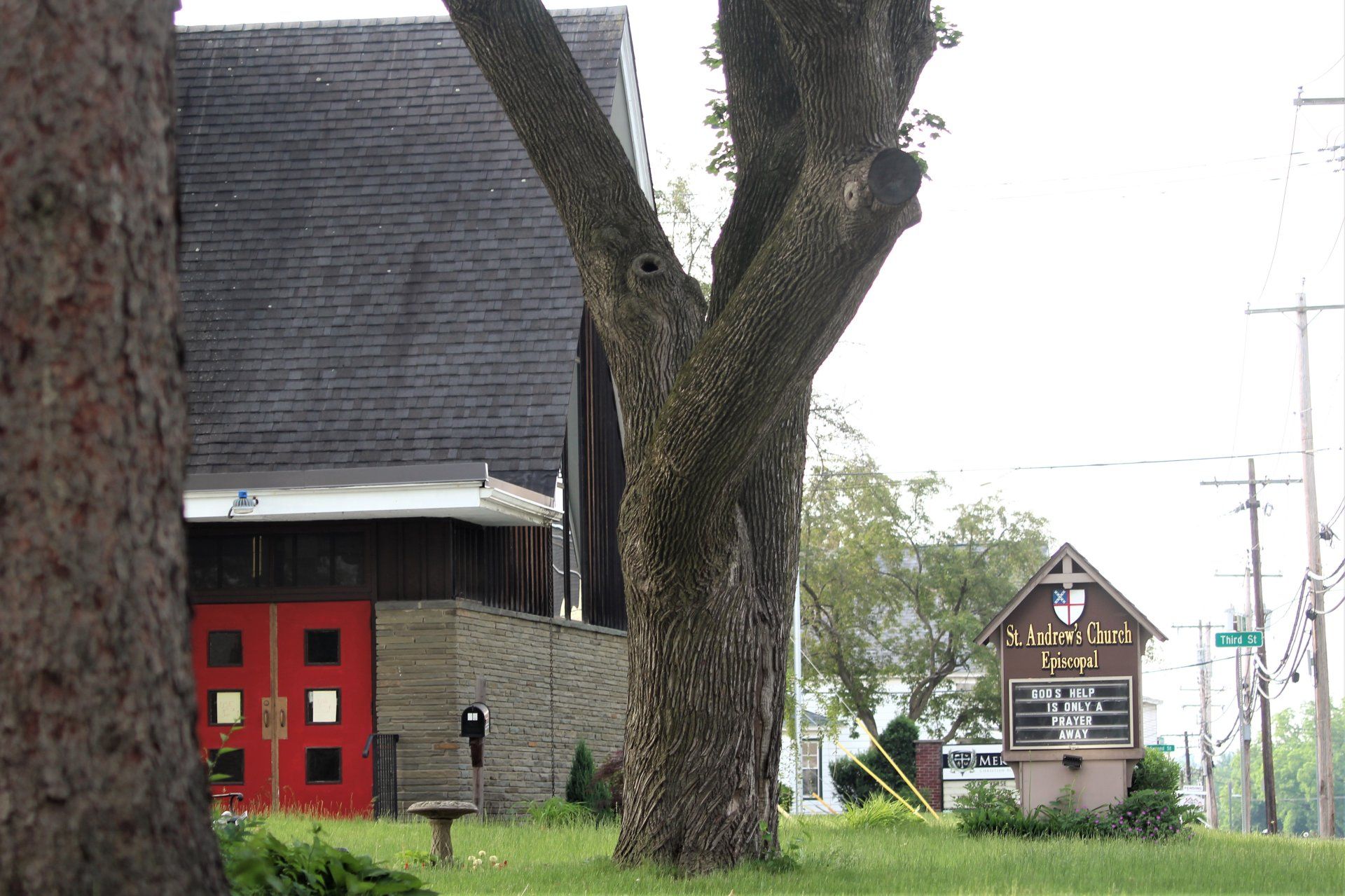
Few villages of Scotia's size carry such a layered historical identity. The Glen Sanders Mansion, with portions dating to 1713, stands as one of the oldest surviving structures in the region and anchors the village's colonial heritage. The Abraham Glen House, built in the 1730s, and the First Baptist Church (1872) add further texture to a walkable historic streetscape. Don't overlook the U.S. Post Office on Mohawk Avenue — listed on the National Register of Historic Places, it features a striking interior mural depicting local history, a quiet gem hiding in plain sight.

Dining & Shopping

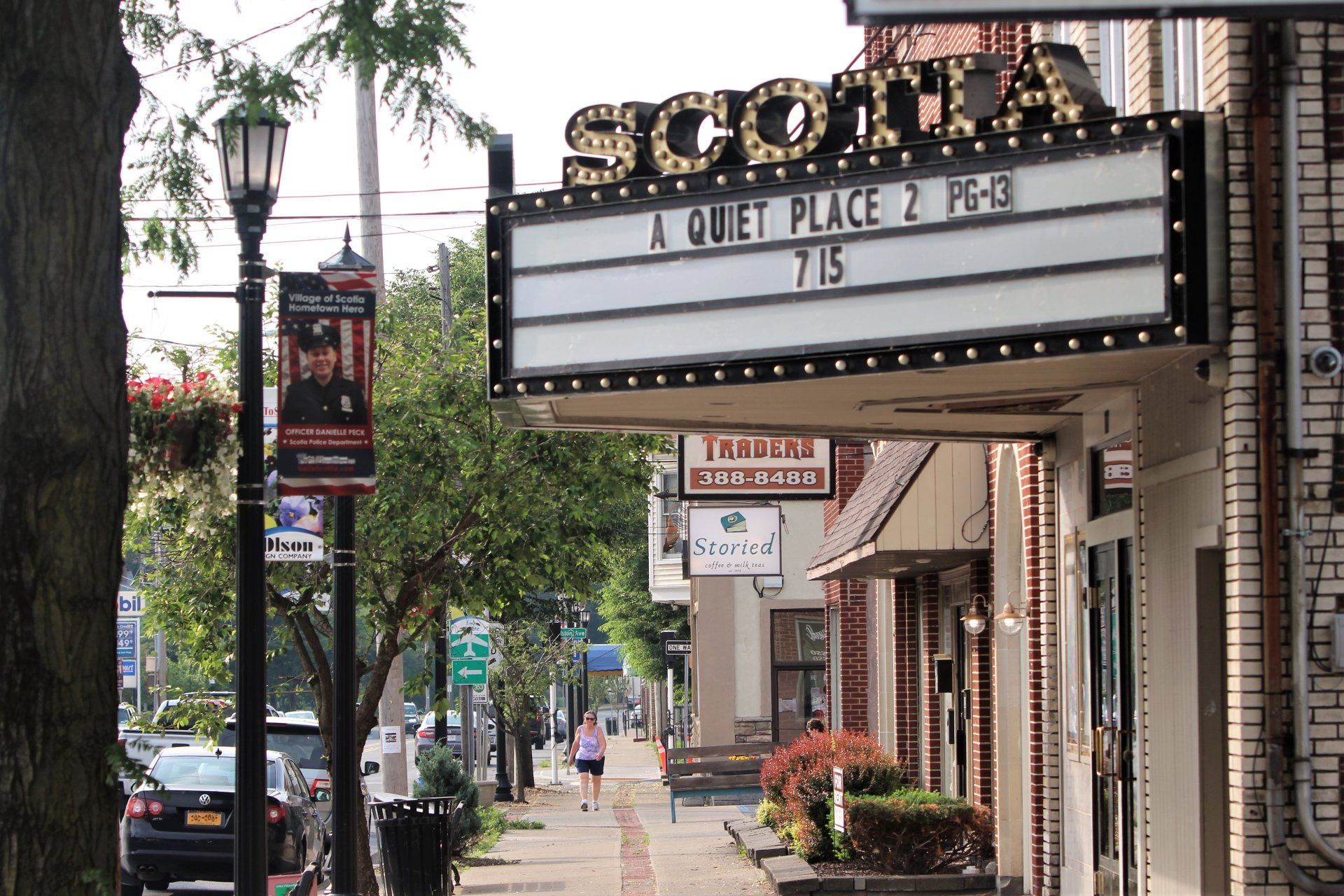
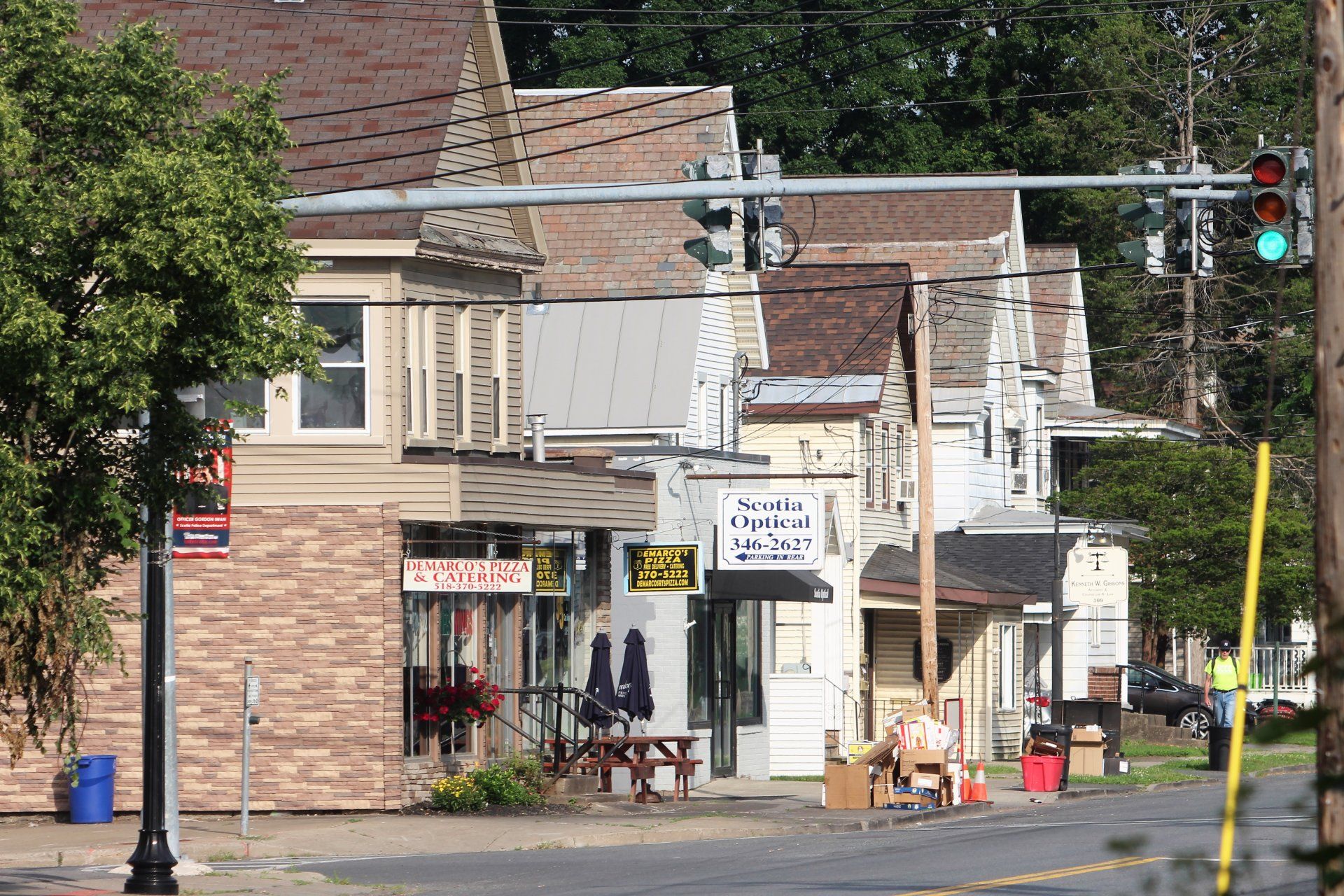
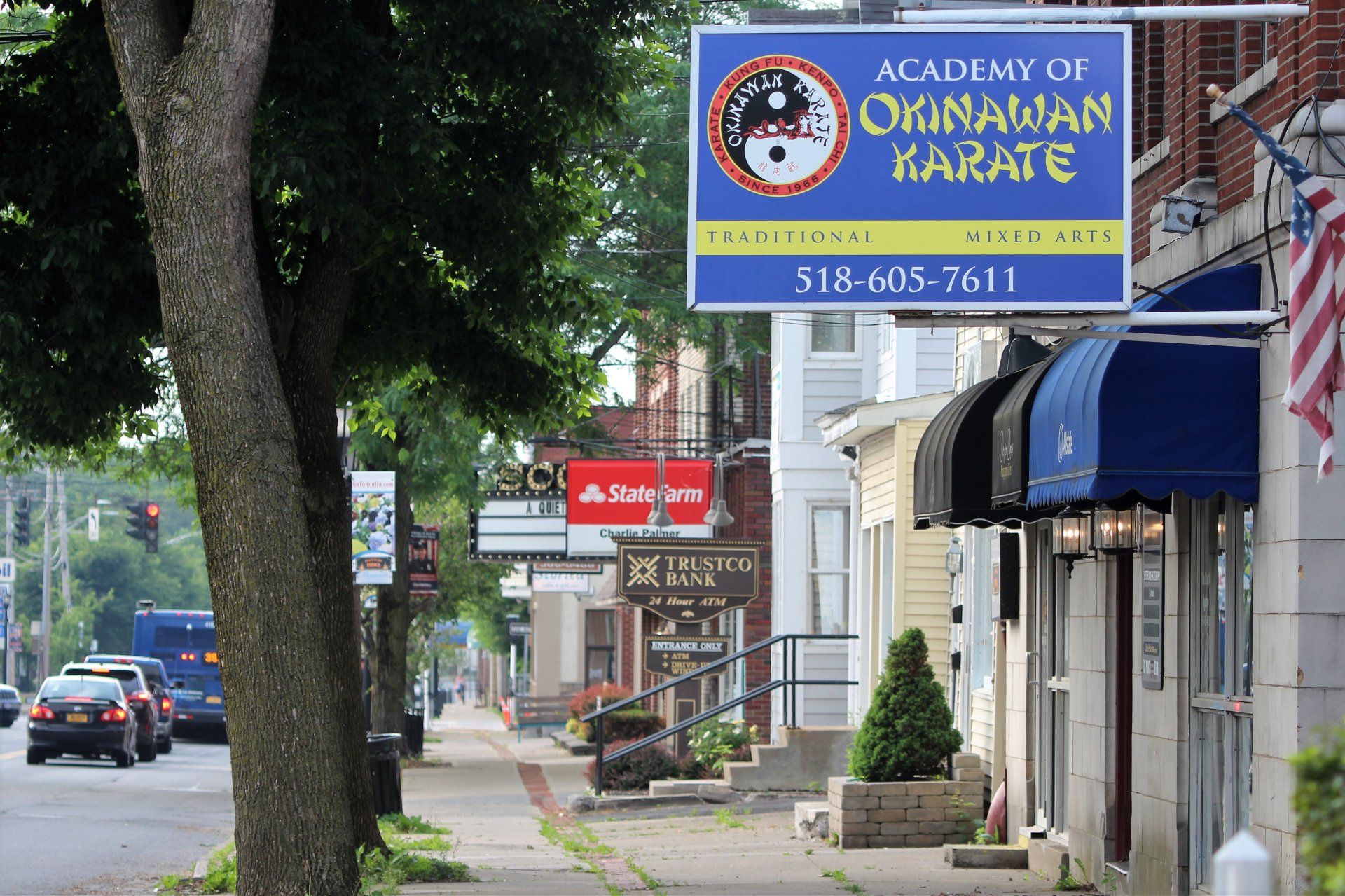
Scotia's compact commercial district along Mohawk Avenue offers a genuine small-town experience, with locally owned restaurants, cafés, and shops within easy walking distance of residential neighborhoods. The village's proximity to Schenectady — just across the Western Gateway Bridge — means residents enjoy access to a much broader dining and entertainment scene within minutes. Those exploring apartments for rent in Scotia Glenville NY will appreciate that everyday essentials, including grocery stores and a movie theater, are all within the village itself.

Family Activities & Community Events

Scotia's community calendar stays active through the warmer months, with Collins Park serving as the natural gathering point for seasonal festivals and outdoor events. The Scotia-Glenville Public Library anchors year-round programming for all ages. Schenectady's cultural institutions — including museums, performing arts venues, and Proctors Theatre — are just a short drive away, making Scotia an ideal base for families who want small-town comfort with easy access to big-city culture.

Latest Properties in Scotia

Loading...

Loading latest properties...

See All Properties in Scotia

History

From Scottish Estate to Suburban Village

Scotia's story begins in the mid-17th century with Alexander Lindsay Glen, a Scottish-born trader who had worked for the Dutch West India Company before settling in the Mohawk Valley. In November 1665, Glen received a formal patent confirming his purchase of roughly 100 acres along the north bank of the Mohawk River, opposite the colonial settlement of Schenectady. He named the property Scotia — Latin for Scotland — in honor of his homeland, a name that has endured for more than three and a half centuries. His sons later built stone structures on the land, including portions of what became the Glen Sanders Mansion, with sections dating to 1713 that still stand today as one of the region's most recognizable historic landmarks.

Through the 18th and 19th centuries, Scotia served as a military encampment during both the French and Indian War and the War of 1812, and later emerged as a surprising industrial hub — at its peak, local manufacturers produced more than one million brooms annually, drawing on broomcorn grown throughout Schenectady County. The village was formally incorporated in 1904, and the completion of the Western Gateway Bridge between 1923 and 1925 cemented its connection to Schenectady across the river.

The 20th century reshaped Scotia into the residential community it remains today. Workers at General Electric in Schenectady settled here in growing numbers, and during World War II the Scotia Naval Supply Depot — established in 1942 and employing over 2,000 people at its wartime peak — brought further economic activity to the village. The postwar decades layered in the modest, well-kept neighborhoods that define much of Scotia's housing stock today. That legacy of working- and middle-class stability is reflected in a current median household income of $74,185 and a tight-knit community of roughly 7,272 residents — making for rent Scotia NY searches increasingly competitive as buyers and renters alike recognize the village's enduring appeal.

Weather

Scotia, New York, experiences a humid continental climate, characteristic of the broader Capital Region and Mohawk Valley. Positioned along the Mohawk River in Schenectady County, the village sees four distinct seasons, each with its own personality and practical implications for residents and anyone exploring apartments for rent in Scotia Glenville NY.

Summers are warm and moderately humid, with daytime highs typically ranging from the mid-80s°F and overnight lows settling in the low-to-mid 60s°F. Winters are cold and snowy — a defining feature of upstate New York living — with average highs in the upper 20s to low 30s°F and lows that can dip into the teens. Spring and autumn are transitional and often beautiful, with crisp air, foliage color along the Mohawk River corridor, and temperatures ranging widely through the 40s–70s°F.

Annual precipitation is fairly well distributed throughout the year, averaging around 40 inches, with additional snowfall accumulation that can exceed 50 inches seasonally. The Mohawk Valley's relatively flat terrain doesn't generate dramatic orographic effects, but cold air funneling through the valley can intensify winter conditions. The river itself contributes to localized humidity in warmer months.

For real estate purposes, the climate means meaningful heating costs from November through March, the importance of well-insulated homes, and attention to roof and gutter maintenance ahead of winter. On the upside, warm summers make Scotia's parks and Collins Lake genuinely enjoyable, and outdoor living spaces — decks, patios, gardens — add real seasonal value to local properties.

Scotia Market Analytics

The Scotia housing market is showing signs of stability and growth, with the average home value increasing by 3.3% over the past year to $246,163, indicating a steady demand for homes in the area. As a trusted advisor at Opulist, I can help you navigate this market and make informed decisions about your home buying or selling needs. With the current for-sale inventory at 11, it's essential to stay up-to-date on the latest market trends and analysis to succeed in this competitive market.


1-Year Home Value Change: +3.3%

Scotia Home Value Index over time.

Can I Afford Scotia?
$
%
$0
Est. Monthly Payment
$0/yr
Salary Required

*Principal & interest only. Salary based on 28% debt-to-income ratio.

Get Pre-Approved for Scotia