
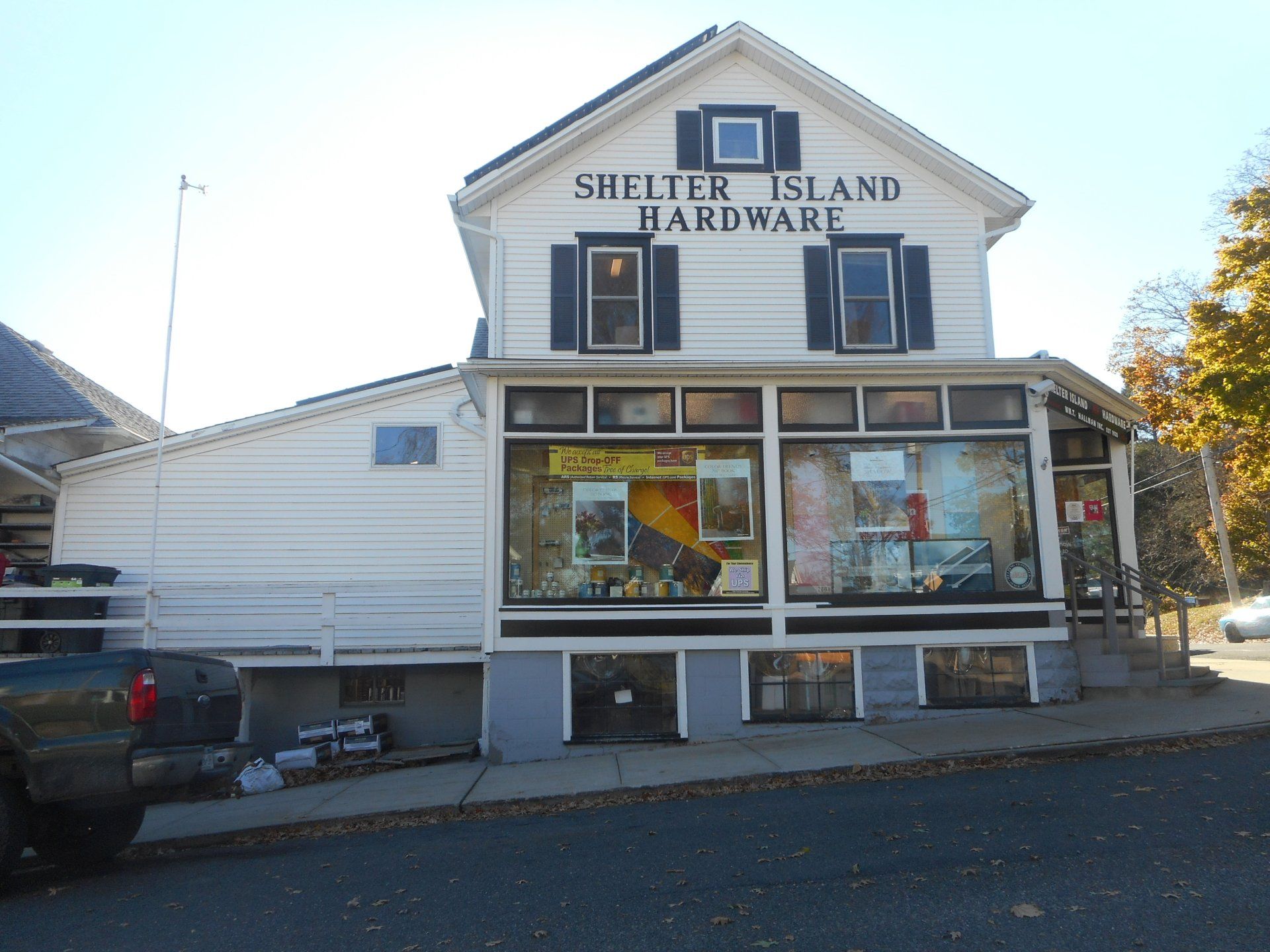
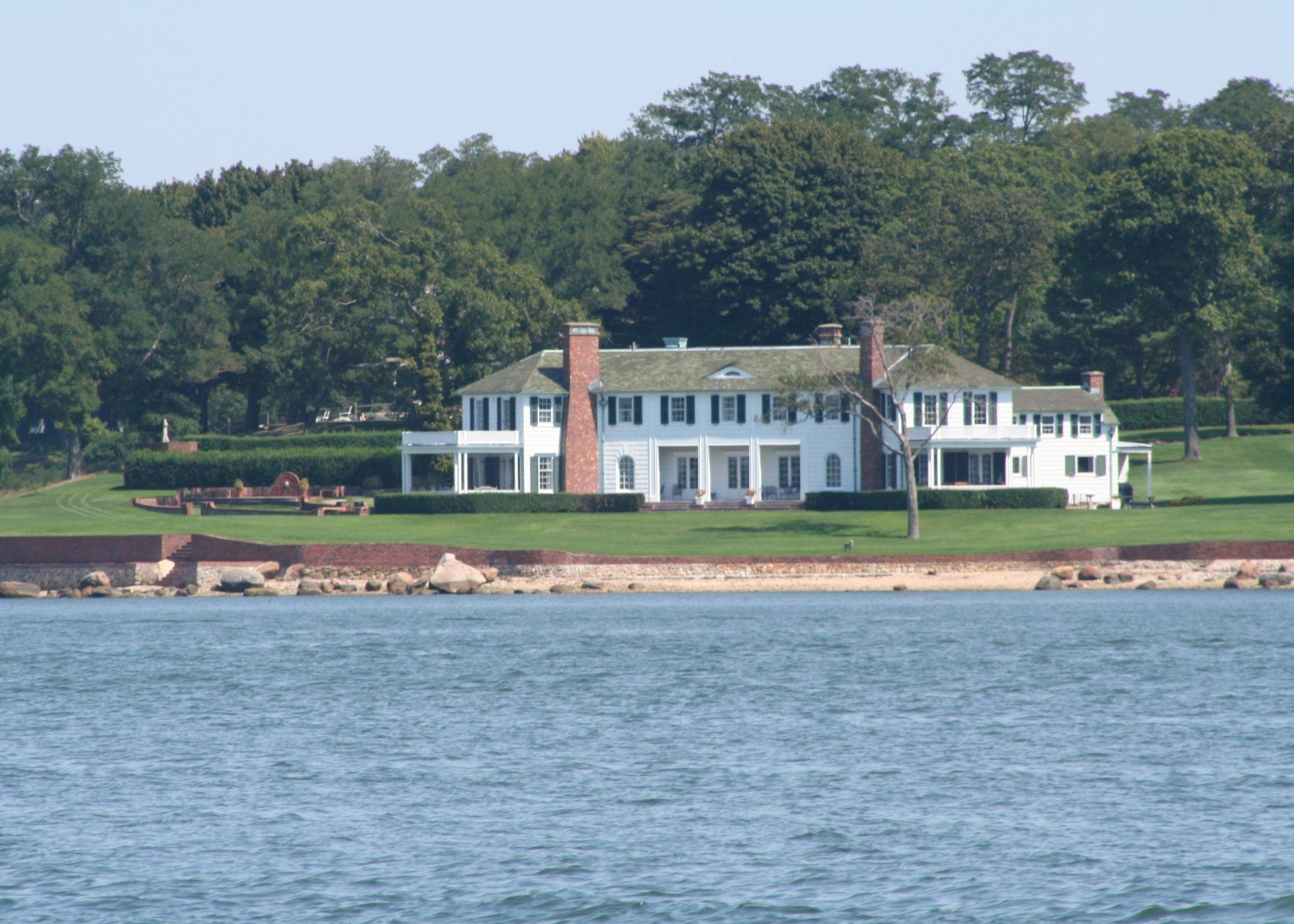
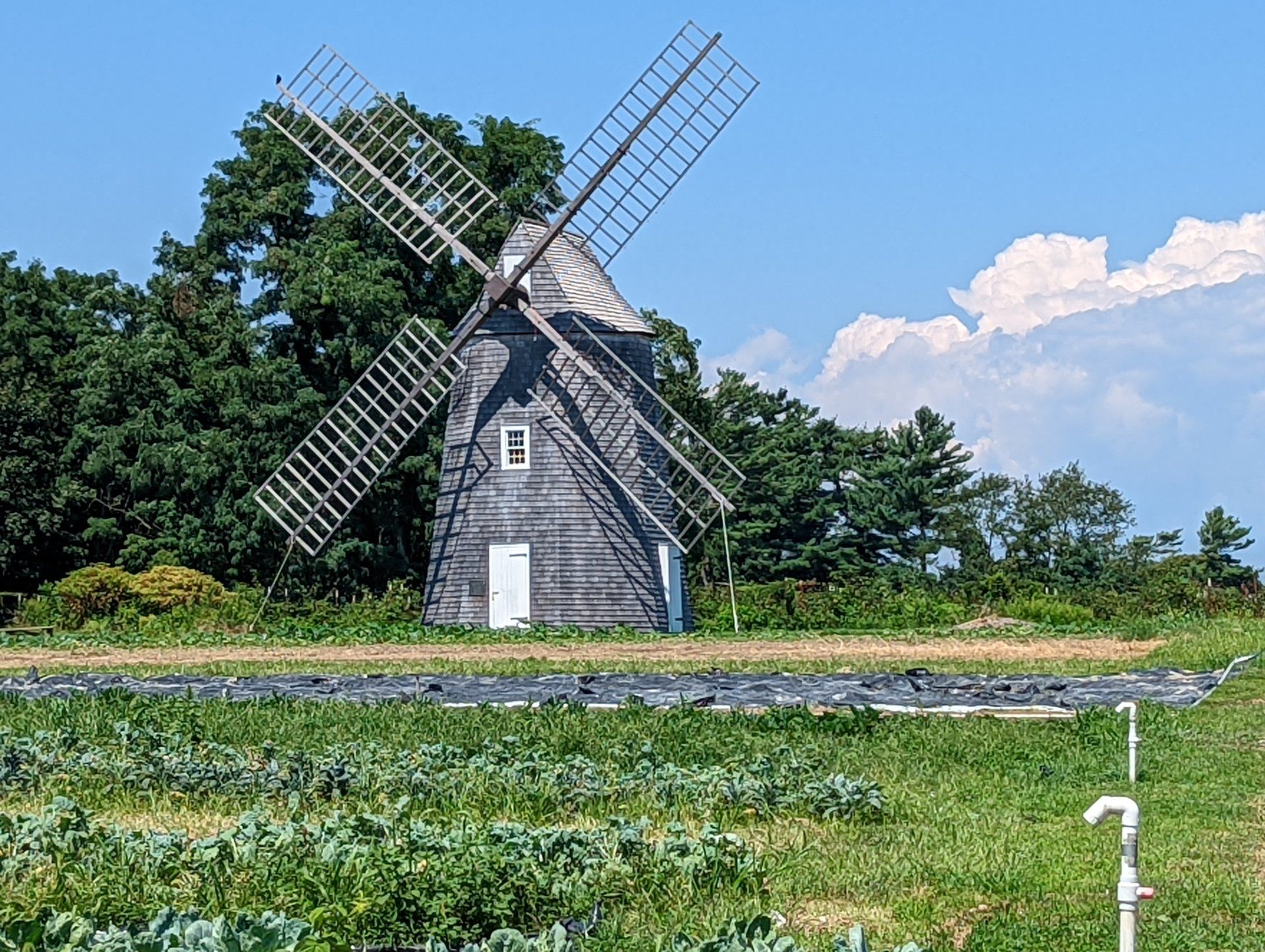
Located in Suffolk County, New York, Shelter Island is situated between the North and South Forks of eastern Long Island, with an area of 6.6 square miles. What sets Shelter Island apart from its neighboring cities is its unique blend of natural beauty, maritime history, and upscale island living. The island is home to the Sylvester Manor, a 17th-century estate that showcases the area's rich history, and the Mashomack Preserve, a picturesque nature reserve that offers stunning views and outdoor activities. Residents and visitors can also access the island via the North Ferry, which connects to Greenport, or the South Ferry, which links to North Haven near Sag Harbor. With its owner-occupied homes and single-family structures, Shelter Island offers a range of homes on Shelter Island for those looking to relocate, including Shelter Island NY houses for sale and Shelter Island homes for sale. As a premier weekend retreat for affluent residents of New York City, Shelter Island is an attractive destination for those seeking a serene escape from the city, making it an ideal place to live for those who value tranquility, natural beauty, and a strong sense of community.
Welcome to Shelter Island
Community Profile
Tucked between the North and South Forks of Long Island's East End, this intimate island community of just 3,355 residents draws a remarkably accomplished and established population. The median household income here reaches $133,967 — nearly double the national median — and an impressive 67.9% of households earn six figures or more, reflecting the kind of financial stability that sustains a genuinely desirable place to put down roots. Those exploring shelter island ny houses for sale will quickly notice that the real estate market mirrors that affluence: the median home value stands at $1,102,914, a figure that speaks to both the scarcity of island living and the enduring demand for it.
The community skews toward experienced, well-credentialed residents, with a median age of 50 years and 36.1% of the population over 65 — hallmarks of a mature, settled enclave popular with second-home owners and retirees who have chosen this as their permanent haven. Education runs deep: 63% hold a bachelor's degree or higher, nearly double the national rate, and 33.3% have earned a graduate degree. Homeownership is nearly universal at 94.7%, compared to the national rate of roughly 65.5%, underscoring just how deeply residents are invested in this place. With a low poverty rate of just 6% and a population density of only 103 people per square mile, homes on shelter island offer something increasingly rare: privacy, prestige, and a true sense of community in one of the most storied corners of New York.
Things to Do
Outdoor Recreation
Shelter Island's crown jewel for outdoor enthusiasts is Mashomack Preserve, a nearly 2,000-acre nature sanctuary managed by The Nature Conservancy that encompasses roughly one-third of the entire island. Trails wind through oak woodlands, tidal creeks, and saltmarsh, offering exceptional birdwatching, hiking, and quiet contemplation. The preserve's shoreline along Gardiners Bay is among the most pristine on the East End. Beyond Mashomack, the island's network of quiet lanes is ideal for cycling, and the surrounding waters of Peconic Bay, Shelter Island Sound, and Noyack Bay draw kayakers, paddleboarders, sailors, and anglers throughout the warmer months. Crescent Beach is a beloved local spot for swimming and sunset watching.
History & Culture
Sylvester Manor Educational Farm is one of the most historically significant sites on the East End — a working farm and cultural landmark on land continuously farmed since the 1650s, when the Sylvester family established it as a provisioning plantation. Today it hosts farm tours, concerts, and community events that connect visitors to the island's deep agricultural and Quaker heritage. The Manhanset Chapel, a charming nondenominational structure dating to 1890, reflects the island's quieter spiritual character and remains an architectural landmark within the hamlet.
Dining & Local Flavor
Shelter Island's dining scene is intimate and seasonal, with waterfront restaurants and casual spots clustered near the ferry landings and the hamlet center. The island rewards those who explore — from relaxed harborside lunches to candlelit dinners showcasing local seafood and East End produce. Summer brings the island to life with pop-up events, farm stands, and outdoor gatherings that give the community a festive, unhurried energy entirely its own.
Family Activities & Seasonal Events
Summer on Shelter Island means sailing lessons, fishing charters, and long afternoons on the water. The island's small scale makes it wonderfully navigable for families — children can safely roam in a way that feels increasingly rare. Annual community events, outdoor concerts at Sylvester Manor, and the simple pleasure of arriving by ferry all contribute to a sense of occasion. For those exploring shelter island homes for sale, experiencing the island across seasons reveals just how layered and genuinely special everyday life here can be.
Latest Properties in Shelter Island
Loading latest properties...
History
A History Rooted in Island Isolation
Long before the first shelter island ny houses for sale listings appeared, the island's story began with the Manhanset people, who called it Manhansack-aha-quash-awamock — "an island sheltered by islands" — a name that still captures its essential character. European contact came in 1638 when James Farret negotiated with the Manhanset for possession of the land. By 1651, the island's fate was sealed in an unusual transaction: Nathaniel Sylvester, his brother Constant, Thomas Middleton, and Thomas Rouse purchased the entire 8,000-acre island for 1,600 pounds of muscovado sugar, establishing it as a provisioning plantation for their Barbados sugar operations. Nathaniel Sylvester settled near what is now Sylvester Manor, a historic estate that remains one of the island's most significant landmarks today.
The Town of Shelter Island was formally established in 1730, with early community life shaped by farming, fishing, and a notable Quaker presence — the Sylvesters famously sheltered persecuted Quakers during the colonial era. By the 19th century, ferry connections to Greenport on the North Fork and North Haven near Sag Harbor transformed the island into an accessible resort destination for New Yorkers seeking quiet coastal retreats.
That pattern has never really changed. The same ferry-dependent isolation that defined colonial life now defines the real estate market. With no bridges connecting it to the mainland, Shelter Island has resisted the overdevelopment that reshaped much of the Hamptons. The result is a community where roughly 84% of housing is owner-occupied, lots remain generous, and historic districts around Sylvester Manor and the 1890 Manhanset Chapel coexist with waterfront properties that attract discerning buyers. Those searching for homes on shelter island are, in many ways, buying into four centuries of deliberate, geography-enforced restraint.
Weather
A Climate Shaped by Water on All Sides
Shelter Island enjoys a humid subtropical climate, moderated significantly by its unique position surrounded by the waters of Peconic Bay, Gardiners Bay, and Shelter Island Sound. This maritime influence is the defining force behind the island's weather patterns, softening temperature extremes in both directions and creating conditions noticeably milder than inland Long Island or New York City.
Summers are warm and pleasant, with daytime highs typically ranging from the mid-70s to low 80s°F, while nights cool comfortably into the mid-60s. Winters are relatively mild for the region, with average highs in the mid-30s to low 40s°F and lows dipping into the upper 20s — cold enough for occasional snow but rarely severe. The surrounding water acts as a thermal buffer, delaying both the arrival of summer heat and the bite of winter cold.
Annual precipitation averages around 45 inches, distributed fairly evenly across the year, with occasional nor'easters bringing significant rain or snow in winter months. Coastal fog and sea breezes are common seasonal companions, adding to the island's atmospheric charm.
For those considering homes on Shelter Island, the climate is genuinely appealing — long, livable summers invite outdoor dining, boating, and waterfront entertaining, while mild winters keep heating costs moderate by northeastern standards. That said, the island's coastal exposure means salt air, wind, and storm surge are real maintenance considerations, and properties benefit from weather-resistant materials and regular upkeep. The temperate shoulder seasons — spring and fall — are among the most beautiful times to experience the island's landscape.
Shelter Island Market Analytics
Can I Afford Shelter Island?
Weather