
Six Mile Run, New Jersey

Location:
Six Mile Run, NJ

Welcome to Six Mile Run

Six Mile Run traces its roots to 1702, when Dutch colonists from Staten Island acquired roughly 10,000 acres in what is now Franklin Township, Somerset County — making it one of central New Jersey's oldest continuously inhabited rural landscapes. That heritage is still visible today along South Middlebush Road, where the Six Mile Run Historic District — New Jersey's largest agricultural historic district and a listing on the National Register of Historic Places — preserves nearly 200 farmsteads, Dutch barns, and vernacular dwellings dating back to the early 18th century.

What sets Six Mile Run apart from neighboring communities like Franklin Park or South Brunswick is its remarkable balance of preserved open land and genuine accessibility. The Six Mile Run Reservoir Site, now part of Delaware and Raritan Canal State Park, places over 3,000 acres of hiking, biking, and equestrian trails essentially at residents' doorsteps. New Jersey Route 27 — the old King's Highway — runs directly through the community, connecting commuters to the broader Raritan Valley corridor.

With a median age of 36.3 and a population of just over 3,300, Six Mile Run attracts buyers who want space, history, and regional connectivity without sacrificing proximity to major employment centers. For those seeking a place where farmland views and 18th-century architecture coexist with modern convenience, Six Mile Run represents exactly the kind of long-term investment that only becomes harder to find.


Community Profile

Tucked into Somerset County along the edge of the New York metro area, this small but remarkably accomplished community of 2,882 residents punches well above its weight in nearly every measure of prosperity and education. The median household income here stands at a striking $140,379 — nearly double the national median — and an extraordinary 72.8% of households earn six figures or more, reflecting a professional class that has clearly found an ideal balance between suburban tranquility and metropolitan opportunity. That balance extends to the commute: at an average of 32.2 minutes, residents enjoy reasonable access to the broader New York–Newark corridor without sacrificing the quieter pace of Somerset County living.

The community's intellectual character is equally impressive. 72.6% of adults hold at least a bachelor's degree — more than twice the national rate — and 37.1% have earned a graduate degree. A remarkable 57.8% of degree holders studied STEM fields, pointing to a neighborhood shaped by engineers, scientists, and tech professionals. With a median age of just 34.7 years and nearly a quarter of residents in their twenties, Six Mile Run skews notably young, while a 58.9% marriage rate and strong dual-income household presence signal a community built around ambitious, forward-looking families. The unemployment rate of just 1% and a poverty rate of 0.9% round out a profile of rare economic stability, making this one of Somerset County's most quietly compelling places to put down roots.

Things to Do

Outdoor Recreation

Six Mile Run's greatest draw is undeniably its remarkable natural landscape. The Six Mile Run Reservoir Site, a sprawling preserve of more than 3,000 acres within Delaware and Raritan Canal State Park, offers some of the finest trail experiences in central New Jersey. What was once slated to become a water supply reservoir is today a mosaic of forests, wetlands, and open meadows threaded by extensive paths for hikers, mountain bikers, and equestrians alike. The gently rolling terrain — shaped by decades of ecological succession as old farmland gives way to maturing woodland — makes for accessible yet genuinely rewarding outings in every season. The adjacent Delaware and Raritan Canal towpath connects visitors to a broader regional trail network stretching across Somerset and Middlesex counties, ideal for long-distance cyclists and nature walkers.

History & Culture

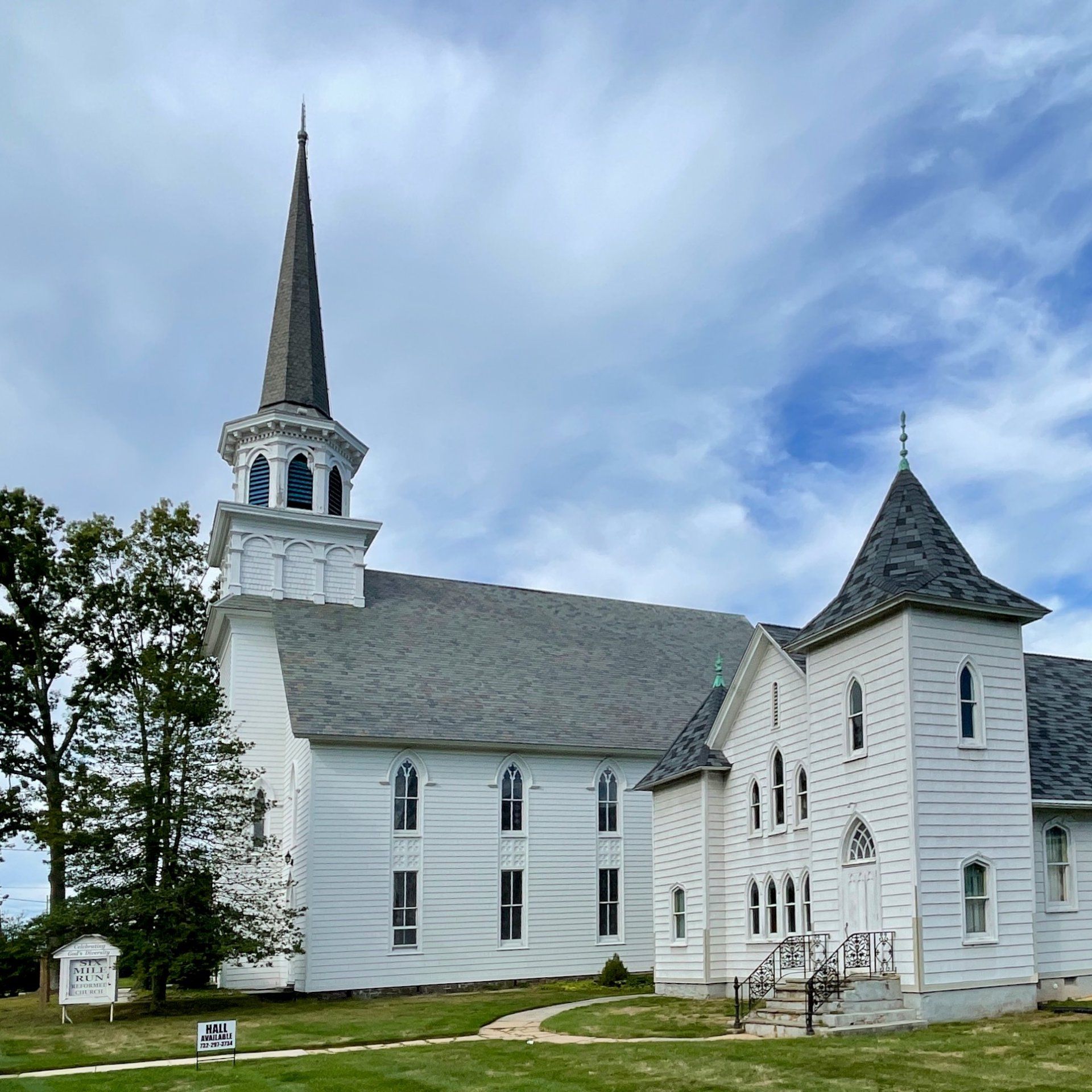
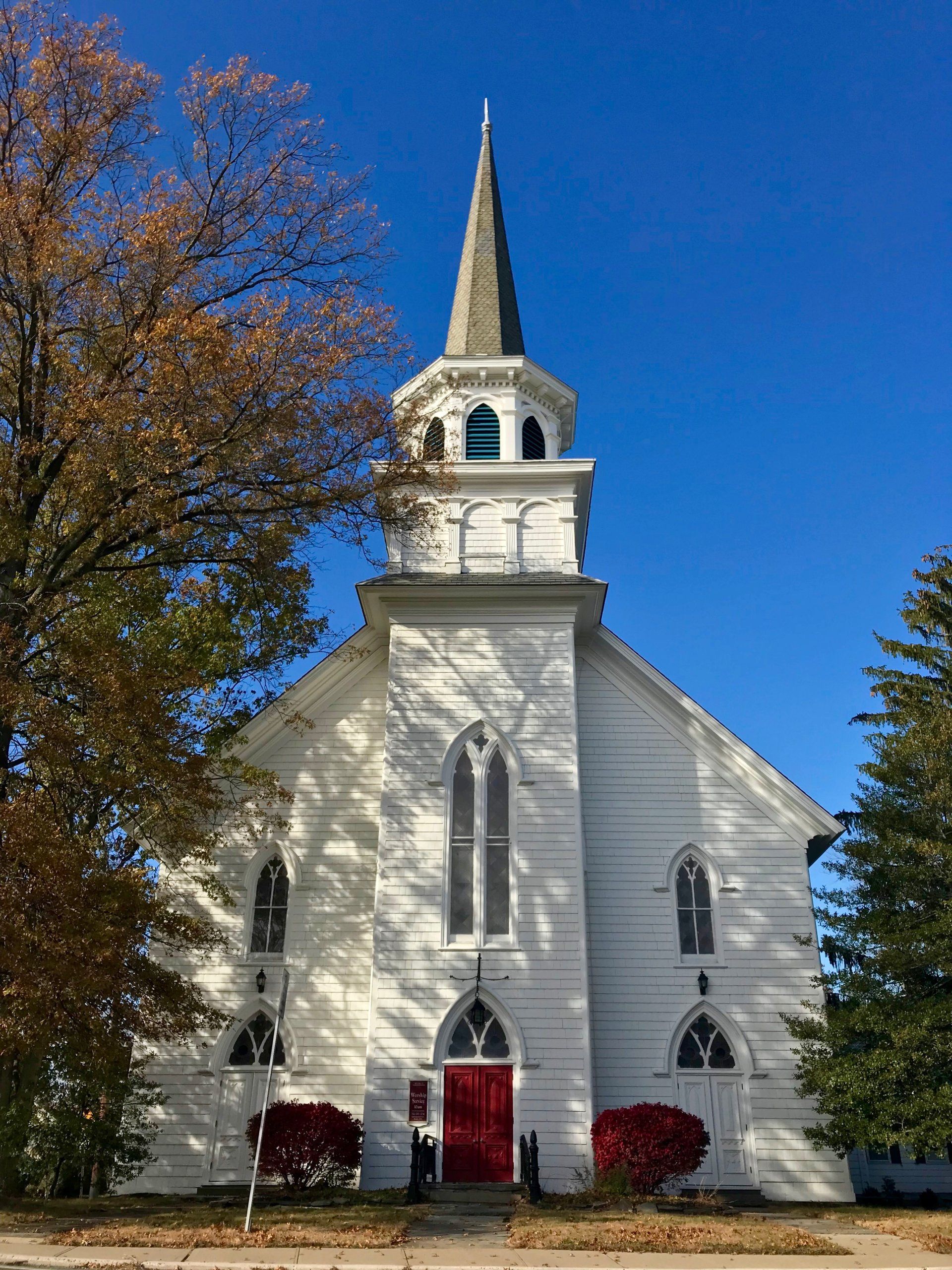
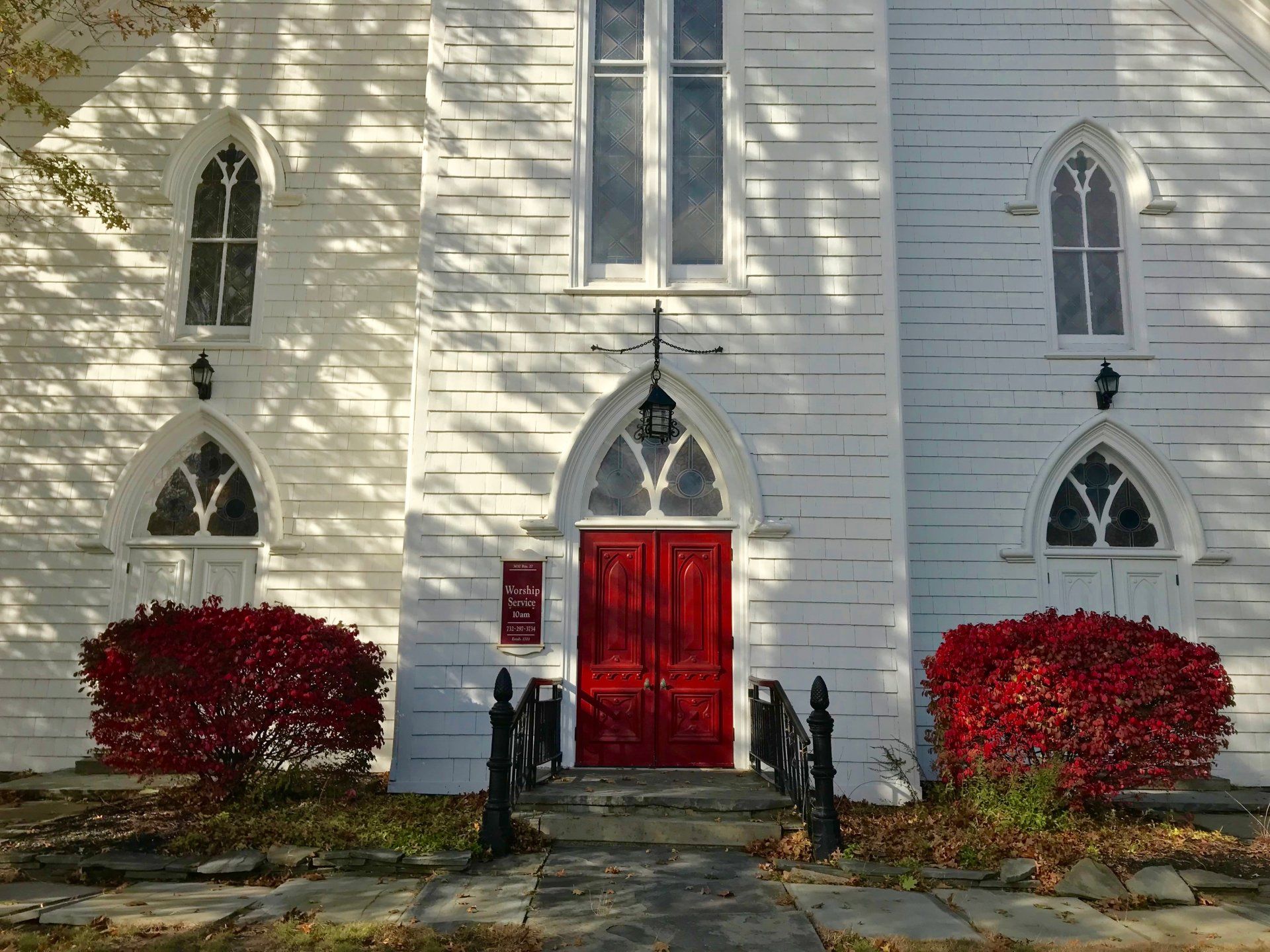
Few communities in New Jersey wear their history as visibly as Six Mile Run. The Six Mile Run Historic District along South Middlebush Road is recognized as New Jersey's largest agricultural historic district, encompassing roughly 6,000 acres of Dutch-settled landscape with 198 contributing structures — farmsteads, Dutch barns, and vernacular dwellings dating from the 18th to early 20th centuries. Strolling or driving this corridor feels like stepping into a living museum of colonial rural life. Anchoring the community's spiritual and architectural heritage is the Six Mile Run Reformed Church, a Dutch Reformed congregation with roots stretching to around 1710 and a building listed on the National Register of Historic Places. History enthusiasts will also want to seek out landmarks like the Wyckoff-Garretson House and the Van Liew-Suydam House, two of the district's most storied properties.

Family Activities

The open fields and forested trails of the reservoir site provide natural playgrounds for families, with wildlife observation, seasonal wildflower blooms, and fall foliage making every visit distinct. The nearby Delaware and Raritan Canal State Park hosts interpretive programming and guided walks that bring the region's canal-era history to life for younger visitors. Fishing along the Millstone River and the canal offers a peaceful afternoon pursuit for all ages.

Dining & Shopping

Six Mile Run's rural, unincorporated character means that dining and retail are found in the surrounding Franklin Township communities and along nearby Route 27, which bisects the area and connects residents quickly to the broader amenities of Somerset County. The corridor toward New Brunswick — just six miles away, the very distance that gave Six Mile Run its name — offers a full range of restaurants, shops, and cultural institutions including Rutgers University's vibrant arts scene.

Latest Properties in Six Mile Run

Loading...

Loading latest properties...

See All Properties in Six Mile Run

History

From Dutch Farmsteads to Protected Landscapes

Six Mile Run's story begins in 1702, when Dutch colonists from Staten Island purchased approximately 10,000 acres from English speculator John Harrison. Surveyor Jacques Cortelyou divided the vast tract into 16 lots, and original proprietors — among them Cortelyou himself, Theodorus Polhemus, and Garritt Stoothoff — established a rural Dutch landscape of family farms stretching from present-day Route 27 eastward to the Millstone River. The community took its name from the tributary stream running through the area, so called because it lay roughly six miles from the colonial outpost at New Brunswick.

By around 1730, the architectural character of the settlement was already taking shape, exemplified by the Dutch vernacular Wyckoff-Garretson house. Family names like Van Liew, Polhemus, and Hageman became synonymous with the land itself, passing farms across generations. The completion of the Delaware and Raritan Canal in the 1830s connected Six Mile Run's agricultural output to broader markets without fundamentally disrupting its rural fabric — a pattern of quiet productivity rather than industrial transformation.

The most consequential modern chapter came when the state acquired more than 3,000 acres in the 1960s and 1970s for a planned reservoir. When that project was formally abandoned in 1990, the land became preserved open space within Delaware and Raritan Canal State Park. In 1995, the Six Mile Run Historic District — New Jersey's largest agricultural historic district — was added to the National Register of Historic Places, locking in the area's 18th- and 19th-century character across some 6,000 acres.

For today's buyers, this history is the market. The same preservation forces that halted development decades ago now guarantee that Six Mile Run's rolling farmland, historic barns, and open vistas remain intact — making properties here genuinely rare in a densely developed region.

Weather

Four Seasons in the Raritan Valley

Six Mile Run experiences a humid subtropical climate (Köppen Cfa), a classification shared by much of central New Jersey's interior. Positioned in the Raritan Valley of Somerset County, the community sits far enough from the Atlantic coast to miss significant moderating ocean influence, yet close enough to avoid the more extreme temperature swings of truly continental climates.

Summers are warm and humid, with daytime highs typically ranging from the mid-80s to low 90s°F and overnight lows settling in the mid-60s. Winters are cold but not severe — average highs hover in the mid-30s to low 40s°F, with lows frequently dipping into the 20s. Snowfall is a reliable seasonal presence, though accumulations are generally moderate rather than heavy. Spring and fall are transitional and pleasant, with comfortable temperatures and vivid foliage that makes the community's preserved farmland and open fields particularly scenic.

Annual precipitation is fairly evenly distributed throughout the year, averaging around 46–50 inches, with no pronounced dry season. Thunderstorms are common in summer, and the area's stream corridors — including the Six Mile Run tributary itself — can experience periodic flooding during heavy rain events.

For prospective homeowners, the climate carries real practical implications. Heating and cooling costs are both meaningful expenses, given genuinely cold winters and humid summers. Older farmhouses and historic structures in the area require diligent seasonal maintenance, particularly weatherproofing and roof upkeep. On the upside, the temperate spring and fall seasons make this an excellent location for enjoying the extensive outdoor trail network throughout much of the year.

Six Mile Run Market Analytics

Market analytics data coming soon.
Can I Afford Six Mile Run?
$
%
$0
Est. Monthly Payment
$0/yr
Salary Required

*Principal & interest only. Salary based on 28% debt-to-income ratio.

Get Pre-Approved for Six Mile Run