
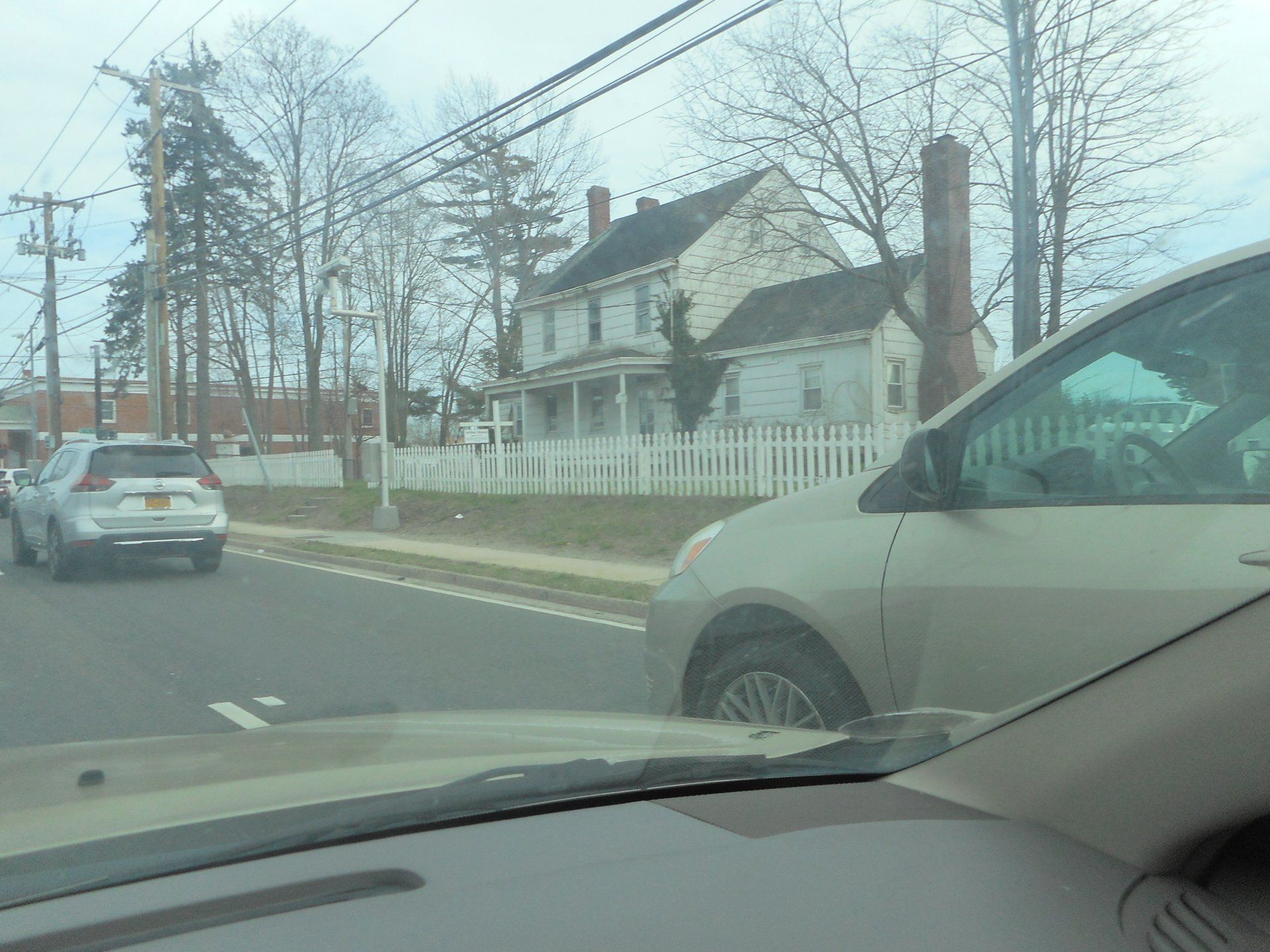

Smithtown, Connecticut

Location:
Smithtown, CT

Welcome to Smithtown

Formally established in 1665 when colonial Governor Richard Nicolls issued the Nicolls Patent to English settler Richard Smith, Smithtown is a town on the North Shore of Long Island in Suffolk County, New York — though it is worth noting that no town by this name exists in Connecticut. The town spans more than 111 square miles of land and water, stretching from Long Island Sound to its southern boundary with Islip, and encompasses six distinct hamlets including Kings Park, St. James, Nesconset, Commack, and Hauppauge.

What sets Smithtown apart from neighboring Huntington to the west and Brookhaven to the east is its combination of deep historical character and strong economic fundamentals. With a median household income well above state and national averages and a median home price of $564,800, the town attracts buyers who want suburban stability without sacrificing proximity to New York City. The Long Island Rail Road connects residents to Manhattan, making the commute manageable for professionals.

Green space is abundant — Caleb Smith State Park Preserve and Blydenburgh County Park offer hiking, fishing, and quiet natural retreats within town limits. For families, the town's highly regarded public school districts are a consistent draw. As Long Island's North Shore continues to attract buyers priced out of closer-in markets, Smithtown's blend of history, income strength, and livability makes it a compelling place to put down roots.


Things to Do

Outdoor Recreation

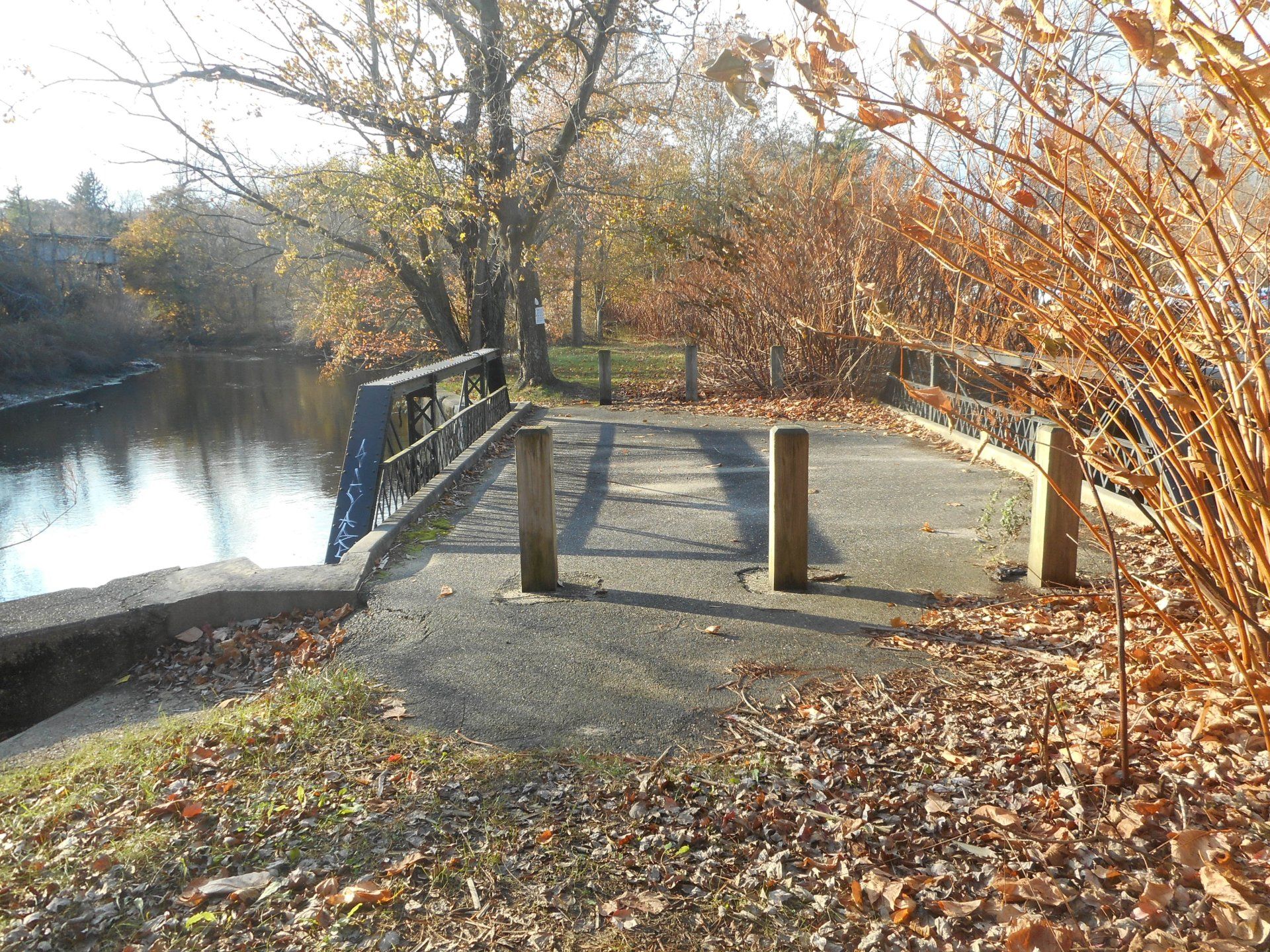
Smithtown's natural landscape is one of its greatest assets. Caleb Smith State Park Preserve offers a peaceful escape into old-growth forest, with trails winding past the Nissequogue River — the same waterway that drew Richard Smith's earliest settlers in the 1660s. The preserve is particularly beloved by fly fishermen and birdwatchers, and its quiet, wooded character feels worlds away from the bustle of the broader Long Island metro area. Blydenburgh County Park is another standout, featuring hiking trails, a historic mill site, and a scenic millpond ideal for canoeing and freshwater fishing. With more than two dozen town parks and four beaches along Long Island Sound, residents have no shortage of options for getting outside across all four seasons.

History & Culture

Smithtown wears its history proudly. The iconic bronze bull statue at the fork of Jericho Turnpike and St. Johnland Road commemorates the town's founding legend — the tale of Richard Smith riding a bull named Whisper to claim his land — and remains one of the most recognizable landmarks on the North Shore. History enthusiasts can explore the town's colonial roots further through local historical sites tied to the Nissequogue River corridor, where the earliest English settlement took shape in 1665. The town celebrated its 350th anniversary in 2015 with the unveiling of a new statue of founder Richard Smith near the intersection of Main Street and Route 111.

Dining & Shopping

Smithtown's commercial corridors along Main Street and the surrounding hamlets — including St. James, Kings Park, and Hauppauge — offer a lively mix of local restaurants, cafés, and specialty shops. The area's Italian-American heritage, reflecting the town's largest ancestry group, is well represented in its dining scene. From casual family-owned trattorias to waterfront seafood spots, there's a strong culture of neighborhood dining throughout the town's six distinct hamlets.

Family Activities

Families in Smithtown enjoy a well-rounded range of activities year-round. The town's parks host seasonal events, youth sports leagues, and community festivals that bring neighborhoods together. The Long Island Sound shoreline provides summer recreation, while the area's highly rated public school districts often anchor community programming and athletic events. Smithtown's position roughly 50 miles east of New York City also puts world-class museums, stadiums, and entertainment venues within easy reach for a day trip.

Latest Properties in Smithtown

Loading...

Loading latest properties...

See All Properties in Smithtown

History

From Bull Ride Legend to Bedroom Community

Smithtown's origins trace to 1665, when colonial Governor Richard Nicolls issued a formal patent — known as the Nicolls Patent — ratifying English settler Richard Smith's claim to a large tract of land along the Nissequogue River on Long Island's North Shore. The land had previously been home to the Nissequogue people, and Smith had acquired it through a transfer from Lion Gardiner, who received it as a gesture of gratitude from the Nissequogue Grand Sachem Wyandanch. The town was formally incorporated on March 7, 1788, and was originally known as Smithfield.

Through the 18th and 19th centuries, Smithtown remained a dispersed agricultural community. Farmers cultivated potatoes and truck crops on the glacial outwash soils, shipping produce to New York City via the Long Island Rail Road, which extended through the area in the 1870s. Mills along the Nissequogue processed grain and timber, and the town's rural character persisted well into the early 20th century — its population stood at just under 14,000 as late as 1940.

The postwar era transformed Smithtown almost beyond recognition. Between 1950 and 1970, the population exploded from roughly 21,000 to over 114,000 as returning veterans and young families poured into newly built subdivisions across the town's six hamlets. The quiet farm roads of Kings Park, St. James, Commack, and Nesconset gave way to tree-lined residential streets that define the town's character today. That mid-century suburban fabric — stable, owner-occupied, and family-oriented — is precisely what underpins the current median home price of $564,800, reflecting decades of sustained demand from buyers seeking proximity to New York City without sacrificing space or community.

Weather

Four Seasons on the North Shore

Smithtown, Connecticut experiences a humid continental climate, characterized by warm, humid summers, cold winters, and precipitation distributed fairly evenly throughout the year. This climate type is typical of southern New England, where the moderating influence of Long Island Sound and the Atlantic Ocean tempers temperature extremes somewhat compared to inland areas farther north.

Summer temperatures generally reach highs in the mid-to-upper 80s°F, with overnight lows settling in the mid-60s. Humidity can make summer afternoons feel noticeably warmer, and brief but intense thunderstorms are common during the season. Winters bring average highs in the low-to-mid 30s°F, with lows often dipping into the teens and 20s. Snowfall is a reliable winter feature, with nor'easters capable of delivering significant accumulation in a single storm.

Annual precipitation typically ranges around 45–50 inches, spread across all seasons. Spring and fall are mild and pleasant, making them popular times for outdoor activity. The coastal proximity moderates the harshest cold snaps and can delay the first hard frost slightly compared to interior Connecticut.

For homeowners, the climate has real practical implications. Heating costs are a meaningful budget consideration through the long winter months, and homes benefit from well-maintained insulation and weatherproofing. Summer humidity calls for reliable air conditioning. Seasonal maintenance — roof inspections after heavy snow, gutter clearing in fall, and deck upkeep — is simply part of homeownership here. On the upside, the four-season character gives properties genuine year-round appeal and supports vibrant outdoor living from late spring through early autumn.

Smithtown Market Analytics

Market analytics data coming soon.
Can I Afford Smithtown?
$
%
$0
Est. Monthly Payment
$0/yr
Salary Required

*Principal & interest only. Salary based on 28% debt-to-income ratio.

Get Pre-Approved for Smithtown