

South Britain, Connecticut

Location:
South Britain, CT

Welcome to South Britain

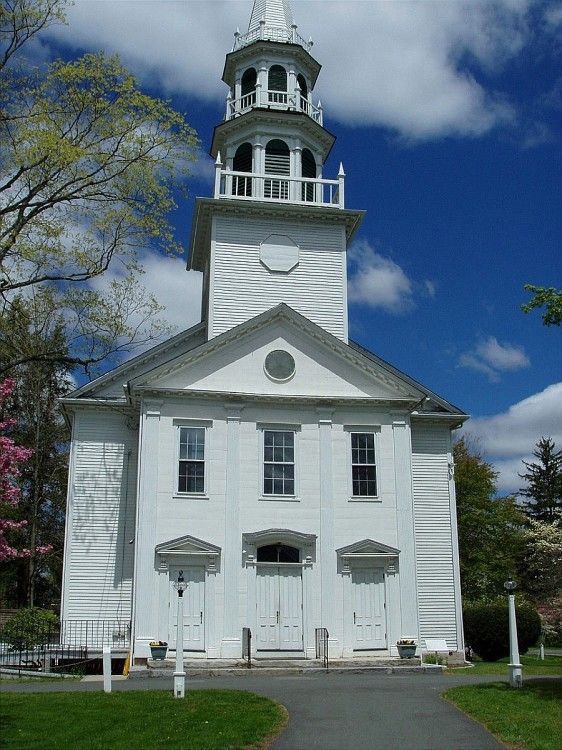
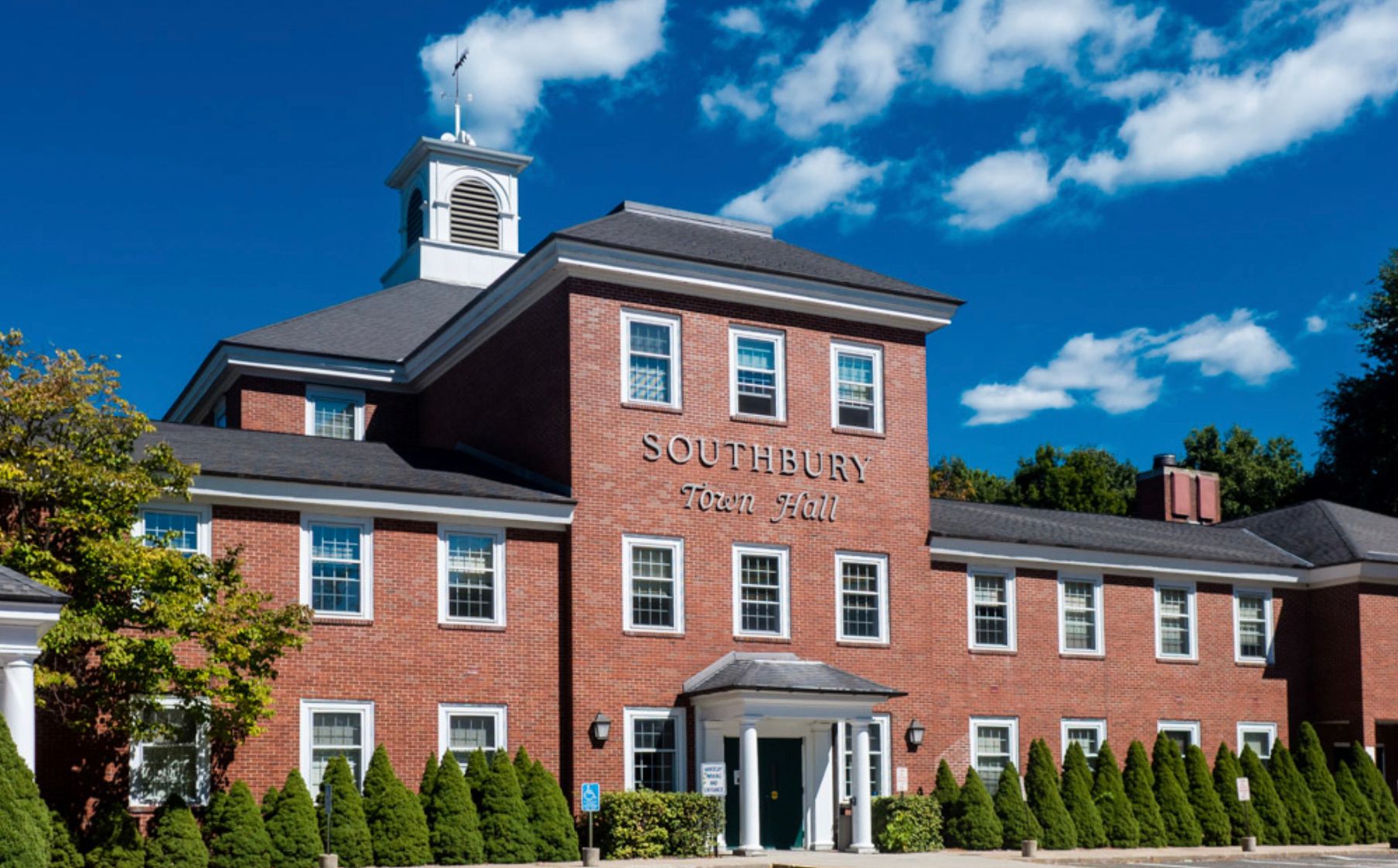
South Britain is an unincorporated village within the Town of Southbury, New Haven County, Connecticut, occupying a valley along the Pomperaug River roughly in the geographic center of the township. Its origins trace to the early 18th century, when water-powered mills drew settlers to the river's rapids and established a self-sufficient industrial community long before Connecticut's industrial revolution reached its peak. That heritage is preserved today in the South Britain Historic District, listed on the National Register of Historic Places in 1986, which encompasses approximately 70 acres of 18th- and 19th-century architecture along Route 172 — including the 1825 Congregational Church, the 1873 Town Hall, and the 1900 South Britain Library.

What sets South Britain apart from neighboring Southbury villages is its remarkable architectural and spatial continuity — steep wooded ridges to the east and the Pomperaug River to the west have naturally insulated the village from the suburban sprawl that has reshaped much of western Connecticut. Students in the area are served by the Southbury school district, and Interstate 84 provides straightforward access to Waterbury, Danbury, and Hartford. For buyers who want genuine historic character, quiet river-valley scenery, and proximity to regional employment corridors, South Britain represents a rare opportunity to put down roots in a place that has deliberately held onto its past while remaining well-connected to the future.


Community Profile

Tucked into the quiet hills of the Naugatuck Valley, South Britain is a small, low-density community where 241 residents per square mile enjoy a genuinely rural pace of life — a stark contrast to the crowded suburbs that dominate much of Connecticut. That breathing room is a rare find in New England, and it draws buyers who want land, privacy, and a genuine sense of place without sacrificing access to the broader Waterbury-Shelton metro area, which puts employment centers, healthcare, and retail within a reasonable drive.

The community's position within Naugatuck Valley gives it an interesting dual character: rooted in the working heritage of the Connecticut interior, yet increasingly attractive to those seeking a quieter alternative to more densely developed towns nearby. The surrounding landscape — rolling woodlands, stone walls threading through old fields, and the unhurried rhythms of a village that has changed little in its essential character — creates an environment that feels genuinely restorative. For home buyers prioritizing space, serenity, and a strong sense of community identity, South Britain offers something increasingly difficult to find: a place that still feels like it belongs to the people who live there, not to development pressure or suburban sprawl.

Things to Do

Historic Exploration

South Britain's greatest attraction is the village itself. The South Britain Historic District, listed on the National Register of Historic Places, offers a remarkably intact walk through more than two centuries of New England history. Stroll along South Britain Road (Route 172) and you'll pass Georgian twin-chimney houses, the elegant Federal-style 1825 Congregational Church with its distinctive Gibbsian tower, and the striking Greek Revival Bradley, Hoyt & Co. Factory on Hawkins Road. The 1873 Town Hall, a handsome Italianate structure that once served as Southbury's seat of government, now functions as a local museum and is well worth a stop. The 1900 South Britain Library, rendered in Colonial Revival and Shingle Style, rounds out a streetscape that feels genuinely frozen in time.

Outdoor Recreation

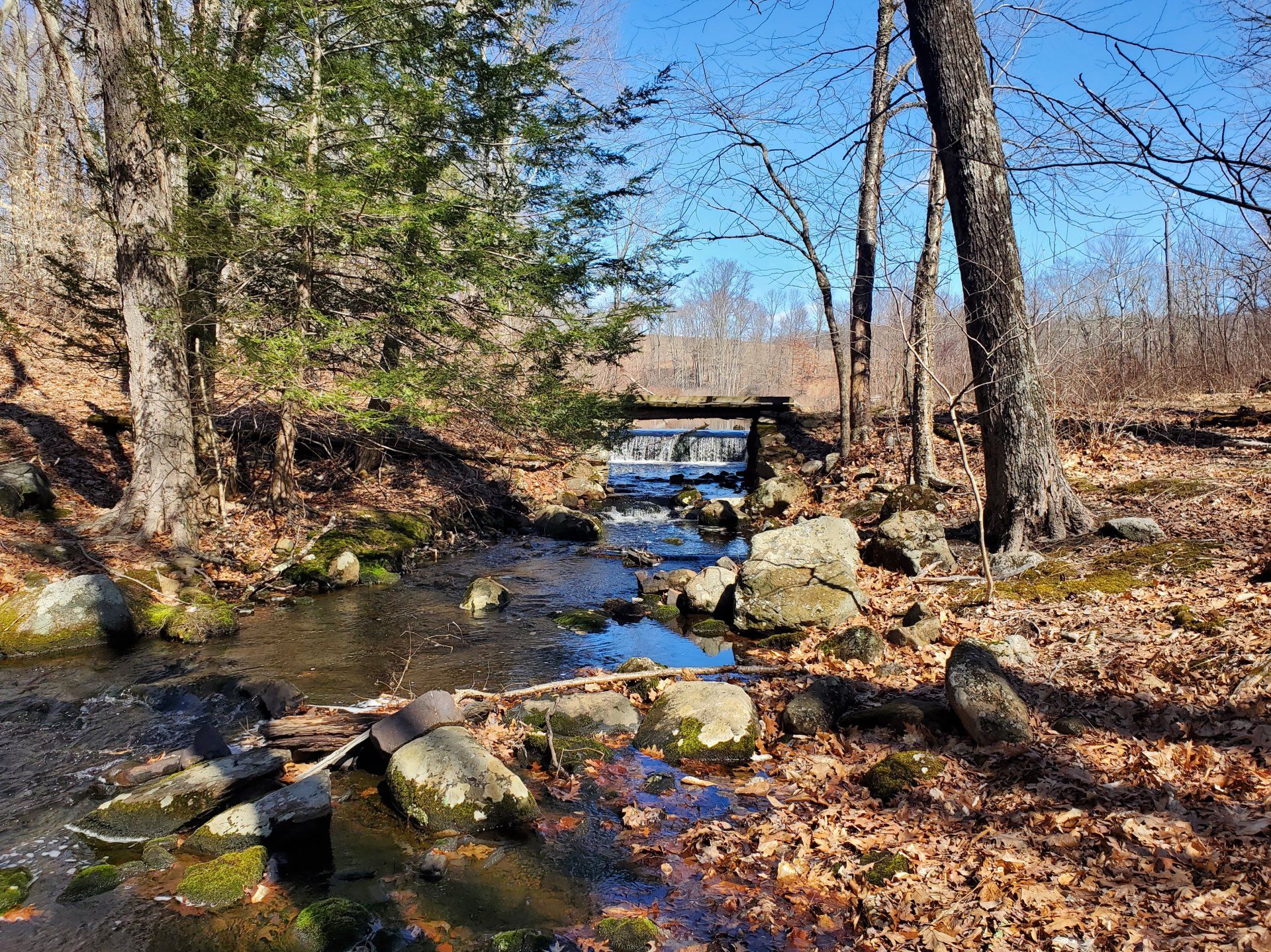
The Pomperaug River, which forms the western edge of the historic village, is a natural centerpiece for outdoor enjoyment. The river corridor offers quiet spots for fishing, wildlife watching, and simply absorbing the pastoral scenery of the valley. Remnants of 19th-century dams, stone mill foundations, and a historic diversion canal along the riverbank make a walk here feel like an open-air history lesson. The surrounding landscape — gently rolling hills, open meadows, and steep wooded ridges to the east — is ideal for hiking and nature photography, particularly in autumn when the Connecticut foliage transforms the valley into a tapestry of color.

Arts & Culture

The South Britain Cemetery, one of the contributing sites within the historic district, is a quietly moving destination for those interested in early New England genealogy and funerary art. The architectural variety throughout the village — spanning Colonial, Federal, Greek Revival, and Italianate styles — makes South Britain a rewarding destination for architecture enthusiasts and photographers alike. The district's cohesive visual character is rare even by Connecticut standards.

Day Trips & Regional Context

South Britain sits within the broader town of Southbury, placing it within easy reach of the Pomperaug River Trail system and the recreational amenities of the greater Waterbury and New Haven regions. The village makes an excellent anchor for a day exploring the Naugatuck Valley's heritage, combining quiet rural charm with some of the most authentically preserved 18th- and 19th-century architecture in New Haven County.

Latest Properties in South Britain

Loading...

Loading latest properties...

See All Properties in South Britain

History

A Village Shaped by Water and Time

South Britain's story begins at the edge of the Pomperaug River, where early 18th-century settlers recognized the energy potential of the river's rapids and built the dams and millworks that would define the village for generations. Gristmills, sawmills, and fulling mills rose along what is now Route 172, drawing a community of farmers, craftsmen, and merchants into a compact, self-sufficient settlement in the geographic heart of Southbury.

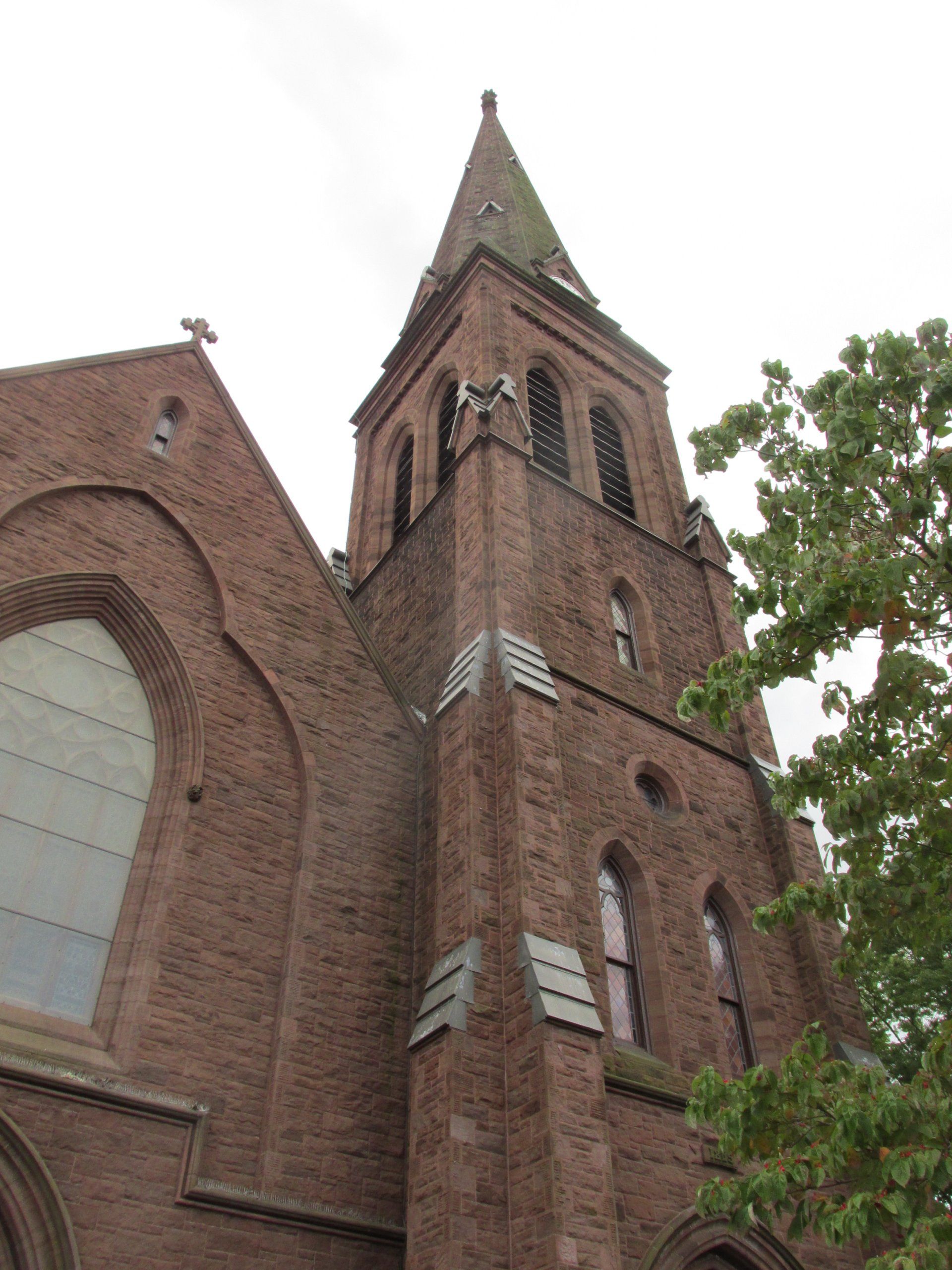
By the late 18th and early 19th centuries, South Britain had evolved into a genuine industrial hub. Tanneries, shoe shops, comb factories, and woolen mills — including the Curtiss Woolen Mill, which employed 50 workers — operated alongside metalworking shops producing thimbles and spectacle frames. In 1853, the South Britain Water Power Company attempted to expand this industrial capacity through a reservoir and canal system, though the rise of steam power and railroad infrastructure ultimately curtailed those ambitions. Ecclesiastical life took root in 1761 with the first preaching services, a separate parish formed in 1765, and landmark buildings followed: the 1825 Congregational Church and the 1832 Methodist Church. The 1873 Town Hall served as Southbury's governmental seat until 1964 and stands today as a museum.

Listed on the National Register of Historic Places in 1986, the South Britain Historic District preserves approximately 70 acres of this layered past across 36 contributing structures. That designation — reinforced by local historic district status — has been a quiet but powerful force in today's real estate market. Properties along South Britain Road carry the aesthetic continuity of two centuries of building, with Georgian, Federal, Greek Revival, and Italianate architecture framing a landscape still bordered by wooded ridges and open floodplains. Buyers drawn here are typically seeking exactly what history protected: a semi-rural village character that no amount of new construction can replicate.

Weather

Four Seasons in the Pomperaug Valley

South Britain, Connecticut experiences a humid continental climate, the defining weather pattern for interior New England and much of the northeastern United States. Situated in the Pomperaug River valley in central New Haven County, the village is sheltered by wooded ridges to the east and rolling hills on all sides — terrain that shapes local microclimates and gives South Britain a distinctly inland character, removed from the moderating influence of Long Island Sound to the south.

Summers are warm and humid, with daytime highs typically ranging from the mid-80s°F and overnight lows settling into the upper 50s to mid-60s°F. Winters are cold and snowy, with average highs in the low-to-mid 30s°F and lows frequently dipping into the teens. Snowfall is meaningful — the region typically receives 40 to 50 inches annually — and the valley's topography can channel cold air, making frost seasons longer than in coastal communities.

Precipitation is fairly well distributed throughout the year, averaging around 48 inches, with no pronounced dry season. Spring brings rain and occasional flooding along the Pomperaug River, while late summer and fall can see remnants of tropical systems delivering heavy rainfall.

For prospective homeowners, these patterns carry real implications. Heating costs are a genuine budget consideration, and older historic homes in the village may require thoughtful weatherization. Roofs and foundations need regular attention given snow loads and spring moisture. On the upside, the vivid fall foliage and mild summer evenings make outdoor living genuinely rewarding for much of the year.

South Britain Market Analytics

The South Britain real estate market is showing signs of balance, with a median sale-to-list price ratio of 0.989, indicating that homes are selling for close to their listing prices, according to data analyzed by Opulist. The fact that 25.4% of sales are above list price and 57.3% are below suggests a relatively stable market, with some room for negotiation. With a median days to pending of 20, homes are selling at a moderate pace, making it a good time to buy or sell in South Britain.


1-Year Home Value Change: -0.1%

South Britain Home Value Index over time.

Can I Afford South Britain?
$
%
$0
Est. Monthly Payment
$0/yr
Salary Required

*Principal & interest only. Salary based on 28% debt-to-income ratio.

Get Pre-Approved for South Britain