
Founded as a Dutch village in 1658 and named after Haarlem in the Netherlands, South Harlem occupies a compact 1.4 square miles of Upper Manhattan between 110th and 125th Streets — a stretch that carries more cultural weight per block than almost anywhere else in New York City. Where neighboring Morningside Heights tilts academic and the Upper West Side skews residential and polished, South Harlem holds its own distinct identity: a neighborhood shaped by the Harlem Renaissance, the Great Migration, and decades of artistic and political energy that left an indelible mark on American culture. Morningside Park, running along the neighborhood's western edge, offers green space and a physical boundary that gives this pocket of Manhattan a surprisingly defined sense of place. The area is well connected by multiple New York City Subway lines, putting Midtown and Lower Manhattan within easy reach. With a median household income of $52,708 and a population of nearly 200,000, South Harlem blends long-established community roots with steady reinvestment — making it a compelling destination for buyers who want authentic Manhattan character alongside genuine long-term upside.
Welcome to South Harlem
Things to Do
Arts & Culture
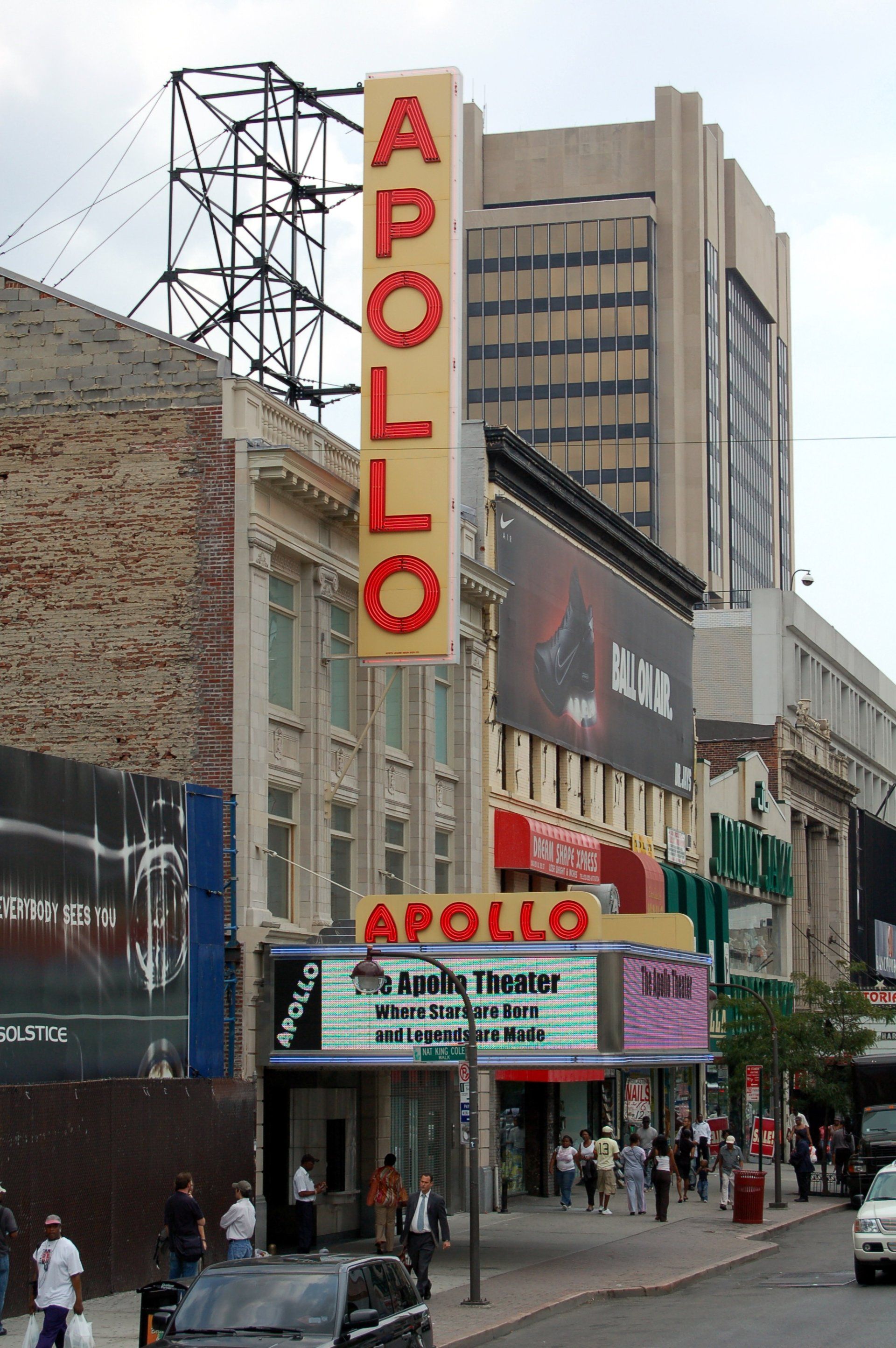
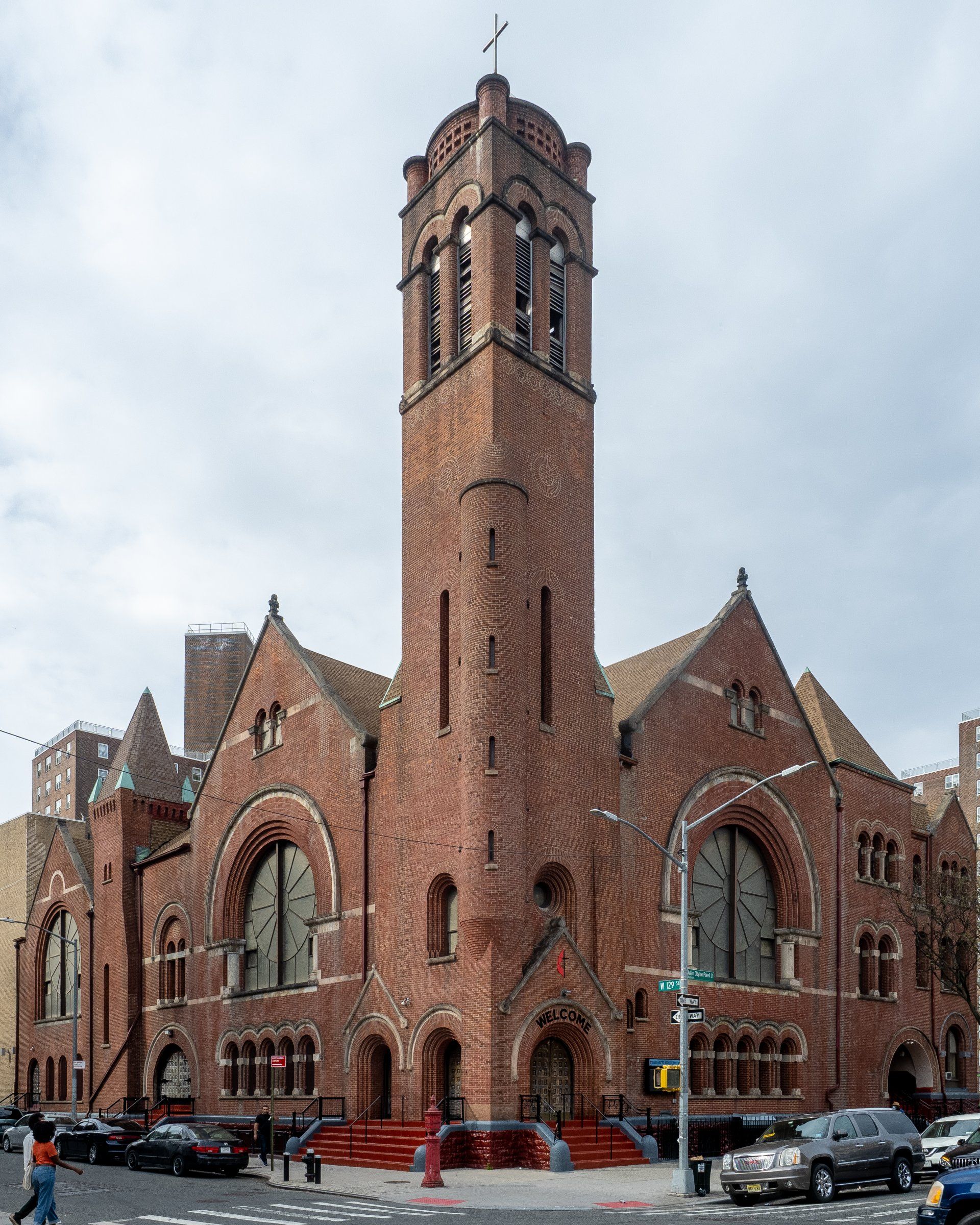
South Harlem sits at the heart of one of America's most storied cultural landscapes. The Apollo Theater on 125th Street remains the neighborhood's crown jewel — its Amateur Night tradition has launched careers for generations of performers, and its live shows and tours draw visitors from around the world. The Studio Museum in Harlem champions contemporary artists of African descent and offers rotating exhibitions that consistently rank among Manhattan's most thought-provoking. For gospel music, Sunday morning services at neighborhood churches offer an authentically moving experience that no ticketed event can replicate.
Outdoor Recreation
Central Park borders South Harlem directly to the south, with the northern end — including the Harlem Meer and the Conservatory Garden — easily walkable from most of the neighborhood. Morningside Park, running along the western edge near Morningside Heights, offers a quieter, more neighborhood-scaled green space with playgrounds, basketball courts, and a pond. Marcus Garvey Park (also known as Mount Morris Park) anchors the eastern side of Central Harlem, featuring an amphitheater, a historic fire watchtower, and open lawns ideal for warm-weather gatherings.
Dining & Shopping
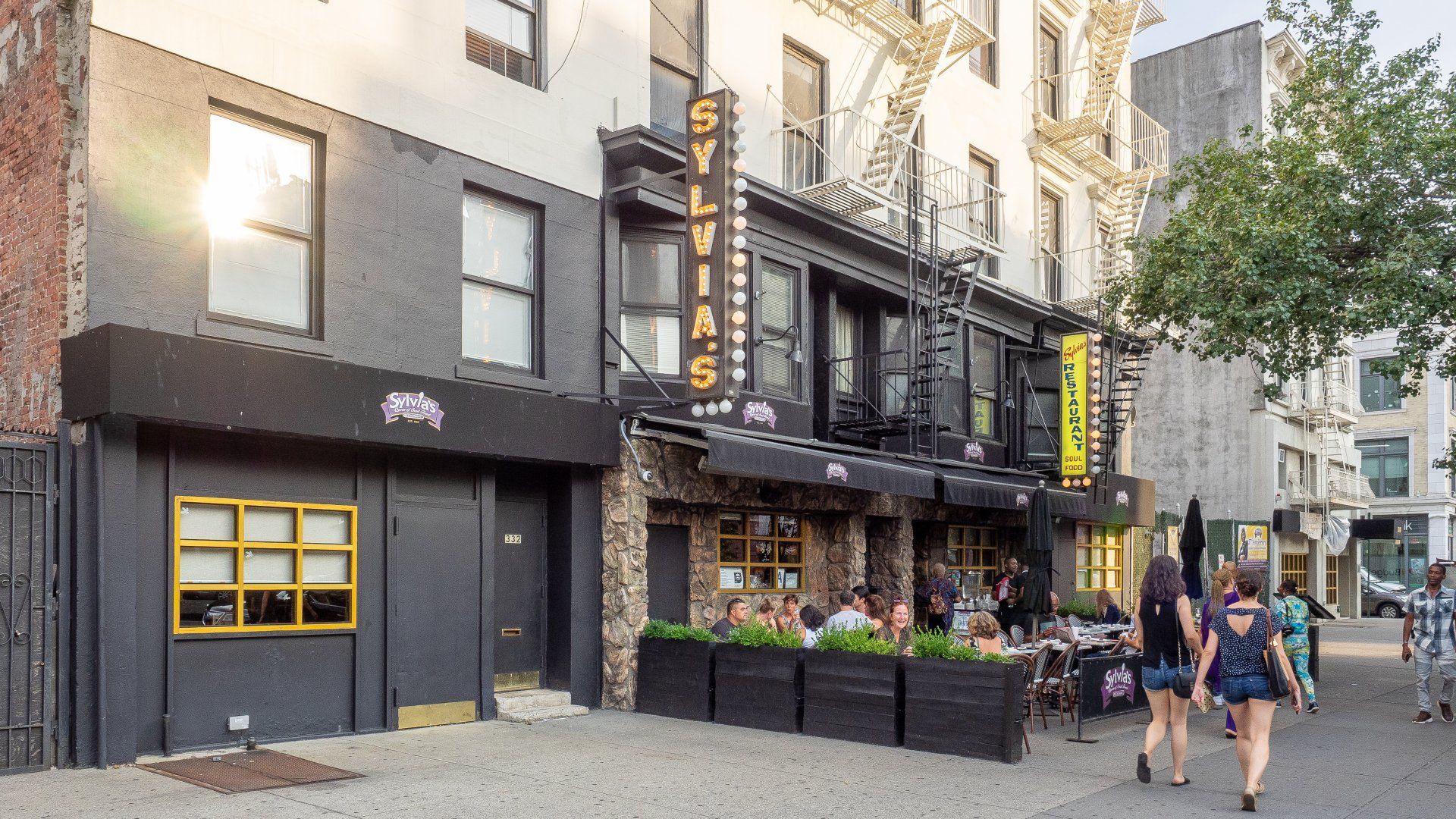
125th Street is South Harlem's main commercial corridor, lined with national retailers, local boutiques, and a wide variety of restaurants representing African-American, West African, Caribbean, and soul food traditions. The stretch between Lenox Avenue and Frederick Douglass Boulevard has seen a surge of independent dining spots in recent years. The Malcolm Shabazz Harlem Market near 116th Street offers African crafts, clothing, and goods in an open-air bazaar setting that reflects the neighborhood's deep pan-African cultural ties.
Family Activities & Seasonal Events
The Harlem Week festival, typically held each August, is one of the largest community celebrations in New York City, featuring concerts, health fairs, film screenings, and street fairs spread across multiple days. The Harlem Jazz & Music Festival brings free outdoor performances to Marcus Garvey Park each summer. Families also enjoy the Charles A. Dana Discovery Center inside Central Park at 110th Street, which offers nature programming and free fishing equipment loans at the Harlem Meer — a genuinely beloved local tradition.
Latest Properties in South Harlem
Loading latest properties...
History
From Dutch Village to Cultural Capital: South Harlem's History
The land that became Harlem was first settled by the Wecquaesgeek people before Dutch colonists established a formal village in 1658, naming it after Haarlem in the Netherlands. Peter Stuyvesant, then director-general of New Netherland, oversaw its founding — making Harlem one of the oldest continuously inhabited neighborhoods in New York City.
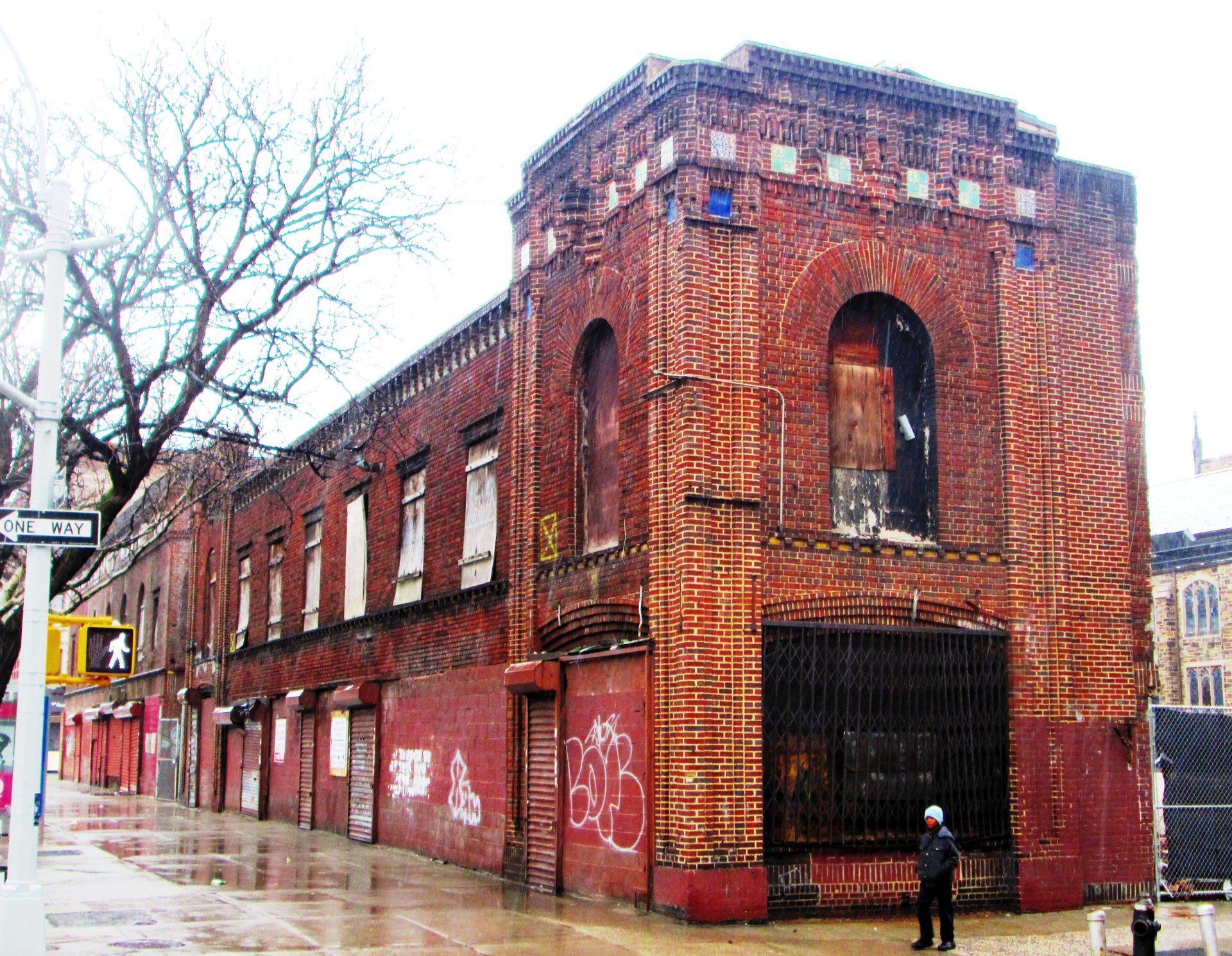
By the late 19th century, the area was home primarily to Jewish and Italian American communities, whose tenements and rowhouses still define much of the neighborhood's architectural fabric. That demographic reality shifted dramatically in the early 20th century as the Great Migration brought tens of thousands of African Americans north from the South. The southern blocks of Harlem — roughly between 110th and 125th Streets — became a gateway zone for this transformation. Through the 1920s and 1930s, Harlem gave rise to the Harlem Renaissance, a flowering of Black art, literature, and music that reshaped American culture.
The Great Depression and postwar deindustrialization brought decades of disinvestment, rising poverty, and population loss. But beginning in the early 2000s, falling crime rates and rising citywide housing demand triggered significant reinvestment in the neighborhood. The southern corridor became a flashpoint: in the 2010s, real estate agents began marketing the area as "SoHa," a rebrand that sparked fierce community resistance and legislative pushback from figures including then-State Senator Brian Benjamin.
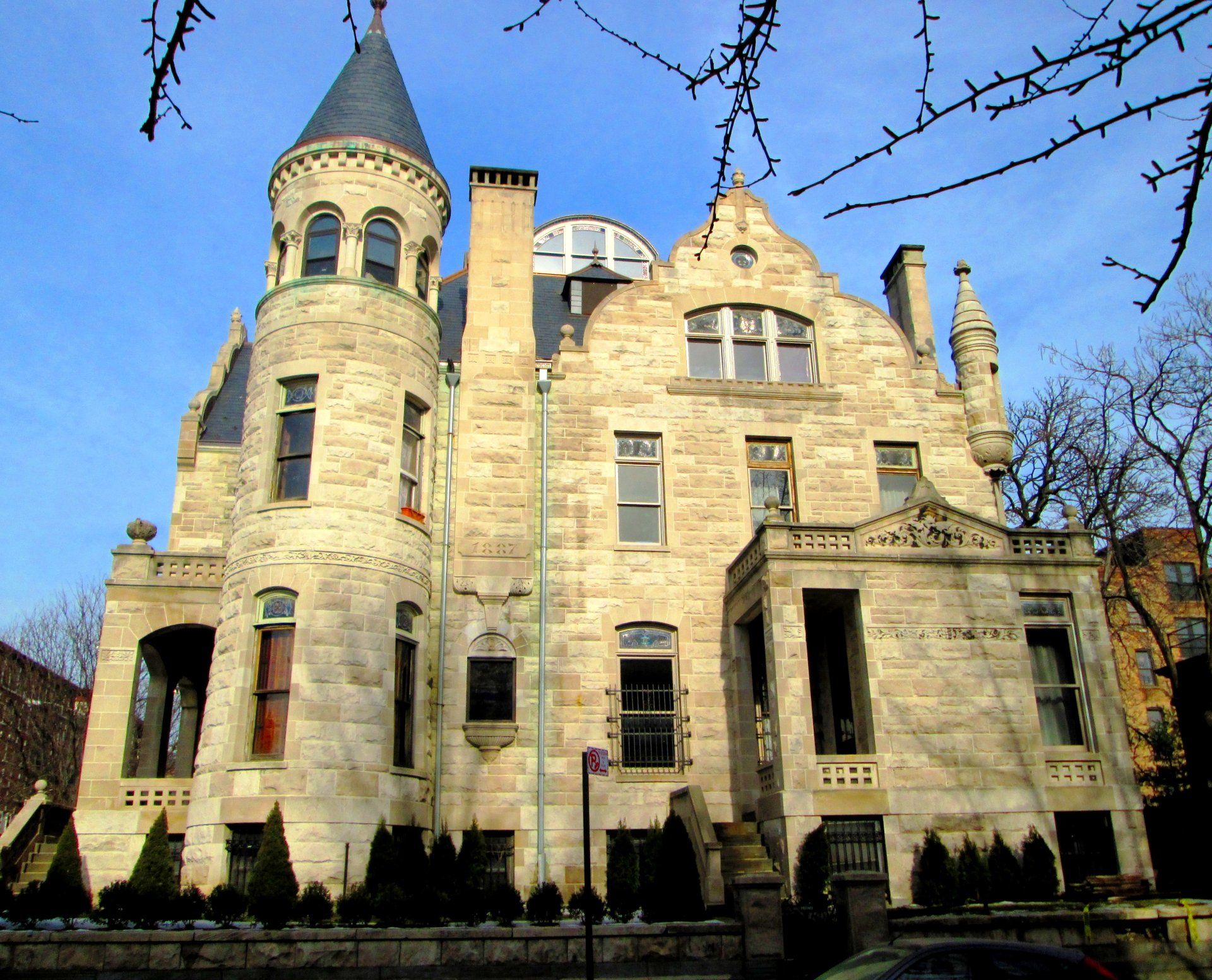
Today, that tension between preservation and development defines South Harlem's real estate market. Historic brownstones and pre-war apartment buildings sit alongside new construction, attracting buyers drawn to the neighborhood's cultural legacy, proximity to Central Park, and comparatively accessible price points within Manhattan.
Weather
Four Distinct Seasons in the Heart of Manhattan
South Harlem sits squarely within a humid subtropical climate zone — the classification that defines most of New York City — characterized by hot, humid summers, cold winters, and year-round precipitation distributed fairly evenly across the seasons. Positioned in Upper Manhattan, the neighborhood experiences the full range of northeastern weather without the moderating coastal buffer that softens conditions closer to the harbor.
Summer temperatures typically climb into the mid-to-upper 80s°F, with overnight lows settling in the upper 60s. The combination of heat and humidity can make July and August feel particularly intense in a dense urban environment, where concrete and asphalt amplify the heat island effect. Winters bring average highs in the mid-30s to low 40s°F, with lows frequently dipping into the 20s. Snowfall is a reliable winter feature, though accumulations vary considerably from year to year.
Annual precipitation hovers around 46 to 50 inches, spread across all seasons, with occasional nor'easters delivering significant snow or rain events. Spring and fall are generally mild and pleasant, making them the most coveted seasons for outdoor life along the neighborhood's parks and tree-lined streets.
For real estate purposes, these conditions translate into meaningful heating and cooling costs, a premium on well-insulated older brownstones and prewar buildings, and the importance of sound roof and facade maintenance to handle both freeze-thaw cycles and summer storm runoff.
South Harlem Market Analytics
Can I Afford South Harlem?
Weather