
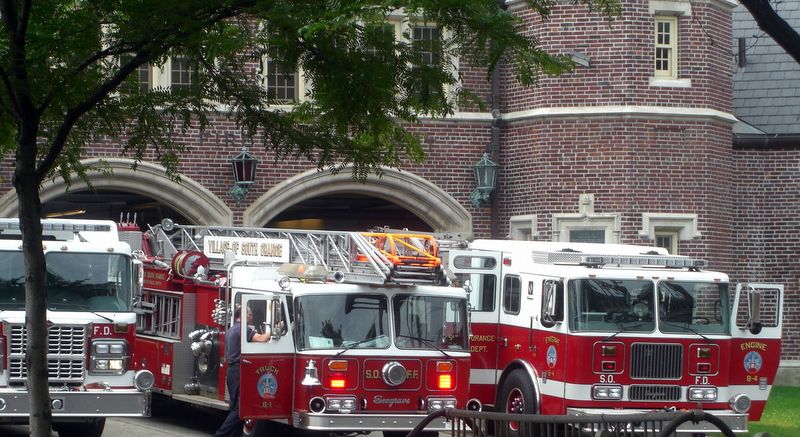
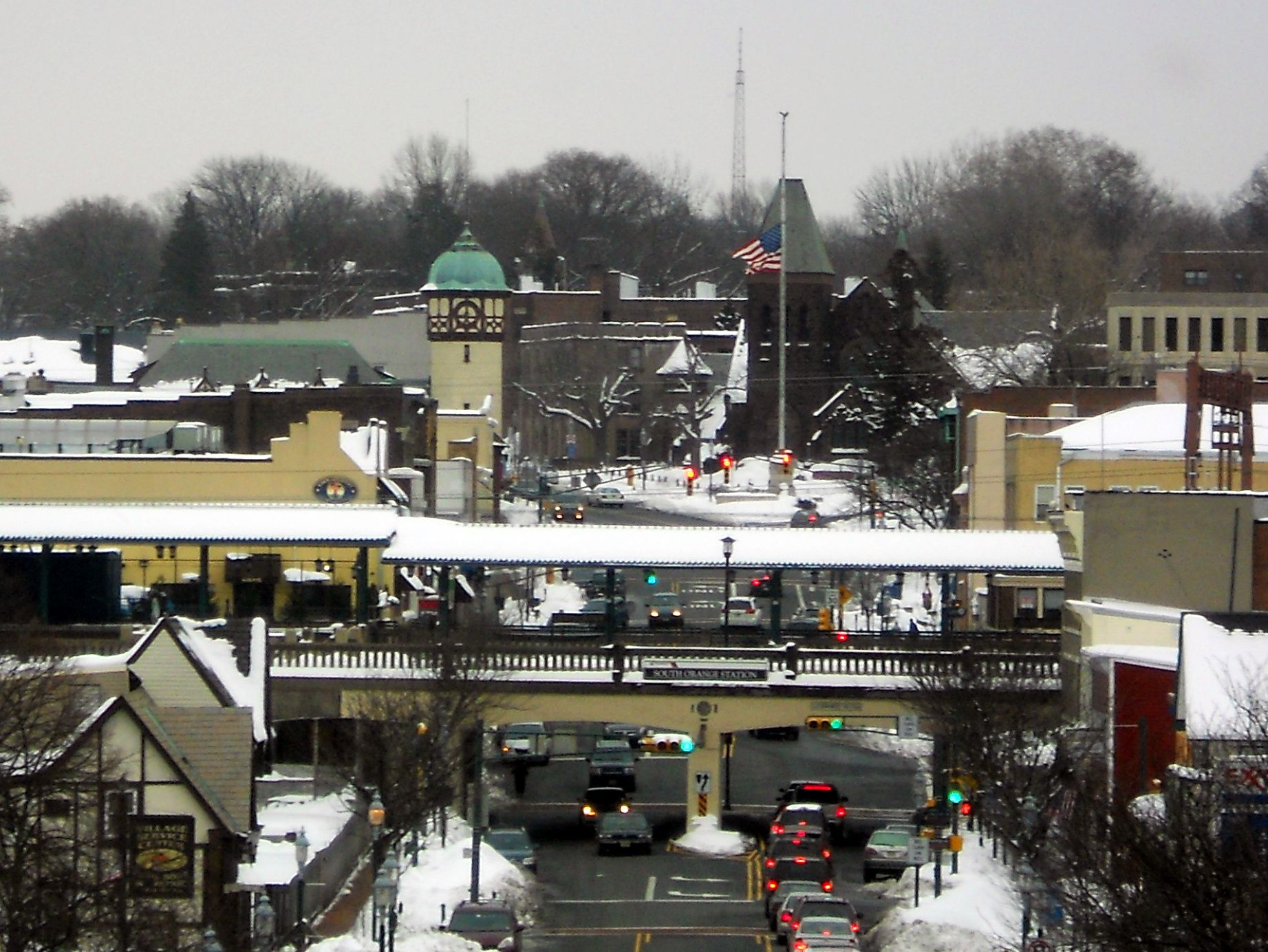
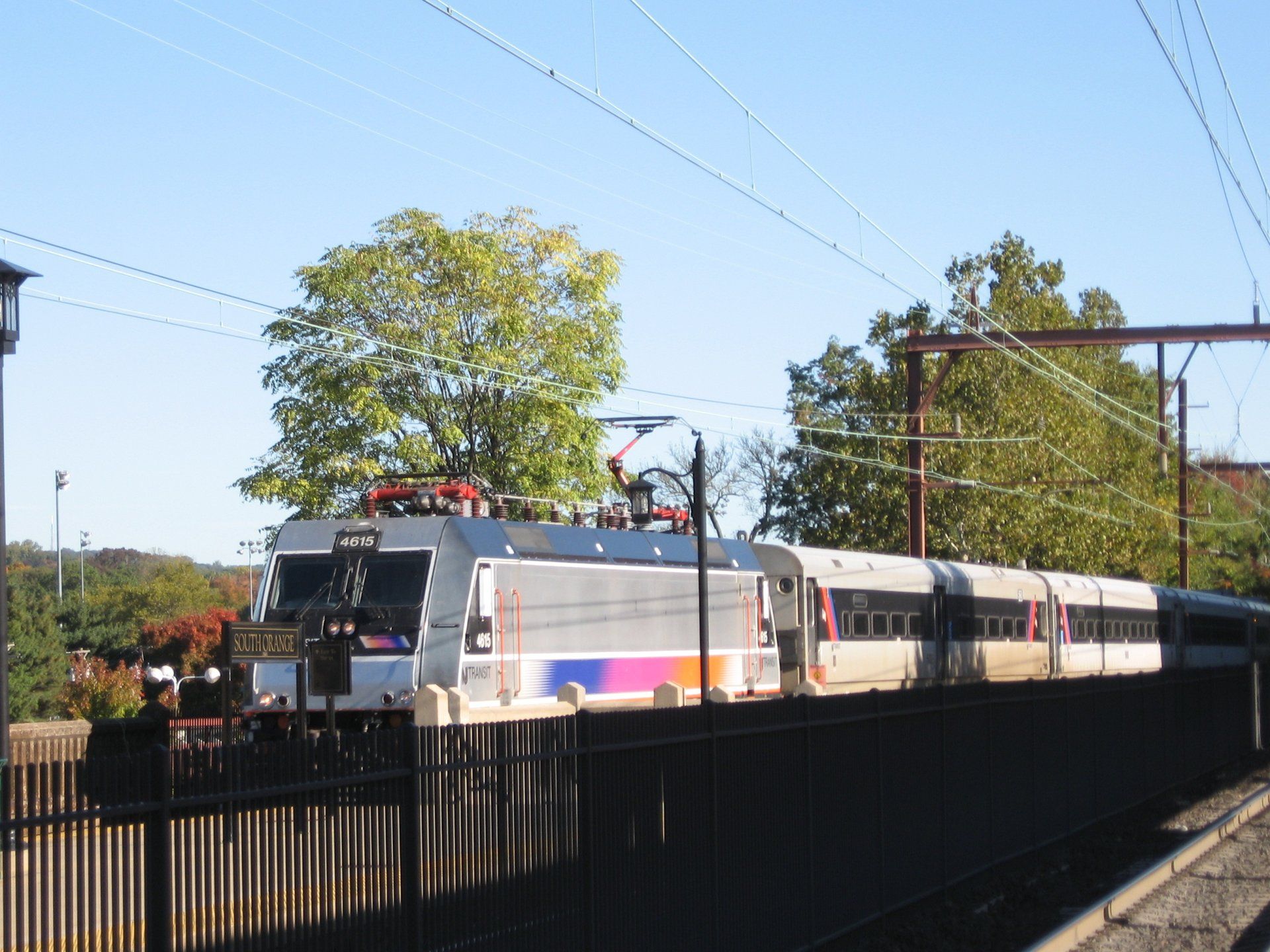
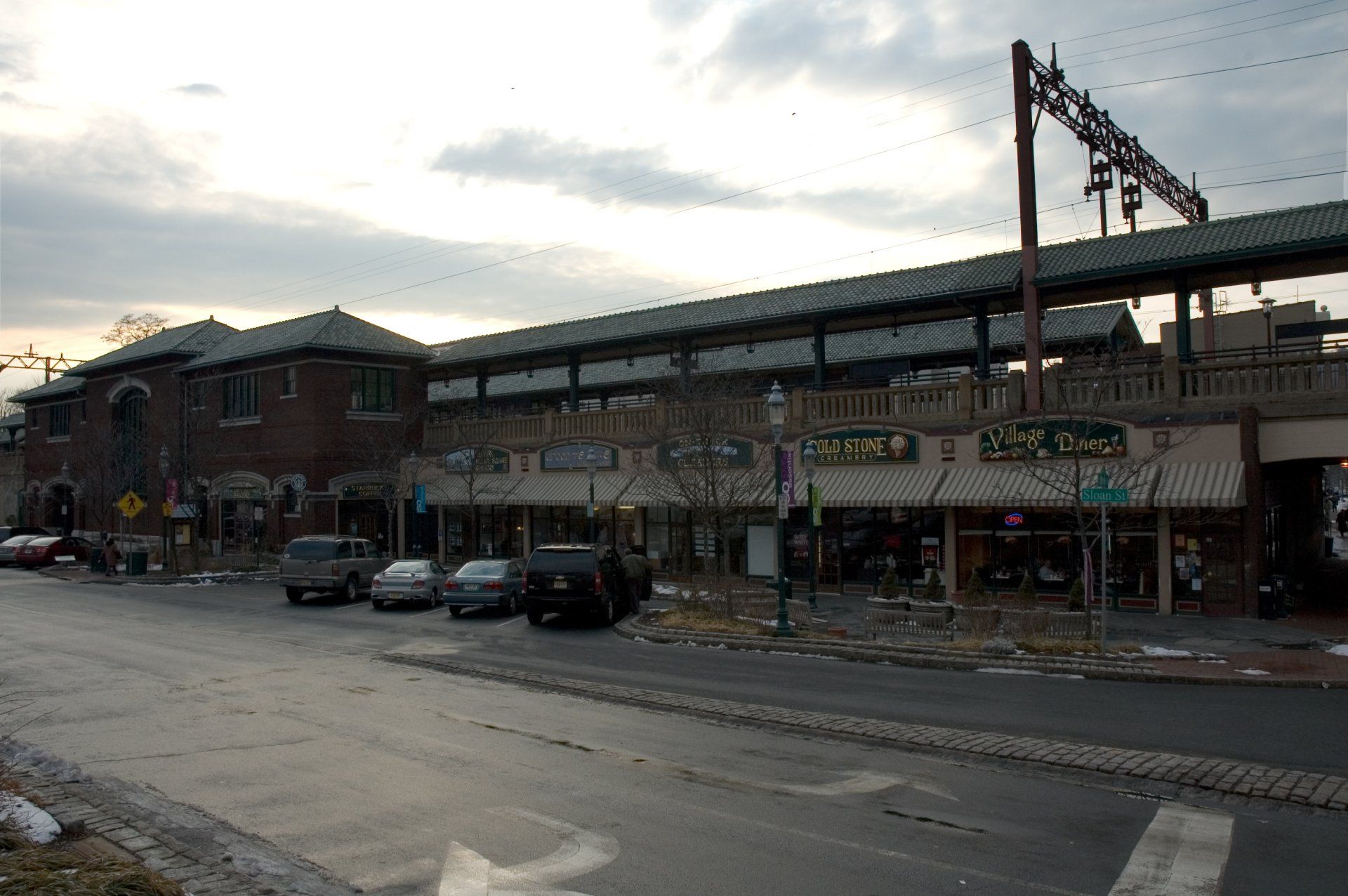
Incorporated as a village in 1869 and situated just 14 miles west of Midtown Manhattan in Essex County, South Orange, New Jersey occupies a compact 2.85 square miles that punches well above its weight in character, architecture, and connectivity. While neighboring Maplewood shares a school district and a similar commuter-town appeal, South Orange distinguishes itself through its gas-lit streets, preserved Victorian-era storefronts, and the commanding presence of Seton Hall University — the oldest diocesan Catholic university in the United States — anchoring a 58-acre campus at the township's core. The Morris and Essex Line has connected South Orange to Penn Station since the railroad first reached the village in 1837, and that direct rail link remains one of the most compelling reasons buyers searching for homes for sale in South Orange, NJ make the move from the city. With a median household income exceeding $187,000 and a strong tradition of civic investment, South Orange offers the rare combination of genuine historic identity and modern suburban livability — making it a compelling choice for buyers who want proximity to New York without sacrificing a sense of place.
Welcome to South Orange
Community Profile
Nestled in Essex County and woven into the fabric of the greater New York–Newark–Jersey City metro area, South Orange offers home buyers a rare combination of suburban warmth and urban connectivity that few communities can match. With a population density of 2,376 people per square mile, the village strikes a lively, walkable balance — dense enough to support a thriving downtown and active street life, yet intimate enough to feel like a genuine neighborhood rather than an anonymous suburb.
What truly sets South Orange apart is the quality of life that comes with its metropolitan address. Residents enjoy direct NJ Transit rail access to Midtown Manhattan, making the village a perennial favorite among commuting professionals who want a real home — with a yard, a community, and a sense of place — without sacrificing career opportunity. The tree-lined streets, Victorian architecture, and strong civic identity create the kind of environment that attracts educated, engaged households who invest deeply in where they live. For those exploring homes for sale in South Orange, NJ, the community consistently delivers on its promise: a cosmopolitan sensibility rooted in small-town character, all within one of the most dynamic economic regions in the world. Buyers searching houses for sale in South Orange, NJ will find a village that rewards long-term investment — in property, in neighbors, and in community.
Things to Do
Outdoor Recreation
South Orange packs a surprising amount of green space into its compact 2.85 square miles. Flood's Hill is a beloved local landmark, drawing sledders and families every winter for some of the best snow sliding in Essex County. The village maintains 10 public parks spread across its neighborhoods, including Meadowland Park and Haber Park, offering playgrounds, open fields, and shaded walking paths beneath the canopy of more than 8,000 street trees that give South Orange its distinctly lush, leafy character. For more ambitious outdoor pursuits, the South Mountain Reservation — part of the Essex County park system — sits just minutes away, offering miles of hiking and mountain biking trails along the Rahway River.
Arts & Culture
The South Orange Performing Arts Center (SOPAC) is the cultural heart of the village, hosting live music, theater, comedy, and film events throughout the year in a beautifully renovated space connected to the historic train station complex. Seton Hall University, whose 58-acre campus anchors the community, brings a steady stream of lectures, gallery exhibitions, and athletic events open to the broader public. The village's gas-lit streets and preserved Victorian architecture make simply walking through the downtown feel like a living history experience — the historic Village Hall, built in 1894, remains a striking centerpiece.
Dining & Shopping
South Orange's walkable Village Center along South Orange Avenue offers an eclectic mix of independent restaurants, cafés, and boutique shops. From casual brunch spots to wine bars and international cuisine, the dining scene reflects the community's cosmopolitan character. The weekly South Orange Farmers Market draws residents together seasonally, and the village regularly hosts street fairs and community events that animate the downtown corridor. Those exploring homes for sale in South Orange NJ often cite the walkable village center as one of the most compelling features of everyday life here.
Family Activities & Annual Events
South Orange's community calendar is genuinely active. The village celebrates with seasonal events including outdoor concerts, holiday tree lightings, and the popular Halloween parade that turns the village streets into a neighborhood celebration. Spiotta Park provides a central gathering spot for families, and the proximity to New York City — just 14 miles east — means world-class museums, stadiums, and entertainment are well within reach for a day trip.
Latest Properties in South Orange
Loading latest properties...
History
From Lenape Land to Commuter Village: A Brief History
South Orange's story begins in 1666, when English Puritan settlers led by Robert Treat purchased a vast tract of land from the Lenni Lenape — territory that would eventually become Newark and its surrounding communities. The area now known as South Orange was called Chestnut Hills in its earliest colonial references, and by the late 1670s, families like the Browns and Riggs had begun clearing land and building homesteads along what are now South Orange Avenue and Ridgewood Road. The oldest surviving structure in town, the Stone House, traces its origins to this period.
The pivotal turning point came in 1837, when the Morris and Essex Railroad connected South Orange to Newark and New York City. Almost immediately, the village began attracting merchants, executives, and professionals who wanted distance from urban density without sacrificing access to it. Farms were subdivided, Victorian-era homes rose on generous lots, and a commuter culture took hold that has never really left. South Orange Village formally incorporated on May 4, 1869, separating from South Orange Township precisely because residents wanted greater local autonomy — a civic independence that still defines the community's character today.
The 1856 founding of Seton Hall University added an intellectual anchor that continues to shape the village's identity, economy, and population mix. The gas-lit streets, preserved Victorian storefronts, and stone houses that draw buyers browsing homes for sale in South Orange, NJ today are not accidental — they reflect more than 150 years of deliberate residential investment and careful stewardship. That layered history is precisely why the median home price now hovers near $889,000, and why demand for houses for sale in South Orange, NJ remains consistently strong.
Weather
Four Seasons in South Orange
South Orange, New Jersey experiences a humid continental climate, characterized by four well-defined seasons, meaningful temperature swings, and year-round precipitation distributed fairly evenly across the calendar. Situated in Essex County at the eastern foot of the Watchung Mountains and roughly 14 miles west of Midtown Manhattan, the village sits at a geographic crossroads that gives its weather a distinctive character — influenced by Atlantic moisture to the east and the modest elevation of the First Watchung Ridge to the west.
Summers are warm and humid, with daytime highs typically climbing into the upper 80s°F and overnight lows settling in the mid-60s. Afternoon thunderstorms are common from June through August, occasionally bringing heavy downpours. Winters are cold but not severe by New England standards — average highs hover in the mid-30s°F, with lows dipping into the upper teens and 20s. Snowfall is a regular seasonal reality, with nor'easters capable of delivering significant accumulation. Spring and autumn are genuinely pleasant, with mild temperatures and vivid foliage that makes South Orange's tree-lined streets particularly striking in October.
For anyone exploring homes for sale in South Orange, NJ, the climate carries real practical implications. Older Victorian and Colonial homes — common throughout the village — require attentive seasonal maintenance, including gutter clearing, roof inspection, and weatherproofing. Heating costs during winter months can be substantial in larger historic properties. On the upside, the four-season rhythm supports vibrant outdoor living from spring through fall, with the village's parks and walkable streetscapes most fully enjoyed during the long, leafy summers.
South Orange Market Analytics
Can I Afford South Orange?
Weather