
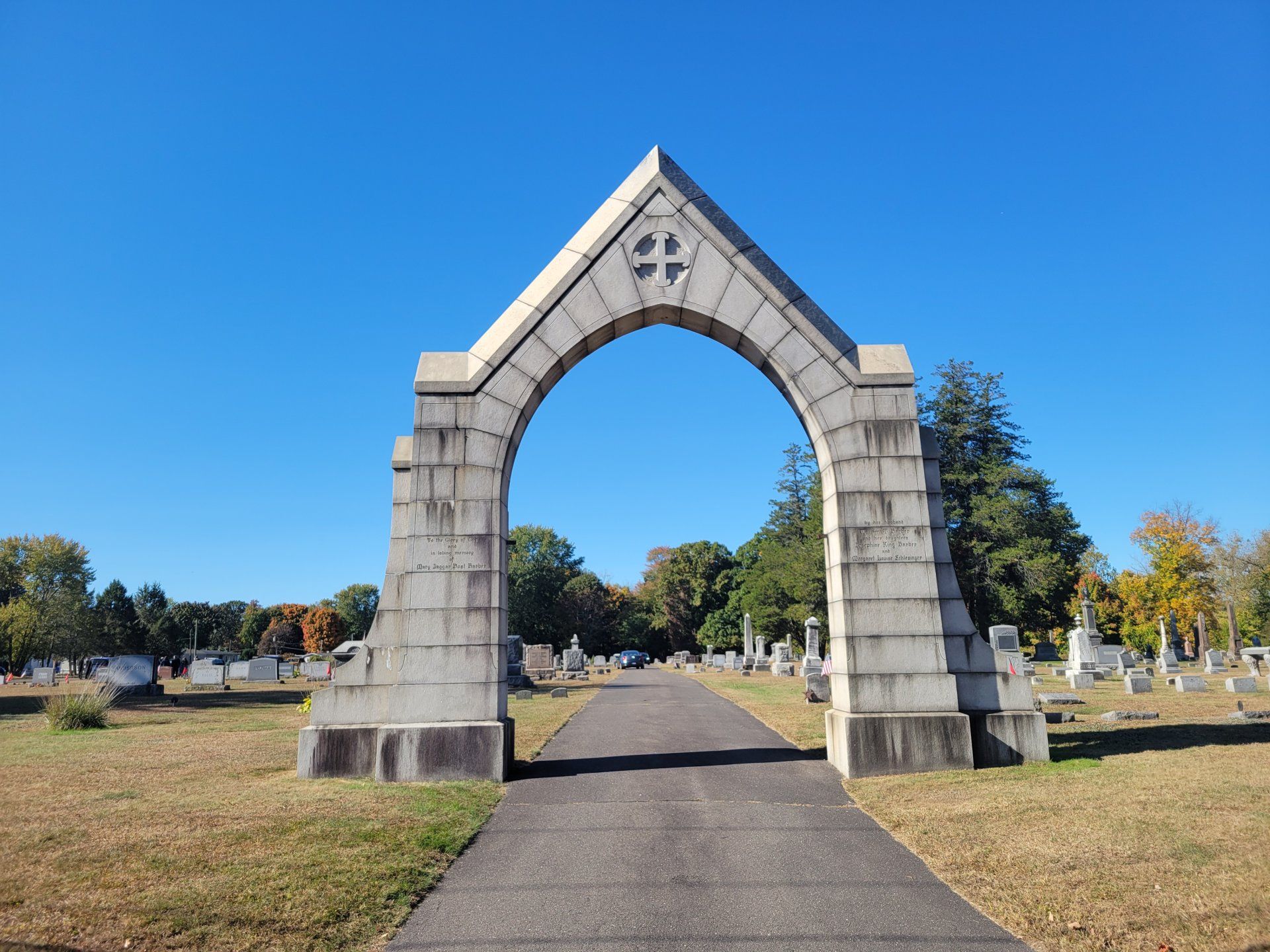
Springdale, Connecticut

Location:
Springdale, CT

Welcome to Springdale

Springdale is a distinct neighborhood in the northeastern corner of Stamford, Connecticut, with roots stretching back to 1641 — making it one of Fairfield County's oldest continuously settled communities. What sets it apart from other Stamford neighborhoods is its remarkable degree of self-sufficiency: Hope Street serves as a genuine main street, lined with local shops, restaurants, and services, while the Springdale Metro-North station on the New Canaan Branch puts Midtown Manhattan within comfortable commuting range. That combination of walkable village character and direct rail access is rare in Fairfield County, and it's something neighboring areas like Glenbrook or Turn of River simply don't replicate.

Families with children are served by Springdale Elementary School and the broader Stamford Public Schools district, and the neighborhood's roughly one square mile contains parks, historic churches, and civic institutions that give it a coherent identity rather than the feel of a generic suburb. The area's median household income exceeds $118,000, reflecting the professional demographic that has increasingly made it a destination of choice.

With transit-oriented development underway and continued investment in walkability and green space, Springdale offers buyers something increasingly hard to find: genuine neighborhood character with metropolitan convenience — and its best years are still ahead.


Things to Do

Outdoor Recreation

Springdale's most beloved green space is Drotar Park, a 4.5-acre neighborhood anchor featuring playgrounds, open lawns, and Little League fields that draw families throughout the warmer months. The park embodies the tight-knit spirit of the community and serves as a natural gathering point for residents of all ages. Sleepy Hollow Park offers a quieter, more wooded retreat — ideal for a morning walk or an afternoon away from the bustle of nearby Stamford. The neighborhood's valley setting, shaped by the Noroton River and the natural springs that gave Springdale its name, lends the area a surprisingly pastoral feel for a community so close to a major city.

Dining & Shopping

Hope Street is the commercial heart of Springdale, lined with an eclectic mix of local restaurants, cafés, boutique shops, salons, and everyday services. The strip has a genuinely walkable, small-town character that sets it apart from the more corporate corridors of central Stamford. Whether you're grabbing a casual bite or running weekend errands, Hope Street delivers the kind of neighborhood convenience that makes daily life feel effortless. The ongoing revitalization of this corridor has brought new energy to the area while preserving its approachable, community-first atmosphere.

Arts, Culture & History

History enthusiasts will find Springdale quietly rich with heritage. The Emmanuel Episcopal Church and the Springdale Railroad Station — the latter dating to the neighborhood's formal founding in 1868 — are enduring landmarks that anchor the area's architectural identity. The station, still active on Metro-North's New Canaan Branch, is one of the few places in the region where 19th-century railroad history intersects with a working daily commute. For those curious about the neighborhood's deeper past, the book Springdale Remembered 1640–1949 offers a fascinating chronicle of the area's evolution from Loyalist farmland to suburban enclave.

Community Events & Family Life

The Springdale Neighborhood Association keeps the community calendar lively with beautification initiatives, seasonal events, and civic programming throughout the year. These gatherings reinforce the neighborhood's reputation as one of Stamford's most cohesive and self-sufficient enclaves. Families with children benefit from proximity to well-regarded local schools and the safe, walkable streets surrounding Drotar Park. Downtown Stamford — with its theaters, waterfront, and broader dining scene — is just a short drive or train ride away, giving Springdale residents easy access to big-city amenities without sacrificing neighborhood charm.

Latest Properties in Springdale

Loading...

Loading latest properties...

See All Properties in Springdale

History

From Colonial Outpost to Suburban Enclave

Springdale's story begins in 1641, when English settlers established the broader Stamford colony on land purchased from the indigenous Paugussett people. The area that would become Springdale went by a succession of names — Hequetch, Shittim Plains, Greedy Ridge — before most of its land was formally distributed to prominent Stamford families, including the Weeds and Hoyts, between 1700 and 1710. Those early land grants shaped an agrarian landscape of farms, orchards, and timber operations along the Noroton River valley, whose natural springs would eventually inspire the neighborhood's modern name.

Commercial life took root slowly. A blacksmith shop opened in 1792 on Woodway Road — the building that survives as the area's second-oldest house — followed by the neighborhood's first general store in 1811. A schoolhouse constructed in 1854 laid the literal foundation for what is now Springdale Elementary School. The single most transformative moment came on July 4, 1868, when the first train ran from Stamford to New Canaan along what is now the Metro-North New Canaan Branch, stopping at Springdale. That same year, a local post office formally enshrined the name "Springdale," and the Episcopal Church of the Good Shepherd was dedicated — giving the neighborhood its civic identity in one remarkable year.

The 20th century brought suburbanization. As farming declined, Springdale's modest frame bungalows, two-family houses, and Queen Anne-style residences attracted middle-class families drawn by rail access to New York City and the Merritt Parkway, completed in 1940. The postwar decades filled in the tree-lined residential streets that define the neighborhood today. More recently, infill development, commercial revitalization along Hope Street, and transit-oriented projects near the train station have layered contemporary demand onto that historic framework — making Springdale one of Stamford's most consistently sought-after addresses for buyers who want walkable village character without sacrificing city connectivity.

Weather

Four Distinct Seasons Define Life in Springdale

Springdale, Connecticut experiences a humid continental climate, characterized by warm, humid summers, cold winters, and precipitation distributed fairly evenly throughout the year. Situated in Fairfield County within the New York metropolitan region, the neighborhood benefits from a degree of coastal moderation thanks to its proximity to Long Island Sound, which tempers temperature extremes compared to inland areas of New England.

Summer highs typically range from the mid-80s°F, with overnight lows settling in the upper 60s. Humidity can make July and August feel noticeably warmer than the thermometer suggests. Winters bring highs in the mid-30s°F and lows that regularly dip into the teens and low 20s, with meaningful snowfall accumulation across the season. Spring and autumn are transitional and often spectacular — crisp, colorful falls are a hallmark of southwestern Connecticut, and mild springs arrive gradually through April and May.

Annual precipitation averages around 48 to 50 inches, with no pronounced dry season. Nor'easters can bring significant snow or ice events between December and March, and occasional tropical remnants push heavy rainfall through in late summer or early fall.

For anyone considering Springdale houses for sale, the climate carries real practical weight. Homes here require robust heating systems and well-maintained insulation to manage winter energy costs, while central air conditioning is essentially standard for summer comfort. Seasonal maintenance — roof inspections, gutter clearing, and weatherproofing — is a routine part of homeownership, and the neighborhood's generous tree canopy, beautiful in autumn, demands attention each fall.

Springdale Market Analytics

Market analytics data coming soon.
Can I Afford Springdale?
$
%
$0
Est. Monthly Payment
$0/yr
Salary Required

*Principal & interest only. Salary based on 28% debt-to-income ratio.

Get Pre-Approved for Springdale