
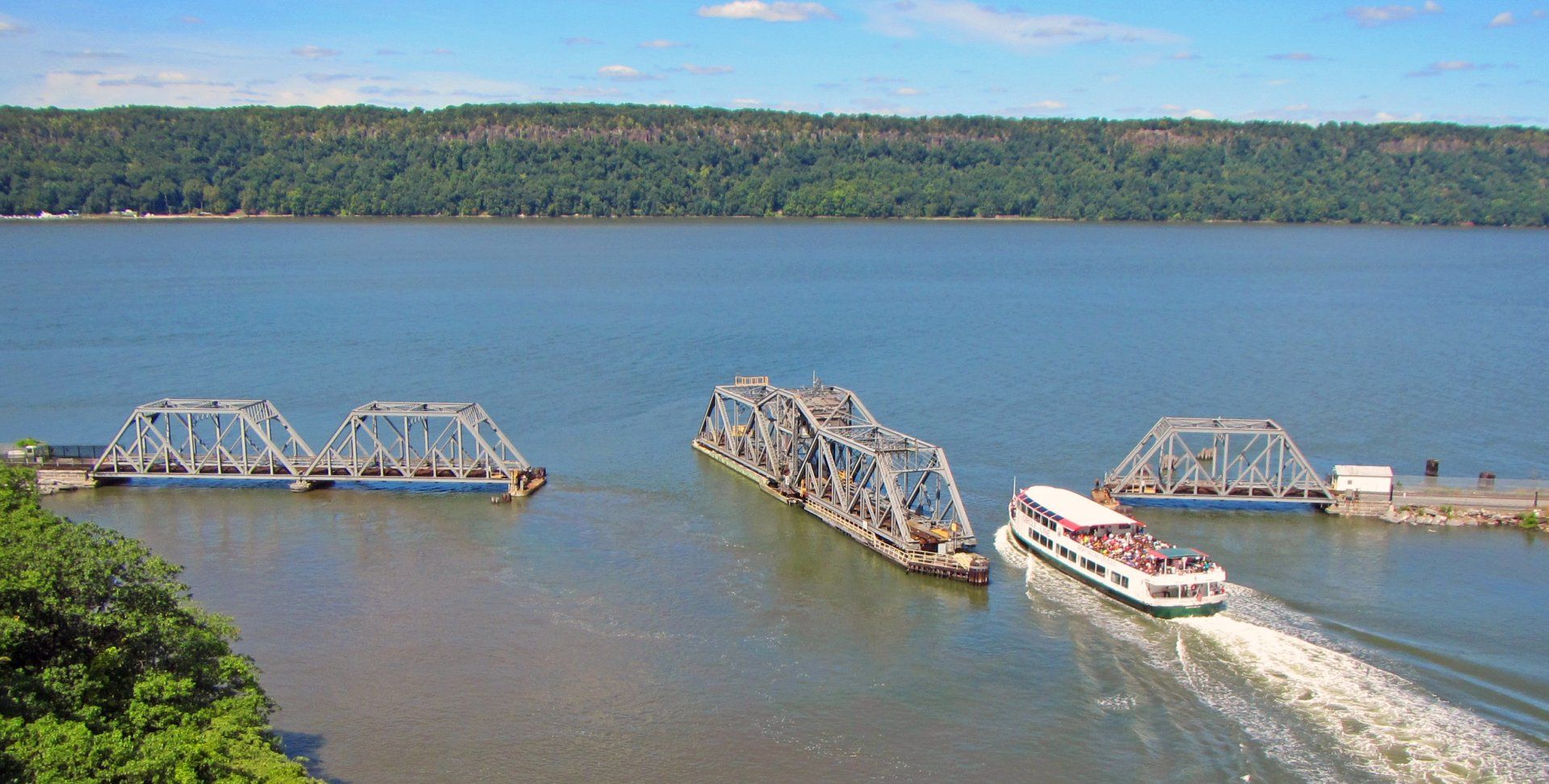
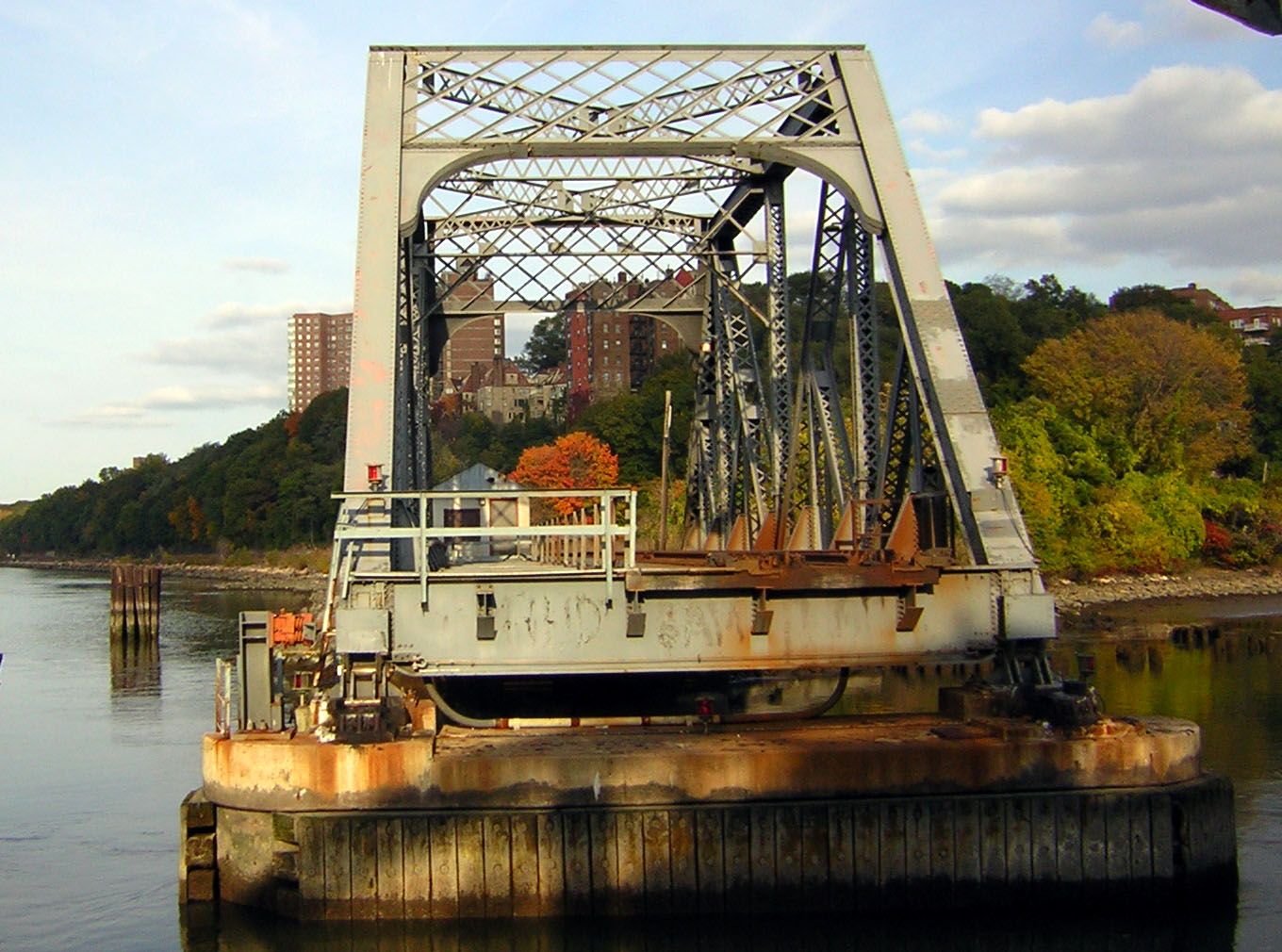
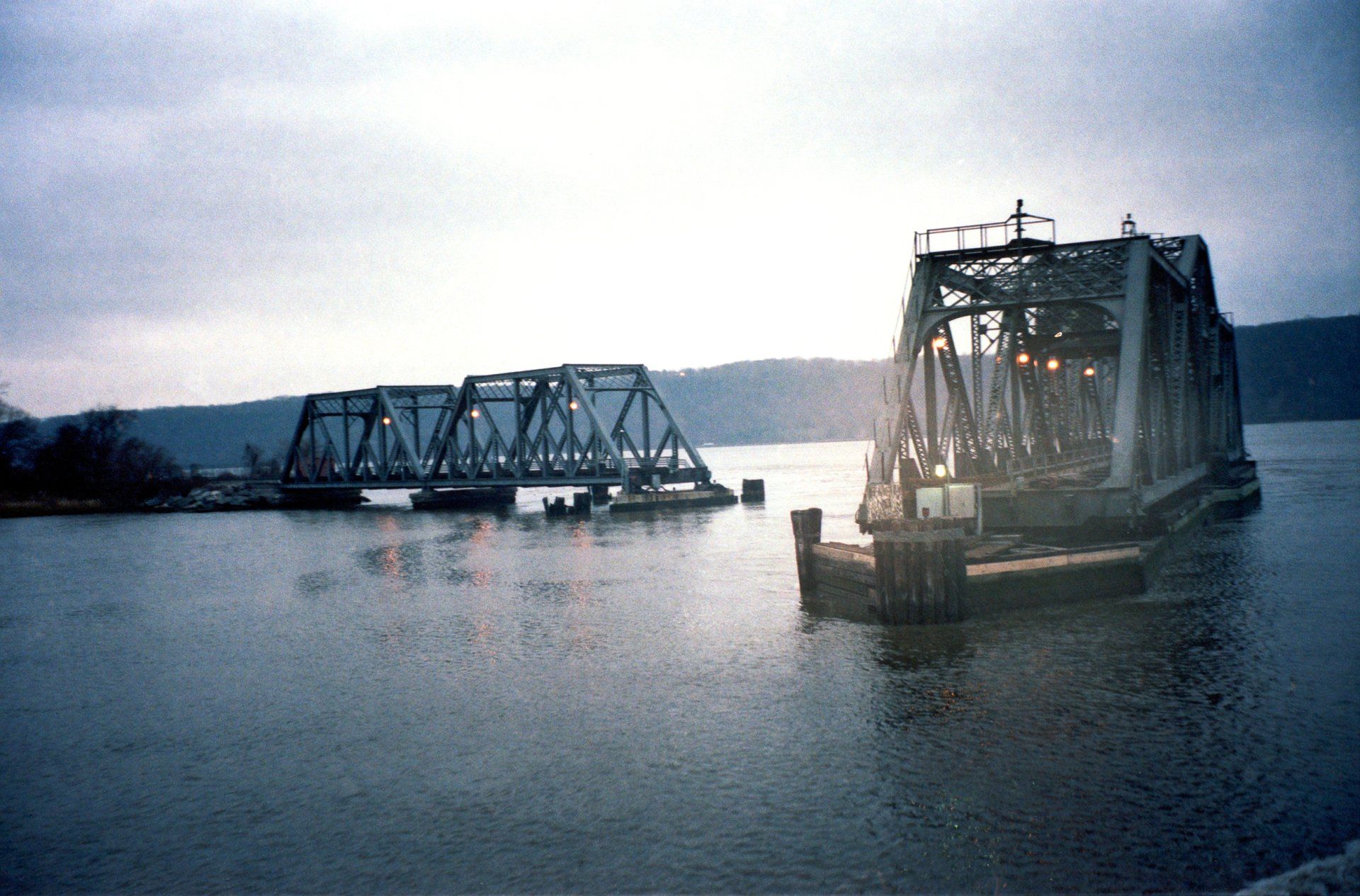
At the northwestern tip of the Bronx, where the Hudson River meets the Harlem River at a turbulent tidal confluence, Spuyten Duyvil carries a name that Dutch settlers coined in the 17th century — a reference to the churning, foaming waters they called the "spouting devil." That same waterfront character defines the neighborhood today, setting it apart from the more landlocked stretches of the Bronx and giving it a distinctly residential, almost riverine quality that few New York City neighborhoods can match. Bounded by Riverdale to the north and the Henry Hudson Bridge overhead, Spuyten Duyvil occupies just under half a square mile yet packs in remarkable variety: pre-war co-ops and mid-century high-rises with sweeping river views, the landmarked Edgehill Church of Spuyten Duyvil, and direct access to Metro-North's Hudson Line at Spuyten Duyvil station, putting Grand Central Terminal roughly 30 minutes away. Spuyten Duyvil real estate appeals to buyers who want genuine Manhattan proximity without Manhattan density — and with a median household income of $83,381 and a neighborhood that continues to attract families drawn to its scenic setting and strong transit connections, the long-term case for investing here is as compelling as the views.
Welcome to Spuyten Duyvil
Things to Do
Outdoor Recreation & Scenic Spaces
Spuyten Duyvil's greatest natural asset is its dramatic position at the confluence of the Hudson and Harlem Rivers, and nowhere is that more celebrated than at Henry Hudson Memorial Park. The park crowns a rocky bluff with sweeping river views and is anchored by a striking column topped with a statue of Henry Hudson himself — a nod to the explorer who moored nearby in 1609. The surrounding waterfront offers some of the most breathtaking vistas in the entire Bronx, particularly at sunset when the Hudson catches the light. The Henry Hudson Bridge looms dramatically overhead, framing the scene where the historic Spuyten Duyvil Creek meets the open river. Walkers and joggers regularly take advantage of the area's hilly, wooded terrain, which feels remarkably removed from city life despite being just about ten miles from Midtown Manhattan.
Arts, Culture & Landmarks
The Edgehill Church of Spuyten Duyvil, a New York City landmark since 1980, is one of the neighborhood's most architecturally distinctive buildings. Designed by Francis H. Kimball and completed in 1888–89, the church blends Romanesque Revival, Tudor Revival, and Shingle style elements into a singular composition that rewards a closer look. History enthusiasts will also appreciate the neighborhood's deep Dutch colonial roots — the name "Spuyten Duyvil" itself, meaning roughly "Spouting Devil," refers to the churning tidal currents that challenged early settlers and inspired Washington Irving's famous legend of trumpeter Antony Van Corlear. The Spuyten Duyvil Branch of the New York Public Library on West 235th Street, designed by architect Giorgio Cavaglieri and opened in 1971, serves as a quiet community anchor for readers and researchers alike.
Dining & Local Amenities
Spuyten Duyvil has the character of an upper-middle-class residential enclave, and its dining and shopping options reflect that sensibility — intimate, neighborhood-oriented, and unpretentious. The commercial strips along Riverdale Avenue and Broadway nearby offer everyday conveniences, casual eateries, and local services within easy reach. Those exploring spuyten duyvil real estate will find the neighborhood's walkable access to these amenities a genuine draw.
Day Trips & Getting Around
One of Spuyten Duyvil's most practical pleasures is its connectivity. The Spuyten Duyvil Metro-North station on the Hudson Line puts Grand Central Terminal roughly 20–25 minutes away, making cultural institutions like the Metropolitan Museum of Art, Lincoln Center, and the American Museum of Natural History all easily accessible for a day out. The Henry Hudson Parkway and multiple MTA bus routes — including the Bx7, Bx10, and Bx20 — further extend your range. For those considering apartments in Spuyten Duyvil NY, this combination of natural beauty and urban accessibility is a defining feature of everyday life here.
Latest Properties in Spuyten Duyvil
Loading latest properties...
History
From Dutch Waters to Bronx Real Estate
Spuyten Duyvil's story begins at the water's edge. When Henry Hudson moored near the confluence of the Hudson and Harlem Rivers in 1609, he encountered a tidal creek so turbulent that Dutch settlers would later name it spuitende duivel — "spouting devil." The creek's name first appears in records around 1647, and the neighborhood has carried that identity ever since. Washington Irving immortalized the legend further in his 1809 A History of New York, recounting the tale of trumpeter Antony Van Corlear, who reputedly drowned attempting to swim the creek "in spite of the devil."
For most of the 17th and 18th centuries, the area remained sparsely settled. Frederick Philipse, lord of Philipse Manor, opened King's Bridge across Spuyten Duyvil Creek in 1693, establishing the neighborhood as a crossing point between Manhattan and Westchester — a transit role it has never relinquished. Real development arrived with the railroad. Cornelius Vanderbilt's consolidation of rail lines in the latter 19th century routed tracks along the Harlem River's north side, and the Spuyten Duyvil station opened on October 25, 1880, connecting this rocky promontory directly to Grand Central.
That rail link transformed Spuyten Duyvil from a geographic curiosity into a desirable address. Through the 1920s, the neighborhood grew steadily, and beginning in the 1950s, large high-rise apartment buildings rose along its cliffs and slopes — structures that later converted to condominiums and cooperatives, attracting affluent families drawn by sweeping river views and proximity to Riverdale and Fieldston. Those mid-century buildings define Spuyten Duyvil real estate today, giving the neighborhood its distinctive skyline of prewar and postwar towers perched above the Hudson. Anyone exploring apartments in Spuyten Duyvil, NY quickly discovers that this layered history — Dutch nomenclature, Gilded Age railroads, and postwar residential ambition — is baked into the very fabric of the neighborhood.
Weather
Four Seasons in Spuyten Duyvil
Spuyten Duyvil experiences a humid continental climate, the standard classification for the New York City metro area, marked by four distinct seasons and meaningful temperature swings throughout the year. Summers are warm and humid, with daytime highs typically climbing into the mid-to-upper 80s°F, while overnight lows settle in the mid-60s. Winters are cold and occasionally harsh, with average highs in the mid-30s°F and lows that can dip into the teens or single digits during the coldest stretches.
The neighborhood's position at the confluence of the Hudson and Harlem Rivers gives it a subtle but real waterfront influence. The rivers moderate temperature extremes slightly, and their proximity means residents experience persistent breezes — refreshing in summer, biting in January. Precipitation is fairly well distributed across all four seasons, averaging around 46–50 inches annually, with snowfall a reliable feature of winter months. Nor'easters can bring significant accumulation, and the hilly terrain of the northwest Bronx can intensify localized wind.
For anyone evaluating spuyten duyvil real estate, these conditions carry practical weight. Older co-ops and condominiums — many built between the 1950s and 1980s — should be assessed for insulation quality and heating efficiency, as cold winters drive meaningful energy costs. Spring and fall bring ideal conditions for enjoying the neighborhood's riverfront parks and outdoor spaces, while summer humidity makes air conditioning a genuine necessity rather than a luxury. Seasonal maintenance considerations, including snow removal and weatherproofing, are routine parts of homeownership here.
Spuyten Duyvil Market Analytics
Can I Afford Spuyten Duyvil?
Weather